In a landmark study that could redefine the scientific understanding of neurodegenerative progression, researchers have identified a previously unknown biological process responsible for the death of brain cells in Alzheimer’s disease and frontotemporal dementia (FTD). This mechanism, termed "karyoptosis," describes a specific sequence of cellular events where the cell nucleus—the repository of a neuron’s genetic blueprint—undergoes a systematic collapse and disintegration. The discovery, led by a team from King’s College London and the UK Dementia Research Institute, addresses a long-standing mystery in neurology: why and how neurons continue to die despite the presence of traditional cell-survival signals.
For decades, the global medical community has grappled with the rising tide of dementia, a condition currently affecting over 55 million people worldwide. While the accumulation of toxic proteins such as amyloid-beta, tau, and TDP-43 has been recognized as a hallmark of these diseases, the exact "executioner" mechanism that triggers the final death of the neuron has remained elusive. The identification of karyoptosis provides a specific molecular target for future drug development, offering hope for therapies that could slow or even halt the physical shrinkage of the brain that characterizes late-stage dementia.
The Biological Mechanics of Karyoptosis
Karyoptosis is distinct from other well-documented forms of cell death, such as apoptosis (programmed cell death) or necrosis (death due to injury). While apoptosis is a tidy, regulated process often used by the body to remove old or damaged cells, it has never fully accounted for the aggressive and widespread loss of neurons seen in Alzheimer’s and FTD.
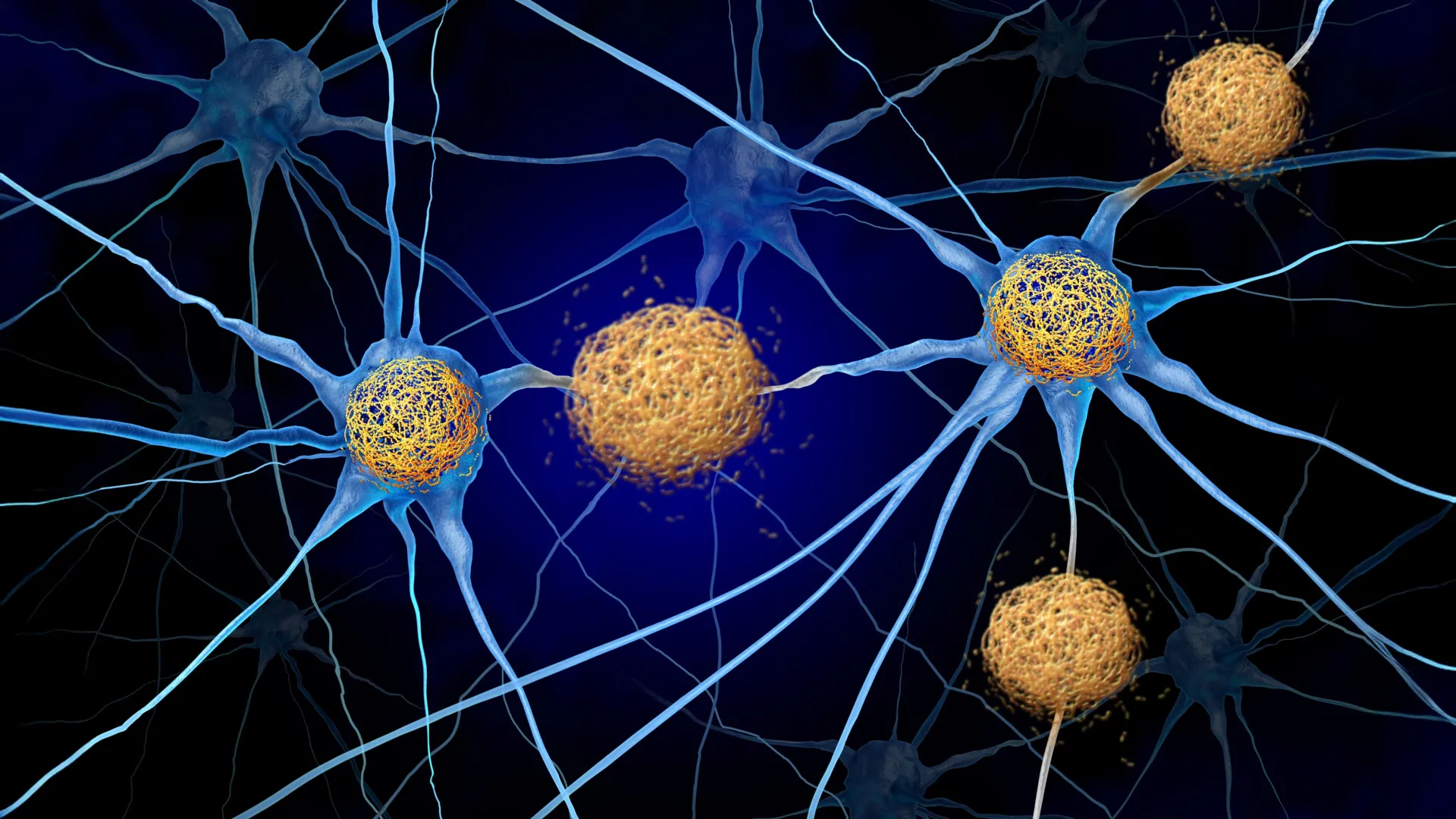
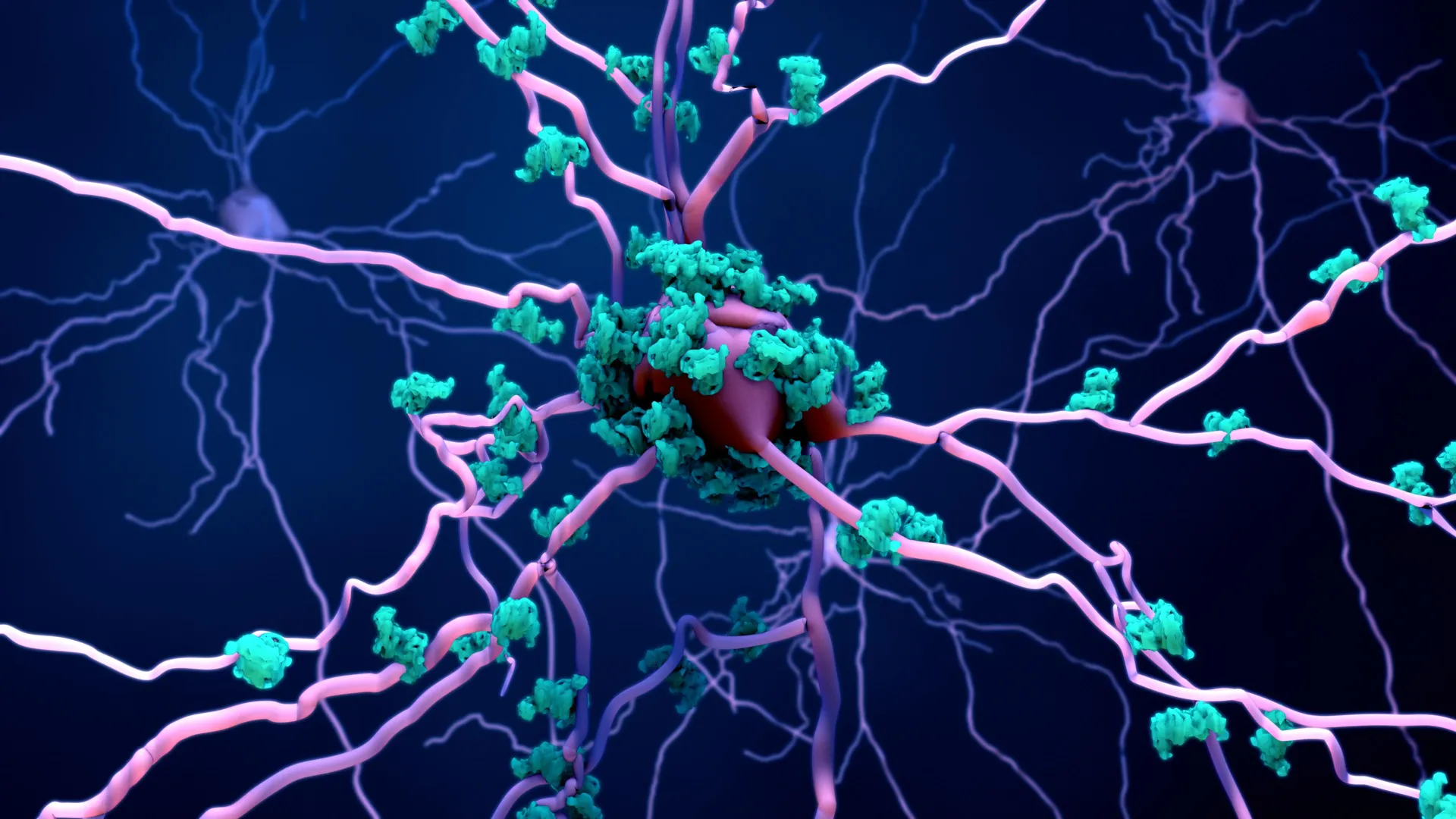
The researchers discovered that karyoptosis is triggered by "proteotoxic stress"—a state where the cell becomes overwhelmed by the buildup of misfolded and clumped proteins. As these toxic aggregates accumulate, they initiate a lethal chemical cascade that targets the nuclear envelope. The nucleus begins to shrivel, losing its structural integrity. Eventually, the membrane surrounding the genetic material breaks apart, leading to the irreversible death of the neuron.
Central to this process is the interaction between a molecular switch known as p38 MAP kinase and a structural protein called LaminB1. Under normal conditions, these components help maintain the stability of the cell. However, under the stress of dementia-related protein buildup, the p38 MAP kinase becomes hyperactive, leading to the degradation of LaminB1. This breakdown of the nuclear "scaffolding" is what ultimately causes the nucleus to collapse.
Evidence from Human Brain Tissue
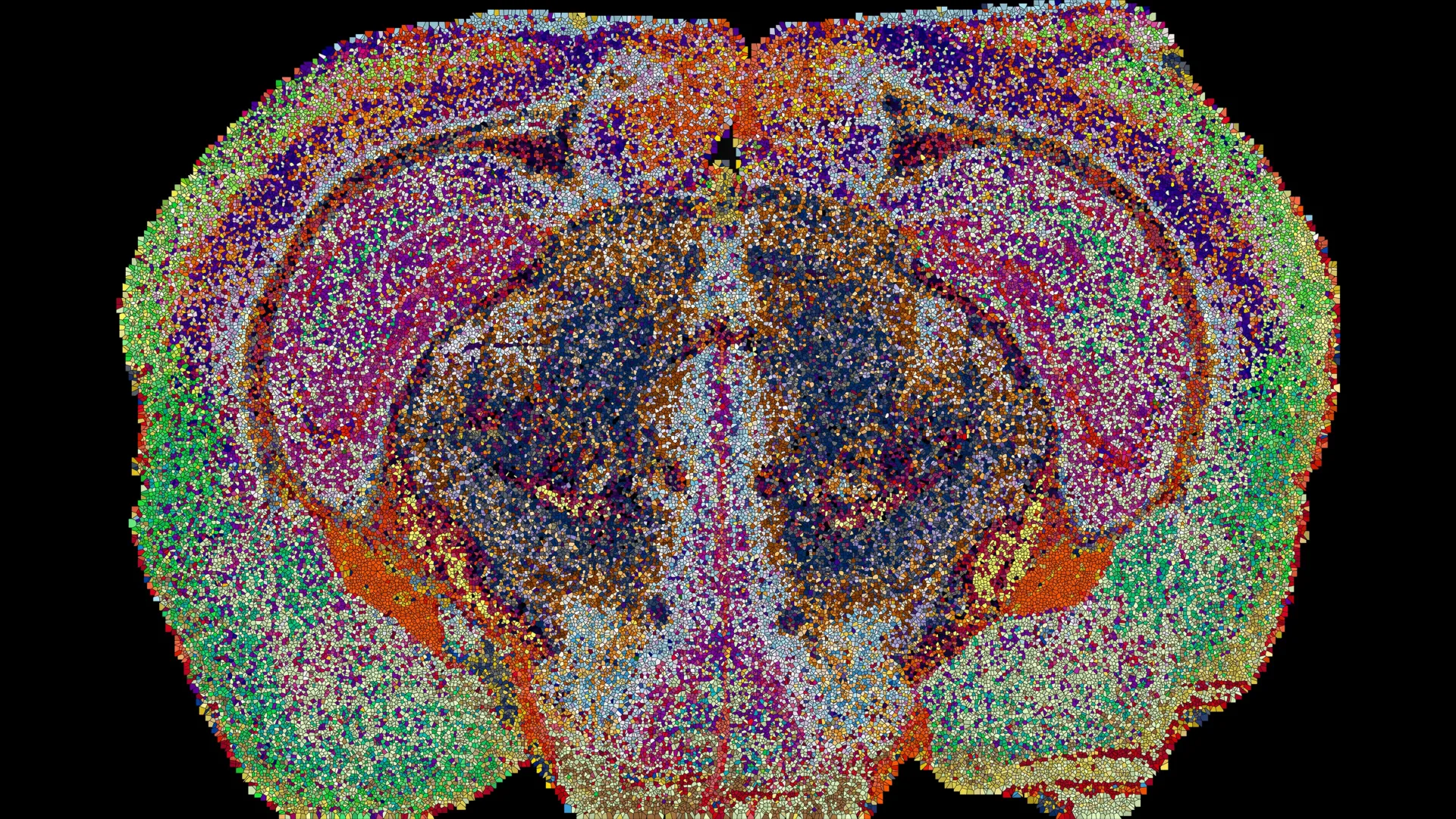
The study, published in the journal Nature Communications, utilized sophisticated computational algorithms to analyze approximately 3,000 individual brain cells. These samples were harvested from the frontal cortex of 28 individuals, including those who had died with end-stage Alzheimer’s disease or FTD, as well as a control group of healthy older adults.
The data revealed a stark contrast between diseased and healthy brains. In the frontal cortex—the region of the brain responsible for high-level cognitive functions, personality, and decision-making—signs of karyoptosis were found in 35 percent of the neurons in Alzheimer’s patients. In contrast, only 15 percent of cells in the healthy control group showed markers of this process. This significant statistical gap suggests that while some nuclear degradation may occur as a byproduct of natural aging, it is dramatically accelerated and weaponized by the pathology of dementia.
The researchers also noted that karyoptosis appeared to be a common denominator across different types of dementia. Whether the primary driver was the tau protein (common in Alzheimer’s) or other toxic aggregates found in FTD, the end result was the same nuclear disintegration. This suggests that karyoptosis is a "bottleneck" through which many different neurodegenerative pathways must pass, making it an ideal candidate for broad-spectrum therapeutic intervention.
A Ten-Year Chronology of Discovery
The identification of karyoptosis is not a sudden fluke but the result of a decade-long investigation. The timeline of this research reflects the slow, methodical nature of modern neuroscience:
- 2014–2016: Researchers at King’s College London first observed unusual nuclear shrinking in laboratory models of rare genetic neurodegenerative conditions. At the time, the process did not fit the criteria for apoptosis.
- 2017–2019: The team began investigating whether this nuclear collapse was present in more common forms of neurodegeneration. Early experiments on rat neurons confirmed that proteotoxic stress—forcing proteins to clump—could reliably trigger the shriveling of the nucleus.
- 2020–2022: Utilizing advanced single-cell sequencing and computational modeling, the team shifted their focus to human tissue. They began the massive task of mapping the chemical pathways involved, eventually identifying the p38 MAP kinase and LaminB1 interaction.
- 2023–2024: The final analysis of the 28 human brains was completed, confirming that karyoptosis is a widespread feature of Alzheimer’s and FTD. The findings were peer-reviewed and published, marking the formal introduction of karyoptosis to the wider scientific community.
Expert Reactions and Therapeutic Potential
The scientific community has reacted with cautious optimism to the findings, noting that identifying a new form of cell death is a rare and significant event in pathology.
Dr. Manolis Fanto, Reader in Functional Genomics at the Institute of Psychiatry, Psychology and Neuroscience at King’s College London, emphasized the strategic importance of this discovery. "By specifically targeting the interaction between p38 MAP kinase and LaminB1, we may slow down the process of cell death," Dr. Fanto stated. He noted that while this might not "cure" the disease by removing the toxic proteins, it could "buy time" for patients, preserving cognitive function for much longer than is currently possible.
Dr. Rebecca Casterton, the study’s first author and a Senior Researcher at the UK Dementia Research Institute, highlighted the paradigm shift this research represents. "We have started to lay out the road map of how karyoptosis works," she said, expressing excitement for the "future breakthroughs this may drive in the dementia research community and beyond."
From a clinical perspective, the discovery offers a new "window" for treatment. Most current dementia drugs, such as the recently approved lecanemab, focus on clearing amyloid plaques from the brain. However, these treatments are often most effective in the very early stages of the disease. If doctors can inhibit karyoptosis, they might be able to protect neurons even in patients where protein buildup has already begun, potentially extending the efficacy of existing treatments.
Broader Implications for the Future of Neurology
The discovery of karyoptosis may have implications far beyond Alzheimer’s and FTD. The researchers noted that similar protein clumping is a feature of amyotrophic lateral sclerosis (ALS) and Parkinson’s disease. If karyoptosis is found to be the primary driver of cell death in those conditions as well, it could lead to a "universal" neuroprotective strategy.
However, significant hurdles remain. Developing a drug that can selectively block the p38 MAP kinase/LaminB1 interaction without interfering with other essential cellular functions is a complex task. Furthermore, any such drug would need to successfully cross the blood-brain barrier, a notorious challenge in pharmaceutical development.
Despite these challenges, the study provides a new level of clarity. For years, the "black box" of how a brain goes from having protein plaques to losing billions of neurons has frustrated drug developers. With the road map of karyoptosis now available, the focus shifts from asking what is happening to how to stop it.
Dr. Sara Rodrigues, Senior Research Manager at Alzheimer’s Research UK, which helped fund the study, underscored the urgency of the work. "For decades, we’ve known that toxic proteins build up… but exactly how they lead to the loss of brain cells has remained unclear," she said. She described the identification of karyoptosis as a "crucial step" that brings the scientific community closer to a cure.
As the global population ages, the economic and social burden of dementia is expected to triple by 2050. The discovery of karyoptosis represents a vital pivot point in the effort to mitigate this crisis, moving the field away from general observation and toward precision molecular intervention. The next phase of research will involve laboratory screening for compounds that can stabilize the nuclear membrane, with the ultimate goal of moving into human clinical trials within the next decade.