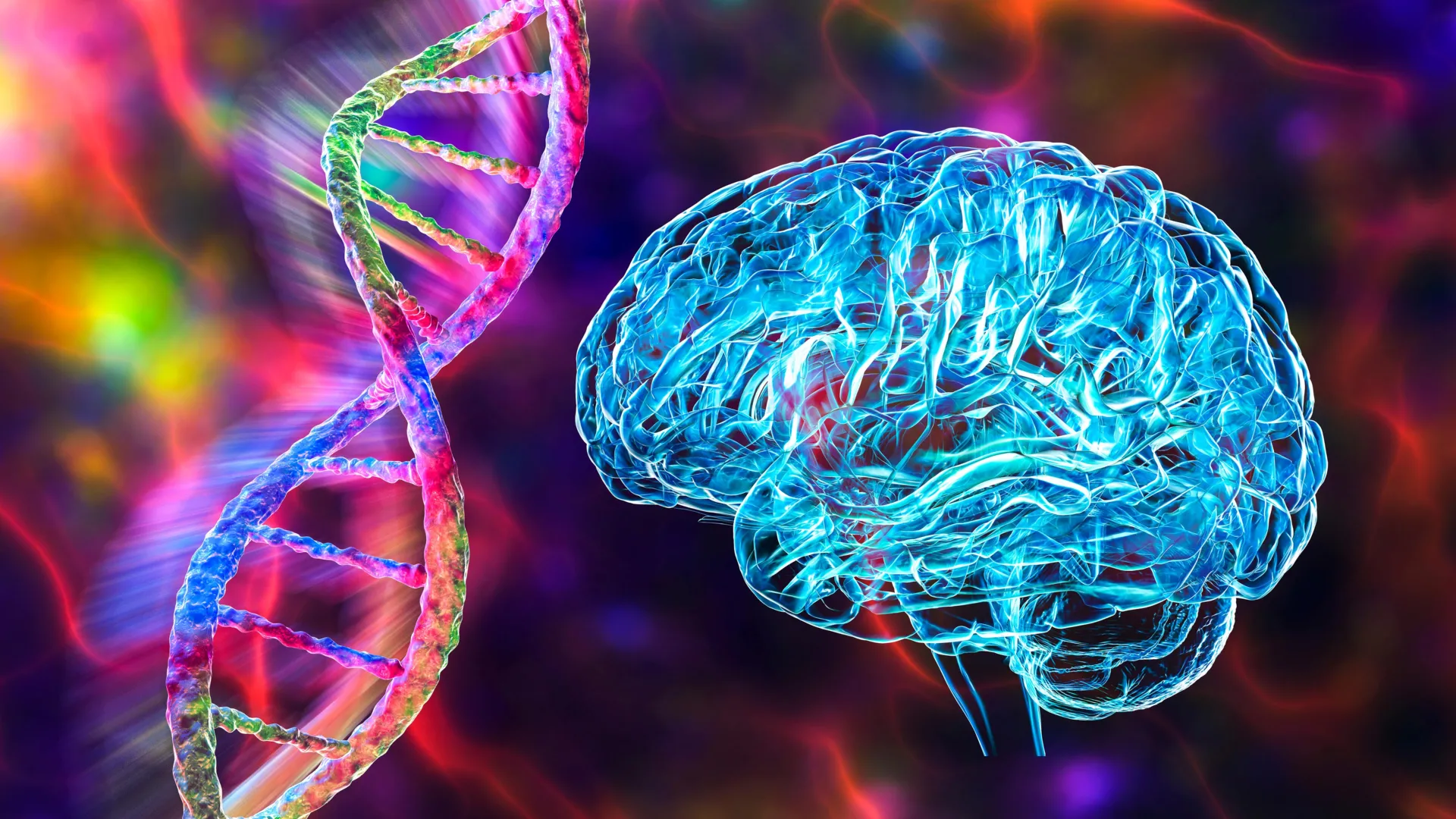
In a landmark study that challenges long-standing assumptions about nutrition and metabolic science, researchers at the Monell Chemical Senses Center have identified that the brain processes fructose and glucose through entirely distinct biological pathways. While these two simple sugars are chemically similar and provide an identical caloric load, their impact on the neural circuits that govern hunger and food preference is radically different. The findings, published in the June 10 issue of the journal Neuron, provide a new framework for understanding how modern diets—particularly those high in refined sweeteners—may bypass traditional satiety signals, leading to overconsumption and altered dietary habits.
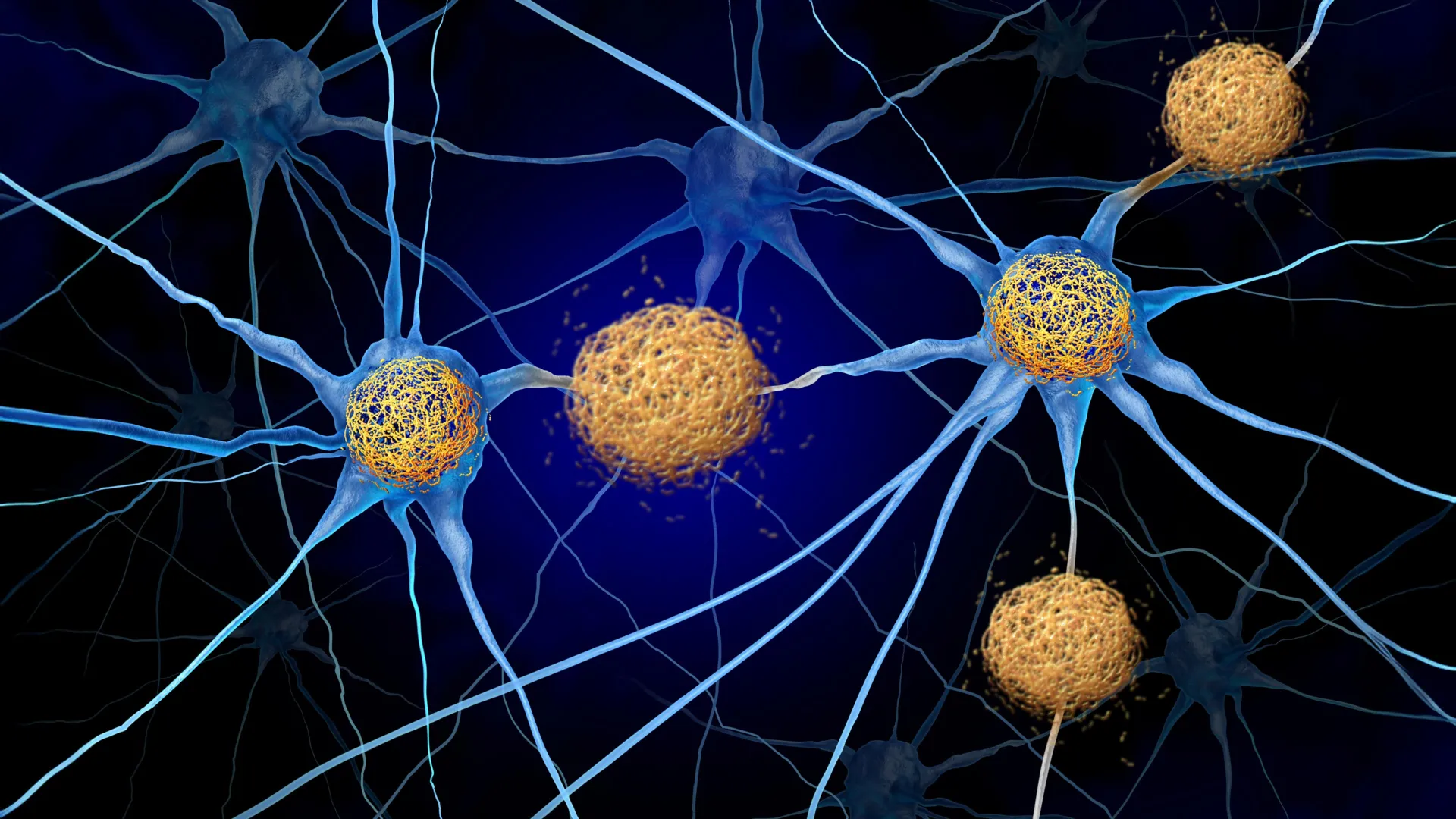
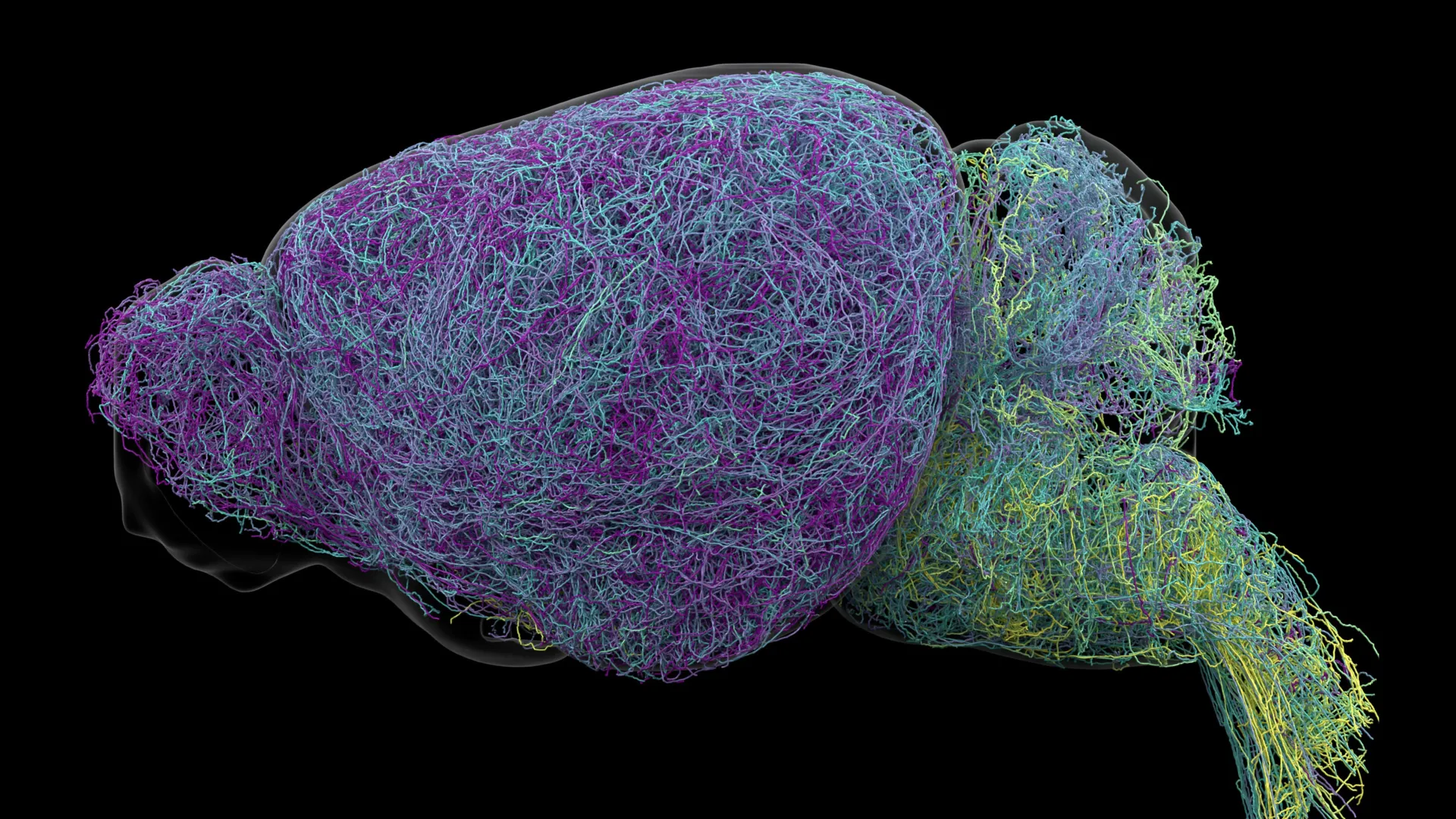
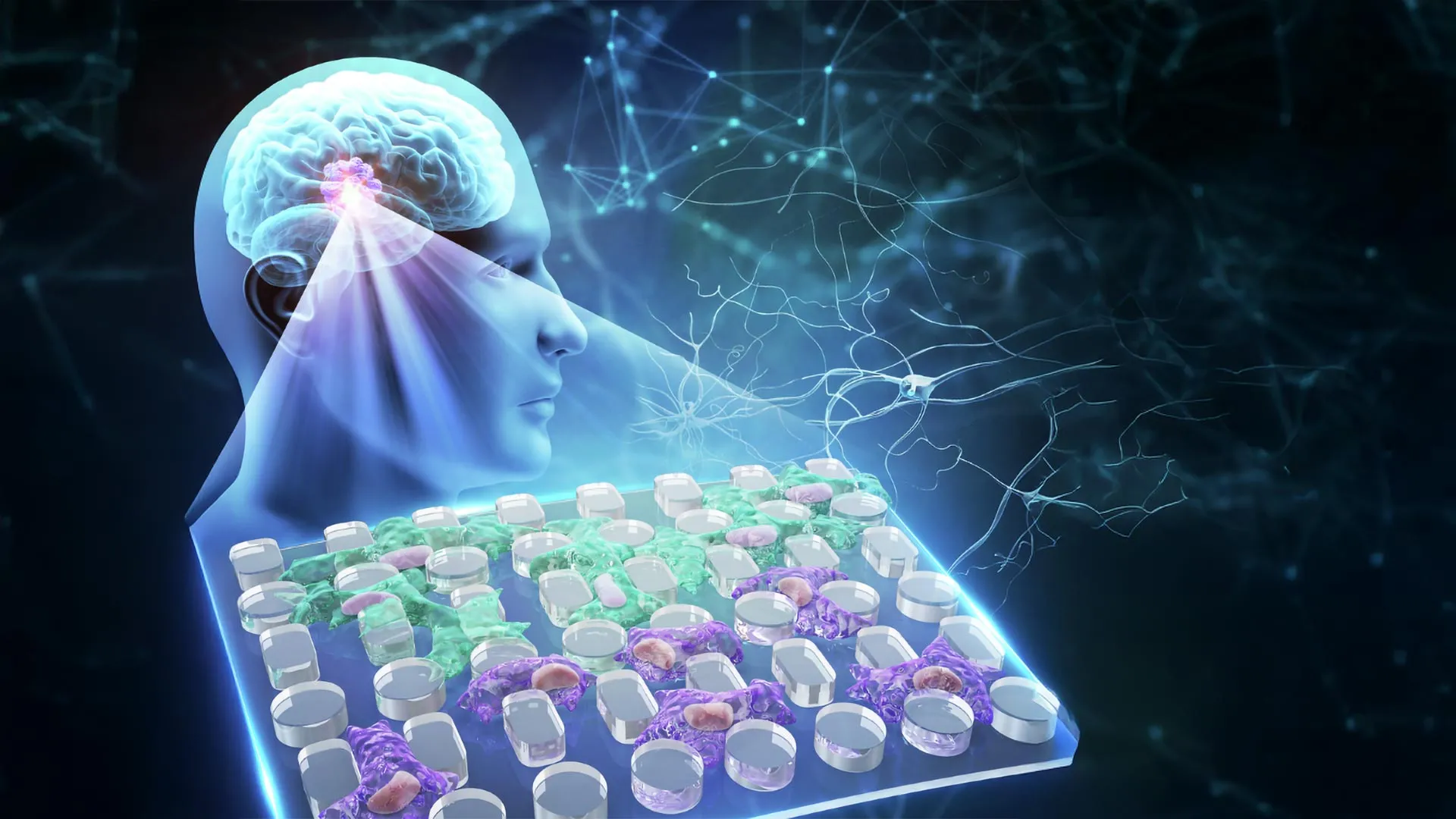
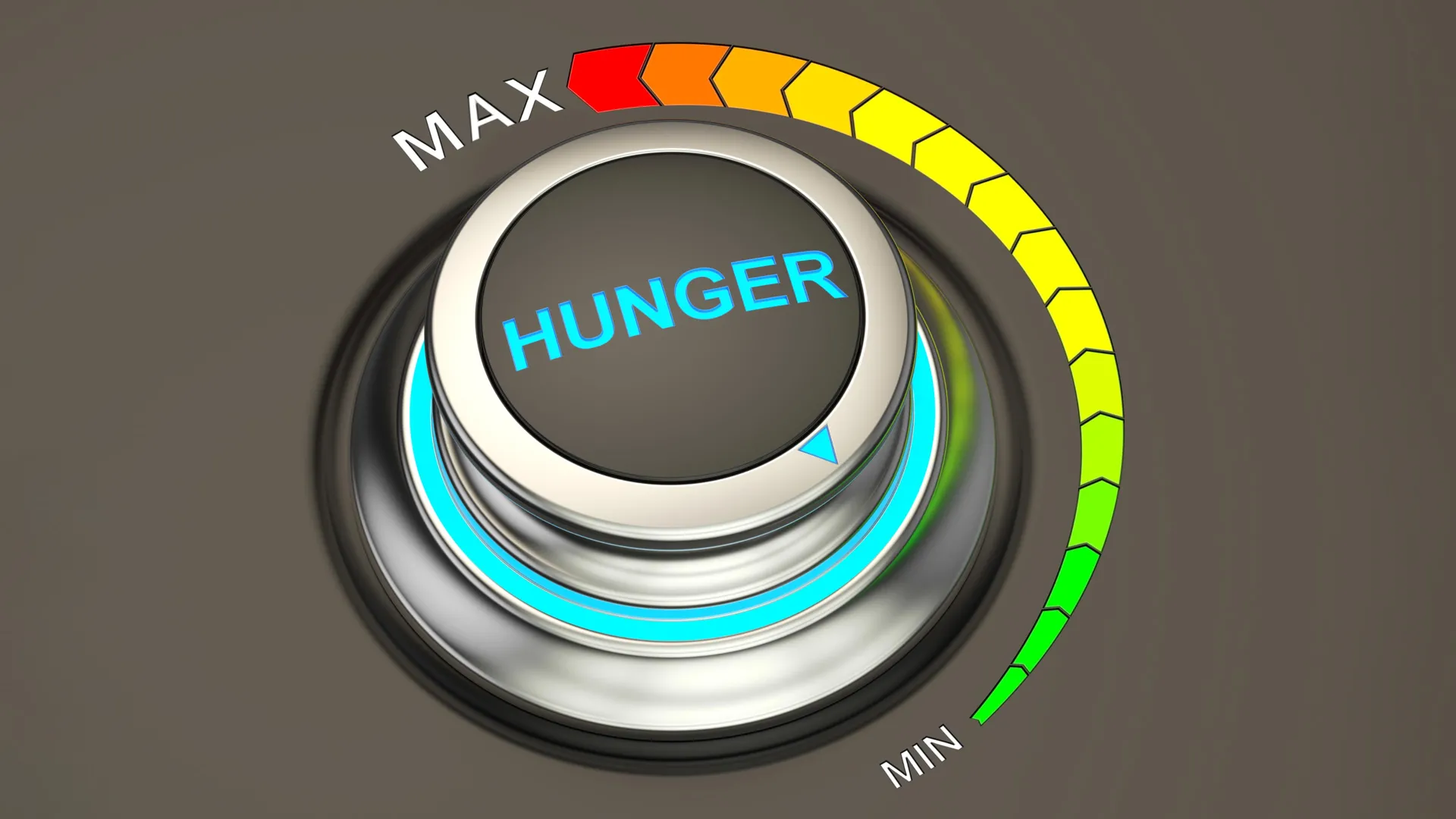
The research team, led by senior author Amber Alhadeff, PhD, a Monell Member and a prominent figure in the field of gut-brain signaling, focused on the Agouti-related protein (AgRP) neurons. Located in the hypothalamus, these neurons are often described as the "hunger thermostat" of the brain. When AgRP neurons are active, they drive an intense urge to seek out and consume food; when they are suppressed, the sensation of hunger diminishes. The study’s core revelation is that while glucose acts as a powerful brake on these neurons, fructose offers only a marginal influence, relying on a circuitous and less efficient signaling route.
The Biological Divergence: How the Gut Talks to the Brain
For decades, the prevailing "isocaloric" theory suggested that the body’s primary concern was the total energy (calories) consumed, rather than the specific molecular source of that energy. However, the Monell study demonstrates that the gut-brain axis is highly discerning. When glucose enters the digestive system, it triggers a rapid and robust suppression of AgRP neurons. This response is critical for the "satiety" feeling that tells an organism it has received sufficient energy.
Fructose, conversely, utilizes a specialized pathway involving the gut hormone Peptide YY (PYY). The researchers discovered that the presence of fructose in the intestine stimulates the release of PYY, which then sends a signal through the vagus nerve to the brain. While this pathway does eventually reach the AgRP neurons, the resulting inhibition is significantly weaker than that produced by glucose.
"This work adds to our growing understanding of how modern diets, especially those high in fructose or high-fructose corn syrup, interact with the neural systems involved in appetite," Dr. Alhadeff stated. The discovery that fructose has its own "private line" to the brain—one that is inherently less effective at silencing hunger—suggests that high-fructose diets may leave the brain in a persistent state of "biological hunger" even when caloric needs have been met.
Experimental Methodology and Chronology
The research conducted at the Monell Chemical Senses Center involved a multi-stage experimental design using mouse models, which share highly conserved appetite-regulation circuits with humans. The study began with the observation of neural activity in real-time as the subjects were exposed to different sugar solutions.
- Initial Neural Mapping: Using advanced imaging and electrophysiology, the team recorded the firing rates of AgRP neurons. They observed that glucose caused a near-immediate drop in activity, whereas fructose caused a delayed and much smaller decrease.
- Pathway Isolation: To determine how these signals were reaching the brain, the researchers systematically disrupted various signaling components. When they blocked the Y2 receptors (which respond to the hormone PYY) or severed specific branches of the vagus nerve, the fructose-driven suppression of AgRP neurons vanished entirely.
- Glucose Comparison: In a parallel experiment, the same disruptions had no effect on glucose’s ability to suppress hunger neurons. This confirmed that glucose does not rely on the PYY-vagus nerve route, suggesting a more direct or redundant system for sensing glucose, likely involving direct sensing in the brain or different hormonal triggers like insulin or GLP-1.
- Preference Testing: In the final stage of the study, researchers allowed the mice to choose between different sugar compositions. Over time, the mice developed a distinct preference for sugars that most effectively silenced their AgRP neurons, demonstrating that the "reward" of sugar is tied more to the suppression of hunger signals than to the taste alone.
The High-Fructose Corn Syrup (HFCS) Phenomenon
One of the most significant aspects of the study involved the analysis of High-Fructose Corn Syrup (HFCS). HFCS is the most prevalent sweetener in the American food supply, found in everything from soft drinks to processed breads and condiments. It typically consists of a blend of approximately 55% fructose and 45% glucose.
The Monell researchers found that HFCS created a "dual-action" effect. Because it contains both sugars, it activates both the PYY-vagus nerve pathway (via fructose) and the more potent, unidentified pathway used by glucose. The mice in the study showed a marked preference for HFCS over pure fructose. More importantly, the combination of the two sugars suppressed AgRP neuron activity more strongly than fructose alone.
This synergy helps explain the "hyper-palatability" of modern processed foods. By hitting multiple neural pathways simultaneously, HFCS-sweetened products may provide a more complex and "satisfying" signal to the brain’s hunger centers than fructose alone, while still failing to provide the clean "stop" signal that a pure glucose source might provide. This creates a biological incentive for the consumer to return to these specific products, reinforcing a cycle of consumption that is difficult to break through willpower alone.
Data and Statistical Context
The implications of this study are underscored by current nutritional data. According to the Centers for Disease Control and Prevention (CDC), the average American adult consumes roughly 13% of their total daily calories from added sugars. A significant portion of this is in the form of fructose, either through HFCS or sucrose (table sugar, which is 50% fructose).
Historical data shows that since the introduction of HFCS into the food supply in the late 1960s and early 1970s, obesity rates in the United States have more than tripled. While many factors contribute to this trend, the Monell study provides a mechanistic explanation for why fructose-heavy diets are so closely linked to weight gain. If fructose is less effective at silencing the brain’s hunger neurons, individuals consuming high-fructose diets are likely to consume more total calories before their brain registers a state of fullness.
Furthermore, the study highlights a "metabolic mismatch." While the liver is the primary site for fructose metabolism, the brain’s perception of that energy is mediated by the gut. If the gut-brain signaling for fructose is "muffled," the brain may underestimate the energy density of the food being consumed.
Institutional Support and Scientific Significance
The research was a massive undertaking, supported by a wide array of prestigious scientific organizations. Funding sources included several grants from the National Institutes of Health (NIH), the American Heart Association, the New York Stem Cell Foundation, the Klingenstein Fund, the Simons Foundation, and the Pew Charitable Trusts. Additional support came from the Penn Institute for Diabetes, Obesity, and Metabolism, as well as the Hearst Fellowship.
The scientific community has reacted to the study with significant interest. Independent researchers note that the identification of the PYY-vagus nerve pathway as the specific conduit for fructose is a major step forward. It moves the conversation away from simple "sugar is bad" narratives toward a more nuanced understanding of how specific molecules interact with our evolutionary biology.
"We used to think that the gut just sent a general ‘energy’ signal to the brain," said one independent metabolic researcher not involved in the study. "Monell has shown us that the gut is actually sending a detailed report, and the brain is reading every line of that report differently depending on the sugar involved."
Broader Implications for Public Health and Food Policy
The Monell study has profound implications for how we approach dietary guidelines and food engineering. For years, the food industry has defended the use of HFCS by arguing that "sugar is sugar" and that the body treats all 4-calorie-per-gram carbohydrates the same way. The findings in Neuron effectively debunk this defense at the neurological level.
1. Reformulating "Healthy" Sweeteners
The discovery suggests that simply replacing one sugar with another may have unintended consequences for appetite. For example, some "natural" sweeteners like agave nectar are extremely high in fructose (up to 90%). While they may have a lower glycemic index, this study suggests they may be less effective at satisfying hunger, potentially leading to overeating later in the day.
2. Targeted Obesity Treatments
By identifying the PYY-Y2-vagus nerve pathway, researchers may have found a new target for pharmacological intervention. If drugs can be developed to enhance the "satiety signal" of fructose, it might be possible to help individuals on high-sugar diets feel full more quickly, reducing overall caloric intake.
3. Food Labeling and Education
There is a growing call for more transparent labeling that distinguishes between types of sugars. Currently, "Added Sugars" are grouped together on FDA labels. Knowledge of how fructose specifically affects the brain could lead to new public health campaigns focused on the unique risks of high-fructose consumption beyond just dental health or diabetes.
Conclusion: A New Frontier in Nutrient Sensing
The research conducted by Dr. Alhadeff and her team at the Monell Chemical Senses Center marks a pivotal shift in the study of the gut-brain axis. By proving that AgRP neurons can distinguish between glucose and fructose, the study highlights the extreme complexity of the human body’s nutrient-sensing apparatus.
As the global medical community continues to grapple with the "obesity paradox"—where populations have access to more calories than ever but remain biologically "hungry"—studies like this provide the missing pieces of the puzzle. It is now clear that the brain does not merely count calories; it interprets the chemical signature of every morsel we eat. In the case of fructose, the brain’s "hunger thermostat" remains partially engaged, potentially driving the overconsumption that characterizes the modern diet. Future research will likely focus on whether these pathways can be "re-trained" or if the neural preference for certain sugars is a permanent fixture of human biology.