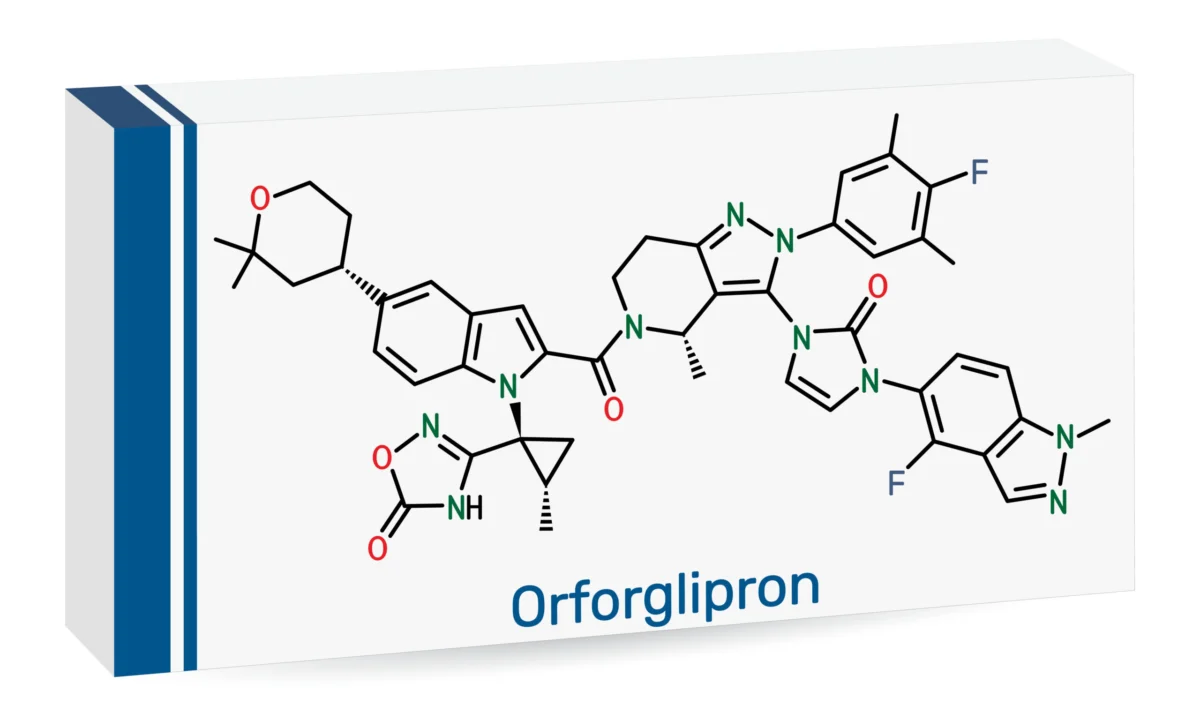
The pharmaceutical landscape for metabolic disorders is undergoing a profound transformation, heralded by the advent of oral small-molecule GLP-1 receptor agonists. This shift, exemplified by the 2026 approval of Eli Lilly’s orforglipron (brand name Foundayo™), marks a pivotal moment, moving treatment paradigms from injectable peptides to convenient oral medications. This development is not merely a change in administration route; it fundamentally reconfigures the scientific challenges and approaches at the drug discovery and development bench, opening new avenues for research, patient care, and market competition.
The Evolution of GLP-1 Agonists: A Historical Perspective
The journey of Glucagon-Like Peptide-1 (GLP-1) receptor agonists began in earnest with the U.S. Food and Drug Administration (FDA) approval of exenatide (Byetta) in 2005 for Type 2 diabetes. This marked the introduction of a novel class of drugs that mimicked the action of a natural gut hormone, GLP-1, to stimulate insulin secretion, suppress glucagon release, slow gastric emptying, and promote satiety, thereby improving glycemic control and often leading to weight loss.
Initially, these medications were administered as twice-daily injections, a significant hurdle for patient adherence. Over the subsequent decade, pharmaceutical innovators focused on enhancing the stability and duration of action of these peptide-based drugs. This led to the development of molecules engineered for longer half-lives, transitioning from daily to once-weekly injections, with semaglutide (Ozempic), approved in 2017, becoming a prominent example. These advancements significantly improved convenience and patient compliance, contributing to the class’s growing success in managing Type 2 diabetes and, more recently, obesity (e.g., Wegovy). The market for GLP-1 agonists has expanded exponentially, with global sales projected to reach over $100 billion by the early 2030s, underscoring their critical role in public health.
Despite the success of injectable formulations, the pharmaceutical industry harbored a long-standing aspiration: to develop an orally available GLP-1 agonist. Oral administration is widely considered the "gold standard" for medication due to its unparalleled convenience, ease of self-administration, and potential for broader patient acceptance. However, peptides, by their very nature, are large, complex molecules highly susceptible to degradation by digestive enzymes and possess poor permeability across the intestinal wall, making oral delivery a formidable scientific challenge.
The "Gold Standard" Emerges: Why Oral Small Molecules are a Game-Changer
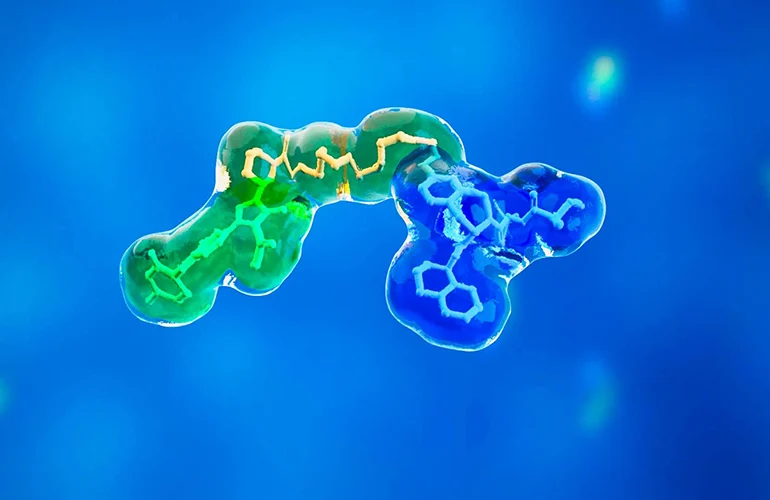
The approval of orforglipron, a small-molecule GLP-1, represents a triumph over these historical barriers. As Brian Ogilvie, Ph.D., vice president of scientific consulting at BioIVT, articulates, "If you can now mimic the same GLP-1 and GIP receptor agonist effect with a small molecule, that’s the gold standard for a medication. You want something you can take by mouth and not worry about it, as opposed to taking injections, even if they’re only every week or every other week." This sentiment resonates deeply with patients and healthcare providers alike. Studies consistently show that patient adherence to oral medications is generally higher than to injectables, regardless of dosing frequency, primarily due to the psychological and practical barriers associated with self-injection. For millions suffering from chronic conditions like Type 2 diabetes and obesity, an oral option offers a discreet, less intrusive, and more manageable treatment experience.
The shift to small molecules also has profound implications for pharmaceutical manufacturing and accessibility. Peptides are typically produced through complex and costly biotechnological processes, limiting scalability and contributing to higher drug prices. Small molecules, conversely, can often be synthesized using more traditional chemical methods, potentially leading to lower production costs and greater global availability, especially crucial in regions with limited healthcare infrastructure.
Transforming the Bench: Scientific Shifts in Drug Disposition
The transition from peptides to small molecules introduces a completely different set of scientific questions and experimental approaches at the drug discovery and development bench. For drug developers, the focus shifts from understanding peptide stability and degradation pathways (often lysosomal) to the intricate world of small-molecule pharmacokinetics and metabolism.
Ogilvie highlights this fundamental change: "When it comes to small molecules, there’s the normal CYP-focused metabolism, the typical studies we do for other small molecules. So the mix is changing." Unlike peptides, which are often broken down by proteases in lysosomes, small molecules are predominantly metabolized by the Cytochrome P450 (CYP) enzyme system. Located primarily in the liver and small intestine, CYP enzymes are responsible for metabolizing approximately 75% of all clinically used drugs, converting lipid-soluble compounds into water-soluble forms that the body can excrete.
This change necessitates a reorientation of in vitro and in vivo studies. Where peptide research might involve assays using human liver lysosome fractions to understand and enhance stability, small-molecule development routes researchers back to well-established CYP panels. These panels are used to identify which specific CYP isoforms metabolize a drug, predict its metabolic rate, and assess potential drug-drug interactions (DDIs).
Unpacking the ADME/DMPK Landscape for Small Molecules
The comprehensive evaluation of a small molecule involves detailed studies on Absorption, Distribution, Metabolism, and Excretion (ADME), often grouped under Drug Metabolism and Pharmacokinetics (DMPK).
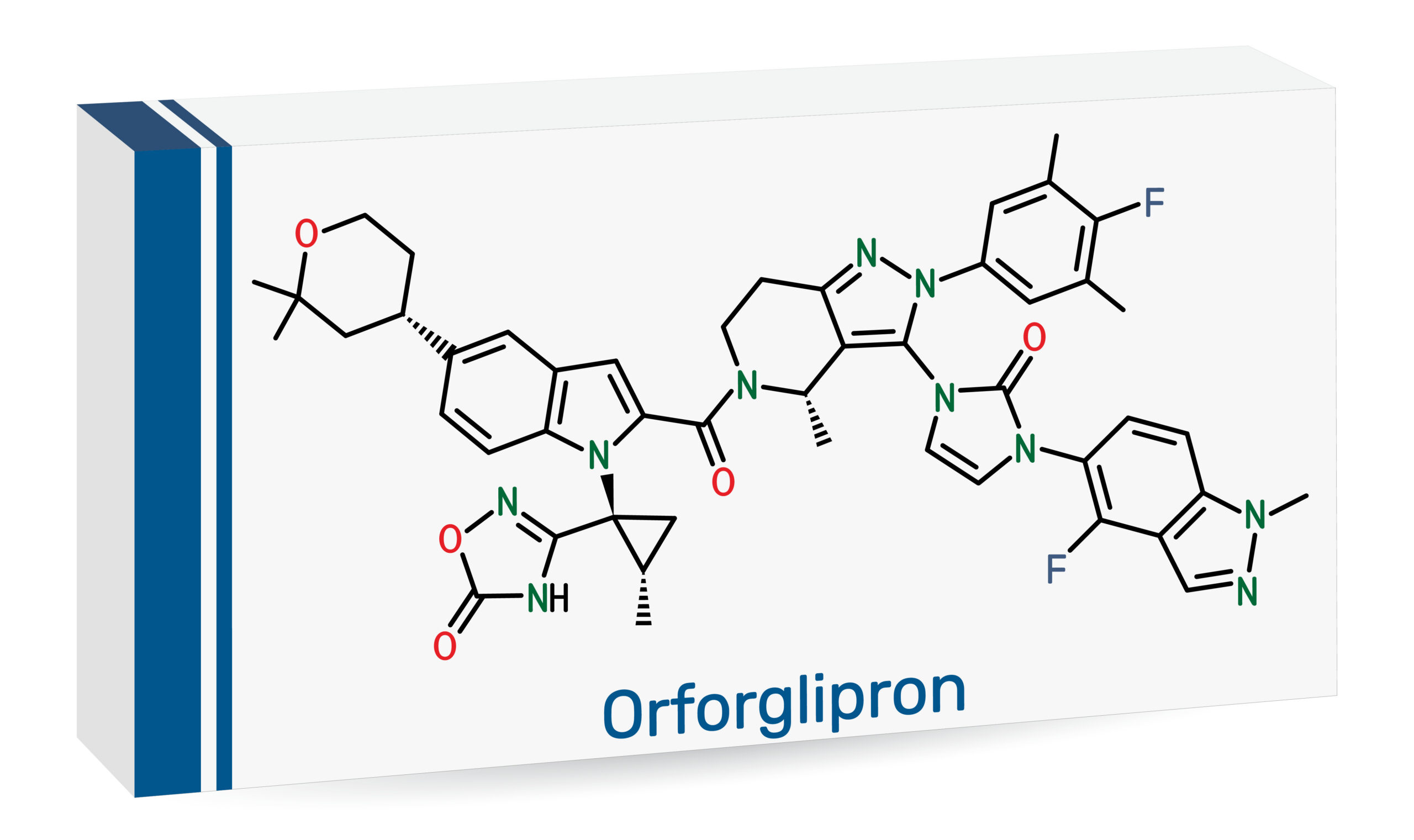
- Metabolic Stability: A primary concern is how quickly the compound is metabolized. High metabolic stability is desirable for maintaining therapeutic concentrations and reducing dosing frequency. Researchers use in vitro models, such as human liver microsomes or hepatocytes, to measure the intrinsic clearance of a drug.
- Metabolite Identification: Identifying the specific metabolites formed is crucial. Some metabolites can be active, toxic, or contribute to adverse effects. Advanced analytical techniques like liquid chromatography-mass spectrometry (LC-MS) are indispensable here.
- Enzyme and Transporter Studies: Beyond CYP enzymes, other metabolizing enzymes (e.g., UGTs, FMOs) and drug transporters (e.g., P-gp, OATP) play significant roles in drug disposition. Assays are conducted to determine if a new drug is a substrate, inhibitor, or inducer of these proteins, as this can have profound implications for its pharmacokinetics and potential interactions with other medications.
- Drug-Drug Interactions (DDIs): Given that patients with metabolic disorders often take multiple medications for comorbidities like hypertension, dyslipidemia, or cardiovascular disease, understanding potential DDIs is paramount. If a new GLP-1 small molecule inhibits or induces a major CYP enzyme, it could alter the efficacy or toxicity of co-administered drugs. For instance, if it inhibits CYP3A4, an enzyme responsible for metabolizing a wide array of drugs, it could lead to dangerously high levels of other medications. Conversely, if it induces a CYP enzyme, it could lead to sub-therapeutic levels of other drugs. Rigorous in vitro DDI studies, followed by clinical DDI trials, are standard practice.
Measuring Ultra-Stable Compounds: The Challenge of Longevity
Some modern GLP-1 agonists, both peptide and small molecule, are engineered for exceptional stability, designed to last weeks in the body. This extended half-life, while beneficial for patients, presents a unique challenge at the bench: "If you get a compound that’s incredibly stable in an in vitro model, it can be very difficult to determine: is it cleared at all?" Ogilvie notes. Standard short-term in vitro assays may not capture the subtle clearance mechanisms of such long-acting compounds.
To address this, specialized systems like HEPATOPAC come into play. HEPATOPAC is a co-culture system of primary human hepatocytes that can maintain liver cell function for extended periods, often 28 days or longer. This allows researchers to observe and quantify the metabolism of ultra-stable compounds over a prolonged duration, providing a more accurate assessment of their long-term clearance and metabolic profile, which might be missed in conventional 2-4 hour incubations.
Beyond GLP-1: The Expanding Horizon of Metabolic Targets
The competitive landscape in metabolic disease treatment is rapidly intensifying. While Lilly’s orforglipron targets GLP-1, other companies are exploring small molecules that modulate additional targets, such as Glucose-dependent Insulinotropic Polypeptide (GIP) receptors and glucagon receptors. Dual (GLP-1/GIP) and triple (GLP-1/GIP/Glucagon) agonists are emerging, aiming for even more comprehensive metabolic benefits, including superior weight loss and glycemic control.
Ogilvie confirms the bustling activity: "It’s not only Lilly… but other companies looking at small molecules against other targets, not only GLP-1 but some of the GIPs, glucagon receptor, and so on. Some of these compounds are coming out of China, so it’s not just US or European companies. Several companies are trying to move their preclinical pipelines into the clinic, and some are even Phase 3 ready at this point." This global race highlights the immense commercial and public health potential of these next-generation therapies.
Beyond the specific receptor targets, the general capabilities required for metabolic research are expanding. "Regardless of modality, we’re looking at things like human adipocyte lipolysis, fatty acid uptake, even glucose uptake," Ogilvie states. These in vitro assays are critical for understanding the mechanistic effects of these drugs on adipose tissue, liver, and muscle – key sites of metabolic dysregulation.
Clinical and Market Implications: A New Era for Patients and Pharma
The arrival of oral GLP-1 small molecules carries profound implications for patients, prescribers, and the pharmaceutical market.
- Enhanced Patient Adherence and Accessibility: The convenience of a pill over an injection is expected to significantly improve patient adherence, leading to better clinical outcomes. This also broadens the potential patient pool, making treatment accessible to individuals who may have been needle-averse or found injections logistically challenging. The global prevalence of Type 2 diabetes is estimated to be over 530 million adults, with obesity affecting over 650 million, indicating a vast untapped market for more accessible therapies.
- Market Dynamics and Competition: With multiple players, including established giants like Eli Lilly and Novo Nordisk, alongside emerging biotechs, the market for GLP-1/GIP agonists is set for fierce competition. This could drive innovation, potentially leading to more effective, safer, and perhaps more affordable options over time. Analysts predict a significant shift in market share towards oral formulations as they become widely available.
- Prescriber Adoption: Healthcare providers are likely to welcome oral options, especially for initiating therapy or for patients struggling with injectables. The simplicity of prescribing a pill integrates more smoothly into existing clinical workflows.
- Reimagining Drug Development: The success of oral small molecules validates decades of research into overcoming the challenges of oral bioavailability for complex targets. This could inspire similar efforts for other challenging drug classes, potentially revolutionizing treatments across various therapeutic areas.
Addressing the Complexities: Immunomodulation and Drug-Drug Interactions
Despite the clear advantages, the unique biological actions of GLP-1 agonists, regardless of modality, introduce complexities that require careful consideration.
- Gastric Emptying: One of the key pharmacological actions of GLP-1 agonists is to slow gastric emptying. While beneficial for satiety and glycemic control, this can significantly affect the absorption rate of other orally administered drugs. If a co-administered drug requires rapid absorption for efficacy (e.g., pain medications, antibiotics), delayed gastric emptying could reduce its peak concentration or overall bioavailability, potentially compromising treatment. Detailed clinical pharmacokinetic studies are essential to understand and manage these interactions.
- Immunomodulatory Effects: Peptides, being larger molecules, can sometimes elicit an immune response. This can lead to the formation of anti-drug antibodies, which may reduce efficacy or, in some cases, cause a cytokine release. Ogilvie warns that "cytokine release can actually suppress the level of some drug-metabolizing enzymes." This suppression, often mediated by inflammatory cytokines like IL-6 or TNF-α, can impair the activity of CYP enzymes, leading to elevated levels of co-administered drugs and increasing the risk of adverse events. While small molecules are generally less immunogenic than peptides, the potential for immunomodulatory effects related to GLP-1 receptor activation itself needs continued scrutiny. The intricate interplay between metabolic regulation and the immune system is an active area of research.
The Road Ahead: Future Directions in Metabolic Disease Treatment
The approval of orforglipron and the expanding pipeline of oral small-molecule GLP-1, GIP, and multi-agonists signify a new chapter in metabolic disease treatment. Research will continue to focus on optimizing these compounds for even greater efficacy, safety, and patient convenience. This includes exploring novel formulations, investigating the full spectrum of their therapeutic potential beyond diabetes and obesity (e.g., non-alcoholic steatohepatitis/MASH, cardiovascular risk reduction), and developing personalized medicine approaches based on individual patient profiles. The companion piece, "Diabetes to MASH: the specimens behind GLP-1’s widening roster," further underscores how the expanding indications for GLP-1 agonists are reshaping the demand for diverse biospecimens in research, from pancreatic islets to liver biopsies, reflecting the multifaceted impact of these drugs.
In conclusion, the shift from injectable GLP-1 peptides to oral small molecules represents a monumental achievement in pharmaceutical science. It not only addresses a long-standing patient preference for oral medication but also fundamentally alters the scientific methodologies and challenges faced by researchers at the bench. This paradigm shift promises to broaden access, improve adherence, and ultimately enhance the quality of life for millions living with metabolic disorders, marking a truly golden era for drug development in this critical therapeutic area.