

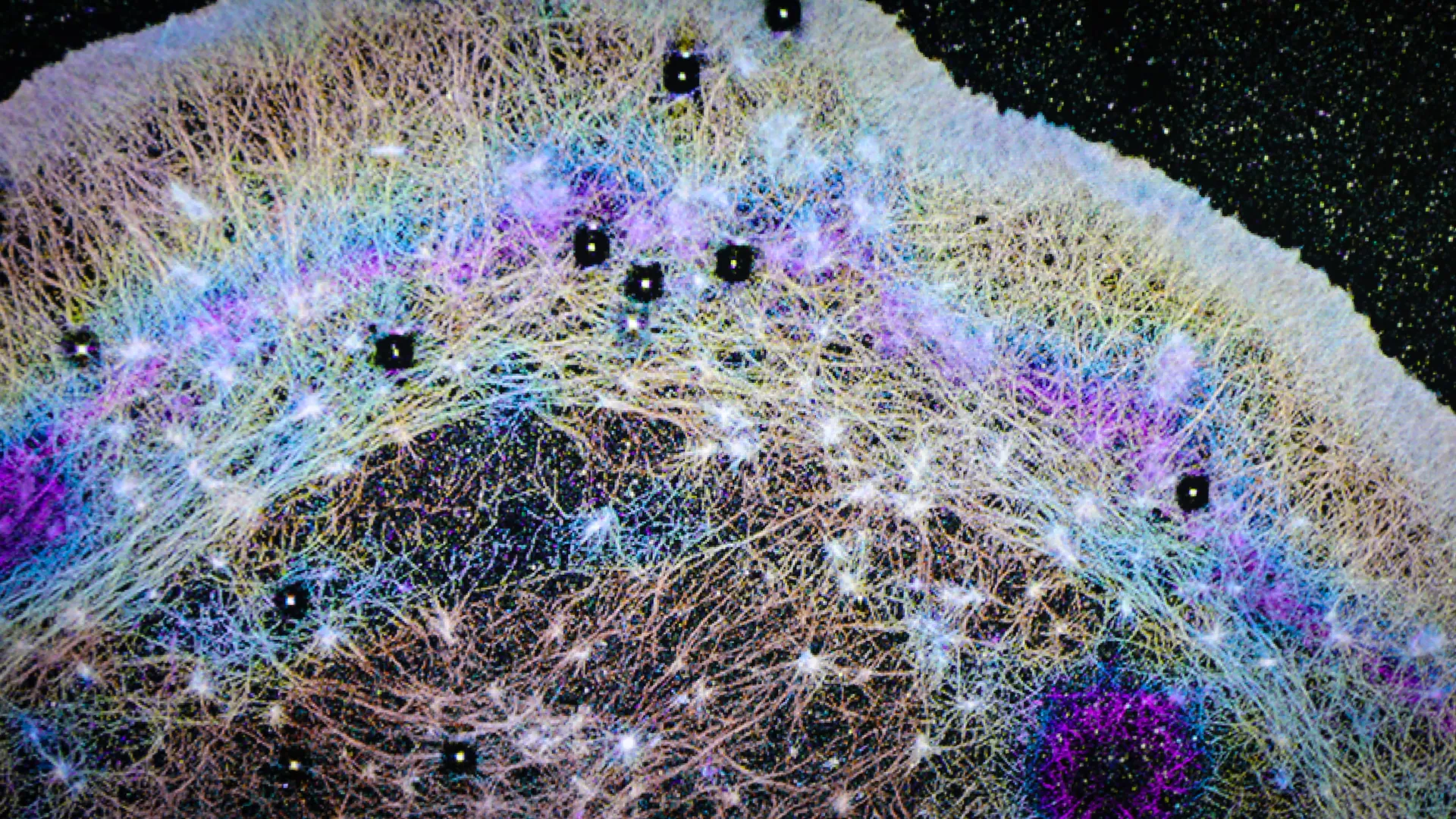
Researchers at Oregon Health & Science University (OHSU) have unveiled a groundbreaking discovery within the intricate architecture of living cells: a previously unrecognized internal system that functions akin to atmospheric "trade winds," rapidly directing essential proteins to the cell’s leading edge. This paradigm-shifting finding, detailed in the prestigious journal Nature Communications, fundamentally alters the scientific understanding of cell movement, the metastatic spread of cancer, and the complex processes of wound healing.
For decades, the prevailing scientific consensus, often depicted in biology textbooks, described intracellular protein transport as a predominantly passive and random process known as diffusion. This model posited that proteins, like molecules in a stirred cup of tea, would gradually spread and eventually reach their designated cellular destinations through sheer chance. However, the OHSU team’s meticulous investigation, born from an unexpected classroom observation, reveals a far more dynamic and orchestrated mechanism. Cells, it appears, actively generate directed fluid flows, creating internal currents that efficiently propel vital proteins toward the forefront, the dynamic region responsible for cell extension, locomotion, and tissue regeneration.
The Genesis of a Discovery: From Classroom Anomaly to Cellular Revelation
The serendipitous origin of this significant breakthrough can be traced back to a neurobiology course at the renowned Marine Biological Laboratory in Woods Hole, Massachusetts. Co-corresponding authors Catherine (Cathy) Galbraith, Ph.D., and James (Jim) Galbraith, Ph.D., were guiding students through a standard experimental protocol when an anomaly emerged, defying established cellular transport theories.
"It actually started out as an unexpected finding," Cathy Galbraith recounted, emphasizing the impromptu nature of the initial observation. "We were just conducting an experiment with students in class." The experiment involved a common technique for probing intracellular protein movement: using a laser to temporarily render a specific strip of proteins invisible within a living cell, thereby allowing researchers to track their subsequent displacement. During this routine exercise, the Galbraiths and their students observed something highly unusual: a distinct dark band, mirroring the initial invisible strip, began to materialize at the anterior edge of the cell – the very region that actively protrudes as a cell navigates its environment.
"We kind of did it for fun and then realized this gave us a way of measuring something that wasn’t able to be measured before," Cathy explained, highlighting the unexpected utility of their experimental setup. This novel observation provided a unique window into intracellular dynamics.
Subsequent rigorous investigation revealed that this prominent dark band at the cell’s leading edge was not a random accumulation. Instead, it represented a wave of soluble actin, a critical protein component in cellular motility, being forcefully and rapidly transported forward. This contradicted the long-held belief that actin primarily reached these crucial regions through the slow, random process of diffusion. The new findings unequivocally demonstrated a distinct and active mechanism at play.
"We realized the cartoon models in textbooks were missing a huge piece," Jim Galbraith stated, underscoring the magnitude of the discrepancy between existing dogma and their empirical findings. "There had to be some kind of flow in the cell pushing things forward. Cells really do ‘go with the flow.’" This eloquent summary encapsulates the essence of their discovery: cells are not passive recipients of molecular traffic but active orchestrators of their internal transport systems.
Cellular Currents: The Mechanics of Directed Protein Transport
The Galbraiths, who joined OHSU in 2013 after distinguished tenures at the National Institutes of Health, brought with them a wealth of experience, including collaborations with Nobel Laureate Eric Betzig, Ph.D., at the Howard Hughes Medical Institute’s Janelia Research Campus. Their work at Janelia focused on pioneering advanced imaging techniques, which proved instrumental in dissecting the newly identified cellular transport system.
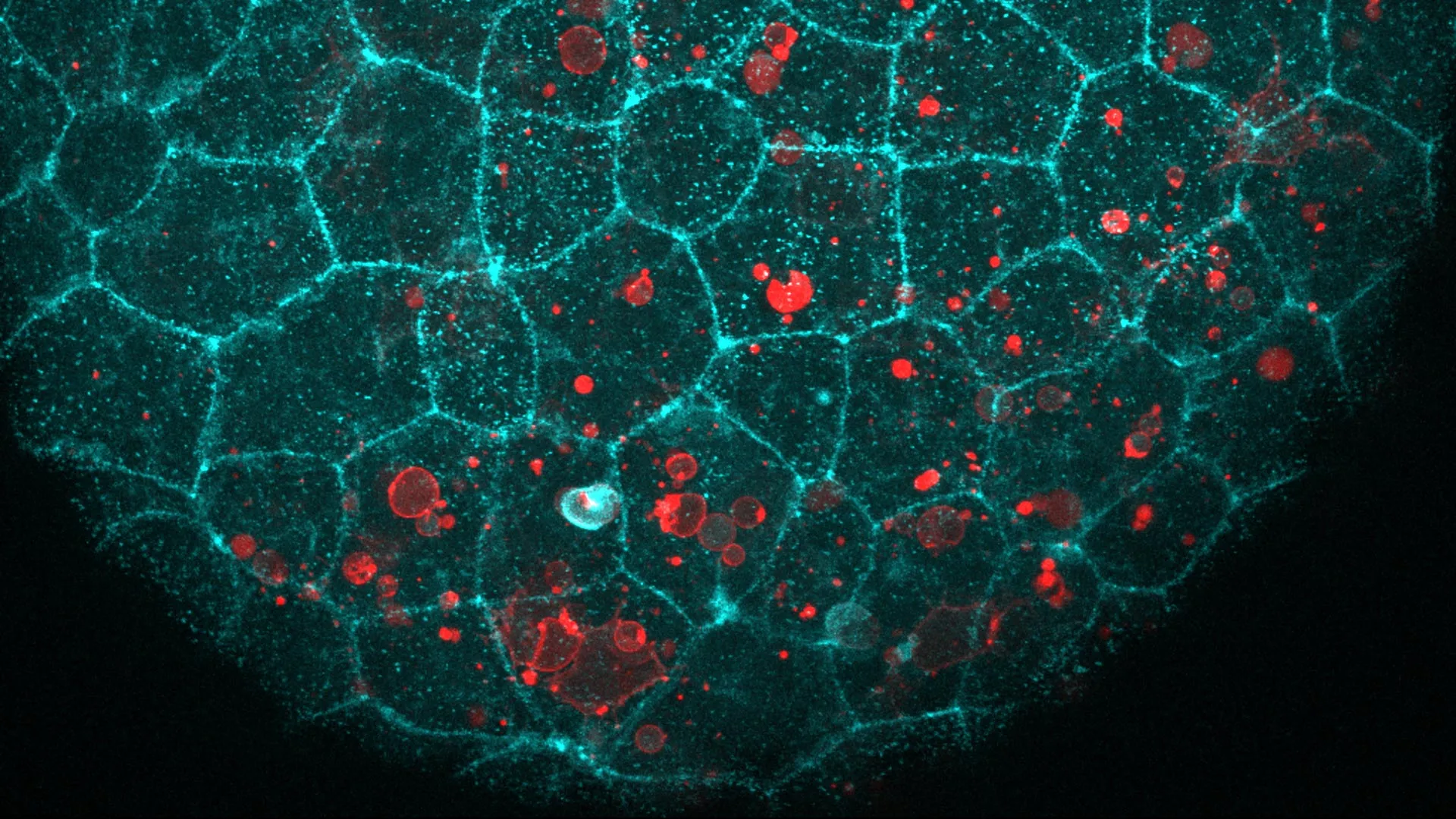
Leveraging sophisticated imaging instrumentation, the OHSU team was able to meticulously visualize the internal cellular dynamics. They identified that cells actively generate directional fluid flows, a process they analogously described as "internal rivers" or "cellular trade winds." These precisely directed currents effectively transport actin and a wide array of other proteins towards the cell’s anterior, achieving a speed and efficiency far exceeding what random diffusion could accomplish.
"We found that the cell can actually squeeze at the back and target where it sends that material," Jim elaborated, providing a vivid analogy. "If you squeeze half a sponge, the water only goes on that half. That’s basically what the cell is doing." This mechanical action at the rear of the cell appears to be the driving force behind the creation of these internal currents, effectively channeling cytoplasmic contents towards the leading edge.
A crucial characteristic of these directed flows is their nonspecificity. Unlike highly targeted transport mechanisms that deliver specific molecules to precise locations, these cellular currents act as broad conduits, capable of carrying numerous types of proteins simultaneously. This broad-spectrum transport system is remarkably efficient, providing the necessary molecular cargo for a multitude of cellular functions, including the extension of cellular protrusions (cell movement), the establishment of cell-to-substrate adhesion, and rapid alterations in cell shape – all fundamental to locomotion, immune responses, and the intricate process of tissue repair.
Furthermore, the researchers pinpointed that these dynamic flows are concentrated within a specialized region at the cell’s forefront. This anterior compartment is delineated from the rest of the cell by a distinct barrier, an actin-myosin condensate. This membrane-less structure acts as a functional boundary, effectively containing and directing the protein-rich fluid to the advancing edge, ensuring an optimal supply of building materials for cellular extension.
Visualizing the Invisible: Innovations in Cellular Microscopy
To achieve the unprecedented visualization of these internal cellular currents, the OHSU team ingeniously adapted a standard fluorescence microscopy technique. Rather than employing a laser to quench fluorescence, as is typical for some tracking experiments, they opted for a method that involved activating fluorescent molecules at a single, precise point and then meticulously tracking their subsequent movement. This novel approach allowed them to map the flow patterns with remarkable clarity.
One particularly successful experimental protocol developed by the team was playfully, yet aptly, named FLOP: Fluorescence Leaving the Original Point. "It wasn’t a flop at all," Cathy quipped, celebrating the success of their innovative methodology. "It was the opposite. It is anything but a flop, because it worked." The efficacy of FLOP and related imaging techniques was paramount in confirming their observations and providing concrete visual evidence of the internal transport system.
Implications for Aggressive Cancer Cell Migration
The discovery of these rapid, directed protein transport systems carries profound implications for understanding and potentially combating aggressive cancer cell migration. The invasive nature of many cancers is characterized by their ability to efficiently move through tissues and metastasize to distant sites. The OHSU findings offer a compelling explanation for this aggressive behavior.
"We know these highly invasive cells have this really cool mechanism to push proteins really fast, really rapidly where they need them at the front of the cell," Jim explained, drawing a parallel between cellular machinery and complex vehicles. "All cells have basically the same components inside, much like a Porsche and a Volkswagen have many of the same parts, but when those parts are assembled into the final machine, they behave and function very differently." This suggests that cancer cells may have evolved to exploit and amplify this inherent cellular transport mechanism, repurposing it for their own invasive agenda.
By deciphering the distinct ways in which cancer cells utilize this internal "trade wind" system compared to normal, healthy cells, scientists may be able to devise novel therapeutic strategies. The goal would be to specifically inhibit or disrupt the enhanced migratory capabilities of cancerous cells, thereby slowing or halting their spread throughout the body.
"If you can understand the differences, you can target future therapies based on how cancer cells and normal cells work differently," Jim emphasized, highlighting the potential for highly specific and effective cancer treatments. This research opens new avenues for targeted drug development, aiming to disarm the cellular machinery that facilitates metastasis.
A Collaborative Endeavor: The Power of Interdisciplinary Science
The realization of this groundbreaking discovery was not the work of a single lab but a testament to the power of interdisciplinary collaboration. The OHSU research team brought together experts from diverse fields, including engineering, physics, advanced microscopy, and cell biology. Crucially, significant contributions and essential instrumentation were provided by collaborators at the Janelia Research Campus in Virginia. Specialists in fluorescence correlation spectroscopy and 3D super-resolution imaging played a pivotal role in validating the findings.
"The instrumentation we needed doesn’t exist in most places," Cathy remarked, underscoring the cutting-edge nature of the technology employed. "Janelia had a one-of-a-kind setup that let us test and confirm what we were seeing." The study heavily relied on advanced imaging tools developed at Janelia, including iPALM (interferometric photoactivated localization microscopy), a technique renowned for its ability to resolve cellular structures at the nanometer scale.
"iPALM allowed us to physically see the compartments," Jim stated, emphasizing the unparalleled resolution provided by this technology. "There’s no other light-based technique that could do that." The ability to visualize these complex internal structures at such fine detail was indispensable for confirming the existence and function of the directed fluid flows and the confining actin-myosin condensate barrier.
The "Pseudo-Organelle": A New Frontier in Cell Biology
The researchers propose a novel classification for this dynamic internal system: a "pseudo-organelle." Unlike traditional organelles, which are membrane-bound compartments like the nucleus or mitochondria, this system functions as a highly organized, albeit non-membranous, functional compartment that plays a critical role in orchestrating cellular behavior. It represents a new category of cellular organization that expands our understanding of how cells compartmentalize and manage their internal processes.
"Just as small shifts in the jet stream can change the weather, small changes in these cellular winds could change how diseases begin or progress," Cathy observed, drawing a powerful analogy to atmospheric dynamics. This highlights the potential far-reaching impact of their discovery, extending beyond cancer to influence fields such as drug delivery, where precise intracellular targeting is crucial, and regenerative medicine, where understanding tissue repair is paramount. The implications also extend to synthetic biology, where researchers aim to engineer novel biological functions.
The team’s concluding sentiment reflects a sense of profound revelation: "All you had to do was look," Cathy stated, implying that the underlying mechanisms were present all along, awaiting the right observational tools and conceptual framework. "The flows were there all along. Now we know how cells use them." This discovery signifies a fundamental shift in our understanding of cellular mechanics, opening new avenues for research and therapeutic intervention.
The coauthors on this seminal study include Brian English, Ph.D., from Janelia Research Campus, and Ulrike Boehm, Ph.D., formerly with Janelia and now affiliated with Carl Zeiss AG in Germany.
This research was generously supported by grants from the National Institute of General Medical Sciences of the National Institutes of Health (Award number R01GM117188), the U.S. National Science Foundation (Award numbers 2345411 and 171636), the W. M. Keck Foundation, the Howard Hughes Medical Institute Janelia Visiting Scientist Program, and the Howard Hughes Medical Institute. Specific support for the iPALM imaging was provided by an award from the Advanced Imaging Center at Janelia, and the structured illumination microscopy (SIM) imaging received partial support from a Core Research Facilities grant from the OHSU School of Medicine.













Leave a Reply