New clinical evidence suggests that the mere act of engaging in a treatment regimen, even one devoid of active pharmacological ingredients, can yield measurable improvements in the physical and cognitive health of the elderly. Researchers at the Università Cattolica del Sacro Cuore in Milan have demonstrated that placebo pills, whether administered deceptively or with the full knowledge of the patient, significantly bolster short-term memory, reduce perceived stress, and enhance physical performance in healthy older adults. The study, published in the International Journal of Clinical and Health Psychology, challenges long-held assumptions about the necessity of concealment in placebo administration and opens new avenues for non-pharmacological interventions in geriatric care.
The research team, led by Diletta Barbiani, Alessandro Antonietti, and Francesco Pagnini, conducted a controlled trial involving 90 healthy older adults over a three-week period. The findings indicate that the "mind-body" connection plays a more substantial role in the aging process than previously quantified. Specifically, the "open-label" placebo group—participants who were told the pills were inactive but could still trigger a positive response—often outperformed both the control group and the group that believed they were taking a real supplement. This suggests that the psychological ritual of self-care and the expectation of improvement can manifest as tangible biological and cognitive gains.
Historical Context and the Evolution of Placebo Research
The placebo effect has been a subject of medical curiosity for centuries, traditionally viewed as a nuisance in clinical trials or a deceptive tool used by practitioners to appease "difficult" patients. Historically, the efficacy of a placebo was believed to depend entirely on the patient’s ignorance; the "lie" was considered the active ingredient. However, over the last two decades, a shift in psychological and medical research has begun to explore the mechanisms of the placebo effect as a legitimate therapeutic pathway.
In the context of aging, the stakes are particularly high. As global populations age, the prevalence of cognitive decline and physical frailty has increased, placing a heavy burden on healthcare systems. Traditional pharmacological treatments for age-related decline often come with significant side effects and high costs. Consequently, researchers have turned their attention to the "role of the mind" in aging. The study conducted in Milan is part of a broader academic effort to understand how self-perception, stereotypes about aging, and psychological expectations influence the rate at which the human body and brain deteriorate.
This specific study was supported by the Age-IT project, funded through Italy’s National Recovery and Resilience Plan (PNRR). The Age-IT initiative is a strategic effort to address the challenges of an aging society by integrating biological, clinical, and psychological research. By focusing on healthy aging, the researchers aim to identify interventions that can preserve independence and quality of life for as long as possible.
Methodology: A Three-Pronged Experimental Design
To isolate the impact of the placebo effect, the researchers recruited 90 community-dwelling older adults. The participants were screened to ensure they were "healthy" in a general sense, meaning they did not have severe neurodegenerative conditions or acute physical disabilities that would skew the results. The cohort was randomly assigned to three distinct groups of 30 individuals each:
- The Control Group: This group received no intervention. They continued their daily routines as usual and served as the baseline for measuring natural fluctuations in performance over the three-week period.
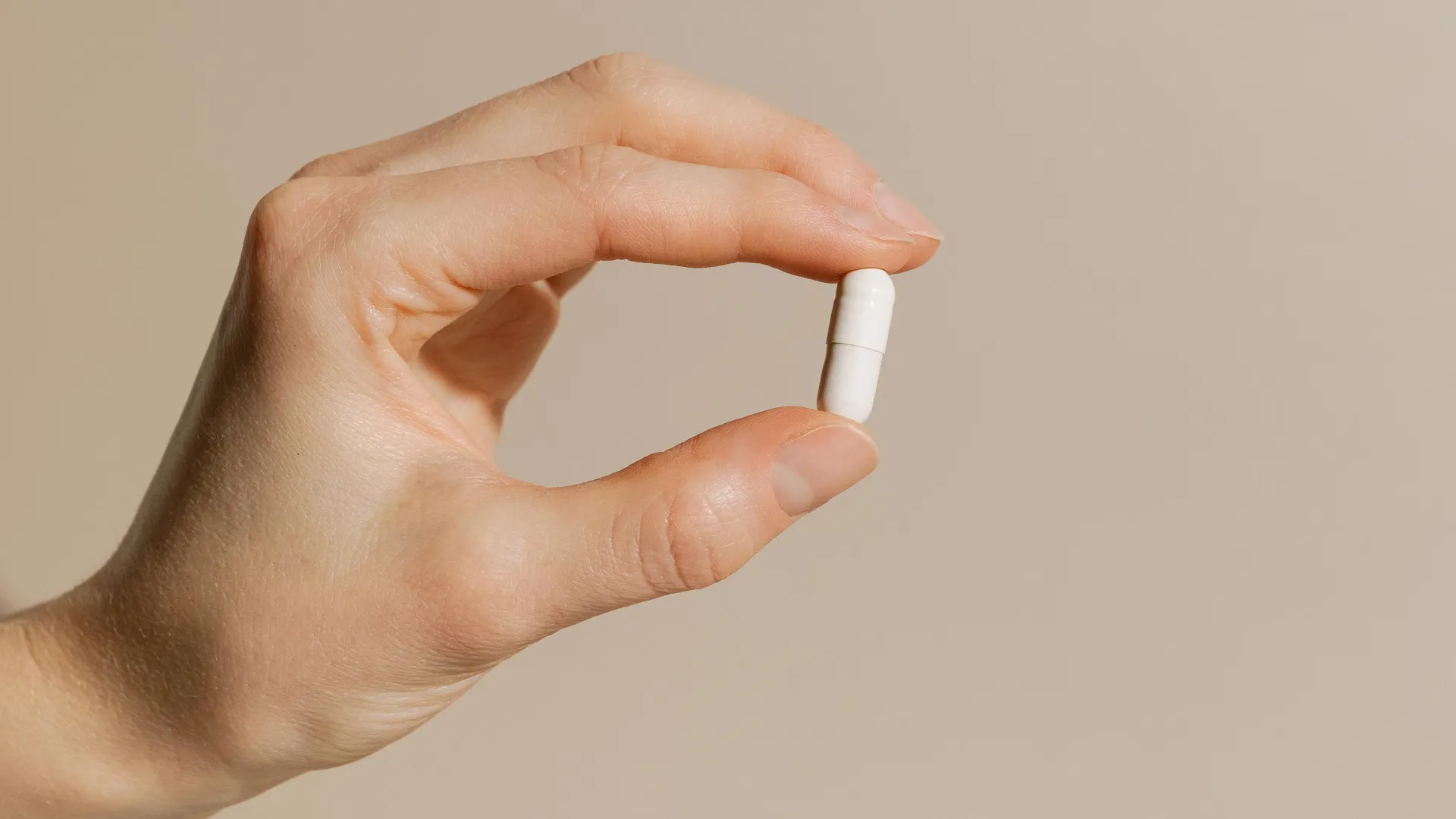
- The Deceptive Placebo Group: Participants in this group were given inert pills but were told that the supplements contained active ingredients designed to enhance well-being, physical strength, and cognitive clarity. This mirrors the traditional understanding of the placebo effect, where "faith" in a drug drives the result.
- The Open-Label Placebo (OLP) Group: Participants were given the same inert pills but were explicitly told that the pills contained no active medication. However, the researchers provided a detailed explanation of the placebo effect, explaining that the body can produce a healing response simply through the ritual of taking a pill and the positive expectation of the mind-body connection.
Over the course of 21 days, participants in the two treatment groups took their pills daily. Before the trial began and immediately following its conclusion, all 90 participants underwent a rigorous battery of assessments. These included standardized psychological questionnaires to measure stress, sleepiness, fatigue, and optimism, as well as objective tests for selective attention, short-term memory (such as digit span tests), and physical performance (including mobility and strength assessments).
Comparative Data: Measuring the "Mind-Body" Impact
The results of the three-week intervention revealed significant disparities between the groups, with the placebo groups showing marked improvements over the control group across nearly every metric.
Physical Performance
In tests measuring physical capabilities, the deceptive placebo group saw a 7% increase in performance. However, the open-label placebo group—those who knew the pills were fake—saw an even higher improvement of 9.2%. This suggests that the transparency of the treatment did not hinder the body’s ability to respond; rather, it may have empowered the participants to engage more fully with the concept of self-improvement.
Cognitive Function and Memory
The cognitive gains were even more pronounced. In short-term memory and selective attention tests:
- Participants who believed they were taking a real supplement (deceptive group) saw scores increase by between 12.6% and 14.6%.
- Participants in the open-label group saw improvements ranging from 6.9% to a staggering 21.5%, depending on the specific cognitive test administered.
Professor Pagnini noted that these effects are not merely "statistically significant" in a vacuum but are comparable to the results typically seen in intensive physical activity programs or dedicated cognitive training exercises. The fact that a simple, inert pill could rival the efficacy of established training protocols underscores the untapped potential of psychological conditioning.
Psychological Well-being and Stress
One of the most striking findings was the reduction in stress. While the deceptive placebo group experienced some benefits, the open-label group reported the most significant decrease in perceived stress levels. Researchers also observed a noticeable reduction in daytime drowsiness and fatigue among both placebo groups. This suggests that the placebo effect may modulate the autonomic nervous system, potentially lowering cortisol levels and improving sleep quality or energy metabolism.
Analysis of the Open-Label Phenomenon
The most revolutionary aspect of the study is the success of the open-label placebo. For decades, the medical community believed that telling a patient a treatment is a placebo would immediately "break the spell" and render the treatment useless. The Milan study adds to a growing body of evidence that the "spell" is not broken by honesty.
Psychologists theorize that open-label placebos work through a combination of "expectancy" and "classical conditioning." Even if a person knows a pill is inert, the act of swallowing it is a behavior that the brain has associated with healing for an entire lifetime. Furthermore, the explanation provided by the researchers—that the mind can influence the body—creates a new expectation. The patient isn’t "fooled" into thinking the pill is a drug; rather, they are "convinced" that their own mind is the drug, and the pill is merely the trigger.
This has profound ethical implications. In clinical practice, deceiving a patient is generally considered a violation of informed consent. If open-label placebos are effective, physicians could theoretically prescribe them without compromising their professional ethics. This would allow for a "non-pharmacological supplement" to standard care, reducing the need for sedatives, stimulants, or other medications that carry a high risk of adverse reactions in the elderly.
Institutional Reactions and Future Directions
The study’s findings have been met with cautious optimism within the European geriatric community. The Age-IT project, which supported the research, views this as a vital step toward a more holistic model of aging. By shifting the focus from "fixing" biological decline to "enhancing" the mind’s resilience, the researchers hope to change the narrative around growing older.
"The study is part of an established line of research in which we analyze the role of the mind in aging processes, which is very important," says Professor Pagnini. He emphasizes that the findings do not suggest that medical conditions can be "thought away," but rather that the psychological environment in which an individual ages can significantly accelerate or decelerate the loss of function.
Independent observers note that while the sample size of 90 is robust for a pilot study, larger, multi-center trials will be necessary to determine if these effects are sustainable over months or years. There is also the question of "habituation"—whether the benefits of a placebo wear off once the novelty of the intervention fades.
Broader Implications for Healthcare Policy
As the results of the Milan study circulate, they may influence how "wellness" programs for the elderly are designed. If the ritual of treatment is as important as the treatment itself, then healthcare providers might place more emphasis on the "delivery" of care. This could involve more frequent check-ins, the use of inert supplements as a form of "cognitive anchoring," or integrated therapies that combine low-dose medication with psychological expectancy training.
Furthermore, the study highlights the detrimental impact of negative stereotypes about aging. When older adults are told that decline is inevitable, their performance often matches that expectation. Conversely, the placebo study suggests that when they are given a "tool" for improvement—even a fake one—their bodies and minds respond to the challenge.
In conclusion, the research from Università Cattolica provides a compelling argument for the integration of psychological insights into geriatric medicine. The significant improvements in memory, stress management, and physical performance observed in the study suggest that the mind remains a powerful, if underutilized, resource in the quest for healthy aging. As the medical community continues to explore the boundaries of the placebo effect, the line between "fake" medicine and "real" healing continues to blur, offering a hopeful prospect for the millions of individuals navigating the complexities of their later years.