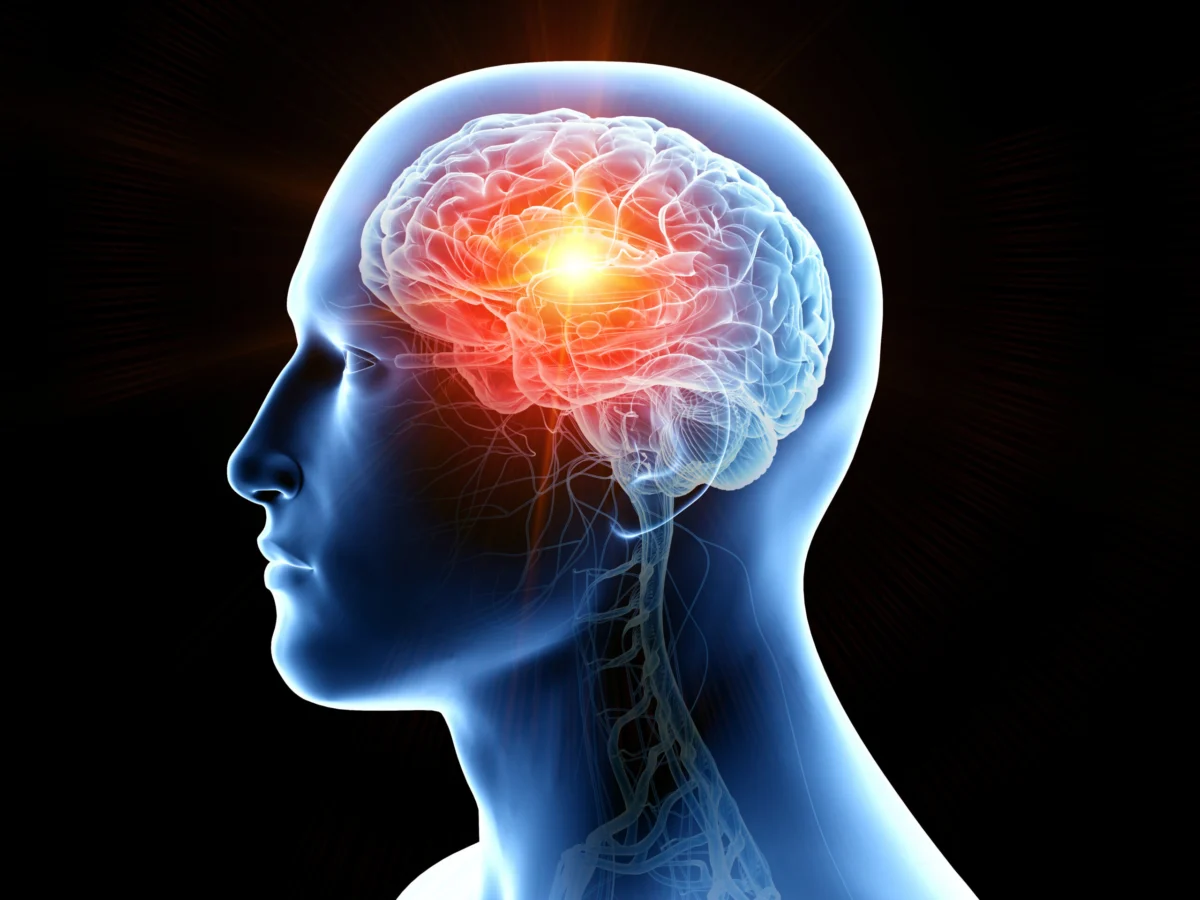
Traumatic brain injury (TBI) stands as a formidable global health crisis, impacting an estimated 69 million individuals each year with devastating acute and long-term consequences. This staggering incidence underscores a critical unmet medical need, particularly given the limited disease-modifying treatments available. While acute management typically centers on stabilizing intracranial pressure and maintaining cerebral perfusion, the enduring secondary pathological processes—including chronic neuroinflammation, progressive neurodegeneration, oxidative stress, and proteinopathy—often persist long after the initial trauma. These insidious processes are increasingly recognized not only as drivers of prolonged symptoms and cognitive decline in TBI patients but also as significant contributors to the heightened risk of developing neurodegenerative conditions like Alzheimer’s disease (AD). The striking overlap in these underlying mechanisms between TBI and AD has spurred a new frontier in therapeutic development, focusing on shared pathological pathways and innovative immune-based interventions.
The global burden of TBI is substantial and multifaceted. Data from the Centers for Disease Control and Prevention (CDC) indicate that falls are the leading cause of TBI, especially prevalent among older adults, accounting for nearly half of all TBI-related hospitalizations. Beyond falls, contact sports, road traffic accidents, and interpersonal violence represent other major contributors across all age groups and demographics. The economic toll is equally immense, with annual costs in the United States alone estimated to be in the tens of billions of dollars, encompassing direct medical expenses, lost productivity, and long-term care. Patients often face a spectrum of chronic issues, from persistent headaches and dizziness to profound cognitive impairments, mood disorders, and increased susceptibility to seizures.
Similarly, Alzheimer’s disease represents an escalating public health crisis. It is the most common cause of dementia, affecting millions worldwide. The Alzheimer’s Association reports that more than 6 million Americans are currently living with AD, and this number is projected to rise dramatically in the coming decades as the global population ages. AD is characterized by progressive memory loss and cognitive decline, ultimately leading to a complete loss of independence. Current treatments for AD are primarily symptomatic, offering modest and temporary relief but failing to halt or reverse the underlying neurodegeneration. This landscape of limited therapeutic options for both TBI and AD highlights an urgent demand for novel, disease-modifying strategies.
Unveiling Shared Pathologies: The TBI-AD Nexus
Recent scientific advancements have illuminated a compelling mechanistic link between TBI and AD, suggesting that brain trauma may act as a catalyst or accelerator for AD-like pathology. Following a TBI, the brain often exhibits hallmarks classically associated with AD, such as the hyperphosphorylation of tau protein, leading to neurofibrillary tangles, and the accumulation of amyloid-beta (Aβ) plaques. These proteinopathies are central to AD progression and are now recognized as critical post-TBI sequelae. Moreover, repetitive or severe TBI has been firmly linked to chronic traumatic encephalopathy (CTE), a distinct progressive neurodegenerative disease characterized by tau protein accumulation, further strengthening the argument for a shared pathophysiological continuum.
A key player in this shared pathology is neuroinflammation, a complex immune response within the brain that, while initially protective, can become chronic and detrimental. In both TBI and AD, persistent activation of glial cells—microglia and astrocytes—contributes to a sustained inflammatory environment that can exacerbate neuronal damage, impair synaptic function, and promote protein aggregation. Oxidative stress, another secondary injury pathway, also plays a significant role, leading to cellular damage and contributing to the neurodegenerative cascade.
The identification of common biomarkers further solidifies the TBI-AD connection. Several inflammatory and neuronal injury markers, detectable in blood, show elevated levels in both conditions, offering potential targets for diagnosis, prognosis, and therapeutic monitoring.
- Glial Fibrillary Acidic Protein (GFAP): An intermediate filament protein primarily found in astrocytes, the star-shaped glial cells that support neurons. Elevated GFAP levels in the blood are a robust indicator of astrocyte activation and injury, surging markedly in the acute phase of TBI and remaining chronically elevated in AD. Its presence signifies ongoing neuroinflammatory processes.
- Neurofilament Light Chain (NF-L): A structural protein of neuronal axons. Its presence in the bloodstream indicates neuronal damage and axonal injury. Like GFAP, NF-L levels rise sharply post-TBI and are consistently elevated in AD, correlating with disease severity and cognitive decline.
- Ubiquitin C-terminal Hydrolase L1 (UCH-L1): A neuron-specific hydrolase involved in ubiquitin pathways, crucial for protein degradation and cellular homeostasis. UCH-L1 is associated with increased levels of phosphorylated tau and abnormal accumulation of amyloid-beta plaques by influencing β-Secretase activity—processes central to AD pathology. Furthermore, UCH-L1 depletes triggering receptor expressed on myeloid cells 2 (TREM2), a receptor on microglia that plays a critical role in modulating neuroinflammation and clearing pathological proteins. This dual role makes UCH-L1 a significant biomarker for both AD and TBI.
- S100 calcium-binding protein B (S100B): Another astroglial protein, S100B acts as a pro-inflammatory mediator. It is upregulated in the acute phase of TBI and chronically elevated in AD, contributing to cognitive dysfunction and neuroinflammation.
The dynamic kinetics of these blood biomarkers, as illustrated in scientific literature (e.g., Figure 1 in the original source, depicting their acute surge and chronic elevation post-TBI), highlight their utility in tracking disease progression and response to intervention. The existence of these shared pathological features and biomarkers suggests that therapeutic strategies capable of modulating these processes could offer benefits across both TBI and AD, representing a powerful convergence in neurological research.
A Serendipitous Discovery: High-Dose NK Cell Therapy’s Promise
Against this backdrop of unmet need, a novel therapeutic approach involving natural killer (NK) cells has emerged with striking potential. NK cells are a vital component of the innate immune system, known for their ability to recognize and eliminate virally infected cells and tumor cells without prior sensitization. Beyond their direct cytotoxic roles, NK cells are also crucial for immune surveillance, clearing pathological material, and regulating inflammatory responses.
The initial breakthrough in the context of neurodegenerative diseases came through a serendipitous observation by researchers at NKGen Biotech, Inc. While administering massive doses of autologous NK cells to oncology patients post-chemotherapy—a strategy aimed at mitigating immune suppression—they noticed an unexpected cognitive stabilization and even improvement in patients who also suffered from co-existing Alzheimer’s disease. This unanticipated finding sparked a new line of inquiry into the neurotherapeutic potential of NK cells.
This led to a subsequent Phase 1 open-label clinical study, which rigorously investigated the repeated intravenous administration of high doses (approximately 6 billion cells per dose) of expanded autologous NK cells in patients diagnosed with mild-to-severe AD. The results were remarkably encouraging. Across various cognitive measures, a significant majority—90% of patients—demonstrated either no decline or a marked improvement over a treatment period ranging from 3 to 12 months. Concurrently, the study observed reductions in key biomarkers associated with neuroinflammation and proteinopathy, including GFAP, phosphorylated tau, and alpha-synuclein, further substantiating the clinical observations with objective molecular evidence.
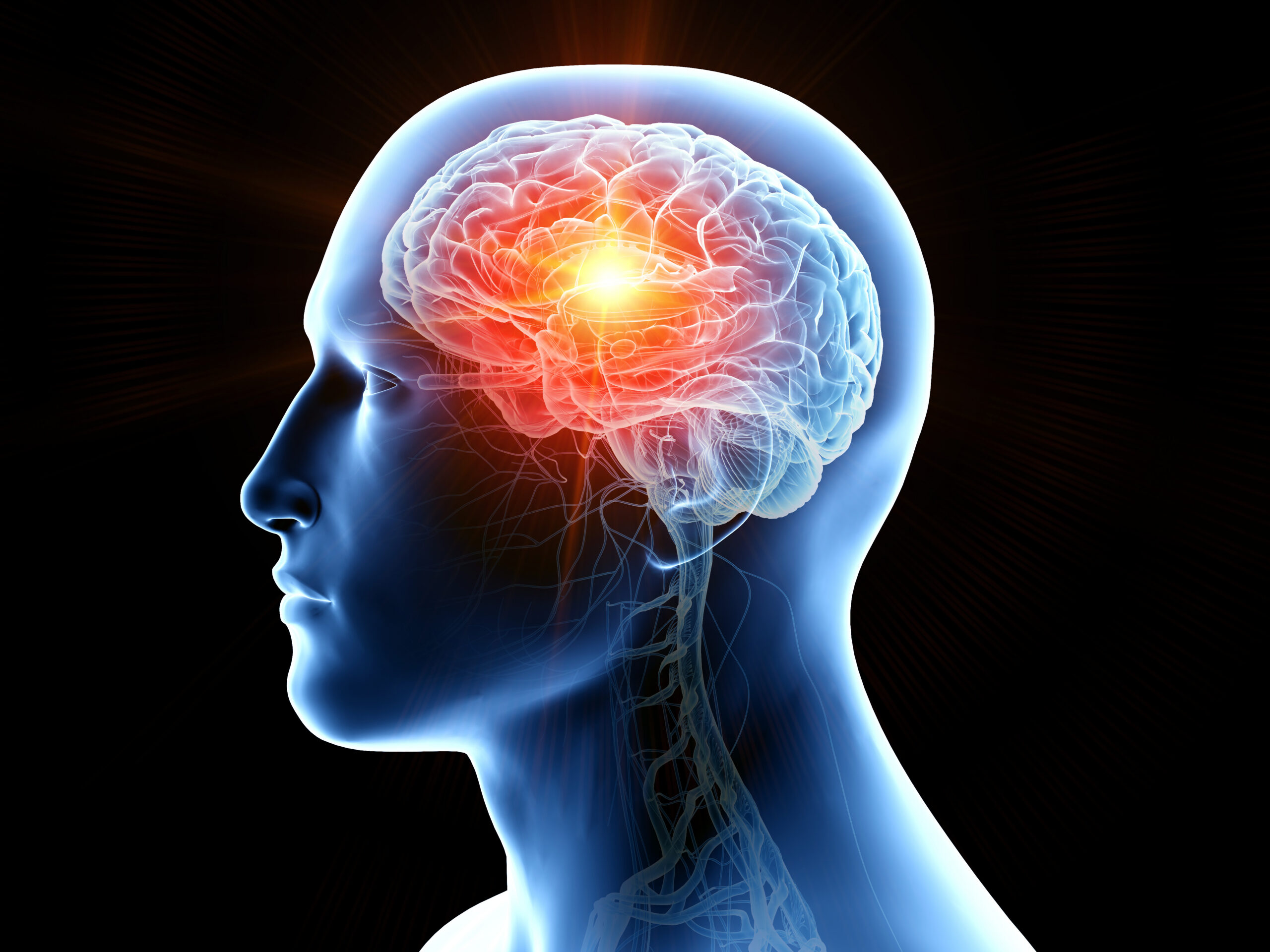
While the precise mechanisms underlying these cognitive and biochemical improvements are still under active investigation, several hypotheses are being explored. NK cells appear to possess the capability to internalize and degrade neurotoxic protein aggregates, such as amyloid-beta and tau, through lysosomal pathways. Furthermore, their immunomodulatory effects are thought to play a crucial role. These include the suppression of pro-inflammatory microglial activity, the production of beneficial anti-inflammatory cytokines, and the potential elimination of autoreactive T-cells that may contribute to neuroinflammation. Such a multi-target mechanism is particularly advantageous in complex conditions like TBI and AD, where numerous secondary injury pathways interact dynamically and simultaneously over time.
Overcoming Hurdles: The Rise of NK Cell-Derived Extracellular Vesicles (NK-EVs)
Despite the considerable promise demonstrated by whole-cell NK therapies, their widespread clinical translation and practical administration present significant logistical and manufacturing challenges. These include the inherent complexity and high cost associated with manufacturing personalized autologous cell therapies, scalability limitations for treating large patient populations, the need for repeated intravenous dosing, and the attrition of cells before they can effectively reach and cross the blood-brain barrier (BBB) to exert their therapeutic effects. The BBB, a highly selective physiological barrier, restricts the passage of most large molecules and cells into the central nervous system, posing a major hurdle for many neurological treatments.
To circumvent these limitations, scientific attention has increasingly turned to extracellular vesicles (EVs). EVs are nanoscale, membrane-bound particles released by virtually all cell types for the purpose of intercellular communication. They act as natural messengers, carrying a diverse cargo of biologically active molecules, including proteins, messenger RNAs (mRNAs), microRNAs (miRNAs), and signaling lipids, all capable of influencing the behavior of recipient cells. Critically, the composition and functional properties of EVs largely reflect those of their parent cells, meaning that EVs derived from NK cells (NK-EVs) can retain many of the immunomodulatory and therapeutic characteristics of their source cells, offering a "cell-free" therapeutic platform.
Evinco Therapeutics, an Australian biotechnology company, is at the forefront of developing NK-EVs as a therapeutic modality for neurological disorders. Preliminary findings reported by Evinco indicate that EVs recovered from cultured NK cells exhibit a potent anti-inflammatory effect on brain-resident immune cells, specifically microglia and astrocytes, which are central to neuroinflammatory processes in TBI and AD. Even more compelling is the observation that NK-EVs strongly induce microglia to internalize and degrade amyloid-beta, suggesting that the direct clearance of these pathological proteins by whole NK cells themselves may not be strictly necessary. This implies that the immunomodulatory and protein-clearing components of NK cell function can be effectively leveraged through their secreted EVs.
NK-EVs offer several distinct advantages over whole-cell therapies:
- Stability and Storage: Unlike living cells, NK-EVs are remarkably stable. They can be freeze-dried and stored at room temperature or shipped without specialized cold chain logistics, significantly simplifying distribution and accessibility.
- Delivery Flexibility: NK-EVs can be delivered via the nasal route as a spray, a highly patient-friendly and non-invasive administration option. This intranasal pathway also offers a more direct route to the brain compared to intravenous administration, as EVs can move along the olfactory nerve bundle, potentially bypassing the formidable blood-brain barrier more effectively. This is a critical advantage for neurological therapies.
- Scalability and Cost-Effectiveness: Since EVs are not recognized as foreign by a recipient’s immune system (due to their native membrane composition), they can be derived from donor cells, enabling large-scale manufacturing at a significantly lower cost than personalized autologous cell therapies. They can be stored as a freeze-dried product, ready for reconstitution simply by adding a solution, potentially even for home administration. This scalability is particularly vital given the enormous global incidence of TBI and the widespread prevalence of AD.
- Reduced Immunogenicity: The "cell-free" nature of EVs means they pose a lower risk of immune rejection compared to whole cells, enhancing their safety profile and enabling allogeneic (donor-derived) applications.
Advancing EV Therapeutics for AD and TBI: The Road Ahead
Evinco Therapeutics is actively pursuing the clinical translation of NK-EVs, collaborating with a major pharmaceutical company to establish proof-of-concept for this therapy in Alzheimer’s disease. Building on the strong overlap in pathological mechanisms and biomarkers, Evinco is also keen to apply the same NK-EV product to traumatic brain injury. TBI presents a particularly attractive target for clinical development due to its defined onset, clear biomarker profiles, and potentially shorter trial timelines compared to the protracted progression of AD.
The current research trajectory for Evinco involves a comprehensive preclinical work plan, encompassing rigorous safety, efficacy, and dose-response studies in relevant animal models, including mice and canines. These studies are crucial for de-risking the therapy and gathering the necessary data to support regulatory submissions. Evinco anticipates having its NK-EV product ready for "first-in-human" studies within the next 15 months, contingent upon the successful completion of ongoing development and regulatory activities. There is considerable interest within the scientific and medical communities regarding these upcoming clinical studies, as they hold the potential to usher in a new era of neurotherapeutic interventions.
The development of NK-EVs represents a significant leap forward in the quest for disease-modifying therapies for TBI and AD. Despite decades of extensive research, there remains a critical and urgent need for treatments capable of repairing damaged neural tissue or fundamentally altering the underlying disease processes, such as chronic neuroinflammation, protein aggregation, and synaptic loss, that drive ongoing cognitive and functional decline. The current lack of such disease-modifying options underscores the imperative for innovative approaches that could restore brain health, mitigate long-term neurological sequelae, and dramatically improve the quality of life for millions affected by these devastating disorders.
This pioneering work by companies like Evinco Therapeutics, leveraging the natural healing and immunomodulatory power of NK cell-derived extracellular vesicles, offers a beacon of hope in a field long challenged by therapeutic limitations. The potential for a scalable, stable, and easily administered therapy that can target multiple pathological pathways simultaneously presents a paradigm shift in how we approach neurodegenerative and neuroinflammatory conditions. The upcoming clinical trials will be pivotal in validating this promise and charting a new course for neurological care.
Dr. Karl Trounson, PhD, serves as a Scientific Advisor, and Prof. Alan Trounson, AO, PhD, is the Founder, CEO, and Executive Chair of Evinco Therapeutics, a biotechnology company dedicated to developing immune-based therapies for neurological disorders. Their expertise and vision are driving this innovative research forward.