For millions worldwide grappling with actinic keratoses (AK), the rough, scaly patches of sun-damaged skin that are precursors to squamous cell carcinoma, the journey toward prevention has long been fraught with discomfort. Standard therapeutic approaches, while effective in lesion clearance, often inflict a significant toll on patients, leaving them to endure weeks of intense redness, peeling, and pain. However, a recent announcement from Rubedo Life Sciences, an AI- and longevity-focused biotechnology startup, heralds a potential paradigm shift with its investigational drug candidate, RLS-1496, which has demonstrated promising efficacy in reducing AK lesions with remarkably minimal irritation in preliminary clinical trials.
The company recently disclosed positive preliminary results from its Phase 1b/2a study of RLS-1496, a selective modulator of glutathione peroxidase 4 (GPX4), in patients suffering from actinic keratosis. The open-label trial, evaluating the first 18 of 24 enrolled patients, revealed a significant 46% reduction in AK lesion count at the four-week mark on treated forearms, starkly contrasting with an 11% reduction observed on untreated contralateral forearms. Crucially, the trial reported no serious adverse events and no patient discontinuations attributable to side effects, addressing a critical unmet need in the management of this widespread dermatological condition.
The Unbearable Burden of Current Actinic Keratosis Treatments
Actinic keratoses represent a pervasive public health challenge. Affecting an estimated 58 million Americans annually, AKs are a direct consequence of cumulative ultraviolet (UV) radiation exposure, leading to abnormal growth of keratinocytes, the predominant cell type in the epidermis. While not cancerous themselves, AKs are considered precancerous lesions, with a documented risk of progressing to invasive squamous cell carcinoma (SCC), the second most common form of skin cancer. The lifetime risk of developing at least one AK is substantial, particularly for individuals with fair skin, a history of significant sun exposure, or weakened immune systems.
Current treatment modalities for AKs, while often effective at clearing individual lesions or affected skin fields, are notorious for their severe localized side effects. These include destructive methods like cryosurgery (freezing with liquid nitrogen) and photodynamic therapy (using light-activated drugs), as well as topical pharmacological agents such as 5-fluorouracil (5-FU, marketed as Efudex or Carac) and imiquimod.
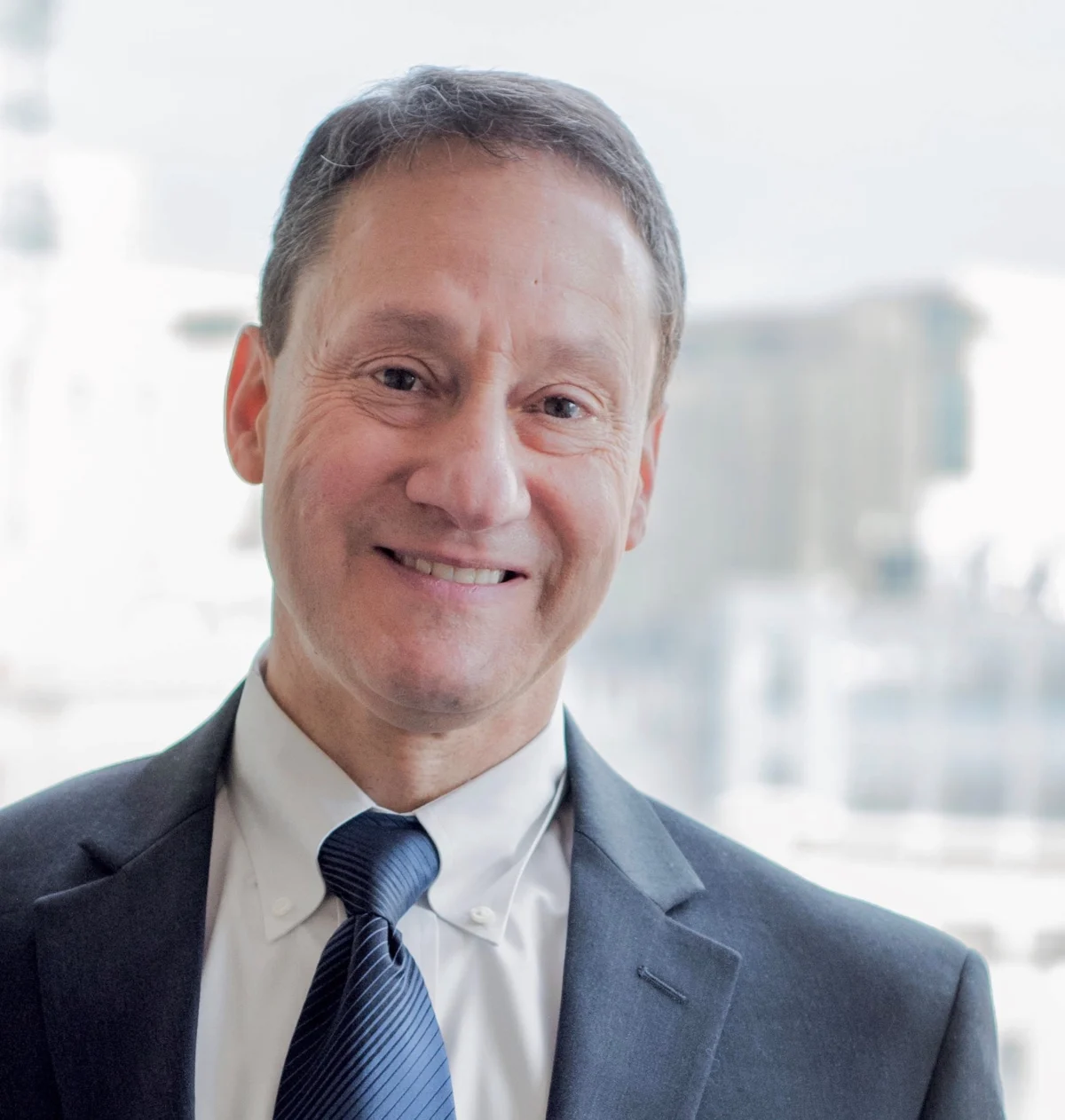
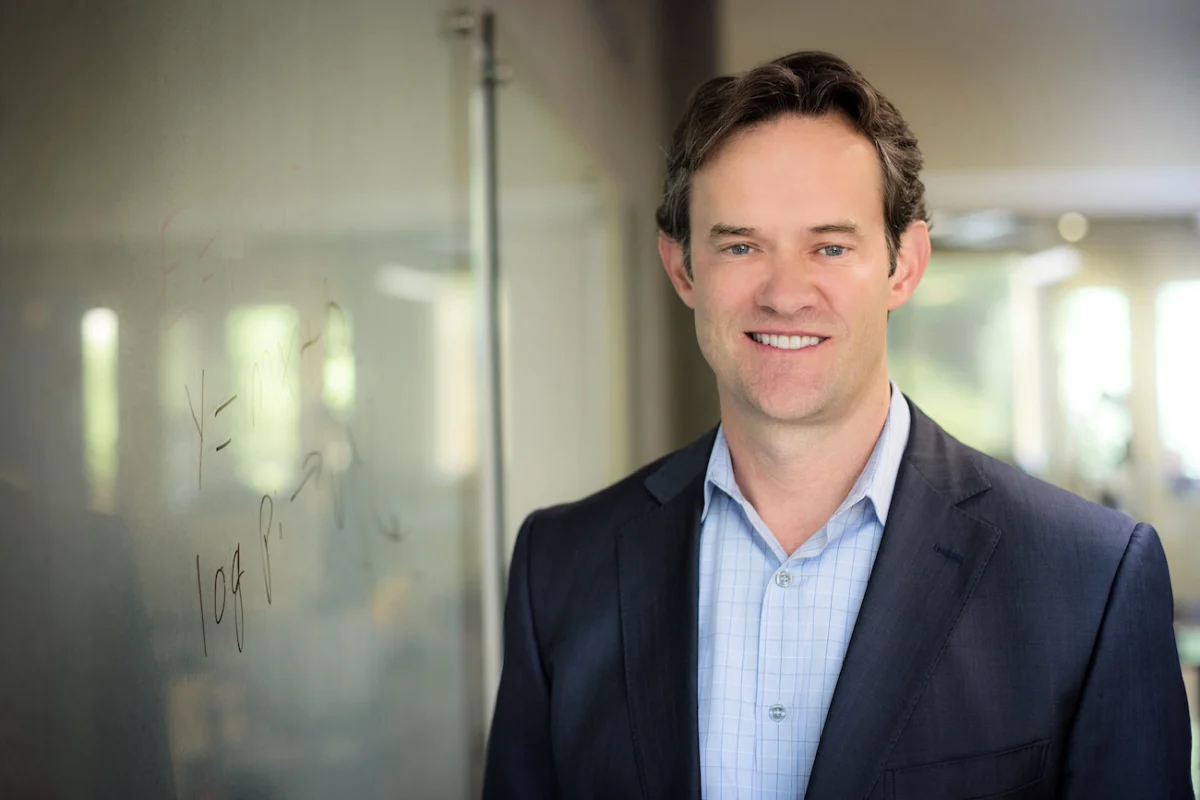
Dr. Frederick Beddingfield III, CEO of Rubedo Life Sciences and a seasoned dermatologist who has personally prescribed these therapies countless times, vividly describes the patient experience. He likens the redness caused by topical 5-FU, a chemotherapy agent, to that of a "CO2 laser treatment, or a blowtorch treatment." The FDA label for Carac, a 0.5% fluorouracil cream, explicitly warns patients to expect application-site reactions including erythema (redness), dryness, burning, pain, erosion, and swelling, further noting that treated areas may appear "unsightly" both during and after the therapeutic regimen. Similar, though sometimes less severe, reactions are also common with imiquimod, an immune response modifier.
The Adherence Crisis: Why Patients Abandon Therapy
The intensity of these side effects has profound implications for patient adherence, a critical factor in the long-term success of AK management. Dermatologists often find themselves in the difficult position of having to tell patients, as Dr. Beddingfield recounts, that "if you don’t get irritation you won’t get improvement." This perceived necessity of discomfort often leads to a significant drop-off in compliance.
Real-world studies underscore this challenge. A 2023 study involving 113 patients revealed that nearly half were non-adherent to their topical AK therapies, with only about a third using their medication precisely as directed. For 5-FU, despite its high efficacy—some studies reporting up to a 90% reduction in lesion counts—the severe irritation it causes frequently compels patients to discontinue treatment prematurely. Even within the controlled environment of clinical trials, adherence remains an issue; a large Dutch trial of field-directed therapies noted that 12% of patients were nonadherent. Furthermore, a separate 2023 study focusing on patients who refused a second course of 5-FU highlighted that the physical and psychological burdens of the side effects were substantial enough to override their concerns about the lesions themselves, illustrating the severe impact on quality of life.
This cycle of treatment, severe side effects, poor adherence, and subsequent recurrence creates a significant ongoing burden for both patients and healthcare systems. "These patients are in your office constantly, because even if you clear the AKs, they come back," Beddingfield noted. "So there’s a compliance issue, a tolerability issue, an appearance issue, and a lot of room for improvement." The economic costs associated with repeated consultations, treatments, and managing complications also contribute to the overall healthcare burden of AK.
Rubedo’s Innovative Mechanism: Targeting Senescent Cells for Skin Rejuvenation
Rubedo Life Sciences aims to disrupt this cycle with RLS-1496. The drug’s mechanism of action represents a fundamental departure from existing therapies, which often rely on broad cytotoxicity or immune stimulation. RLS-1496 operates on a principle Beddingfield refers to as "Nietzschean biology" at the cellular level: "What doesn’t kill you makes you stronger."
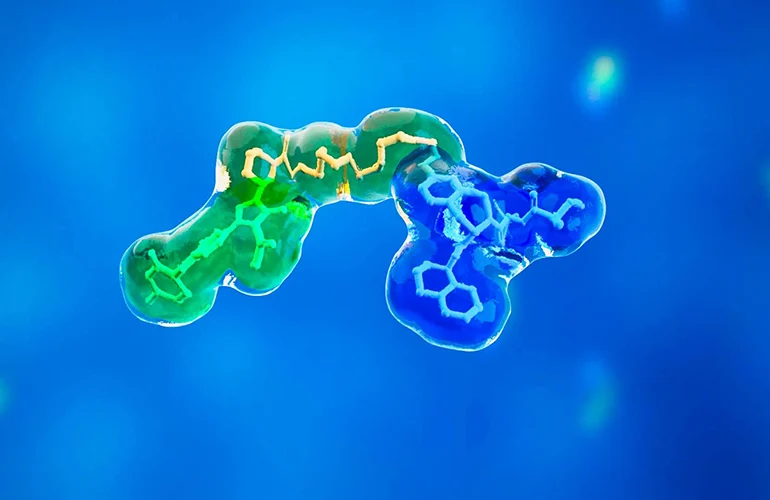
RLS-1496 selectively modulates glutathione peroxidase 4 (GPX4), a selenoenzyme crucial for protecting cells from ferroptosis, an iron-dependent form of programmed cell death. Rubedo’s hypothesis is that briefly inhibiting GPX4 has a dual effect, depending on the cellular state:
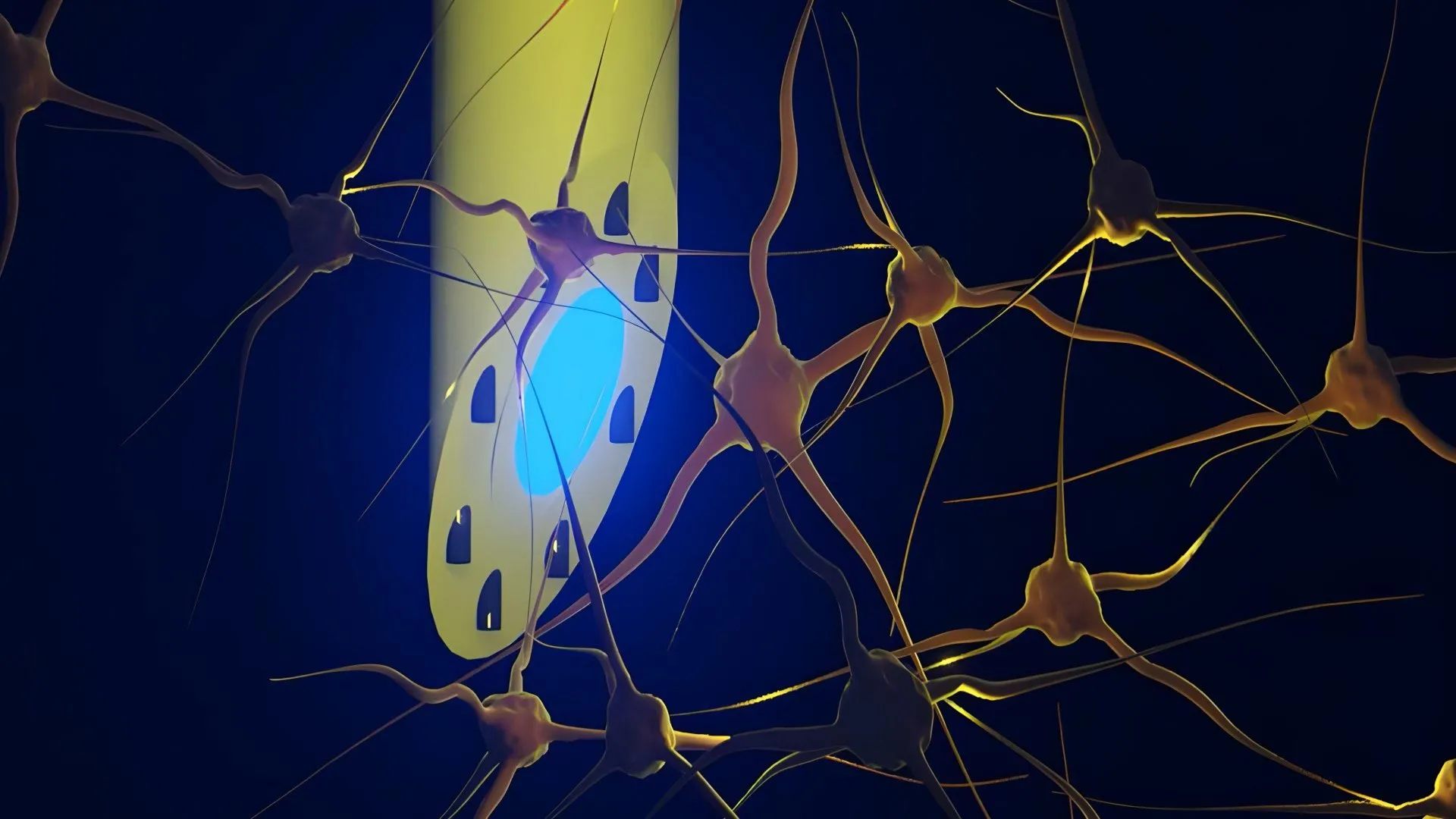
- Clearing Senescent Cells: Senescent cells are aged, dysfunctional cells that have entered a state of irreversible growth arrest but remain metabolically active, secreting pro-inflammatory and tissue-damaging factors. These "zombie cells" accumulate with age and contribute to various age-related pathologies, including skin aging and cancer. In Rubedo’s model, senescent cells, already stressed and stalled in their cell cycle, are pushed into ferroptosis and subsequently cleared from the tissue. This targeted removal of senescent cells is a key tenet of senolytic therapy, a rapidly expanding field in longevity research.
- Adaptive Response in Healthy Cells: Cells that are merely aged but still functional interpret the transient GPX4 inhibition as a mild stressor. This triggers an adaptive response, strengthening their resilience and potentially improving their function, rather than inducing their death.
This sophisticated, cell-state-dependent mechanism offers a distinct advantage: efficacy in eliminating problematic cells (like those contributing to AKs) without collateral damage to healthy tissue, thereby minimizing irritation. The preliminary AK results, showing significant lesion reduction without the "extreme redness" characteristic of other treatments, strongly support this hypothesis.
Beyond Lesion Clearance: The Promise of Regenerative Treatment
Rubedo’s vision for RLS-1496 extends beyond merely clearing existing AK lesions. The trial was deliberately designed to investigate whether the drug could also improve the underlying sun-damaged skin, the very environment that gives rise to AKs. Dr. Beddingfield articulated the ambitious goal: for RLS-1496 to be "almost a regenerative treatment for the skin, potentially preventing future actinic keratoses or skin cancers." He added, with a note of optimism, that "you could essentially turn back the clock on the sun damage most of us did in our teens."
This regenerative potential is rooted in the drug’s senolytic activity. By selectively clearing senescent cells, RLS-1496 aims to rejuvenate the "field cancerization" – the entire area of sun-damaged skin that harbors a predisposition to developing AKs and skin cancers. While the preliminary results released so far focus solely on lesion counts, the crucial readout for skin-aging measurements, which will indicate whether the drug indeed rejuvenates damaged skin, is anticipated within weeks. If these data align with Rubedo’s hypothesis, RLS-1496 could offer a truly preventative and restorative approach to sun damage, rather than just a reactive treatment.
Chronology and Next Steps in Development
The development timeline for RLS-1496 has progressed steadily:
- Recent Past: Rubedo Life Sciences, founded with a focus on AI-driven longevity research, identified GPX4 modulation as a promising target for senolytic therapy.
- Current Stage (May 2026): Preliminary positive results announced for the Phase 1b/2a study in actinic keratosis, based on lesion count data from the first 18 of 24 patients. This marks a critical milestone, validating the drug’s novel mechanism in a human clinical setting.
- Near Future (Within Weeks): Expected readout of skin-aging measurements from the Phase 1b/2a study. This data will be pivotal in assessing the drug’s regenerative potential beyond lesion clearance.
- Future Plans (Q4 2026): Initiation of a Phase 2b dose-ranging study for AK. This larger trial will aim to confirm efficacy and safety in a broader patient population, optimize dosing regimens, and further explore the drug’s impact on skin rejuvenation.
Broader Implications and Market Impact
The potential success of RLS-1496 carries significant implications across several domains:
- Patient Quality of Life: The most immediate and profound impact would be on patients. Eliminating the severe irritation associated with current AK treatments would dramatically improve patient comfort, reduce psychological distress, and, critically, enhance adherence. This could lead to more consistent treatment, better lesion clearance, and a reduced risk of progression to invasive skin cancer.
- Public Health and Skin Cancer Prevention: By offering a tolerable and effective preventative treatment, RLS-1496 could significantly reduce the incidence of squamous cell carcinoma, a growing public health concern. Proactive treatment of sun-damaged skin, rather than reactive treatment of individual lesions, could transform the landscape of dermatological care.
- Dermatology Practice: Dermatologists would gain a powerful new tool that addresses the long-standing challenges of patient compliance and treatment-related discomfort. This could facilitate earlier intervention and a more holistic approach to managing sun-damaged skin.
- Longevity and Anti-Aging Research: Rubedo’s success would further validate the burgeoning field of senolytics and its application in age-related diseases. The ability to selectively clear senescent cells, not just in skin but potentially in other tissues, opens doors for treating a wide array of conditions linked to cellular aging. This positions Rubedo as a key player in the longevity biotech sector.
- Pharmaceutical Market: The market for AK treatments is substantial, driven by an aging global population and continued UV exposure. A drug offering superior tolerability and potential regenerative benefits would command a significant market share, disrupting existing treatment paradigms and creating substantial commercial opportunities.
While the results remain preliminary and further, larger trials are necessary to fully establish RLS-1496’s long-term efficacy, safety, and optimal dosing, the initial data represent a monumental step forward. Rubedo Life Sciences is not merely developing another drug for AK; it is pioneering a novel approach that could redefine the treatment of sun-damaged skin, moving from uncomfortable management to comfortable rejuvenation and robust prevention of skin cancer. The scientific community and millions of patients eagerly await the forthcoming skin-aging data and the commencement of the Phase 2b study, which hold the promise of turning back the clock on sun damage and ushering in a new era of dermatological care.