The biotech sector is experiencing a robust resurgence, marked by significant investment, strategic mergers and acquisitions, and groundbreaking clinical advancements, particularly in oncology. This renewed vitality was on full display at the 2026 ASCO Annual Meeting in Chicago, the world’s largest gathering of oncology professionals, where a confluence of innovative therapies signaled a profound shift in cancer treatment paradigms. After a period of market contraction, the SPDR S&P Biotech ETF (XBI) has demonstrated a remarkable recovery, gaining approximately 69% over the past year, reflecting renewed investor confidence. This financial uplift has fueled a surge in global life sciences M&A, which reached an astounding $240 billion in 2025—an 81% increase from the previous year—with EY reporting a record $2.1 trillion in deal capacity, positioning 2026 for a sharp rise in broader M&A volume, according to Goldman Sachs projections.
The Resurgence of Biotech and Shifting Investment Tides
The current positive market sentiment stands in stark contrast to the preceding "biotech winter," a challenging period characterized by tightened capital markets and a cautious investment landscape. Dr. Christiana Bardon, Managing Partner of MPM BioImpact, a Boston-based biotech investment firm managing roughly $3 billion, observed, "It really wasn’t until Q4 of last year that we started to see a rebound. I’m hoping we’re seeing the return of the generalist investor to the biotech sector." This renewed interest is validated by recent successes, such as Aktis Oncology’s initial public offering in January, which was 18 times oversubscribed. "That tells you how much demand there is for a high-quality, top-class asset priced appropriately," Dr. Bardon added.
However, this capital influx is not uniformly distributed across the biotech ecosystem. A significant trend observed is the disproportionate flow of investment towards clinical-stage, de-risked assets. J.P. Morgan reported a notable decline in early-stage funding, tracking only 50 seed and Series A investments totaling $2.3 billion in Q1 2026, a decrease from 60 investments worth $3.7 billion a year earlier. This trajectory suggests that first-time biotech financings are on pace for their lowest year since before the global pandemic, indicating a more conservative investment approach focused on late-stage validation. Concurrently, large pharmaceutical companies, grappling with patent cliffs and the need to streamline operations, reduced their headcount by over 22,000 jobs in 2025, with these cuts extending into the first half of the current year. This reduction in workforce, while impacting research and development, has paradoxically led to a greater concentration of remaining capital and strategic focus within specific, high-potential therapeutic areas.
Oncology, in particular, has emerged as the prime beneficiary of this concentrated investment. The sector now commands more than a quarter of biotech venture investment by deal value, escalating to roughly 32% from 23% in 2020. This intense focus underscores the immense unmet medical need, the potential for transformative therapies, and the lucrative market opportunities within cancer treatment. The ASCO 2026 Annual Meeting served as a powerful testament to this trend, spotlighting three critical developments poised to redefine the future of cancer care: a revolutionary RAS inhibitor for pancreatic cancer, a Chinese-developed bispecific antibody challenging established immunotherapy giants, and a wave of acquisitions aimed at making advanced cell therapies more accessible.
ASCO 2026: A Confluence of Oncology Breakthroughs
The American Society of Clinical Oncology (ASCO) Annual Meeting is the premier oncology conference globally, attracting tens of thousands of clinicians, researchers, and industry leaders. It serves as a critical platform for disseminating the latest research, unveiling pivotal clinical trial results, and shaping the future direction of cancer care. The 2026 meeting in Chicago was particularly anticipated, coming amidst a backdrop of significant biotech market shifts and accelerating scientific discovery. Beyond the customary updates on existing treatments, the conference was dominated by discussions around truly disruptive innovations.
The three paramount storylines emerging from ASCO 2026 included: the unprecedented efficacy of a RAS inhibitor in metastatic pancreatic cancer, a bispecific antibody demonstrating superior overall survival that could challenge Merck’s dominant Keytruda franchise, and a series of strategic acquisitions highlighting the industry’s drive to transform specialized cell therapies into widely available treatments. These developments collectively signify a move beyond the current immunotherapy backbone, exploring novel mechanisms and delivery platforms that promise to extend patient lives and improve quality of care.
Unlocking the "Undruggable": A New Era for Pancreatic Cancer
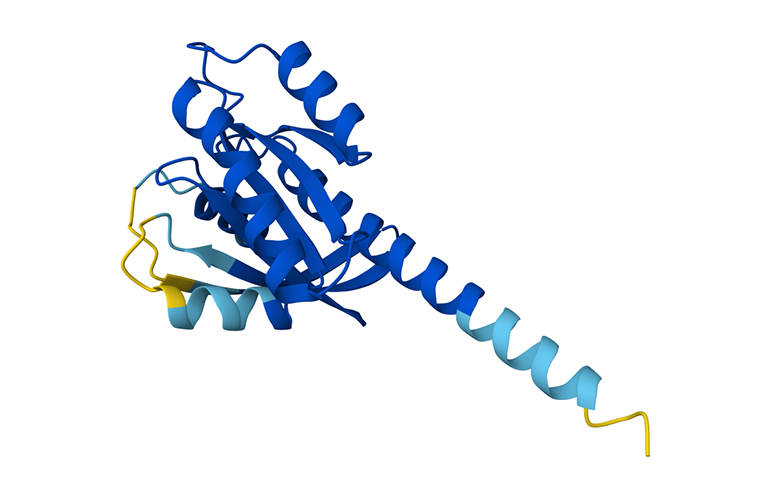
For decades, pancreatic cancer has been one of the most formidable and lethal malignancies, with a five-year survival rate stubbornly in the single digits. A major contributing factor to this grim prognosis has been the RAS family of oncogenes, which drive approximately 90% of pancreatic cancers. These proteins were long considered "undruggable" due to their smooth, hydrophobic structure, earning them the moniker "greasy ball" from scientists like Dr. Bardon, as there were no obvious pockets for therapeutic agents to bind. This changed dramatically with foundational research, notably by UCSF’s Kevan Shokat, who in 2013 identified a druggable pocket on mutant KRAS, and Frank McCormick, who led the NCI’s RAS Initiative, paving the way for targeted therapies.
The ASCO 2026 plenary session on May 31 delivered a long-awaited breakthrough. Revolution Medicines announced that its oral RAS(ON) multi-selective inhibitor, daraxonrasib, nearly doubled median overall survival (OS) in previously treated metastatic pancreatic cancer patients. The Phase 3 RASolute 302 trial demonstrated an OS of 13.2 months for daraxonrasib recipients compared to just 6.7 months for those receiving standard chemotherapy (HR 0.40, p < 0.0001). This represents an unprecedented leap in a disease where therapeutic advancements have historically been incremental at best. The drug’s profound impact led to its designation as an FDA Breakthrough Therapy, accelerating its path to market.
The significance of daraxonrasib’s success cannot be overstated. "We’ve never had a breakthrough before in pancreatic cancer; all we’ve had is mostly failure and very incremental contributions," Dr. Bardon emphasized. She drew a parallel to the transformative impact of EGFR therapies, such as Tagrisso, in lung cancer, which fundamentally altered treatment algorithms and significantly improved patient outcomes. The ability to effectively target RAS, a once-elusive oncogene, opens doors not only for pancreatic cancer but potentially for other RAS-driven malignancies, including subsets of lung and colorectal cancers. This achievement underscores the power of sustained, fundamental research and sophisticated drug design, leveraging advanced tools like AlphaFold 3, which aids in predicting complex protein structures and inhibitor interactions, as seen with KRAS G12C and sotorasib (AMG 510). The successful targeting of RAS mutations represents a paradigm shift, moving pancreatic cancer from a historically untreatable disease to one with a burgeoning therapeutic landscape.
The Ascent of Bispecifics: Challenging Immunotherapy Paradigms
For the past decade, PD-1 inhibitors like Merck’s Keytruda and Bristol Myers Squibb’s Opdivo have been the cornerstone of cancer immunotherapy, generating more than $50 billion in combined annual revenue. Their success revolutionized the treatment of numerous cancers by unleashing the immune system against tumor cells. However, ASCO 2026 presented data for a novel molecule, ivonescimab, a bispecific antibody developed in China, that could be poised to challenge this established dominance.
Ivonescimab simultaneously blocks both PD-1, a checkpoint protein that inhibits T-cell activity, and VEGF (Vascular Endothelial Growth Factor), a protein crucial for angiogenesis (new blood vessel formation) that supports tumor growth. By targeting these two pathways concurrently, ivonescimab aims for a more potent anti-tumor effect. The drug is rapidly advancing through a series of global Phase 3 trials. Summit Therapeutics, which holds the rights to ivonescimab in certain territories, submitted a Biologics License Application (BLA) to the U.S. FDA for its use in EGFR-mutated non-small cell lung cancer (NSCLC) following TKI therapy. The FDA accepted this filing in January 2026, setting a PDUFA date of November 14, 2026.
The most anticipated data at ASCO 2026 was the overall survival (OS) data from the Phase 3 HARMONi-6 trial. This pivotal study compared ivonescimab plus chemotherapy against a PD-1 inhibitor plus chemotherapy in first-line squamous NSCLC. The presentation of these results in a plenary session signified their profound importance. Dr. Bardon admitted that the drug’s efficacy caught many off guard. "I don’t think I would have invested in a company starting this kind of molecule because we had no idea it would work," she stated. "It was only because these drugs are generating clinical data very easily in China that we saw the data and were literally floored."
If the HARMONi-6 overall survival data prove positive, the implications extend far beyond lung cancer. Ivonescimab has already demonstrated strong progression-free survival data against PD-1-based regimens in prior studies. A positive OS outcome at ASCO would solidify its superiority, potentially making it the preferred immunotherapy backbone across many indications where PD-1 inhibitors are currently approved. This competitive threat has not gone unnoticed by the pharmaceutical industry. Dr. Bardon pointed to the AACR pharma partnering event earlier in the year: "Last year, when the ivonescimab data first hit, nobody had a PD-1/VEGF in their pipeline. Surprise, surprise, this year they do." She concluded, "If this trial is positive, no pharma company, especially ones with PD-1s like Merck and BMS, can afford not to have a PD-1/VEGF." This rapid shift in R&D focus underscores the potential for ivonescimab to reshape the multi-billion-dollar immunotherapy market.
Beyond Keytruda: Merck’s Strategy and the Looming Patent Cliff
Merck & Co.’s Keytruda (pembrolizumab) has become an iconic success story in oncology, boasting a franchise that generated $31.7 billion in 2025. Its approval across 38 solid tumor indications has made it a cornerstone of cancer treatment worldwide. However, the drug’s core U.S. patent is set to expire in 2028, marking the largest single patent cliff event in pharmaceutical history. This impending loss of exclusivity presents a significant financial challenge for Merck, prompting strategic maneuvers to mitigate the impact.
One such strategy is lifecycle management, exemplified by the approval of Keytruda Qlex, a subcutaneous formulation of pembrolizumab, in September 2025. Keytruda Qlex can be administered in as little as one minute, a stark improvement over the 30-minute intravenous infusion required for the original formulation. This convenience aims to migrate prescribers and patients to a new, patent-protected version before biosimilars can launch against the original IV formulation. At least seven companies, including Samsung Bioepis, Sandoz, Celltrion, and Amgen, are actively developing pembrolizumab biosimilars, with FDA submissions anticipated as early as this year, signaling an imminent battle for market share.
Merck CEO Rob Davis has publicly expressed confidence in the company’s ability to navigate this transition, stating, "I’m quite confident that we will be in a position at a minimum to go through a very shallow period post the LOE, returning in a few years to growth." This confidence is likely rooted in Merck’s diversified pipeline and the strategic rollout of Keytruda Qlex. However, the competitive landscape is becoming increasingly complex.
The threat to Keytruda’s dominance may not solely come from biosimilars. Analysts at RBC Capital Markets noted in April that "market optimism is building" that ivonescimab’s results "could lead to accelerated FDA approval and begin to erode Merck’s dominance in first-line lung cancer." This dual threat—from generic biosimilars eroding market share and from a potentially superior novel therapy like ivonescimab capturing new patients—presents a formidable challenge for Merck. Dr. Bardon highlighted the scale of this potential disruption: "The LOE will dramatically affect Merck because of the huge revenue that drug generates. But the next chapter of that drug may be PD-1/VEGF. Imagine $60 billion of aggregate revenue across all PD-1s, and now imagine that all being replaced with a new drug targeting PD-1/VEGF. That’s why this is so huge." The outcome of the HARMONi-6 trial and the subsequent market penetration of ivonescimab will significantly influence the future trajectory of the entire immunotherapy landscape and Merck’s strategic responses.
Democratizing Cell Therapy: The In Vivo Revolution
While advancements in small molecules and antibodies garner significant attention, the field of cell therapy is undergoing its own profound transformation. For the nearly 200,000 Americans diagnosed each year with blood cancers, including leukemia, lymphoma, and myeloma, CAR-T cell therapies represent some of the most potent treatments, capable of inducing durable remissions. However, traditional autologous CAR-T therapies, which involve extracting a patient’s T-cells, genetically engineering them in a lab, expanding them, and reinfusing them, face significant limitations: they are slow, incredibly expensive, and confined to highly specialized academic medical centers. This restricts access for many patients and presents logistical hurdles that have capped their broader adoption.
The industry is now racing to overcome these limitations, moving towards "off-the-shelf" and in vivo solutions. This strategic pivot was underscored by a series of high-value acquisitions in late 2025 and early 2026. Eli Lilly’s acquisition of Orna Therapeutics for up to $2.4 billion in February 2026 exemplifies this trend. Orna specializes in using engineered circular RNA paired with lipid nanoparticles to generate CAR-T cells directly inside a patient’s body, thereby eliminating the need for ex vivo cell extraction, engineering, and reinfusion. This groundbreaking approach promises to dramatically reduce manufacturing time, cost, and logistical complexity.
Orna’s acquisition follows a string of similar strategic moves: AbbVie’s $2.1 billion purchase of Capstan Therapeutics, Bristol Myers Squibb’s $1.5 billion acquisition of Orbital Therapeutics, and AstraZeneca’s $1 billion deal for EsoBiotec. These transactions collectively signal a massive industry bet on the future of in vivo cell engineering.
Dr. Bardon described the evolution of cell therapy in three chapters. The first, personalized autologous CAR-T, demonstrated curative potential but struggled with accessibility, cost, and manufacturing. The second chapter, allogeneic cell therapy using donor cells, aimed for an "off-the-shelf" solution but "turned out to be very difficult and not very effective," she explained, largely due to challenges with graft-versus-host disease and rejection. This pushed the field directly to chapter three: programming cells inside the body. MPM BioImpact, an early investor in Orna, recognized this potential. "They use lipid nanoparticles to deliver circular RNA to a cell and make it a CAR-T inside the patient," Dr. Bardon detailed. "This is utterly transformative because it would be off-the-shelf and could be used by community physicians." The promise of in vivo CAR-T lies in its potential to democratize this powerful therapeutic modality, making it accessible to a much wider patient population and integrating it into routine oncology practice, thereby revolutionizing the treatment landscape for blood cancers and potentially beyond.
Conclusion: A New Horizon for Cancer Care
The ASCO 2026 Annual Meeting has underscored a pivotal moment in oncology and the broader biotech industry. The market’s resurgence, coupled with a strategic focus on oncology, is driving unprecedented innovation. From finally cracking the "undruggable" RAS oncogene in pancreatic cancer, to challenging the reign of PD-1 inhibitors with potent bispecific antibodies, and democratizing cell therapies through in vivo engineering, the advancements presented at ASCO promise to significantly alter treatment paradigms. These breakthroughs not only offer new hope for patients battling intractable diseases but also signal a dynamic and highly competitive future for pharmaceutical development. As the industry navigates patent cliffs and pursues ever more sophisticated therapeutic modalities, the emphasis on transformative, accessible, and highly effective treatments will continue to define the next chapter of cancer care.