The Coalition for Epidemic Preparedness Innovations (CEPI) has announced a critical initiative to accelerate the development of three investigational vaccines targeting the Bundibugyo ebolavirus (BDBV), a rare but deadly strain responsible for an ongoing epidemic in the Democratic Republic of the Congo (DRC) and Uganda. This decisive action underscores a global commitment to combat emerging infectious diseases, particularly those for which no licensed vaccines or treatments currently exist. Following an extensive global review and consultations with leading health organizations, including the World Health Organization (WHO) and the Africa Centres for Disease Control and Prevention (Africa CDC), CEPI has selected vaccine candidates from IAVI, Moderna, and the University of Oxford for expedited support.
This fast-tracking is a response to an urgent public health need. There are currently no licensed vaccines specifically for BDBV, nor are any in clinical development prior to this announcement. The virus has historically caused only two documented outbreaks before the current event, leading to a significant gap in research and preparedness for this particular strain. The lack of existing countermeasures amplifies the threat posed by the current epidemic, making CEPI’s intervention a vital step in protecting vulnerable populations.
Understanding the Bundibugyo Ebolavirus Threat
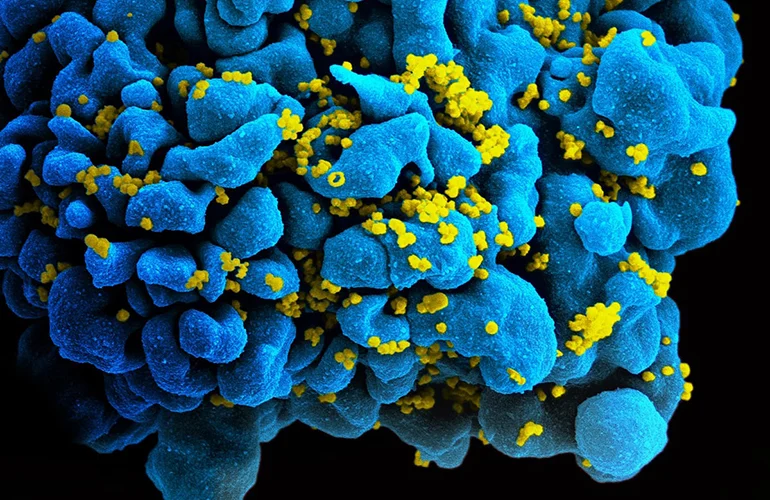
Bundibugyo ebolavirus (BDBV) is one of six recognized species within the Ebolavirus genus, part of the Filoviridae family, known for causing severe and often fatal hemorrhagic fever in humans and nonhuman primates. While the Zaire ebolavirus species is the most infamous, responsible for the largest and deadliest outbreaks, BDBV also poses a significant public health threat, albeit with a typically lower case fatality rate (around 25-50%) compared to Zaire (up to 90%). However, its rarity means there has been less scientific focus and vaccine development effort dedicated to it.
Ebola viruses are transmitted to humans from wild animals, such as fruit bats, and then spread through human-to-human transmission via direct contact with the blood, secretions, organs, or other bodily fluids of infected people, and with surfaces and materials contaminated with these fluids. The symptoms, which typically begin with sudden onset of fever, fatigue, muscle pain, headache, and sore throat, can progress to vomiting, diarrhea, rash, symptoms of impaired kidney and liver function, and in some cases, both internal and external bleeding.
The Democratic Republic of the Congo and Uganda, situated in regions prone to zoonotic spillover events and with challenging healthcare infrastructures, are particularly vulnerable to such outbreaks. Cross-border movements and limited surveillance capabilities can complicate containment efforts, making rapid vaccine development and deployment paramount.
A History of Outbreaks and the Urgency of the Present
The history of Ebola outbreaks underscores the unpredictable nature of these viruses and the constant need for preparedness. The first recognized Bundibugyo outbreak occurred in 2007 in the Bundibugyo District of Uganda, affecting 149 people and causing 37 deaths. A second, smaller outbreak was reported in the DRC in 2012. These limited occurrences, while tragic for those affected, did not trigger the sustained, large-scale research and development efforts seen for more prevalent strains like Zaire ebolavirus. This historical context explains the current void in BDBV-specific licensed vaccines and highlights the critical importance of CEPI’s intervention.
The "fast-tracking" initiative signals the severity of the current situation in the DRC and Uganda. While specific details of the ongoing epidemic (e.g., exact case numbers, precise start date) are not provided in the original announcement, the decision by CEPI, in consultation with WHO and Africa CDC, implies a rapidly evolving and concerning public health emergency. The race against time is a recurring theme in infectious disease outbreaks, and as Richard Hatchett, CEO of CEPI, emphasized in a press release, "With Bundibugyo virus spreading rapidly and no licensed vaccines, every day counts in the race against this deadly disease. CEPI’s urgent funding and support for these three promising candidates aims to advance safe, effective vaccines to help control this epidemic." This statement frames the current BDBV epidemic as a dynamic and escalating threat demanding immediate and coordinated action.
CEPI’s Strategic Role in Global Health Security
The Coalition for Epidemic Preparedness Innovations (CEPI) was formed in 2017 to accelerate the development of vaccines against emerging infectious diseases and ensure equitable access to these vaccines for people during outbreaks. Its mission is particularly crucial for diseases like BDBV, which often lack commercial incentives for pharmaceutical companies due to their rarity and localized impact. CEPI’s funding model, supported by public, private, and philanthropic investors, de-risks vaccine development for pathogens that might otherwise be neglected.
CEPI’s decision-making process for selecting vaccine candidates is rigorous, involving a global review of scientific data and extensive consultations with international health bodies. This collaborative approach ensures that the most promising candidates, based on scientific merit and feasibility of development, receive the necessary support. By providing significant financial backing and technical expertise, CEPI bridges the gap between early-stage research and late-stage clinical trials and manufacturing, a critical bottleneck in the vaccine development pipeline, especially for epidemic-prone diseases.
The Three Frontrunners: Diverse Technologies, Shared Goal
The three selected vaccine candidates represent different technological platforms, each bringing unique strengths and previous successes to the challenge of BDBV. This diversified portfolio approach increases the likelihood of successfully developing an effective vaccine.
IAVI’s rVSV Vaccine: Leveraging Proven Technology
The vaccine candidate from IAVI (International AIDS Vaccine Initiative), originally developed at The University of Texas Medical Branch, utilizes a recombinant vesicular stomatitis virus (rVSV) platform. This technology involves genetically engineering the vesicular stomatitis virus to express a protein from the target pathogen (in this case, BDBV), thereby eliciting an immune response without causing disease. A significant advantage of the rVSV platform is its ability to induce protective immunity after a single dose, which is crucial for rapid outbreak response.
This platform is not new to the fight against Ebola. It is the same technology employed in the only licensed Zaire ebolavirus vaccine, Ervebo (rVSV-ZEBOV), which has been instrumental in controlling outbreaks of that strain. Furthermore, an rVSV-based vaccine was deployed during a 2025 Sudan virus outbreak in Uganda, demonstrating its adaptability and effectiveness against related filoviruses in real-world epidemic settings.

While IAVI’s BDBV candidate has shown promising protective efficacy in non-human primate studies, it has not yet undergone evaluation in humans. The WHO has identified this candidate as the most promising among those selected by CEPI, indicating a strong scientific basis for its potential. CEPI’s investment of $3.2 million will specifically support critical early-stage manufacturing steps, including the generation of a Master Virus Seed stock and the transfer of processes to a contract development and manufacturing organization (CDMO) for Good Manufacturing Practice (GMP) production. GMP standards are essential for ensuring the quality, safety, and efficacy of pharmaceutical products, paving the way for human clinical trials.
Moderna’s mRNA Platform: A Post-Pandemic Pivot
Moderna’s candidate leverages the groundbreaking mRNA (messenger RNA) platform, a technology that gained global prominence and proved its unprecedented speed and efficacy during the COVID-19 pandemic. mRNA vaccines work by delivering genetic instructions to human cells, prompting them to produce a harmless piece of the virus’s spike protein, which then triggers an immune response. The inherent flexibility and rapid manufacturing potential of mRNA technology make it highly suitable for responding to emerging threats.
CEPI is investing a substantial sum, up to $50 million, into Moderna’s BDBV vaccine candidate. This funding is earmarked for preclinical testing, Phase 1 clinical trials, and crucially, simultaneous manufacturing. The "simultaneous manufacturing" approach, also known as ‘at-risk’ manufacturing, means that vaccine doses are produced even before Phase 1 trials are completed. This aggressive strategy aims to dramatically cut down the time to availability if Phase 1 results are positive, allowing the program to advance immediately into Phase 2 and Phase 3 trials without delay.
Moderna’s CEO, Stephane Bancel, affirmed the company’s commitment, stating, "We will move with urgency and scientific rigor to support the response and help bring a potential vaccine closer to the communities that need it most." This reflects a strategic alignment with CEPI’s mission and a recognition of the platform’s potential beyond COVID-19.
Strategic Financial Implications for Moderna and Public Health
The CEPI investment carries significant strategic implications for Moderna. Following the peak of the COVID-19 vaccine demand, Moderna’s revenue has seen a notable decline, with fourth-quarter revenue last year down 30% year-over-year. The first quarter of 2026 brought in $0.4 billion, with approximately 80% derived from international markets. In 2025, the company reported spending $3.1 billion on research and development expenses against a total revenue of $1.9 billion, indicating substantial investment in its pipeline.
CEPI’s grant effectively "offloads the cost of a commercially risky program" for Moderna. Developing a vaccine for a rare and localized pathogen like BDBV presents a challenging commercial proposition, as the potential market size and return on investment are typically small. This partnership allows Moderna to continue proving and refining its mRNA technology, accumulate valuable clinical data for its broader filovirus vaccine pipeline (which could include vaccines for other Ebola strains or Marburg virus), all at little financial risk to the company. It exemplifies how public-private partnerships can incentivize critical R&D for neglected diseases that might otherwise be overlooked by market forces alone.
A Divergent Path: mRNA Research Funding
This significant investment by CEPI in Moderna’s mRNA technology for BDBV vaccine development stands in stark contrast to certain policy decisions made by the U.S. government. In August 2025, the Trump administration reportedly terminated 22 contracts focused on developing mRNA vaccines and wound down additional federal investments in mRNA technology. This divergence highlights differing strategic priorities in pandemic preparedness and vaccine innovation. While CEPI, a global entity, emphasizes the continued development and diversification of advanced vaccine platforms for future threats, some national governments have scaled back investments, potentially impacting long-term readiness for novel pathogens.
University of Oxford’s ChAdOx1 Platform: A Broad-Spectrum Approach
The University of Oxford’s vaccine candidate is based on the ChAdOx1 viral vector platform. This technology uses a weakened common cold virus (adenovirus) found in chimpanzees, which has been modified so it cannot grow in humans, to deliver genetic material from the pathogen. This platform is well-established, having been successfully deployed in the AstraZeneca COVID-19 vaccine, which played a crucial role in the global pandemic response.
A key advantage of the ChAdOx1 platform is its demonstrated efficacy against a range of related filoviruses, including Zaire ebolavirus, Sudan virus, and Marburg virus. This broad-spectrum potential suggests its robustness and adaptability in tackling different threats within the same viral family. CEPI has invested $8.6 million in Oxford’s candidate, covering essential preclinical testing, the creation of a Master Virus Seed stock, and the production of clinical-grade doses necessary for human trials.
The Road Ahead: From Development to Global Access
As work on these three promising candidates begins, CEPI maintains a proactive stance by continuing to evaluate additional candidates, including through an ongoing open call for proposals. This comprehensive strategy ensures that no viable option is left unexplored in the pursuit of effective BDBV countermeasures.
Crucially, CEPI’s efforts extend beyond vaccine development. The organization is actively coordinating with key global health partners, including Gavi, the Vaccine Alliance, the World Bank, and various development finance institutions, to ensure that surge financing mechanisms are in place. This foresight is critical for enabling large-scale procurement and equitable distribution of any successful vaccine once trials conclude. The goal is not just to develop a vaccine, but to ensure it reaches the communities that need it most, particularly in resource-limited settings in the DRC and Uganda.
The successful development and deployment of a BDBV vaccine would represent a significant victory for global health security, demonstrating the power of collaborative innovation in tackling neglected diseases. It would also strengthen the world’s preparedness framework for future outbreaks, providing valuable lessons for responding to "Disease X" – the unknown pathogen that could trigger the next pandemic. This multi-faceted approach, encompassing research, development, manufacturing, and future access planning, is essential to safeguarding populations against the ever-present threat of emerging infectious diseases.