A collaborative study conducted by researchers at the University of Michigan and the University of California San Diego has identified a critical mechanism that explains how breast cancer cells persist in a dormant state within the bone marrow, only to resurface years later as aggressive, treatment-resistant tumors. The research, published in the Journal of Clinical Investigation, provides a profound look into the cellular "smuggling" operation that allows cancer cells to evade targeted therapies and survive in a hostile environment. By focusing on the interaction between cancer cells and the bone marrow microenvironment, the study offers a potential roadmap for preventing the recurrence of estrogen receptor-positive (ER+) breast cancer, which remains a leading cause of cancer-related mortality among women.
The Challenge of Estrogen Receptor-Positive Breast Cancer
Estrogen receptor-positive (ER+) breast cancer is the most prevalent subtype of the disease, accounting for approximately 70% to 80% of all breast cancer diagnoses. While advancements in early detection and targeted hormonal therapies, such as Tamoxifen and aromatase inhibitors, have significantly improved survival rates, the threat of recurrence remains a persistent shadow for survivors. Unlike some forms of cancer that recur quickly if treatment fails, ER+ breast cancer is known for its ability to remain dormant for exceptionally long periods.
Patients who have been in remission for five, ten, or even twenty years may suddenly face a relapse. This phenomenon is driven by disseminated tumor cells (DTCs) that migrate from the primary tumor in the breast to distant sites in the body during the early stages of the disease. The bone marrow is one of the most common "sanctuaries" for these cells. Once they reach the marrow, they enter a state of quiescence, or "sleep," where they are shielded from the effects of chemotherapy and hormonal treatments that target actively dividing cells.
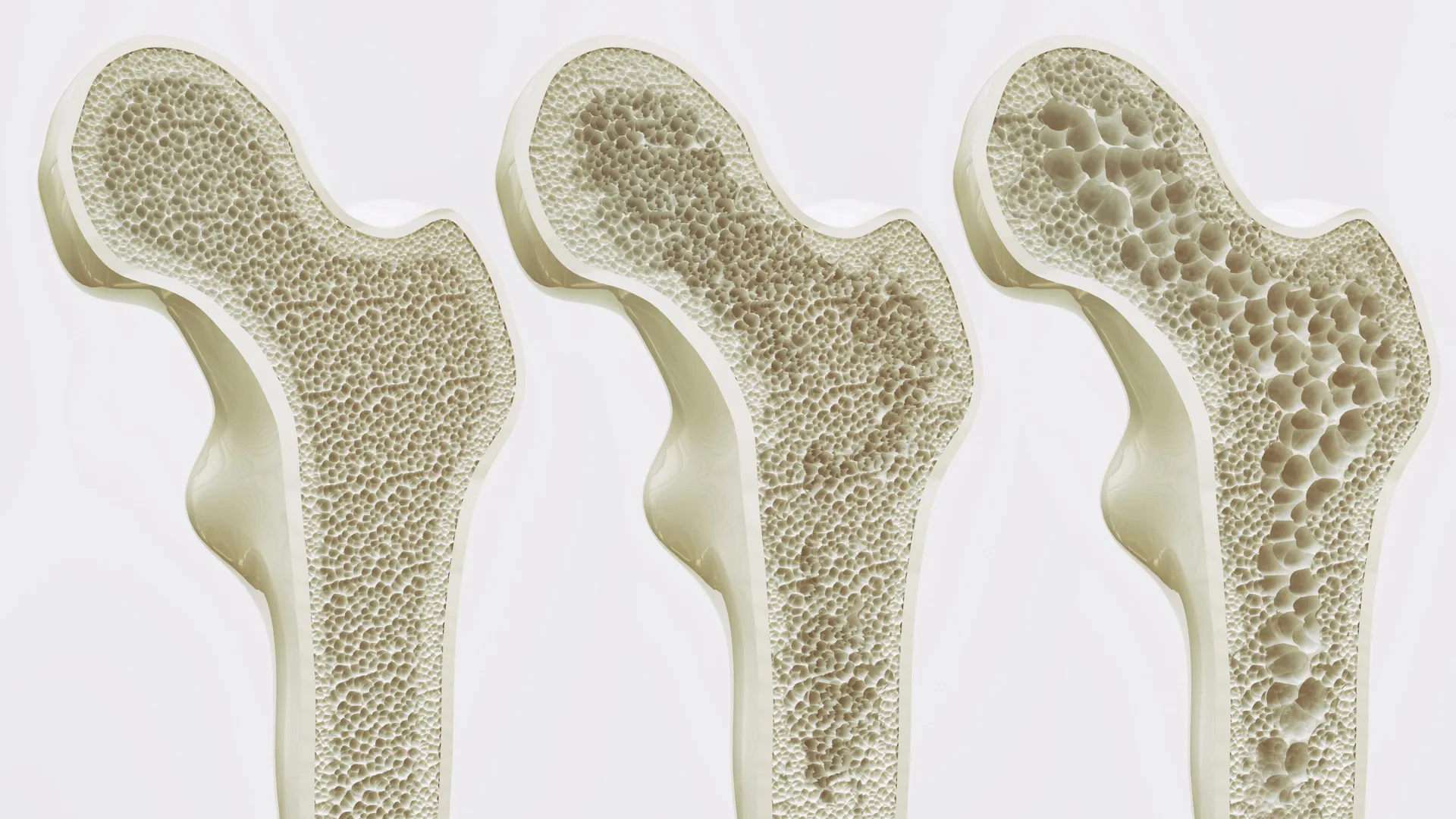
According to the study, approximately 40% of patients with ER+ breast cancer eventually experience a recurrence. When these "sleeper cells" reawaken, the resulting disease is often far more aggressive than the original tumor. The recurrence frequently manifests as metastatic bone cancer, leading to debilitating symptoms such as pathological fractures, severe pain, and hypercalcemia—a condition where calcium levels in the blood are dangerously high due to bone degradation. Furthermore, once the cells have been "reprogrammed" in the bone marrow, they can spread to other vital organs, resulting in metastatic disease that is currently considered incurable.
The Discovery of Cellular Tunnels and Molecular Smuggling
The research team, led by Gary Luker, M.D., of the University of Michigan, and Pradipta Ghosh, M.D., of UC San Diego, sought to understand the specific biological interactions that allow cancer cells to survive and evolve within the bone marrow. Their investigation focused on the relationship between breast cancer cells and mesenchymal stem cells (MSCs), a type of multipotent stromal cell found in the bone marrow that normally aids in the repair and regeneration of bone, cartilage, and fat tissues.
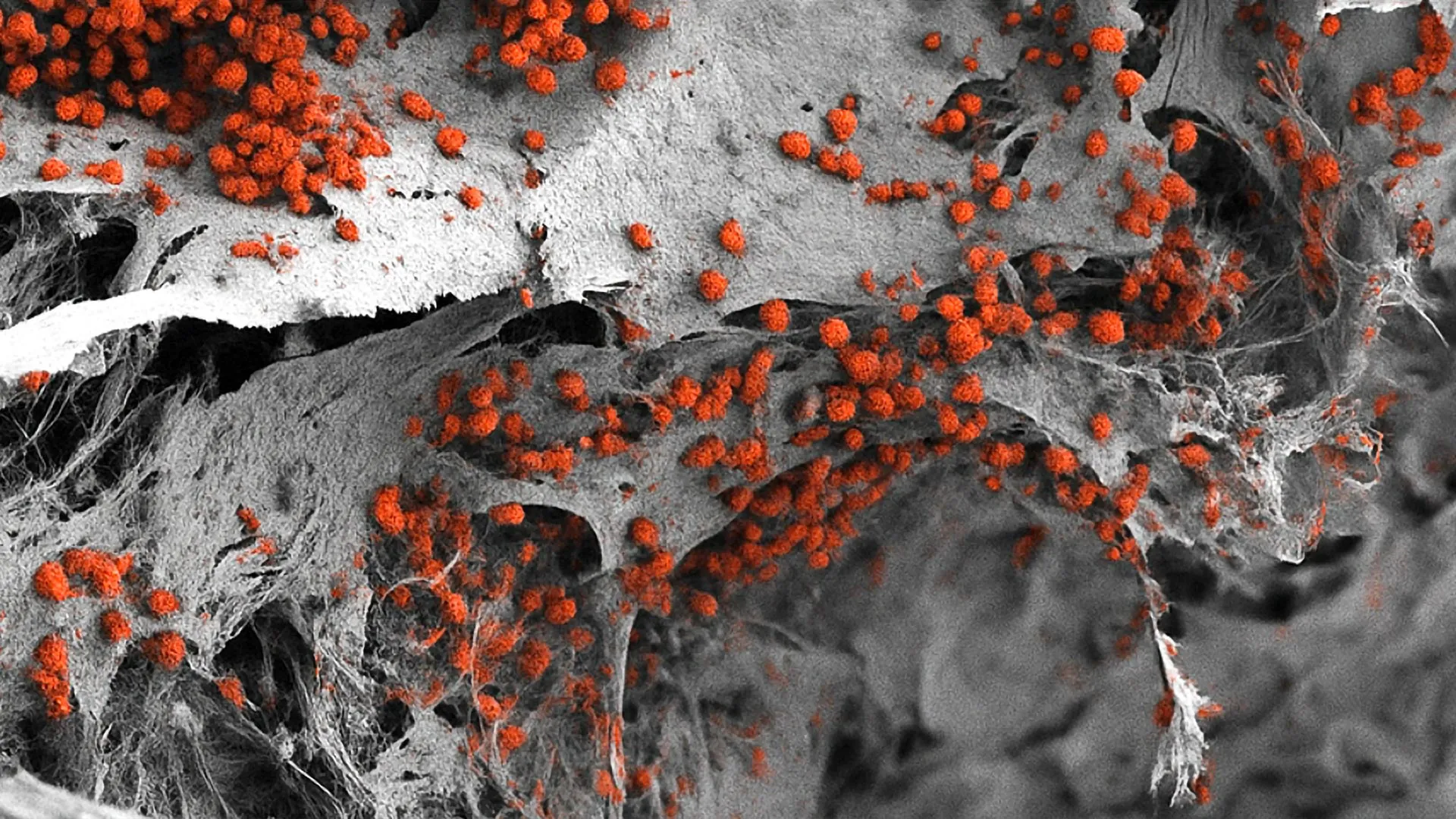
The study’s key finding is the discovery of CX43-related tumor-stroma tunnels. These are physical connections, or gap junctions, that form between the cancer cells and the neighboring mesenchymal stem cells. Through these tunnels, the cancer cells do not merely interact with their environment; they actively "borrow" essential biological materials from the healthy stem cells.
"We discovered that the breast cancer cells require direct contact with mesenchymal stem cells," explained Dr. Luker, who serves as the head of the Luker Lab within the Center for Molecular Imaging at the University of Michigan. "The cancer cells physically borrow molecules—proteins, messenger RNA—directly from the mesenchymal stem cells. Essentially the mesenchymal stem cells act as very generous neighbors in donating things that make the cancer cells more aggressive and drug resistant."
This process of "molecular smuggling" allows the cancer cells to acquire traits they did not originally possess. By absorbing mRNA and proteins from the MSCs, the cancer cells undergo a phenotypic shift, becoming more resilient and gaining the ability to survive in a dormant state while simultaneously preparing for a future "awakening."
Identifying GIV: The Driver of Chemoresistance
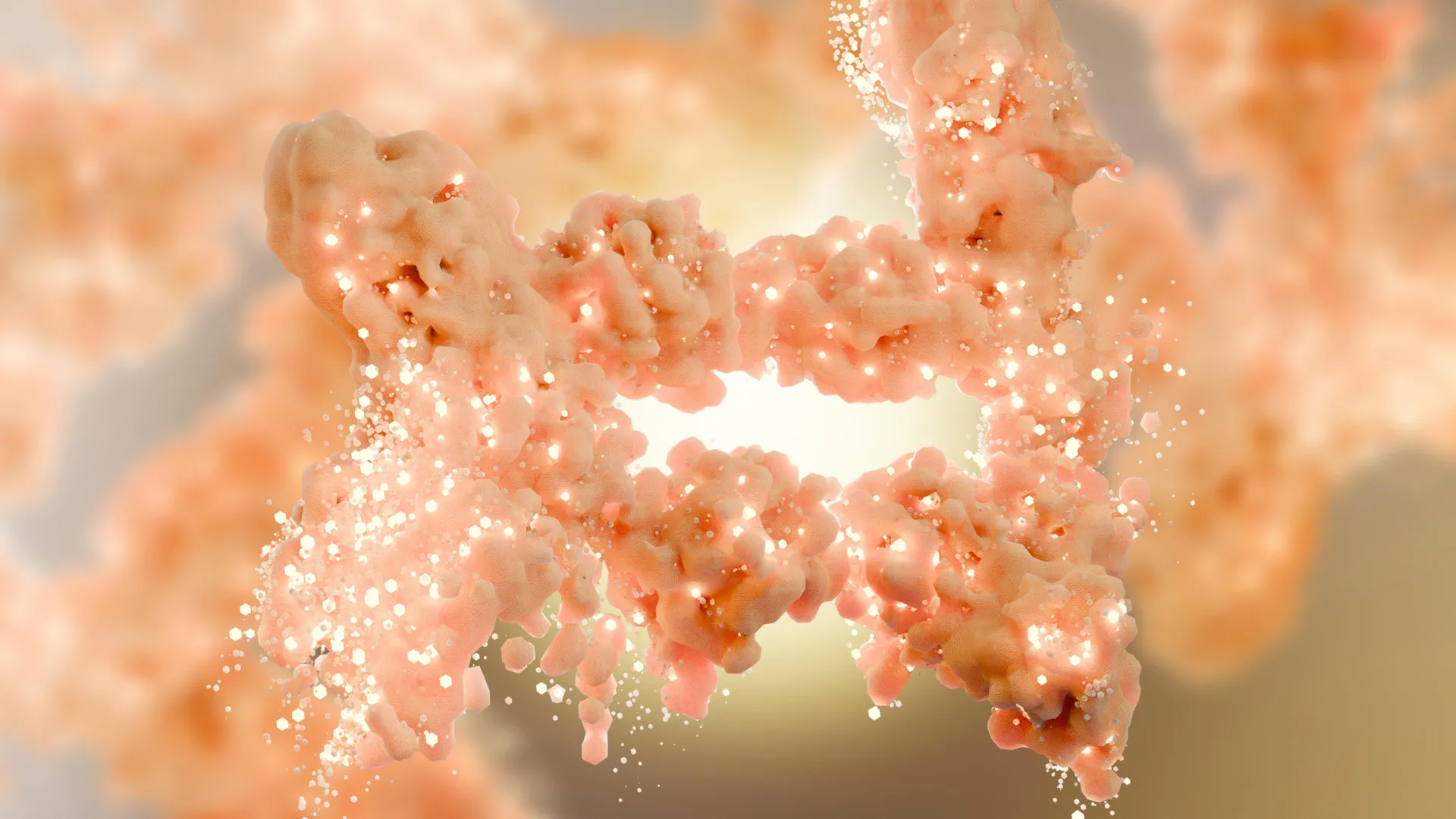
To pinpoint the exact molecules responsible for this transformation, the researchers conducted laboratory experiments that monitored the changes in hundreds of proteins following contact between cancer cells and MSCs. Their analysis led them to focus on a protein known as GIV (Girdin), or Gα-interacting vesicle-associated protein.
GIV is well-known in oncology for its role in promoting the invasiveness and metastatic potential of various cancers. However, this study highlights its specific role in the survival of dormant breast cancer cells. The researchers found that when cancer cells "smuggle" GIV or the instructions to create it from stem cells, they become specifically resistant to estrogen-targeted therapies like Tamoxifen.
Tamoxifen works by blocking estrogen receptors on cancer cells, preventing the hormone from fueling their growth. However, the acquisition of GIV through the CX43 tunnels provides the cancer cells with alternative signaling pathways that bypass the need for estrogen, rendering the drug ineffective. This explains why a patient might remain on hormonal therapy for years, yet still harbor viable, evolving cancer cells within their bone marrow.
Chronology of the Research and Methodology
The study was the result of years of interdisciplinary collaboration between imaging specialists, cell biologists, and clinical oncologists. The timeline of the research involved several distinct phases:
- Initial Observation: Researchers first noted the high rates of bone marrow involvement in ER+ breast cancer patients and the clinical observation that these patients often relapsed despite successful primary treatment.
- In Vitro Modeling: The team developed sophisticated laboratory models to simulate the bone marrow environment, co-culturing ER+ breast cancer cells with human mesenchymal stem cells.
- Identification of CX43 Tunnels: Using advanced imaging techniques, the researchers observed the formation of physical bridges (tunnels) between the two cell types. They identified Connexin 43 (CX43) as the primary protein responsible for forming these gap junctions.
- Proteomic and Transcriptomic Analysis: The team analyzed the transfer of materials through these tunnels, identifying a massive shift in the protein profile of the cancer cells.
- Targeting GIV: By knocking down GIV expression in experimental models, the researchers were able to restore the sensitivity of the cancer cells to Tamoxifen, confirming the protein’s role in drug resistance.
Statistical Context and Public Health Implications
The implications of this study are significant when viewed through the lens of global health statistics. Breast cancer is the most commonly diagnosed cancer worldwide, with over 2.3 million new cases annually. In the United States alone, it is estimated that more than 290,000 women are diagnosed with invasive breast cancer each year.
Given that 80% of these cases are ER+, and 40% of those may face recurrence, the number of women living with the "ticking time bomb" of dormant bone marrow DTCs is in the millions. The five-year survival rate for localized breast cancer is high (99%), but this drops to approximately 30% once the cancer has metastasized to distant organs. By understanding the "smuggling" mechanism, scientists hope to intervene before the cells spread from the bone marrow to the lungs, liver, or brain.
The economic burden of recurrence is also substantial. The cost of treating metastatic breast cancer is significantly higher than treating primary disease, involving long-term chemotherapy, radiation for bone pain, and frequent hospitalizations for complications like fractures.
Expert Reactions and Future Directions
The scientific community has reacted to the findings with cautious optimism. The identification of a physical structure (the CX43 tunnel) and a specific cargo (GIV) provides two distinct targets for future drug development.
Dr. Pradipta Ghosh, a professor at the UC San Diego School of Medicine and a senior author on the study, emphasized the importance of these findings for long-term patient care. "Sleeper cells can be reawakened and cause estrogen receptor-positive breast cancers to relapse years—in some cases as long as a decade—after patients were believed to be in remission," Dr. Ghosh stated. "Since these cancer cells ‘borrow’ essential proteins from stem cells in the bone marrow through cellular tunnels—much like smuggling—approaches for targeting the tunnels or proteins they smuggle could help prevent the relapse and metastasis of estrogen receptor-positive breast cancer."
Future research will likely focus on developing pharmacological inhibitors that can safely block CX43 tunnels without disrupting normal cellular communication in healthy tissues. Additionally, researchers are looking into "adjuvant" therapies that could be administered alongside Tamoxifen to target the GIV pathway, ensuring that any cells "hiding" in the bone marrow are eliminated rather than just suppressed.
Conclusion: A New Frontier in Oncology
The study from the University of Michigan and UC San Diego marks a pivotal shift in how oncologists view cancer dormancy. Rather than seeing dormant cells as passive entities waiting to wake up, this research reveals them to be active participants in a sophisticated survival strategy, exploiting the body’s own stem cells to gain strength.
By exposing the "smuggling" routes used by these cells, the research team has opened the door to a new generation of therapies. If the medical community can successfully block these tunnels or neutralize the smuggled proteins, the 40% of ER+ breast cancer patients currently at risk of recurrence may one day be able to consider themselves truly cured, rather than simply in a state of temporary remission. The goal is no longer just to treat the cancer that is visible, but to dismantle the hidden infrastructure that allows it to return.