The global health landscape is currently grappling with a quiet but pervasive crisis as data reveals that approximately 40% of adults worldwide are affected by osteopenia, a condition characterized by a significant loss of bone mineral density. While often overshadowed by its more severe counterpart, osteoporosis, osteopenia serves as a critical clinical precursor and a major public health challenge. In the United Kingdom alone, medical experts estimate that more than 500,000 fractures occur annually as a direct result of low bone density, placing an immense strain on the National Health Service (NHS) and social care systems. This condition is particularly prevalent among postmenopausal women and the elderly, yet its "silent" nature means that millions of individuals remain undiagnosed until a traumatic injury occurs.
The Silent Progression of Bone Atrophy
Osteopenia is frequently described by clinicians as a "silent" condition because it typically presents no outward symptoms during its early stages. Unlike many chronic illnesses that manifest through pain or visible physical changes, the thinning of bone tissue occurs deep within the skeletal structure. Consequently, a vast majority of the population remains unaware of their declining bone health until they experience a fragility fracture—a break resulting from a minor fall or impact that would not normally cause a bone to snap.
In many clinical settings, the diagnosis of osteopenia is incidental, occurring only after a patient undergoes a bone density test recommended due to secondary risk factors such as age or the onset of menopause. Public health advocates argue that this reactive approach to bone health is a significant factor in the rising rates of disability among the elderly. By the time a fracture occurs, the skeletal system has already undergone years of unmonitored degradation, making the management of the condition more complex and the recovery process more arduous.
The Biological Mechanism of Bone Remodeling
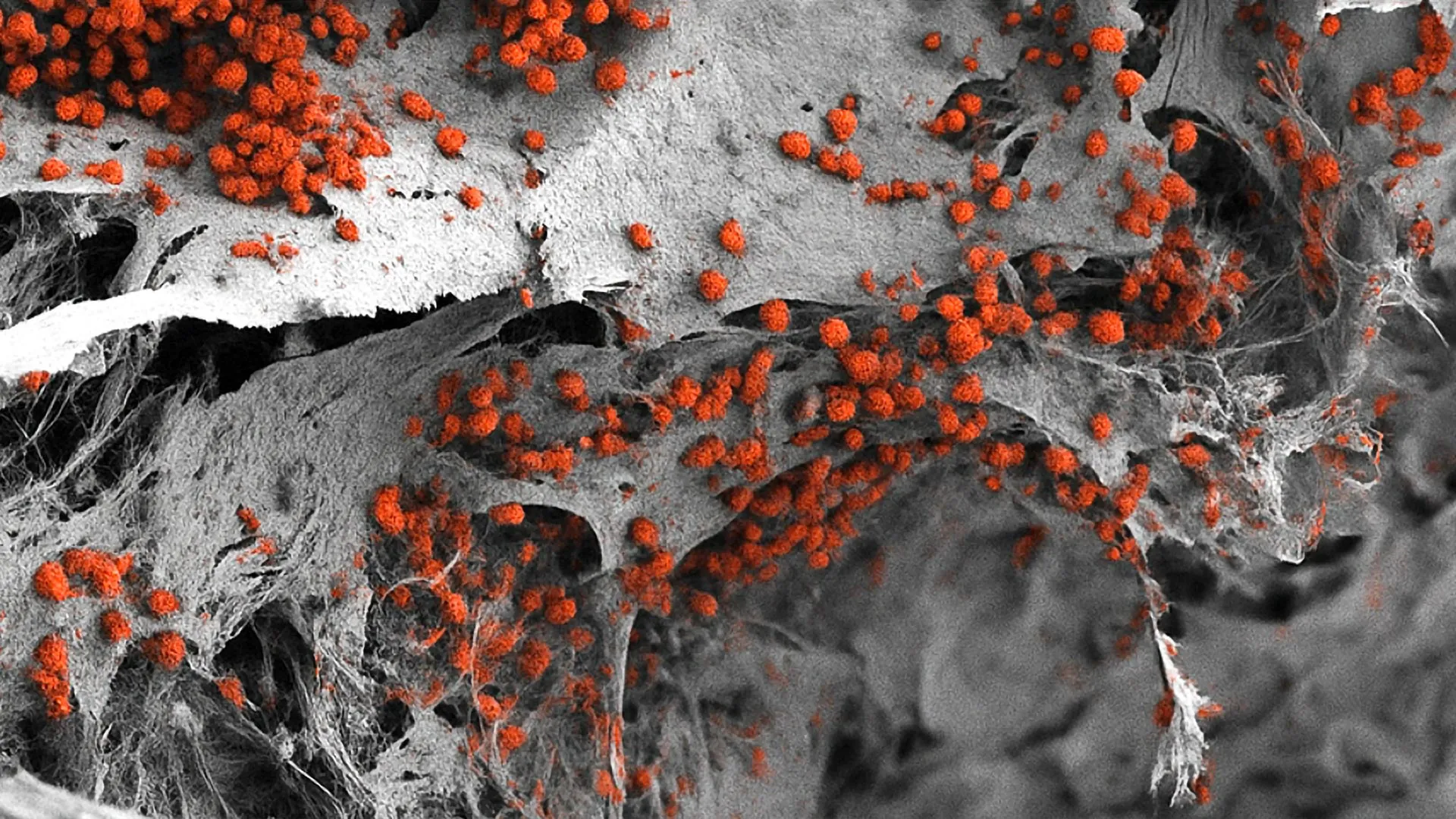
To understand osteopenia, one must view bone not as a static structural element, but as a dynamic, living tissue. Throughout a human life, the skeleton undergoes a continuous cycle known as bone remodeling. This process is a delicate balance between two primary actions: bone resorption, where specialized cells called osteoclasts break down old or damaged bone tissue, and bone formation, where osteoblasts create new bone mineral.
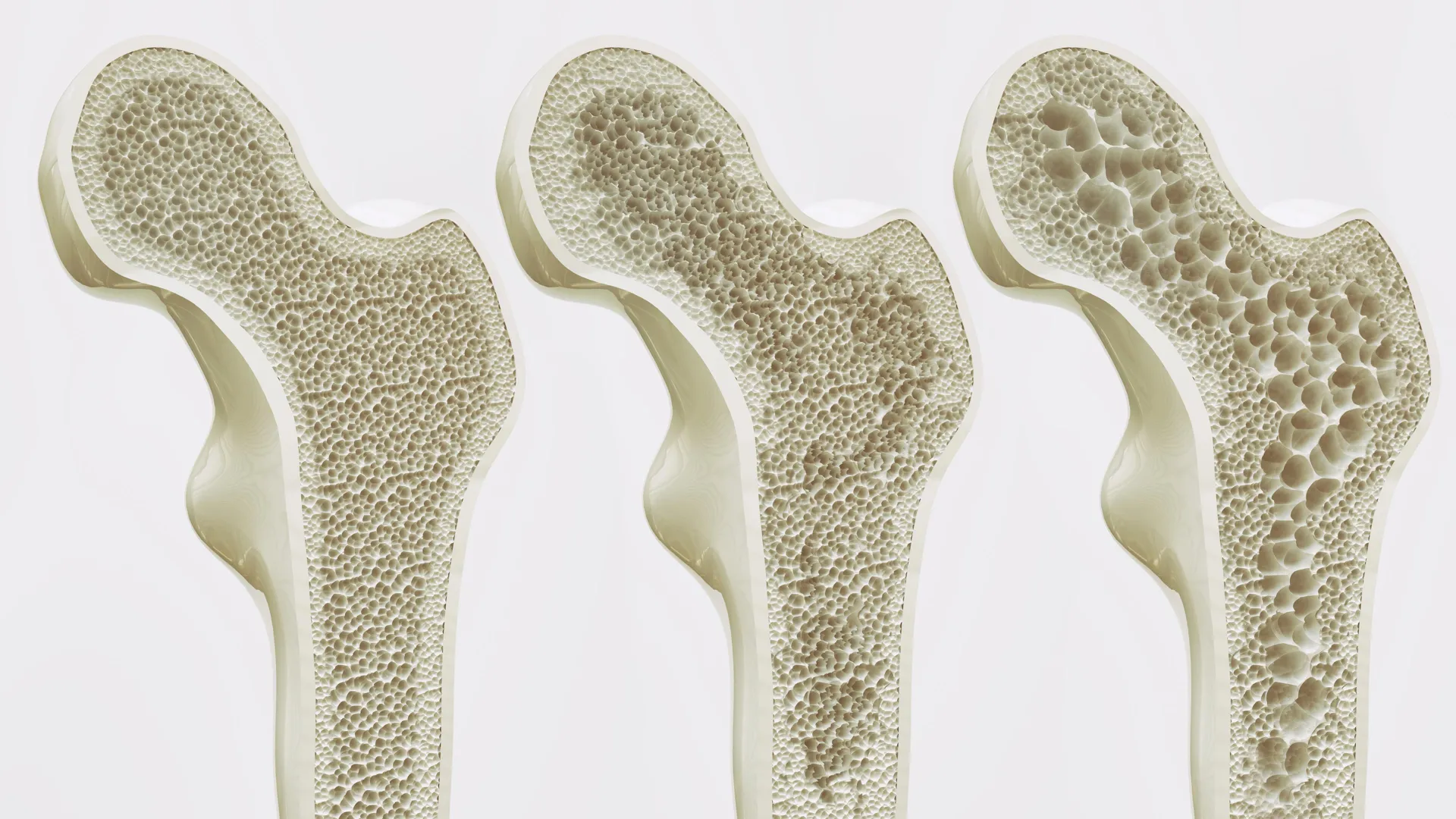
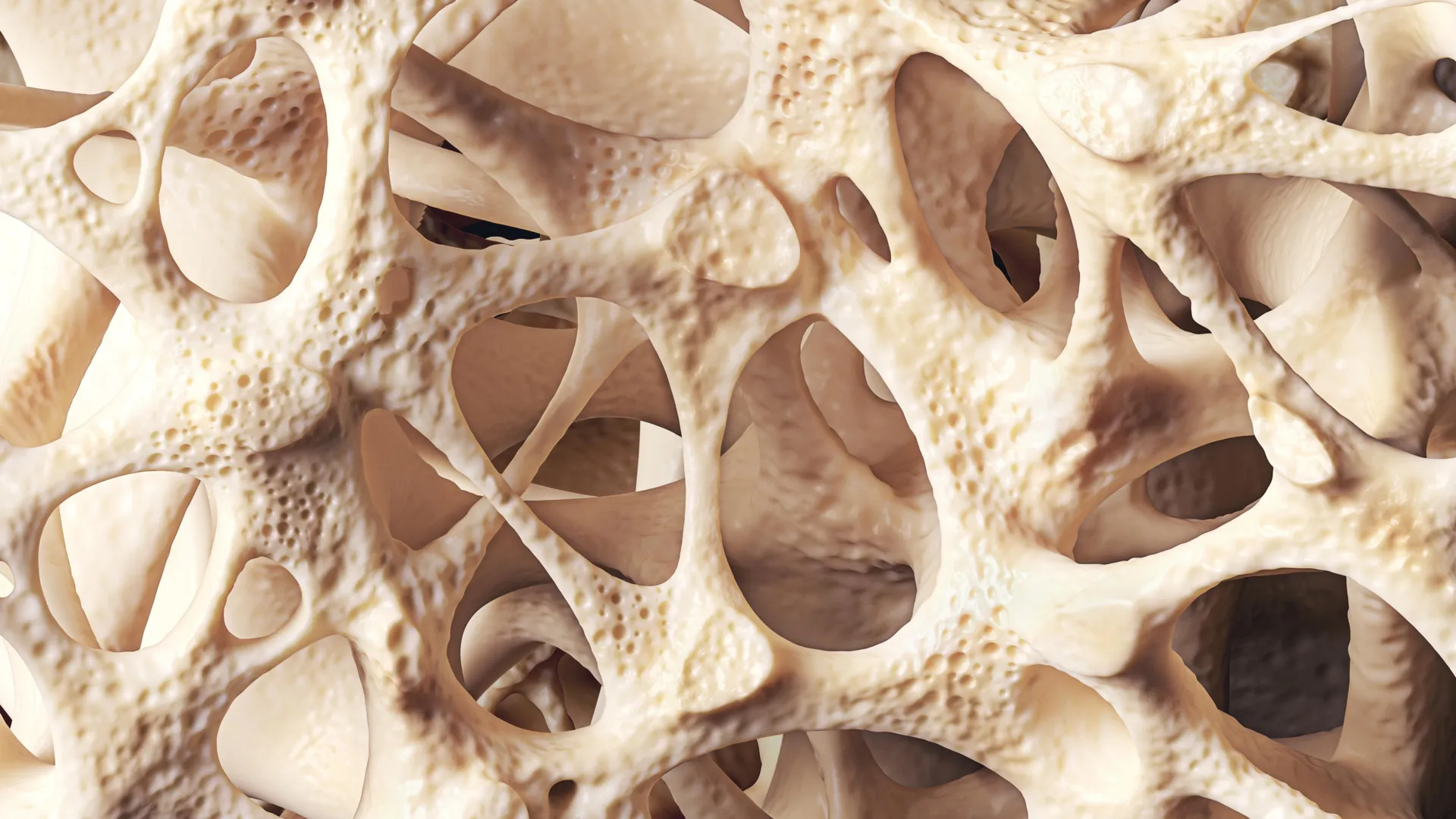
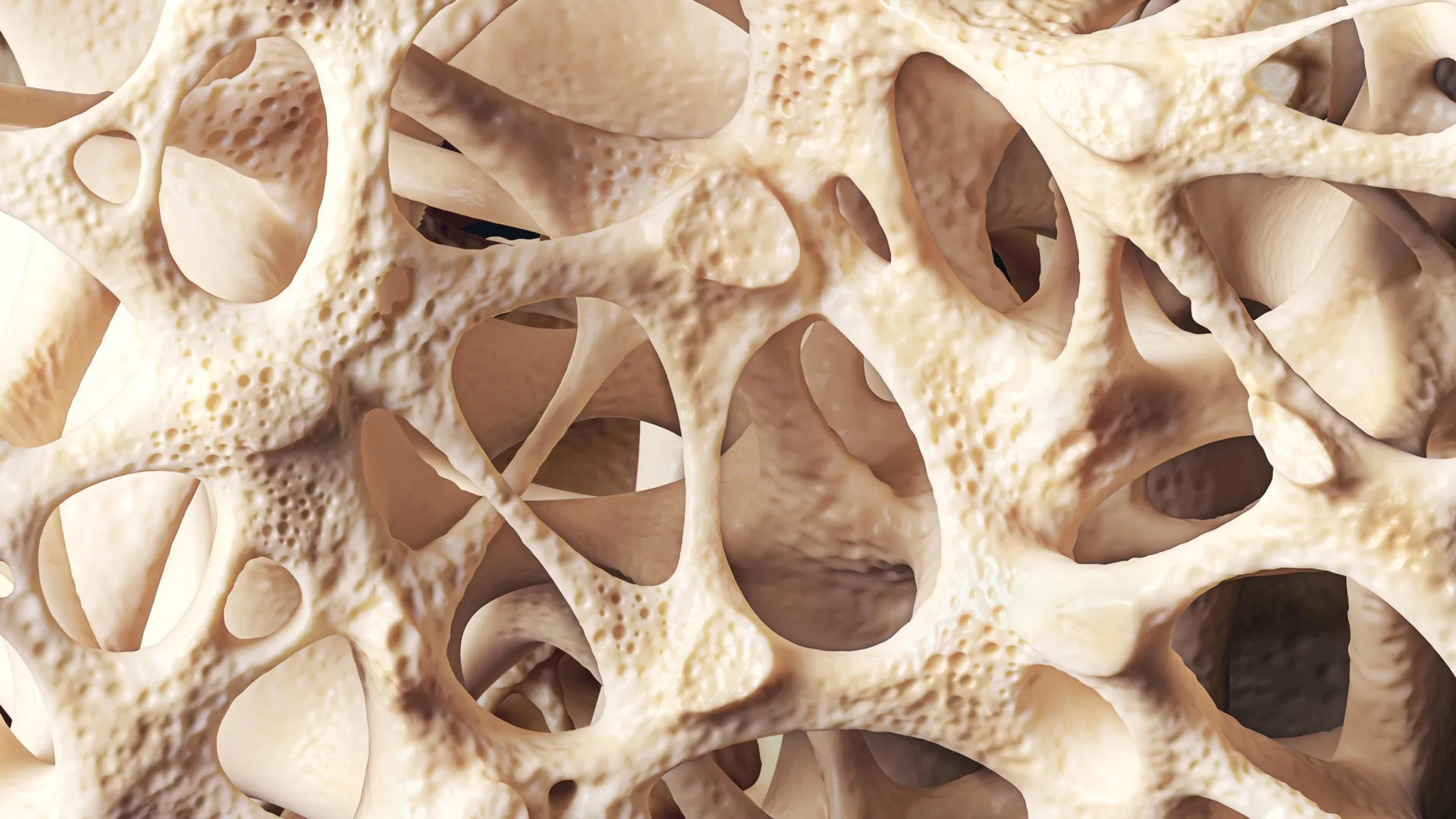
During childhood and adolescence, the rate of bone formation significantly outpaces resorption, allowing the skeleton to grow in size and density. This process reaches its zenith in a phase known as "peak bone mass," which typically occurs between a person’s mid-20s and early 30s. Once this peak is achieved, the biological equilibrium shifts. As individuals age, the rate of resorption begins to gradually exceed the rate of formation. Over decades, this net loss of mineral content results in the porous and weakened structure characteristic of osteopenia.
Chronology of Bone Health and Risk Accumulation
The trajectory of bone health is influenced by a timeline of biological and lifestyle milestones. The decade following peak bone mass is a critical window where maintenance is paramount. However, several factors can accelerate the natural decline of bone density.
For women, the most significant chronological milestone is menopause. The sharp decline in estrogen production during this period removes a primary protective mechanism for the skeleton. Estrogen plays a vital role in inhibiting the activity of osteoclasts; when estrogen levels drop, bone breakdown accelerates rapidly. Statistical analysis indicates that approximately one in two women over the age of 50 will suffer a fragility fracture, highlighting the gendered impact of this condition.
Beyond hormonal shifts, the chronology of bone loss is dictated by cumulative lifestyle choices. Smoking and excessive alcohol consumption act as metabolic toxins that interfere with the body’s ability to absorb calcium and maintain osteoblast activity. Furthermore, physical inactivity—particularly a lack of weight-bearing movement—signals to the body that the skeleton does not need to maintain high density, leading to further atrophy.
Medical and Nutritional Drivers of Bone Loss
While aging and hormones are the primary drivers of osteopenia, a secondary tier of risk factors involves underlying health conditions and medical treatments. Long-term use of corticosteroids (steroids), often prescribed for asthma or inflammatory conditions, is a well-documented cause of secondary osteopenia. These medications can directly inhibit bone formation and interfere with calcium metabolism.
Furthermore, gastrointestinal disorders such as Crohn’s disease and coeliac disease can severely impair the absorption of essential nutrients. When the gut cannot effectively process calcium and vitamin D, the body begins to "mine" the skeleton for the minerals it needs to maintain other vital functions, such as nerve signaling and muscle contraction. This internal mineral depletion accelerates the thinning of the bone matrix, often leading to early-onset osteopenia in patients who might otherwise be at low risk.
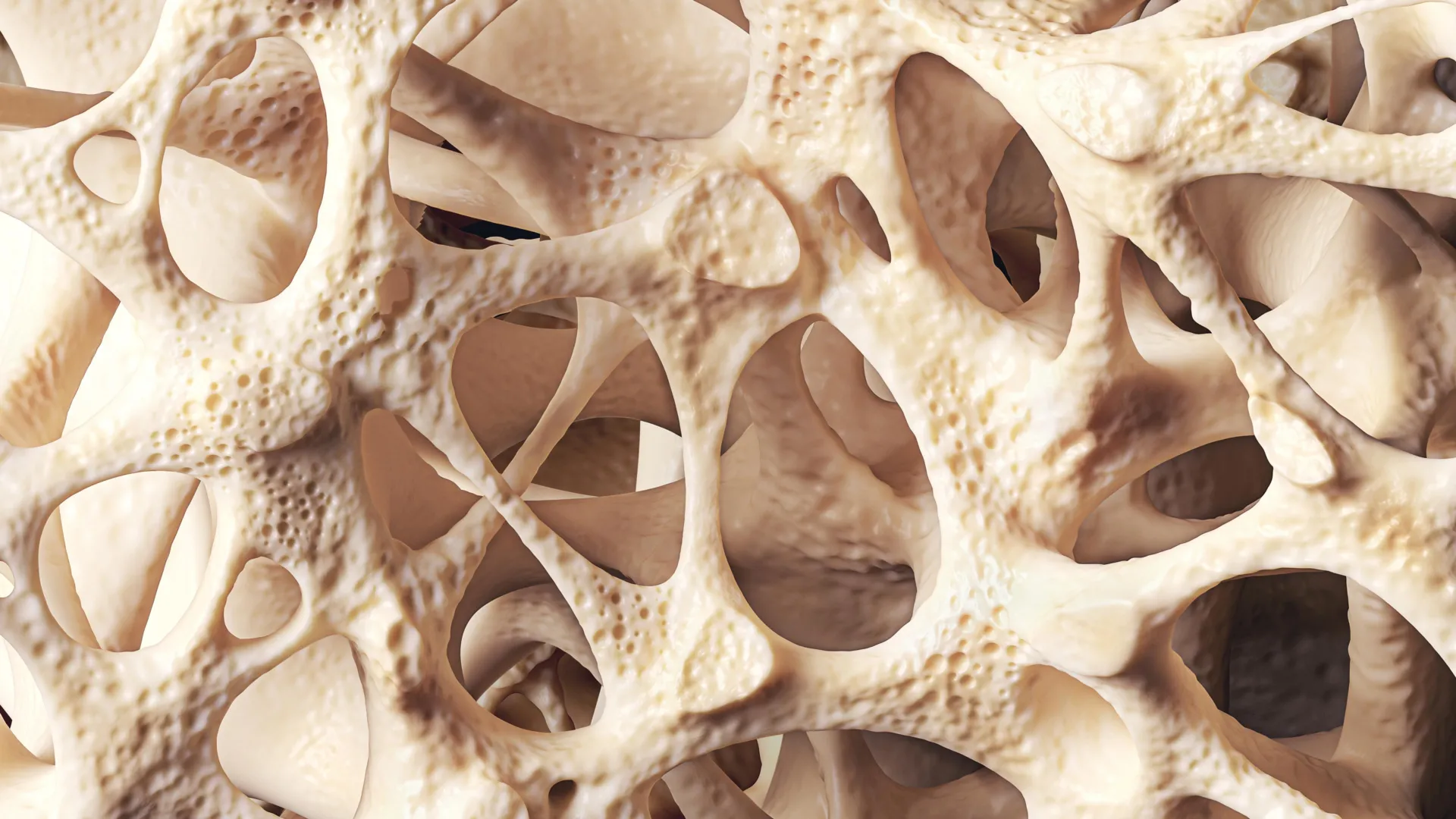
Diagnostics: The DXA Scan and T-Score Metrics
The gold standard for identifying osteopenia is the dual-energy X-ray absorptiometry (DXA) scan. This diagnostic tool utilizes low-dose X-rays to measure the mineral content in specific areas of the skeleton, usually the hip and lower spine. The results are quantified through a "T-score," which represents the number of standard deviations a patient’s bone density is above or below the average of a healthy 30-year-old adult.
A T-score between –1.0 and –2.5 is the diagnostic threshold for osteopenia. If the score falls below –2.5, the condition is classified as osteoporosis. This numerical system allows clinicians to categorize the severity of bone loss and predict the likelihood of future fractures. However, many experts suggest that the T-score should not be the sole factor in treatment decisions. Instead, it should be integrated into a broader assessment of the patient’s clinical history and lifestyle.
Strategies for Management and Intervention
Managing osteopenia requires a multi-pronged approach aimed at slowing resorption and, where possible, stimulating new bone growth. The primary intervention is lifestyle modification. Weight-bearing exercises, such as brisk walking, jogging, and dancing, are essential because they create "mechanical loading" on the bones. This stress triggers the bone-forming cells to strengthen the matrix.
Resistance training, involving weights or elastic bands, provides an additional benefit by strengthening the muscles that support the skeletal frame. Improved muscle mass not only aids bone density but also enhances balance. Clinical studies into practices such as Tai Chi have shown a marked reduction in fall risks among elderly participants, which is a critical component of fracture prevention.
Nutritional support remains a cornerstone of management. In regions like the UK, where sunlight exposure is limited for much of the year, vitamin D deficiency is a major contributor to poor bone health. Vitamin D is essential for the absorption of calcium; without it, even a calcium-rich diet may fail to protect the skeleton. Public health guidelines increasingly recommend supplementation for adults, particularly during the winter months, to maintain the serum levels necessary for bone maintenance.
Pharmacological Options and Risk Assessment
Not every individual diagnosed with osteopenia requires medication. Clinicians often utilize tools like the FRAX (Fracture Risk Assessment Tool) to calculate a patient’s ten-year probability of suffering a major osteoporotic fracture. This tool considers age, BMI, smoking status, alcohol intake, and the presence of rheumatoid arthritis or other comorbidities.
For high-risk patients, or those who have already suffered a fragility fracture, pharmacological intervention may be necessary. Antiresorptive drugs, such as bisphosphonates, are the most common treatment. these medications work by slowing the action of osteoclasts, thereby preserving existing bone density. While these treatments are more frequently associated with osteoporosis, recent clinical trials suggest that high-risk osteopenia patients can also derive significant protective benefits from early pharmacological support.
Broader Implications and Public Health Outlook
The high prevalence of osteopenia represents a looming economic and social burden. As global populations age, the incidence of fractures is expected to rise, leading to increased rates of hospitalization, loss of independence, and mortality among the elderly. The cost of treating hip fractures alone runs into the billions of dollars annually on a global scale.
However, the narrative of osteopenia is not one of inevitable decline. Unlike many age-related conditions, bone density is remarkably responsive to early intervention. Experts emphasize that osteopenia should be viewed as a "warning light" rather than a final diagnosis. With targeted lifestyle changes and proactive monitoring, the progression to osteoporosis can often be halted or significantly delayed.
The long-term strategy for combating this silent epidemic lies in a life-course approach to health. Building a strong "bone bank" during the first three decades of life through proper nutrition and exercise provides a vital buffer for the later years. For those already in the post-peak phase, consistent maintenance and early screening remain the most effective tools for preserving skeletal integrity and ensuring a high quality of life into old age. As research continues to evolve, the focus is shifting toward personalized medicine, where genetic markers and advanced imaging may one day allow for even earlier detection and more precisely tailored treatments for those at risk.