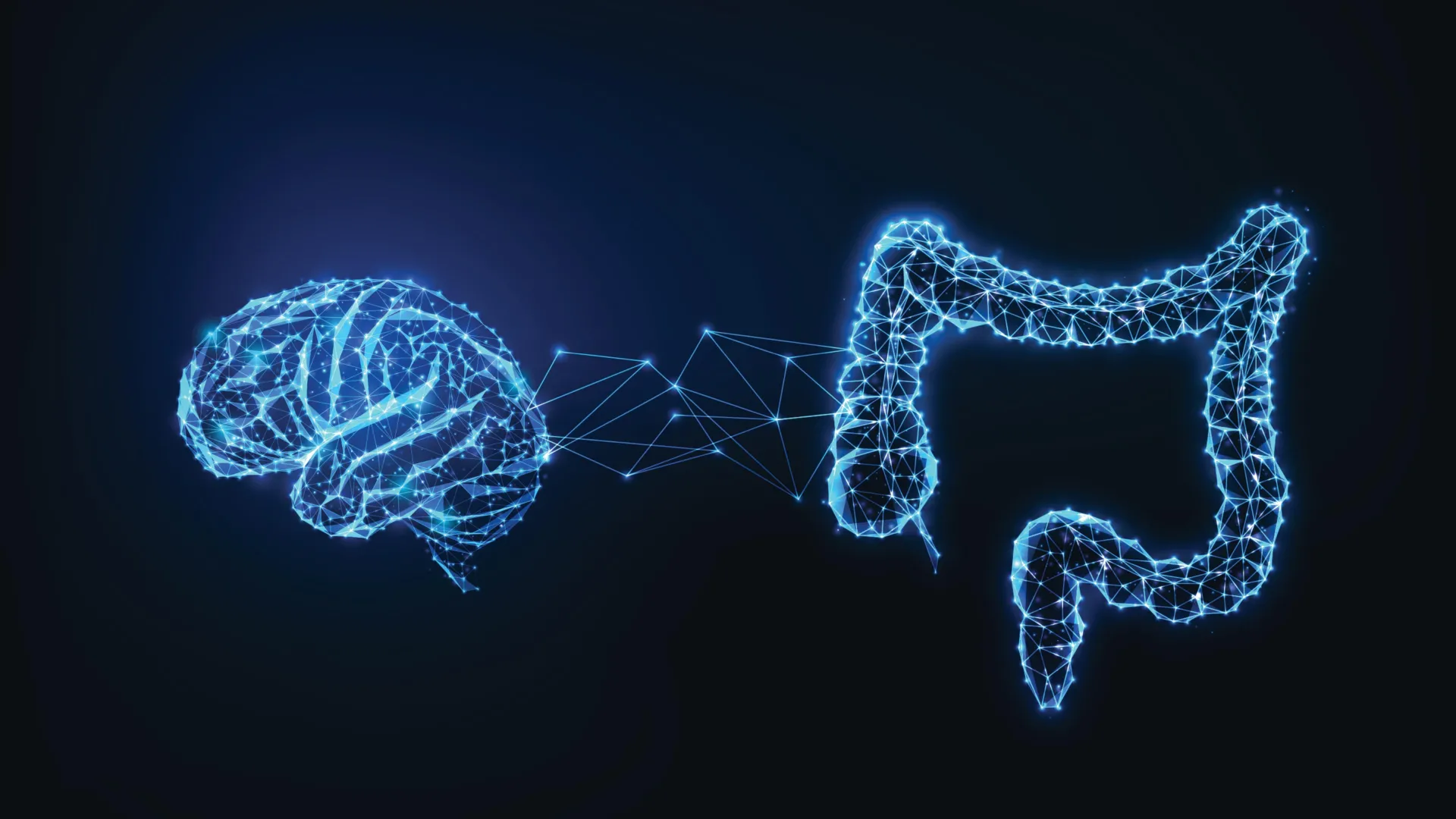
In a landmark study that bridges the gap between gastroenterology and neurology, researchers at Case Western Reserve University (CWRU) have identified a specific molecular mechanism by which gut bacteria contribute to the development of Amyotrophic Lateral Sclerosis (ALS) and Frontotemporal Dementia (FTD). The findings, published in the journal Cell Reports, suggest that certain microbes in the digestive tract produce inflammatory sugars that trigger a cascade of immune responses, ultimately leading to the destruction of neurons in the brain. This discovery provides a long-sought explanation for why individuals with the same genetic predispositions often experience vastly different disease outcomes, positioning the gut microbiome as a critical environmental "second hit" in the pathogenesis of neurodegeneration.
The research team, led by experts from the Case Western Reserve School of Medicine’s Department of Pathology and the Digestive Health Research Institute, pinpointed a specific type of bacterial glycogen—a complex carbohydrate—that appears to act as a catalyst for neuroinflammation. By isolating this pathway, the scientists have not only advanced the understanding of these terminal conditions but have also opened a new frontier for therapeutic intervention that targets the gut to protect the brain.
Understanding the Pathological Link: ALS and FTD
To appreciate the significance of this breakthrough, it is necessary to understand the devastating nature of the diseases in question. Amyotrophic Lateral Sclerosis, often referred to as Lou Gehrig’s disease, is a progressive neurodegenerative disorder that primarily attacks motor neurons, the nerve cells responsible for controlling voluntary muscle movement. As these neurons die, patients lose the ability to walk, speak, eat, and eventually breathe.
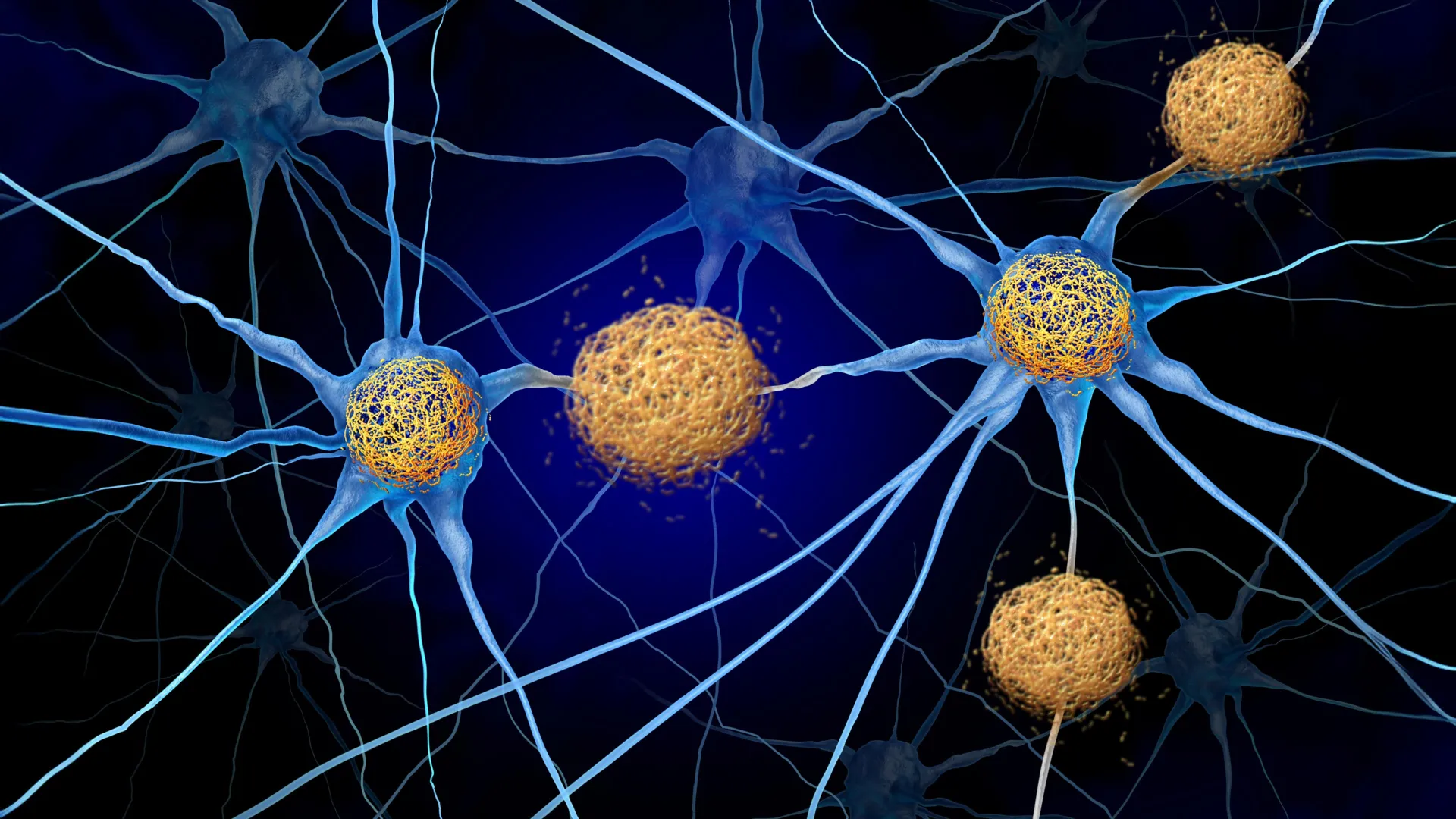
Frontotemporal Dementia (FTD) is a related but distinct disorder that affects the frontal and temporal lobes of the brain. Unlike Alzheimer’s disease, which typically begins with memory loss, FTD often manifests as dramatic changes in personality, social behavior, and language skills. Despite their different clinical presentations, ALS and FTD are now recognized by the medical community as existing on a single pathological spectrum. They share common genetic markers and protein abnormalities, most notably the accumulation of TDP-43 protein aggregates in the central nervous system.
For decades, the scientific community has struggled to identify the environmental triggers that activate these diseases. While genetics play a role, they do not tell the whole story. The CWRU study suggests that the missing link may reside in the trillions of microbes inhabiting the human digestive tract.
The Role of Bacterial Glycogen in Neuroinflammation
The core of the discovery lies in the identification of inflammatory forms of glycogen produced by harmful gut bacteria. Under normal circumstances, glycogen serves as a primary source of energy storage. However, the researchers found that certain bacterial strains produce a modified version of this sugar that the human immune system perceives as a threat.
"We found that harmful gut bacteria produce inflammatory forms of glycogen, and that these bacterial sugars trigger immune responses that damage the brain," explained Aaron Burberry, an assistant professor in the Department of Pathology at the Case Western Reserve School of Medicine and a lead author of the study.
The study involved a detailed analysis of 23 patients diagnosed with ALS or FTD. The data revealed a striking correlation: 70% of these patients exhibited significantly elevated levels of this harmful bacterial glycogen in their systems. In a control group of individuals without neurodegenerative diseases, only roughly 33% showed similar levels. This disparity suggests that the presence of these specific bacterial sugars is not merely a byproduct of illness but a potential driver of the disease process itself.
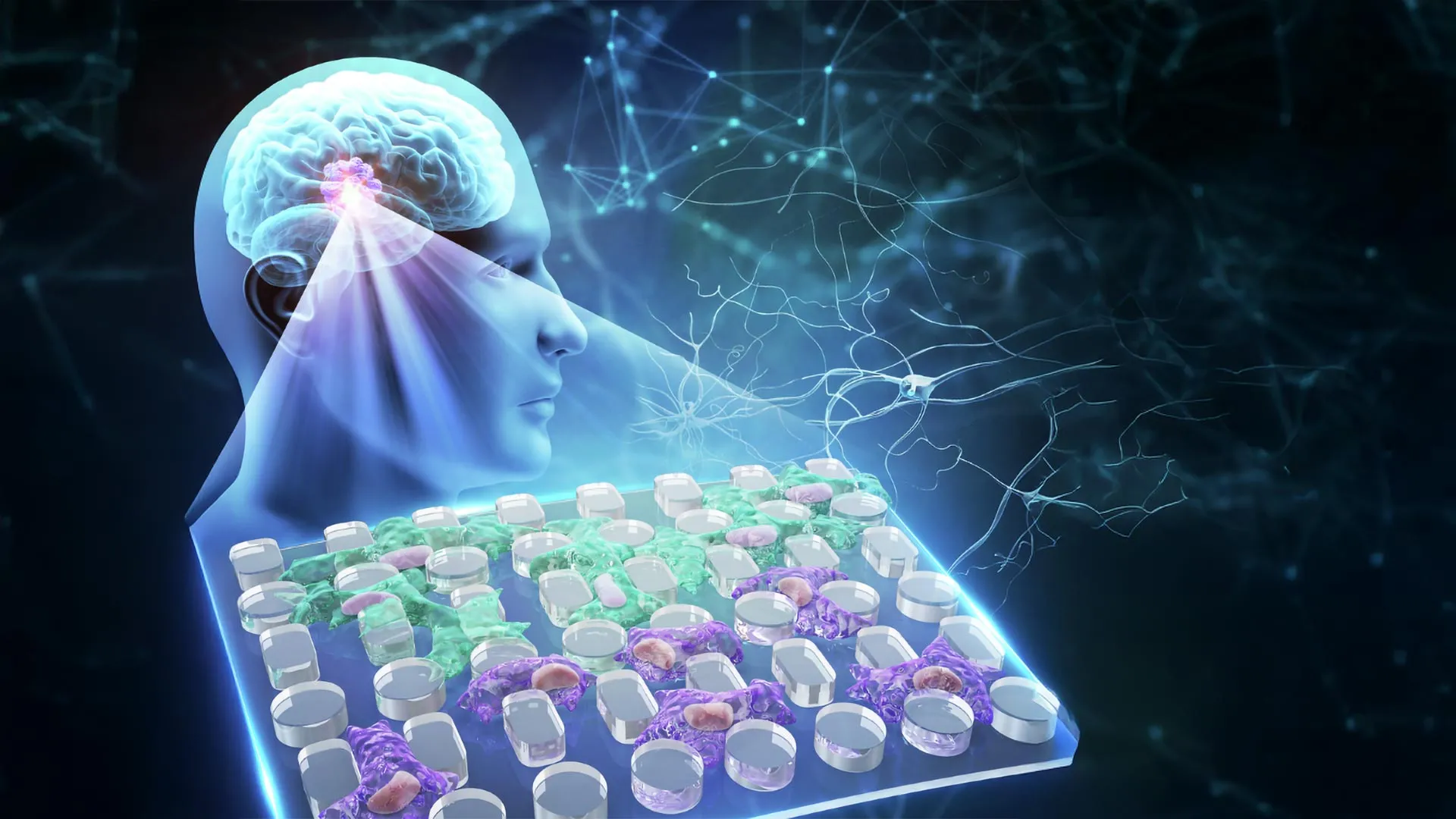
When these inflammatory sugars enter the bloodstream or interact with the gut’s immune lining, they trigger the release of cytokines and other pro-inflammatory signals. These signals can bypass the blood-brain barrier, activating the brain’s resident immune cells, known as microglia. Once activated, these cells, which are meant to protect the brain, begin to inadvertently destroy healthy neurons, leading to the atrophy characteristic of ALS and FTD.
Genetic Vulnerability and the C9orf72 Mutation
One of the most significant aspects of the study is its focus on the C9orf72 gene mutation. This specific genetic anomaly is the most common cause of both familial ALS and FTD. However, a phenomenon known as "incomplete penetrance" has long puzzled geneticists: not every individual who inherits the C9orf72 mutation will develop a neurodegenerative disorder.
The research from Case Western Reserve University suggests that the gut microbiome may be the deciding factor. In individuals with the C9orf72 mutation, the immune system is already "primed" or sensitized to inflammation. When these genetically at-risk individuals are exposed to high levels of inflammatory bacterial glycogen in the gut, the combined effect pushes the nervous system past a critical threshold, initiating the onset of disease.
This finding shifts the perspective of ALS and FTD from being purely "brain diseases" to systemic disorders influenced by the interaction between a person’s DNA and their internal microbial environment. It explains why one sibling with a genetic mutation might remain healthy well into old age, while another develops ALS in their 40s.
Innovative Methodology: The "Cage-in-Cage" System
The breakthrough was made possible through the use of highly specialized laboratory techniques and infrastructure at CWRU. The researchers utilized "germ-free" mouse models—animals raised in completely sterile environments that lack any internal or external bacteria. By introducing specific bacterial strains into these controlled environments, the team could observe the direct effects of individual microbes on brain health without the interference of other variables.
This work relied heavily on an innovative "cage-in-cage" sterile housing system. Developed by Alex Rodriguez-Palacios, an assistant professor in the Digestive Health Research Institute, this system allows for large-scale, controlled studies of the microbiome. Traditional germ-free research is often limited by the small number of animals that can be maintained in sterile conditions; however, the CWRU facility enables high-throughput experimentation that can simulate complex human microbial environments.
"This unique capability allowed us to isolate the specific role of the gut in a way that few other institutions can," noted Fabio Cominelli, Distinguished University Professor and director of the Digestive Health Research Institute. The ability to observe "improved brain health and extended lifespan" in animal models by reducing harmful gut sugars provided the definitive proof needed to link the digestive system to neurological outcomes.
Chronology of the Discovery and Future Clinical Trials
The path to this discovery has been built on a decade of evolving research into the "gut-brain axis."
- 2011: Researchers first identified the C9orf72 mutation as a primary cause of ALS and FTD.
- 2015-2018: Studies began to emerge suggesting that the microbiome could influence neuroinflammation in Parkinson’s and Alzheimer’s diseases.
- 2020: The CWRU team began focusing specifically on the immune-modulating properties of bacterial metabolites in ALS models.
- 2024: The current study in Cell Reports identifies bacterial glycogen as the specific culprit and outlines the molecular pathway to brain damage.
The timeline for clinical application is remarkably aggressive. Because the study identified the specific sugar responsible for the damage, researchers are already looking at ways to degrade these sugars before they can trigger an immune response. "Clinical trials to determine whether glycogen degradation in ALS/FTD patients could slow disease progression are supported by our findings and could begin in a year," Burberry stated.
These upcoming trials will likely focus on two fronts: first, using enzymes or specialized probiotics to break down inflammatory glycogen in the gut; and second, developing biomarkers—such as blood or stool tests—to identify at-risk patients long before neurological symptoms appear.
Broader Implications and Scientific Analysis
The implications of this research extend far beyond ALS and FTD. It adds to a growing body of evidence that the gut microbiome serves as a central hub for human health, influencing everything from metabolic syndrome to psychiatric disorders.
From a clinical perspective, this discovery offers a new sense of agency to patients and physicians. While genetic mutations cannot currently be reversed, the composition of the gut microbiome is highly modifiable through diet, antibiotics, prebiotics, and fecal microbiota transplants (FMT). If the gut is indeed the "trigger" for neurodegeneration, then managing gut health could become a standard pillar of preventative neurology.
Furthermore, the study highlights the importance of interdisciplinary research. By combining the expertise of pathologists, gastroenterologists, and neurologists, the CWRU team was able to see connections that might have been missed in a more siloed academic environment. The "cage-in-cage" technology also sets a new standard for microbiome research, suggesting that future studies of chronic diseases—ranging from multiple sclerosis to rheumatoid arthritis—should incorporate similar germ-free modeling to isolate microbial triggers.
Conclusion: A Shift in the Treatment Paradigm
The discovery that gut-derived bacterial sugars drive the progression of ALS and FTD marks a turning point in neurodegenerative research. For the thousands of families affected by these conditions, the transition from "unknown causes" to a "targetable mechanism" provides a significant morale boost and a concrete path toward a cure.
As the team at Case Western Reserve University prepares for the next phase of their research—larger surveys of the gut microbiome in patients before and after disease onset—the medical community is watching closely. If degrading bacterial glycogen proves successful in human trials, it could revolutionize how we approach the aging brain, turning the focus away from the skull and toward the gut. The hope is that within the next few years, a diagnosis of a genetic risk for ALS or FTD will no longer be a sentence of inevitable decline, but a manageable condition addressed through the precision science of the microbiome.