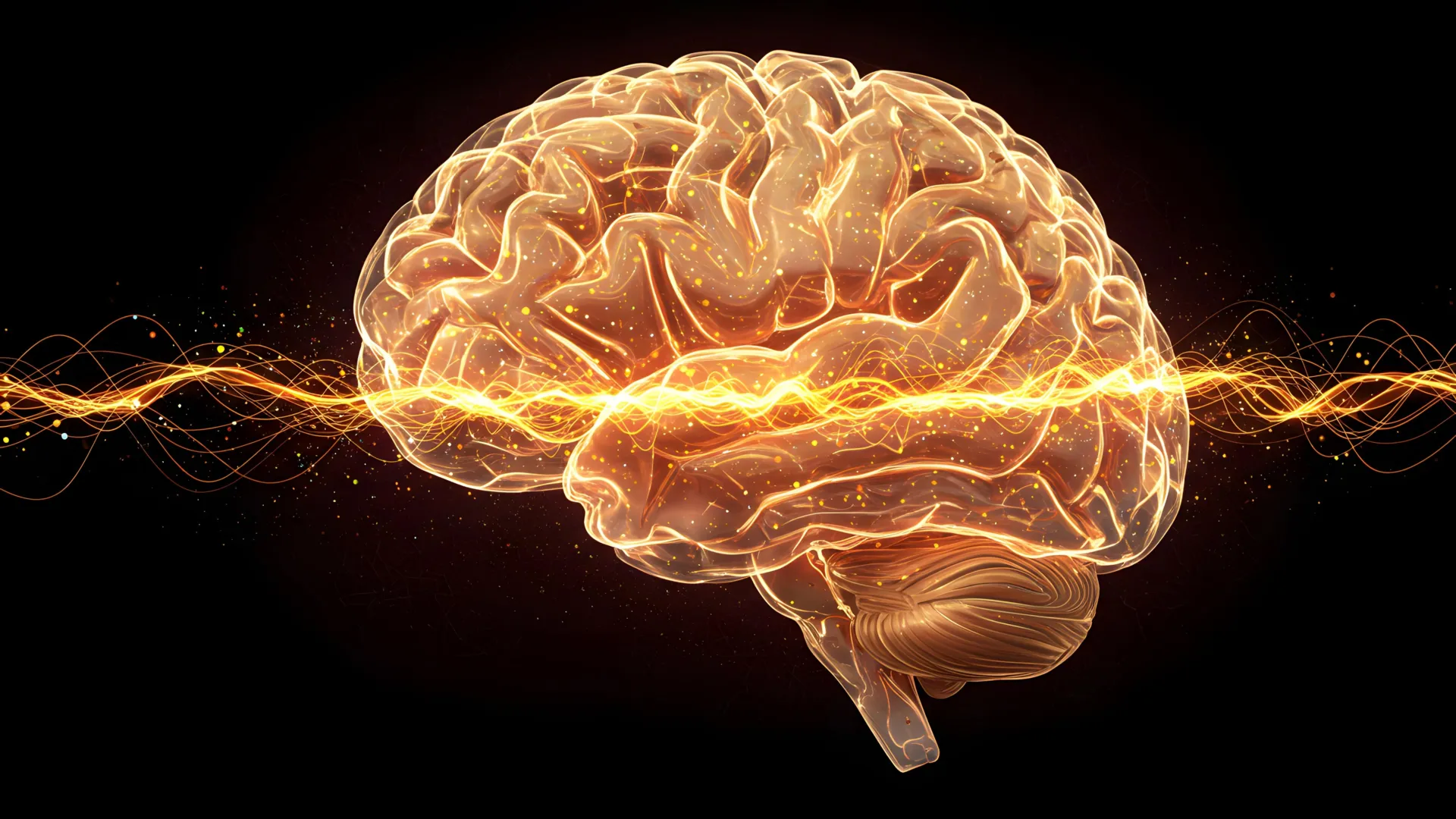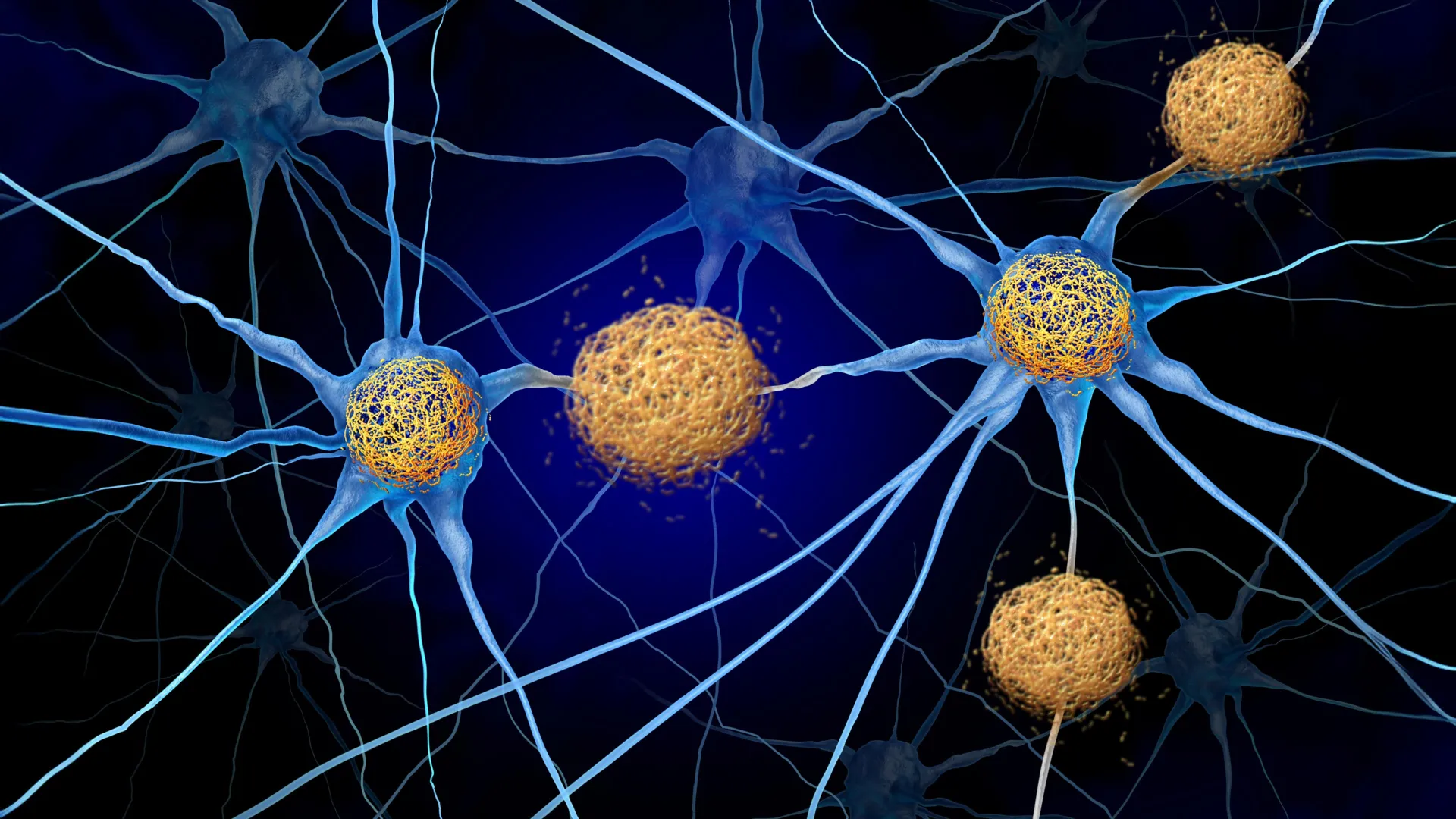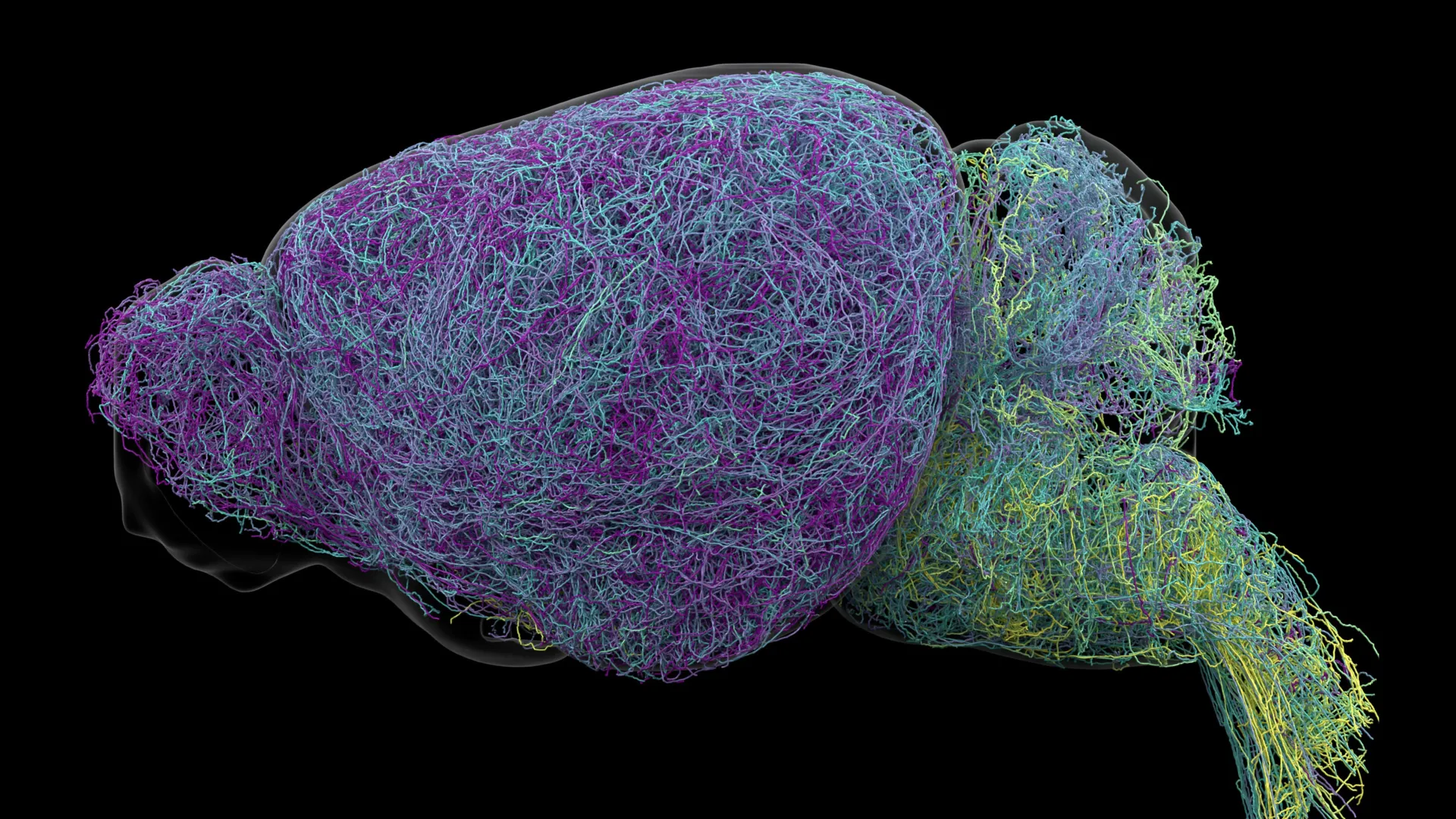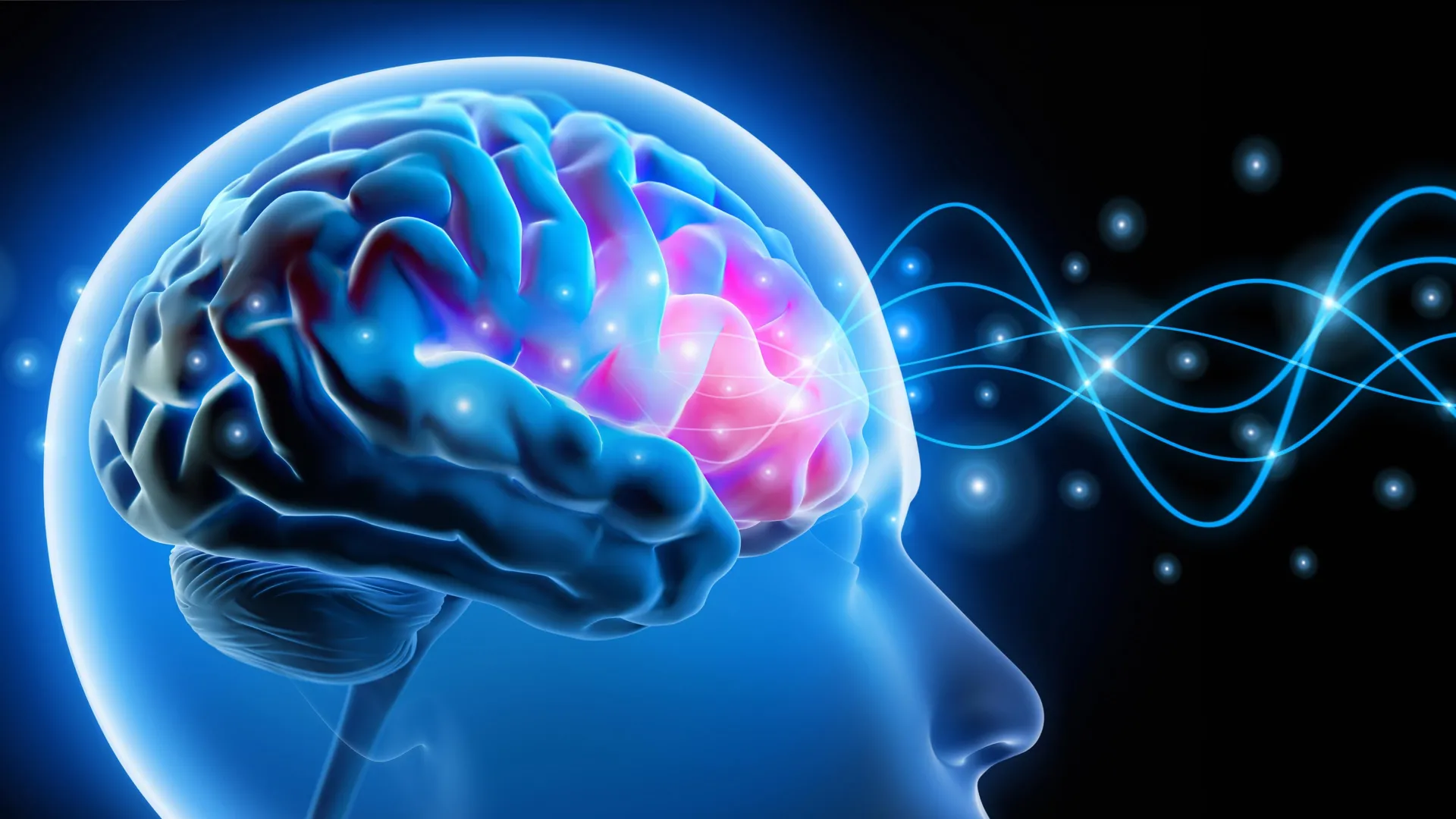
A comprehensive study published in the peer-reviewed Journal of Neuroscience (JNeurosci) has unveiled significant findings regarding the neurological underpinnings of attention-deficit/hyperactivity disorder (ADHD). Led by Elaine Pinggal and a team of researchers at Monash University, the investigation explores the phenomenon of brief, intrusive bursts of sleep-like brain activity during periods of wakefulness and their direct correlation with the attention challenges faced by adults. The research suggests that these "local sleep" events—where specific regions of the brain momentarily exhibit patterns typically reserved for deep sleep—occur with significantly higher frequency in individuals with ADHD, providing a biological explanation for the lapses in concentration and increased error rates associated with the condition.
Investigating the Intersection of Wakefulness and Neurodevelopmental Challenges
The Monash University study sought to bridge a critical gap in neuroscientific understanding: why individuals with ADHD struggle with sustained attention even when they are seemingly fully awake and engaged in a task. Historically, ADHD has been characterized primarily through behavioral observations, such as distractibility, impulsivity, and physical restlessness. However, Pinggal’s research shifts the focus toward the internal rhythm of the brain’s electrical activity.
The study centered on the hypothesis that the ADHD brain may be prone to "microsleeps" or "local sleep" episodes. Unlike a full sleep state where the entire organism loses consciousness, local sleep involves small clusters of neurons entering a state of slow-wave activity—the hallmark of non-REM sleep—while the rest of the brain remains awake. To test this, the research team recruited 63 participants: 32 adults diagnosed with ADHD and 31 neurotypical adults who served as a control group. To ensure that the findings reflected the participants’ baseline neurological state, those in the ADHD group were required to suspend their regular medication prior to the testing phase.
The Methodology: A Comparative Study of Cognitive Endurance
The experimental design required all 63 participants to engage in a rigorous task specifically designed to measure sustained attention over a prolonged period. During the task, researchers utilized high-density electroencephalography (EEG) to monitor the participants’ brainwaves in real-time. This allowed the team to pinpoint exact moments where slow-wave activity—which looks like a "burst" of sleep—appeared in the frontal and parietal lobes, areas of the brain critical for executive function and focus.
Participants were monitored for reaction times, accuracy in identifying visual or auditory cues, and self-reported feelings of sleepiness. By aligning the EEG data with behavioral performance, the researchers could determine if a lapse in attention—such as missing a cue or reacting slowly—coincided with a burst of sleep-like brain activity.
The results were stark. The data revealed that the ADHD group experienced these sleep-like intrusions far more frequently than the neurotypical control group. Furthermore, these episodes were not merely random noise in the data; they were statistically linked to specific failures in task performance. When a burst occurred, the participant was significantly more likely to commit an error or exhibit a delayed reaction time.
Understanding Local Sleep: When the Waking Brain Goes Offline
Elaine Pinggal and her colleagues describe these brief shifts in brain activity as a "normal phenomenon" that is exacerbated by the neurological architecture of ADHD. In a neurotypical brain, local sleep usually occurs as a result of extreme sleep deprivation or intense mental exhaustion. It acts as a safety valve, allowing overworked neurons to "recharge" for a fraction of a second.
"Sleep-like brain activity is a normal phenomenon that happens during demanding tasks," Pinggal explained. "Think of going for a long run and getting tired after a while, which makes you pause to take a break. Everyone experiences these brief moments of sleep-like activity. In people with ADHD, however, this activity occurs more frequently, and our research suggests this increased sleep-like activity may be a key brain mechanism that helps explain why these individuals have more difficulty maintaining consistent attention and performance during tasks."
For those with ADHD, the threshold for these "breaks" appears to be much lower. The study indicates that even during tasks that are not overtly exhausting, the ADHD brain begins to exhibit these slow-wave bursts, leading to what is often perceived as "daydreaming" or "spacing out."
Statistical Findings: Quantifying the Impact on ADHD Performance
The Monash University data provides a quantitative look at how these neurological intrusions manifest in daily life. The study noted three primary areas of impact:
- Error Frequency: Participants with ADHD showed a higher rate of "errors of commission" (doing the wrong thing) and "errors of omission" (failing to do anything when prompted). These errors correlated directly with the timing of slow-wave bursts.
- Reaction Time Variability: One of the hallmarks of ADHD is inconsistent performance. A participant might react quickly to one prompt and then very slowly to the next. The study found that sleep-like activity explains this variability, as the brain fluctuates between a fully "online" state and a semi-"offline" state.
- Subjective Sleepiness: Despite being awake during the day, individuals with ADHD reported higher levels of general sleepiness and fatigue during the task. This suggests that the brain is working harder to maintain a state of alertness, leading to more frequent "micro-rests."
These findings are particularly relevant when considering the "executive function" theory of ADHD. Executive functions—such as working memory, cognitive flexibility, and inhibitory control—require a stable and consistent flow of neural communication. Local sleep acts as a disruption to this flow, effectively "cutting the wire" of communication for milliseconds at a time.
The Broader Context of ADHD as a Neurodevelopmental Disorder
To understand the significance of the Monash study, it is essential to view it within the broader landscape of ADHD research. ADHD is one of the most common neurodevelopmental disorders, affecting approximately 5% to 7% of children and an estimated 2.5% to 4% of adults globally. In the United States alone, millions of adults navigate the complexities of the disorder, which often extends far beyond the classroom into professional and personal spheres.
Current treatments for ADHD primarily involve stimulant medications, such as methylphenidate or amphetamines, which increase the levels of dopamine and norepinephrine in the brain to improve focus. While effective for many, these medications can have side effects and do not address the underlying "local sleep" mechanism identified by Pinggal’s team.
The Monash study adds a new dimension to the understanding of ADHD as a condition of "brain arousal." It suggests that ADHD may not just be a lack of focus, but a fundamental difficulty in the brain’s ability to stay "aroused" or awake at a cellular level during cognitive demand.
Innovative Therapeutic Avenues: Auditory Stimulation and Sleep Hygiene
One of the most promising aspects of this research is its potential to inform new, non-pharmacological treatments. The study highlights previous research in neurotypical individuals which demonstrated that auditory stimulation—specifically playing certain sound frequencies during sleep—can enhance slow-wave activity.
While it may seem counterintuitive to enhance sleep waves to help someone stay awake, the logic lies in "sleep pressure." If a person achieves higher quality, more efficient slow-wave activity during their actual sleep at night, they may accumulate less "sleep pressure" during the day. This, in turn, could reduce the brain’s need to resort to "local sleep" bursts during waking hours.
"A possible next step is to test whether this same method could reduce daytime sleep-like brain activity in people with ADHD," Pinggal noted. If auditory stimulation during the night can "cleanse" the brain’s need for these daytime intrusions, it could offer a revolutionary way to improve attention and task performance without the need for traditional stimulants.
Analysis of Implications for Education and the Workplace
The implications of this study reach into the corporate world and educational institutions. For decades, the "inattentiveness" of ADHD was often misinterpreted as a lack of motivation, laziness, or a behavioral choice. By proving that these lapses are rooted in involuntary sleep-like brain bursts, the Monash study provides a powerful tool for destigmatization.
In a professional setting, this data supports the need for "cognitive pacing." If the ADHD brain requires more frequent neurological "breaks," then traditional eight-hour shifts of sustained focus may be biologically incompatible with the ADHD neurotype. Instead, shorter bursts of high-intensity work followed by movement or sensory changes might help reset the brain’s arousal levels, preventing the onset of local sleep.
Furthermore, the study highlights the importance of sleep health for those with ADHD. It is well-documented that individuals with ADHD often suffer from comorbid sleep disorders, such as insomnia or delayed sleep phase syndrome. Pinggal’s research suggests that for this population, sleep hygiene is not just about feeling rested—it is a critical component of managing the core symptoms of their disorder.
Conclusion: A New Frontier in Neurodiversity Research
The Monash University study represents a significant leap forward in the quest to understand the ADHD brain. By identifying "local sleep" as a key mechanism behind attention lapses, Elaine Pinggal and her team have provided a tangible, measurable target for future research and treatment.
As the scientific community continues to move away from purely behavioral definitions of neurodiversity, studies like this underscore the reality that conditions like ADHD are deeply rooted in the physical and electrical rhythms of the brain. The transition from "managing behavior" to "optimizing brain states" marks a new era in neuropsychology—one where the goal is not to force the brain to conform to a neurotypical standard, but to understand its unique needs and provide the biological support required for it to thrive.
Future clinical trials focusing on auditory stimulation and sleep-wave optimization will be the next crucial step in determining if we can help the ADHD brain stay "online" more consistently, ultimately improving the quality of life for millions of adults worldwide.