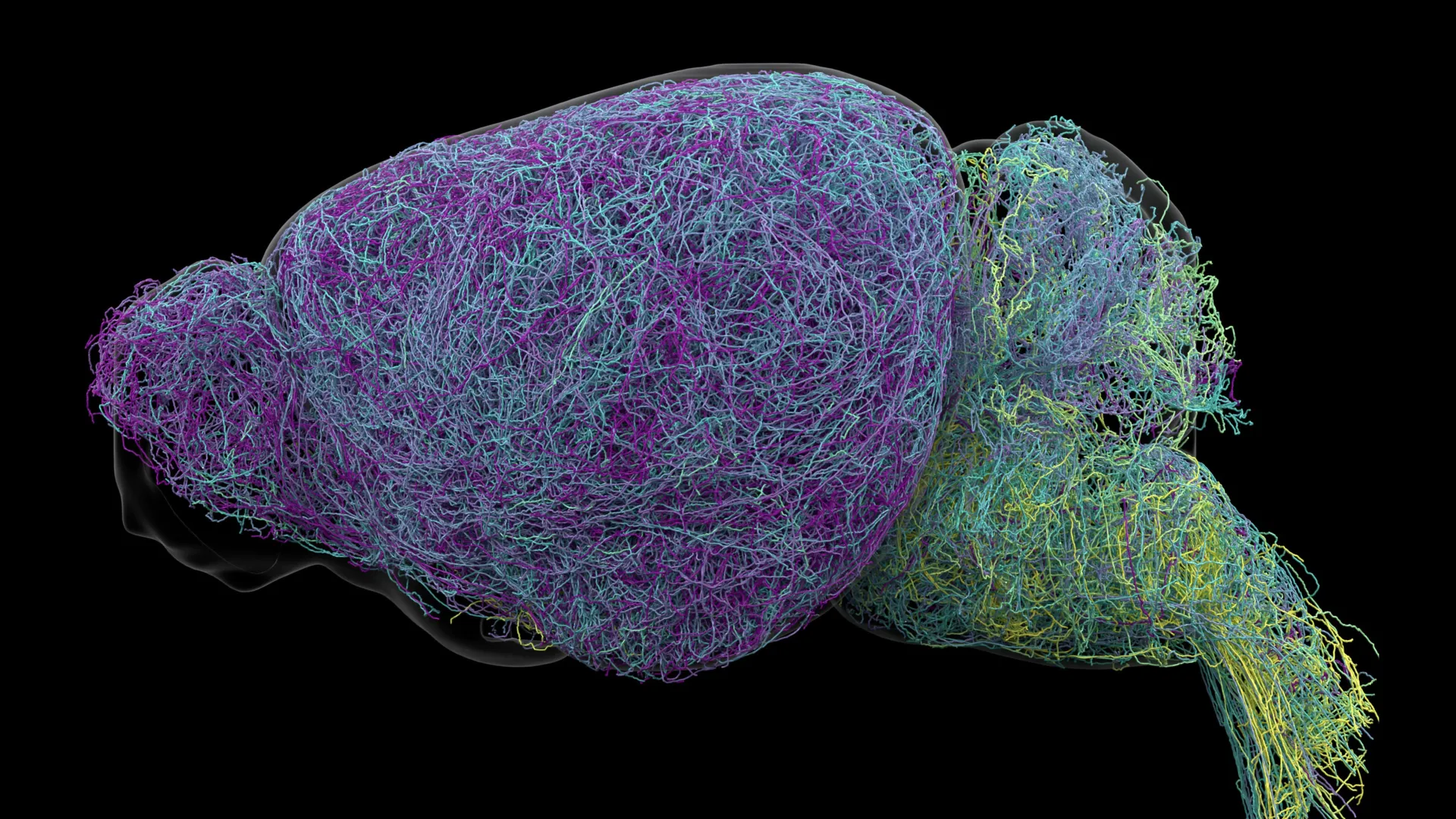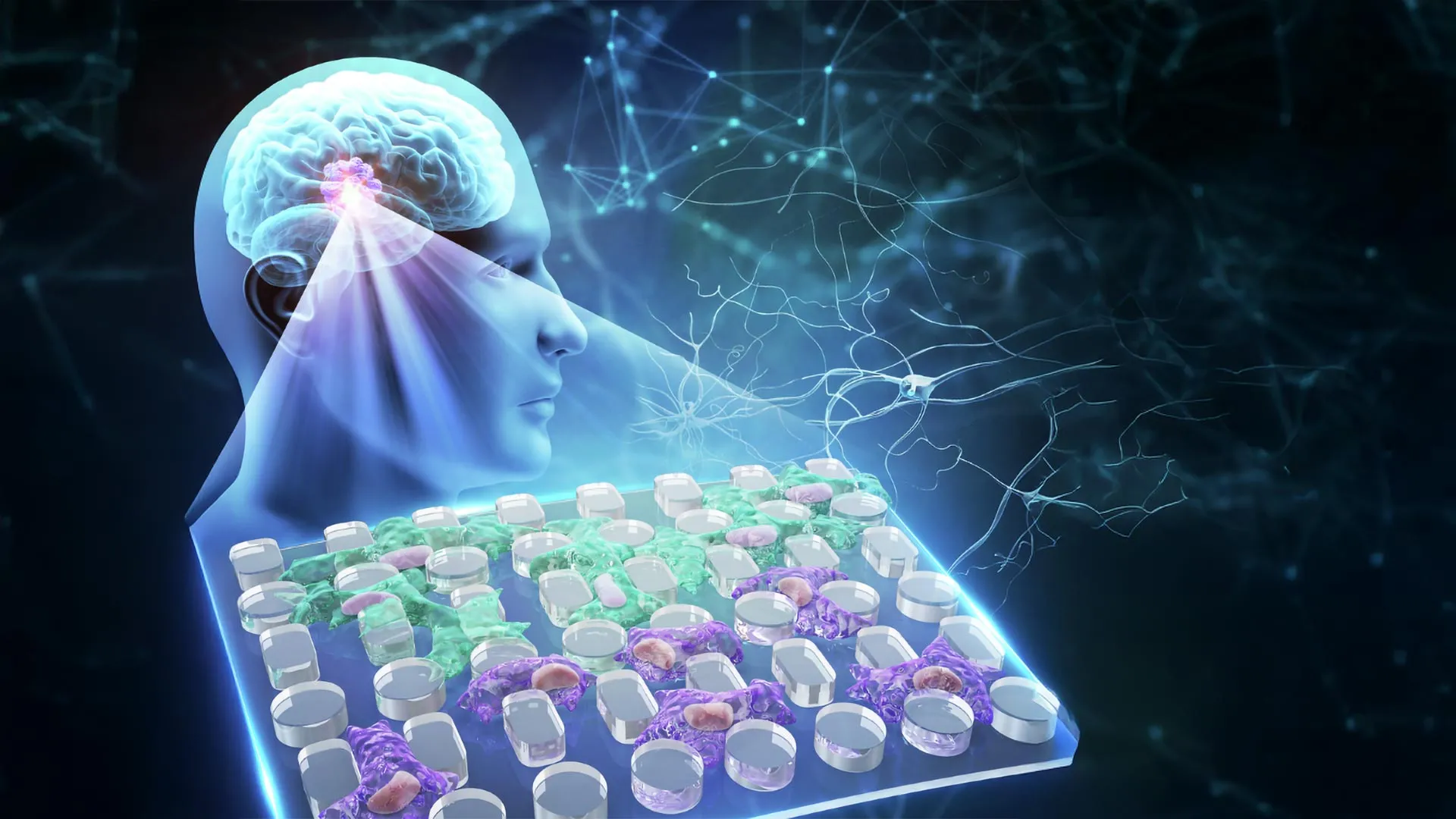
For more than a century, the architectural understanding of the human brain was dominated by a "neuron-centric" view, wherein neurons were considered the sole architects of signaling and behavior, while other cell types were relegated to the status of passive scaffolding. However, a landmark study published in the Proceedings of the National Academy of Sciences (PNAS) on April 6, 2026, has fundamentally disrupted this hierarchy. The research, a decade-long collaborative effort between the University of Concepción in Chile and the University of Maryland (UMD) in the United States, reveals that astrocytes—star-shaped non-neuronal cells—play a decisive and active role in how the brain regulates appetite and nutritional intake. By identifying a previously unknown communication circuit involving tanycytes, astrocytes, and neurons, the study opens a new frontier in the pharmacological treatment of obesity, metabolic syndrome, and eating disorders.
The Shifting Paradigm of Glial Biology
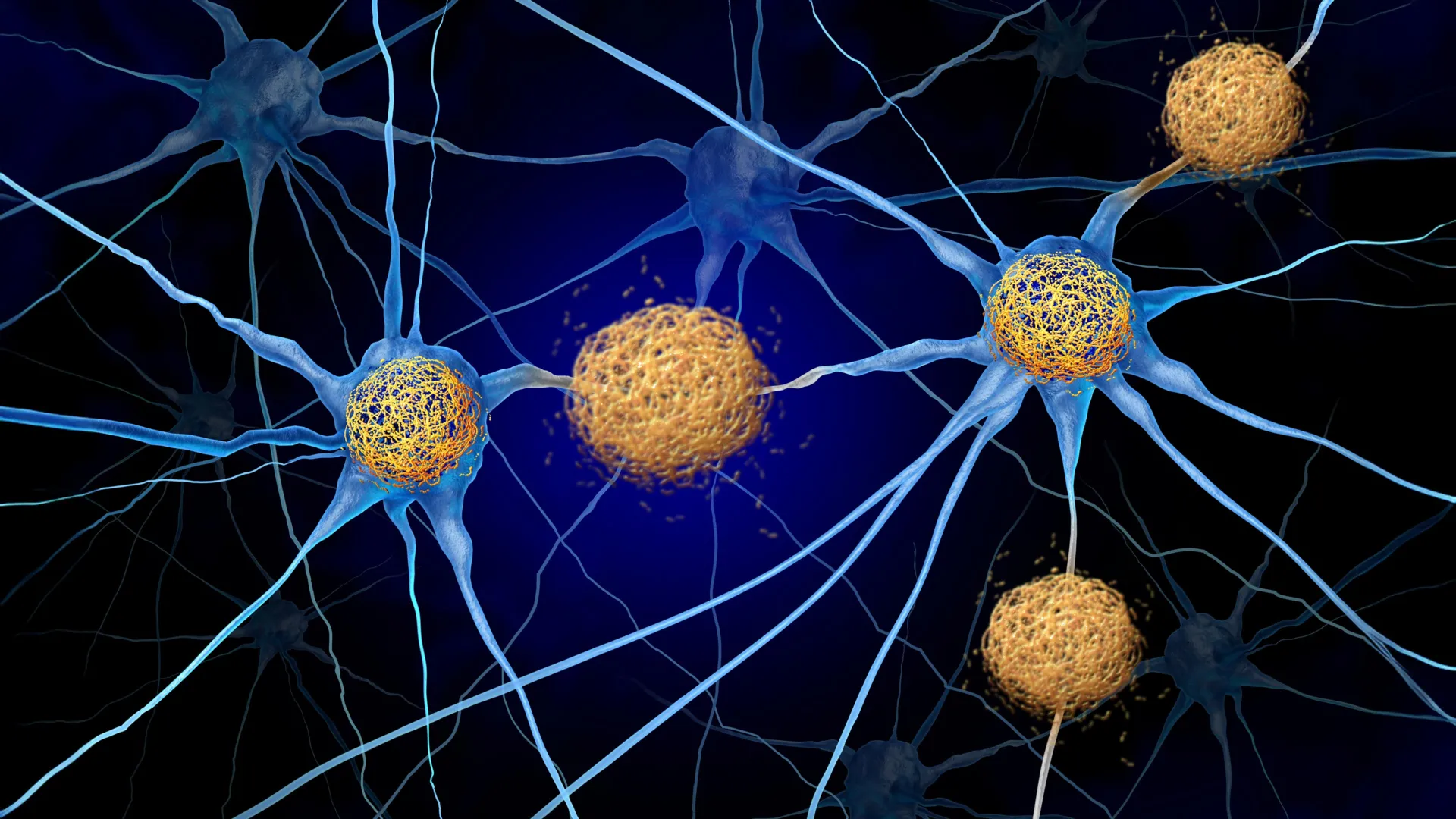
Traditionally, astrocytes were categorized as "glia," a term derived from the Greek word for "glue." Early neuroscientists believed these cells served merely to hold neurons in place, provide structural support, and clean up metabolic waste. While the last two decades have seen a slow rise in the appreciation of glial cells, this new research provides some of the most definitive evidence to date that astrocytes are primary participants in the brain’s decision-making processes regarding hunger.
The hypothalamus, a small but vital region at the base of the brain, serves as the command center for homeostasis. It integrates hormonal signals from the body with neural signals from the brain to dictate when an organism should seek food and when it should stop eating. Within this region, the arcuate nucleus contains two primary populations of neurons: pro-opiomelanocortin (POMC) neurons, which suppress appetite, and agouti-related peptide (AgRP) neurons, which stimulate hunger. While scientists have long understood how these neurons function, the mechanism by which they "sense" glucose levels in the blood and cerebrospinal fluid has remained partially obscured—until now.
The Discovery of the Tanycyte-Astrocyte-Neuron Pathway
The research team, led by Principal Investigator María de los Ángeles García-Robles of the University of Concepción and corresponding author Ricardo Araneda, a professor of biology at UMD, uncovered a sophisticated relay system that begins with specialized cells called tanycytes. These cells line the walls of the third ventricle, a fluid-filled cavity in the brain, and possess long processes that extend into the hypothalamus.
As glucose levels rise following a meal, tanycytes detect the increase in the cerebrospinal fluid. Rather than signaling neurons directly, tanycytes metabolize this glucose into lactate. This lactate is then released into the extracellular space of the hypothalamus, where it encounters neighboring astrocytes.
"We found that there was an unexpected middleman in that conversation," explained Professor Araneda. "Researchers used to think that lactate produced from tanycytes ‘spoke’ directly to neurons. But our data shows that astrocytes are the essential bridge."
The study identifies the HCAR1 (Hydroxycarboxylic Acid Receptor 1) on the surface of astrocytes as the critical lock for the lactate key. When lactate binds to the HCAR1 receptor, it triggers a calcium-dependent signaling cascade within the astrocyte, prompting the release of glutamate. Glutamate, the brain’s primary excitatory neurotransmitter, then activates the POMC neurons, which send the "fullness" signal to the rest of the body.
Experimental Methodology and Supporting Data
The findings are the result of rigorous experimental protocols involving advanced imaging and optogenetics. In one pivotal experiment, the researchers introduced glucose into a single tanycyte while monitoring the surrounding environment using high-resolution microscopy. They observed that the activation of one tanycyte did not result in a localized, isolated response; instead, it triggered a wave of activity across multiple neighboring astrocytes.
This "chain reaction" suggests that the brain does not rely on a simple one-to-one cellular signal but rather a networked response that amplifies the metabolic signal. The study also highlighted a "dual effect" in the hypothalamus. While the astrocyte-mediated pathway activates satiety-inducing POMC neurons, the researchers hypothesize that lactate may simultaneously inhibit hunger-promoting AgRP neurons through a separate, perhaps more direct, route. This synchronized "push-pull" mechanism ensures that the body receives a clear, unambiguous signal to stop eating.
Quantitative data from the study showed that when the HCAR1 receptor in astrocytes was chemically or genetically inhibited, the subsequent activation of POMC neurons was significantly diminished, even in the presence of high glucose levels. This confirms that the astrocyte is not just a helper but a necessary component of the satiety circuit.
A Decade of International Collaboration
The publication in PNAS marks the culmination of nearly ten years of scientific partnership. The project was spearheaded by the laboratory of María de los Ángeles García-Robles at the University of Concepción and supported by the Millennium Institute of Neuroscience in Valparaíso. The cross-continental collaboration allowed the teams to combine Chile’s expertise in metabolic signaling with the University of Maryland’s advanced neurophysiological toolkits.
The study’s lead author, Sergio López, a doctoral student co-mentored by both institutions, spent eight months at UMD conducting the complex experiments required to map these cellular interactions. The project was funded by a combination of international sources, including Chile’s National Fund for Scientific and Technological Development (FONDECYT) and the U.S. National Institutes of Health (NIH) under Award No. R01AG088147A.
Implications for the Global Obesity Epidemic
The discovery comes at a critical time for global public health. According to the World Health Organization (WHO), global obesity rates have nearly tripled since 1975, with over 650 million adults currently classified as obese. Obesity is a primary driver of type 2 diabetes, cardiovascular disease, and certain types of cancer.
While the pharmaceutical industry has seen a recent breakthrough with GLP-1 receptor agonists like semaglutide (marketed as Ozempic and Wegovy), these drugs primarily target hormones in the gut and their receptors in the brain. The identification of the HCAR1-astrocyte pathway provides an entirely different target for drug development.
"We now have a different mechanism where we might be able to target astrocytes or specifically this HCAR1 receptor," Araneda noted. "It would be a novel target that may complement existing therapies… and improve the lives of many who suffer from obesity and other appetite-related conditions."
Medical analysts suggest that targeting the brain’s internal metabolic sensing mechanism could lead to treatments with fewer gastrointestinal side effects than current weight-loss medications. Furthermore, understanding the astrocyte’s role could help explain why some individuals develop "leptin resistance" or "insulin resistance" in the brain, where the satiety signals are present but the brain fails to respond to them.
Future Research and Clinical Potential
The next phase of the research will involve testing whether modulating the HCAR1 receptor can actively change eating behavior in long-term animal models. If the team can demonstrate that activating this receptor leads to sustained weight loss or improved metabolic health without adverse effects, the pathway for human clinical trials could open within the next few years.
Beyond obesity, the research has implications for eating disorders such as anorexia nervosa and bulimia, where the brain’s perception of satiety and hunger is dysregulated. By understanding the cellular "conversations" that define these states, clinicians may eventually be able to "retune" the hypothalamic circuits.
The scientific community has reacted with high interest to the PNAS report. Independent neuroscientists have noted that the study reinforces the "tripartite synapse" model—the idea that a synapse consists not just of two neurons (pre-synaptic and post-synaptic) but also the surrounding glial cells that modulate the signal.
Conclusion: A New Chapter in Neuroscience
The study "Tanycyte-derived lactate activates astrocytic HCAR1 to modulate glutamatergic signaling and POMC neuron excitability" represents a significant milestone in our understanding of the "hidden" brain. By elevating the astrocyte from a background support cell to a central player in metabolic control, the researchers from the University of Concepción and the University of Maryland have not only solved a biological puzzle but have also provided a roadmap for future medical breakthroughs.
As the scientific world moves forward, the focus is likely to shift further toward these non-neuronal cells. The discovery reminds the medical community that the key to solving complex human health issues often lies in the overlooked "support" systems that have been functioning right before our eyes for eons. The collaboration between Chile and the United States stands as a testament to the power of international scientific cooperation in addressing global health challenges.