In a landmark study published in the journal Nature, researchers from the Wellcome Sanger Institute and their international collaborators have decoded the early life history of chronic myeloid leukemia (CML), revealing that the cancer undergoes a period of "explosive" growth years before a clinical diagnosis is ever made. The findings challenge long-held assumptions about the slow progression of chronic cancers, demonstrating that CML cells can multiply at rates exceeding 100,000 percent annually. This research not only pinpoints the chronological window in which the cancer originates but also explains why certain patients, particularly younger individuals, may face more aggressive forms of the disease that resist standard therapies.
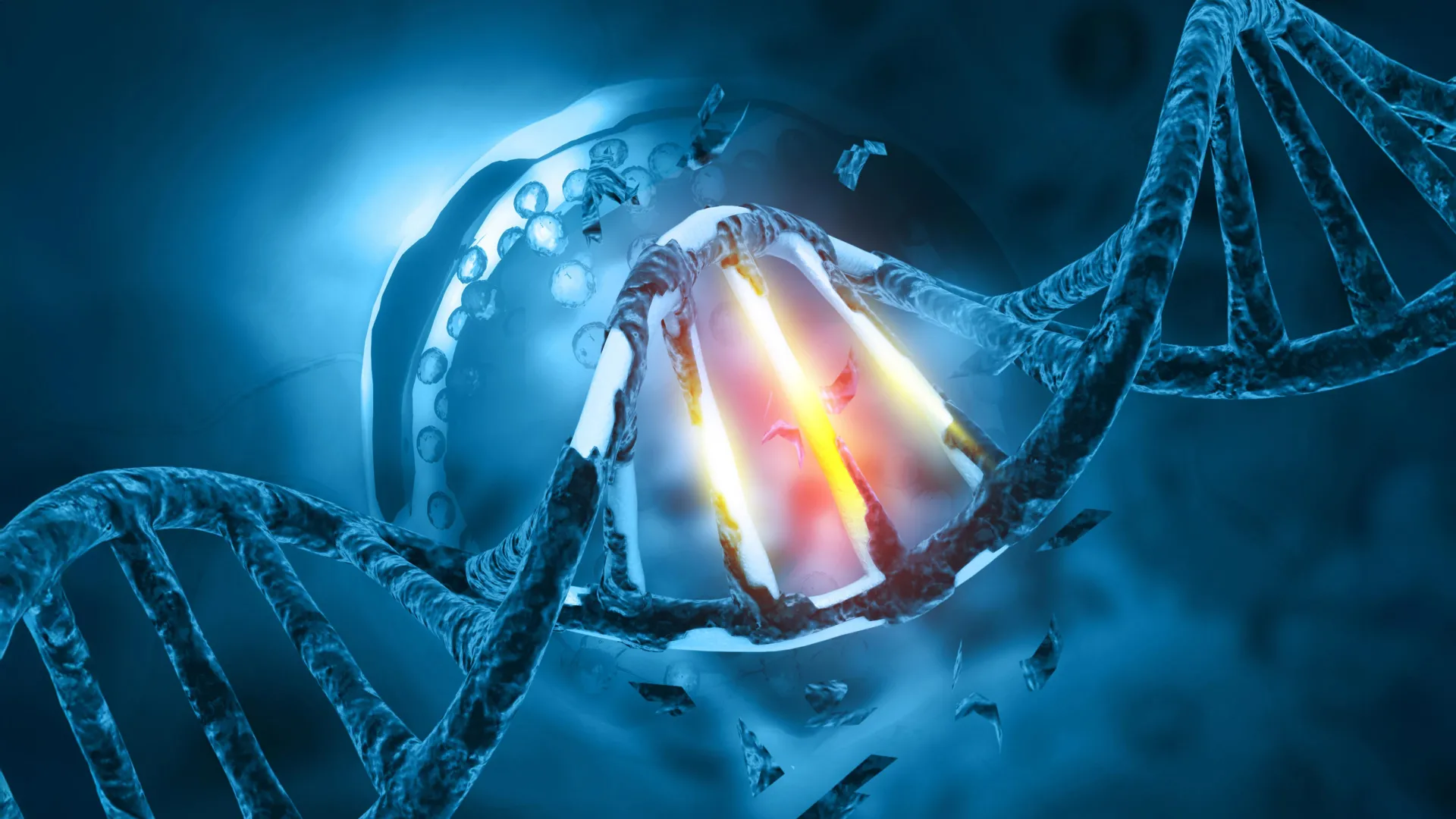
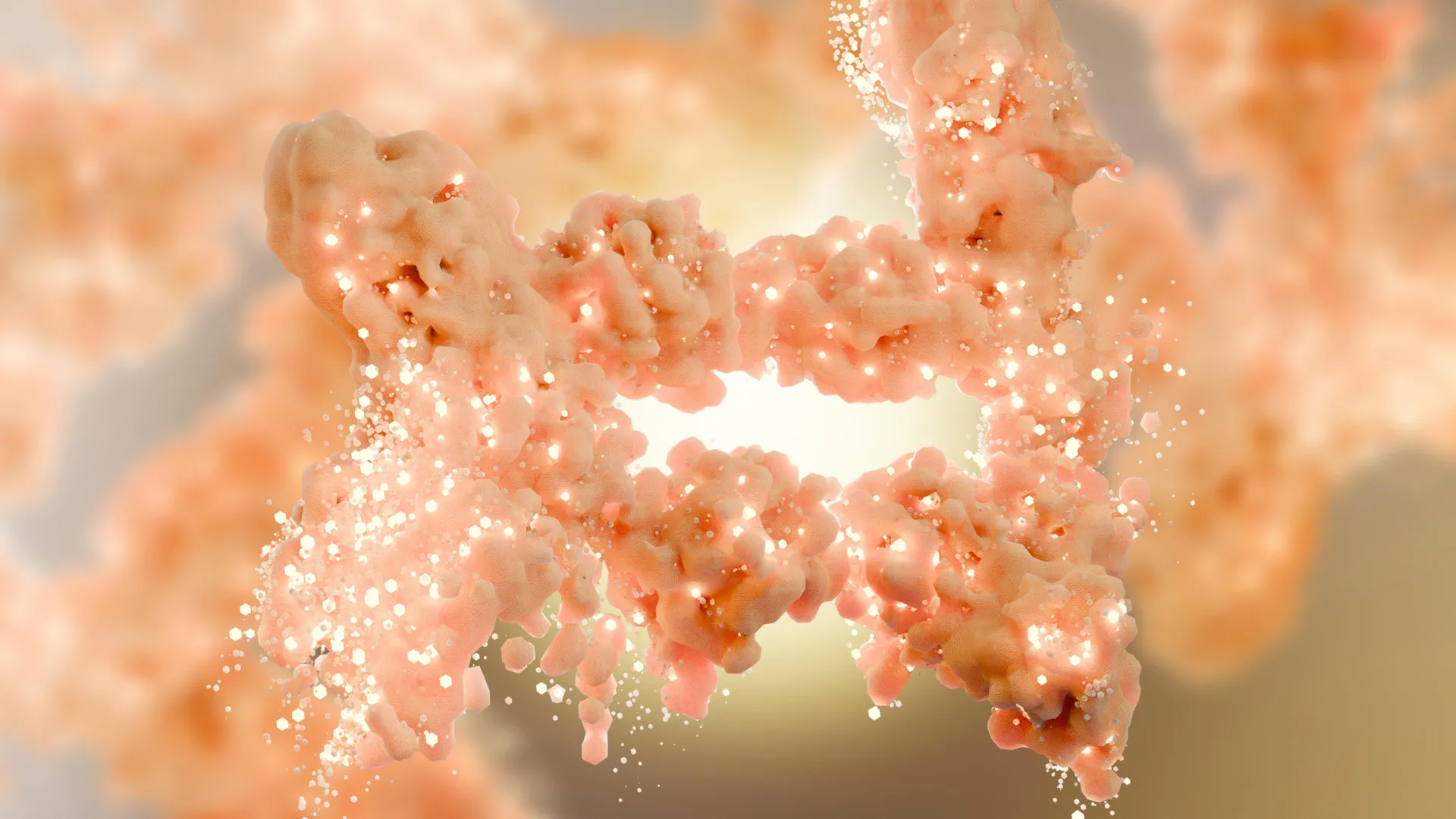
Chronic myeloid leukemia is a primary cancer of the bone marrow and blood, characterized by the overproduction of white blood cells. For decades, it has served as a model for precision medicine because its genetic cause is remarkably consistent: the formation of the "Philadelphia chromosome." This occurs when a piece of chromosome 9 breaks off and attaches to chromosome 22, resulting in the fusion of the BCR and ABL1 genes. This new fusion gene, BCR::ABL1, acts as a permanent "on switch," signaling the bone marrow to continuously produce abnormal white blood cells. While the existence of this mutation has been known since 1960, the timeline of its emergence and the speed at which it drives the disease remained a mystery until now.
The Evolutionary Journey of a Single Cell
To map the hidden history of CML, the research team utilized advanced whole-genome sequencing to analyze over 1,000 single blood cells from nine patients. These participants represented a broad demographic spectrum, with ages ranging from 22 to 81 years. By examining the unique patterns of somatic mutations—natural genetic "typos" that accumulate over a person’s lifetime—the researchers were able to construct phylogenetic trees, essentially creating a detailed family tree for every cell.
These trees allowed the team to trace the lineage of the cancer back to its point of origin. The data revealed that the BCR::ABL1 fusion typically occurs between three and 14 years before a patient begins to show symptoms or receives a diagnosis. This finding is significant because it defines a specific "latent period" where the cancer is present but undetected. Unlike many other cancers, such as colon or lung cancer, which often require a sequence of five to ten different mutations accumulating over decades to become malignant, CML appears to be driven by this single, powerful genetic event.
Once the BCR::ABL1 fusion takes place, the growth trajectory of the resulting "clone"—the population of genetically identical cancer cells—is unprecedented. The study observed annual growth rates that are substantially higher than those seen in almost any other type of cancer. In some instances, the cancer cell population expanded by more than 1,000-fold in a single year. This "explosive" expansion explains how a single rogue cell can overwhelm the entire blood-production system in a relatively short period.
The Impact of Age on Malignant Expansion
One of the most striking discoveries of the study is the correlation between a patient’s age and the speed of cancer growth. The researchers found that younger patients generally exhibited much higher rates of cancer cell multiplication than older patients. In the younger cohort, the BCR::ABL1-positive cells expanded with aggressive speed, whereas in older individuals, the growth was comparatively more measured, though still rapid by oncological standards.
This age-related disparity provides a biological explanation for clinical observations that have puzzled hematologists for years. Younger CML patients often present with higher white blood cell counts and more pronounced symptoms at the time of diagnosis. The Sanger Institute’s research suggests that the cellular environment of a younger person’s bone marrow may be more conducive to the rapid proliferation of BCR::ABL1 clones, or perhaps the immune systems of younger individuals interact differently with the nascent cancer.
Furthermore, the study highlighted a critical link between growth rates and treatment outcomes. Since the early 2000s, the standard of care for CML has been Tyrosine Kinase Inhibitors (TKIs), such as Imatinib (Gleevec). These drugs specifically target the protein produced by the BCR::ABL1 gene, effectively turning off the "on switch." While TKIs have transformed CML from a fatal disease into a manageable chronic condition for most, approximately 20 percent of patients do not respond well to the therapy.
The researchers discovered that patients with the fastest-growing CML clones were significantly less likely to achieve a deep molecular response to TKI treatment. This suggests that the inherent "fitness" or growth vigor of the cancer cells at the time of origin dictates how they will behave when challenged by medication years later.
Analyzing the General Population: The "All of Us" Cohort
To determine whether the BCR::ABL1 fusion gene could exist harmlessly in the general population without ever progressing to leukemia, the team expanded their investigation. They analyzed genomic data and health records from over 200,000 participants in the "All of Us" Research Program, a massive health database in the United States.
The comparative analysis yielded a stark conclusion: the presence of the BCR::ABL1 fusion is almost always a precursor to disease. Nearly every individual in the cohort who was found to carry the mutation was either already diagnosed with a blood disorder or went on to develop one shortly thereafter. This differentiates CML from other conditions like Clonal Hematopoiesis of Indeterminate Potential (CHIP), where individuals carry mutations that increase cancer risk but often never develop the disease. For BCR::ABL1, the mutation is so potent that it almost inevitably leads to clinical leukemia, reinforcing the "single-hit" theory of CML’s high oncogenic potential.
Expert Perspectives and Clinical Implications
The research has drawn significant attention from the global medical community, as it provides a new lens through which to view cancer progression. Dr. Aleksandra Kamizela, co-first author of the study and a resident doctor at the Lister Hospital, emphasized the gap between current diagnostic tools and the underlying genetic reality.
"In a clinical setting, healthcare professionals will perform a reverse transcription polymerase chain reaction (RT-PCR) test to measure a patient’s response to CML treatment," Dr. Kamizela stated. "However, they are not able to routinely see differences in the genetic cause of CML in patients at the DNA level, which we have been able to highlight in our study. Our findings also provide a rationale to look at the rate of cancer growth more closely in future studies in order to understand if we can use such information in a clinical setting."
The ability to calculate the growth rate of a patient’s cancer could lead to a more personalized approach to treatment. If doctors can identify patients with high-growth clones at the point of diagnosis, they might opt for more aggressive second-generation TKIs or combination therapies immediately, rather than waiting for first-line treatments to fail.
Dr. Jyoti Nangalia, the study’s senior author and a hematologist at the University of Cambridge, noted that CML stands as a unique outlier in the world of oncology. "What our study suggests is that chronic myeloid leukemia is an outlier compared to other cancers—both solid tumors and other blood cancers," Dr. Nangalia explained. "We have shown that chronic myeloid leukemia cells undergo incredibly rapid growth within a few years to a decade before diagnosis, whereas for most cancers, the timeline from start to clinical presentation is several decades. This work paves the way to understanding how we might optimize treatment for those patients that currently respond poorly to treatment."
A New Framework for Cancer Research
The implications of the Sanger Institute’s study extend beyond leukemia. By proving that a single genetic fusion can drive such massive and rapid cellular expansion, the research challenges the "multi-step" model of carcinogenesis as a universal rule. It suggests that for some cancers, the "fitness" advantage provided by a single mutation is so overwhelming that the cell bypasses the traditional slow accumulation of damage.
Furthermore, the study’s use of phylogenetic trees to "time-travel" through a tumor’s history offers a blueprint for studying other cancers. If researchers can identify the latent periods and growth rates of different malignancies, the medical community may move closer to the goal of early detection and interception.
As the scientific community digests these findings, the focus shifts to how this genomic data can be integrated into routine hospital care. While whole-genome sequencing of single cells remains a sophisticated and costly technique, the insights gained from this study provide the biomarkers and growth models necessary to develop simpler diagnostic tests. For the thousands of patients diagnosed with CML annually, these findings offer hope for more precise prognoses and a treatment strategy that is as dynamic and fast-moving as the cancer itself.