In a landmark study that may redefine the scientific understanding of how the body grows old, researchers have identified a specific protein in the brain that appears to act as a master switch for the aging process. The research, published in the peer-reviewed journal PLOS Biology, suggests that the decline of a protein known as Menin within the hypothalamus triggers a cascade of age-related physiological changes, including systemic inflammation, bone loss, skin thinning, and cognitive impairment. By manipulating this protein in laboratory settings, scientists from Xiamen University in China were able to not only accelerate the aging process in young mice but, more significantly, reverse several markers of decline in elderly subjects.
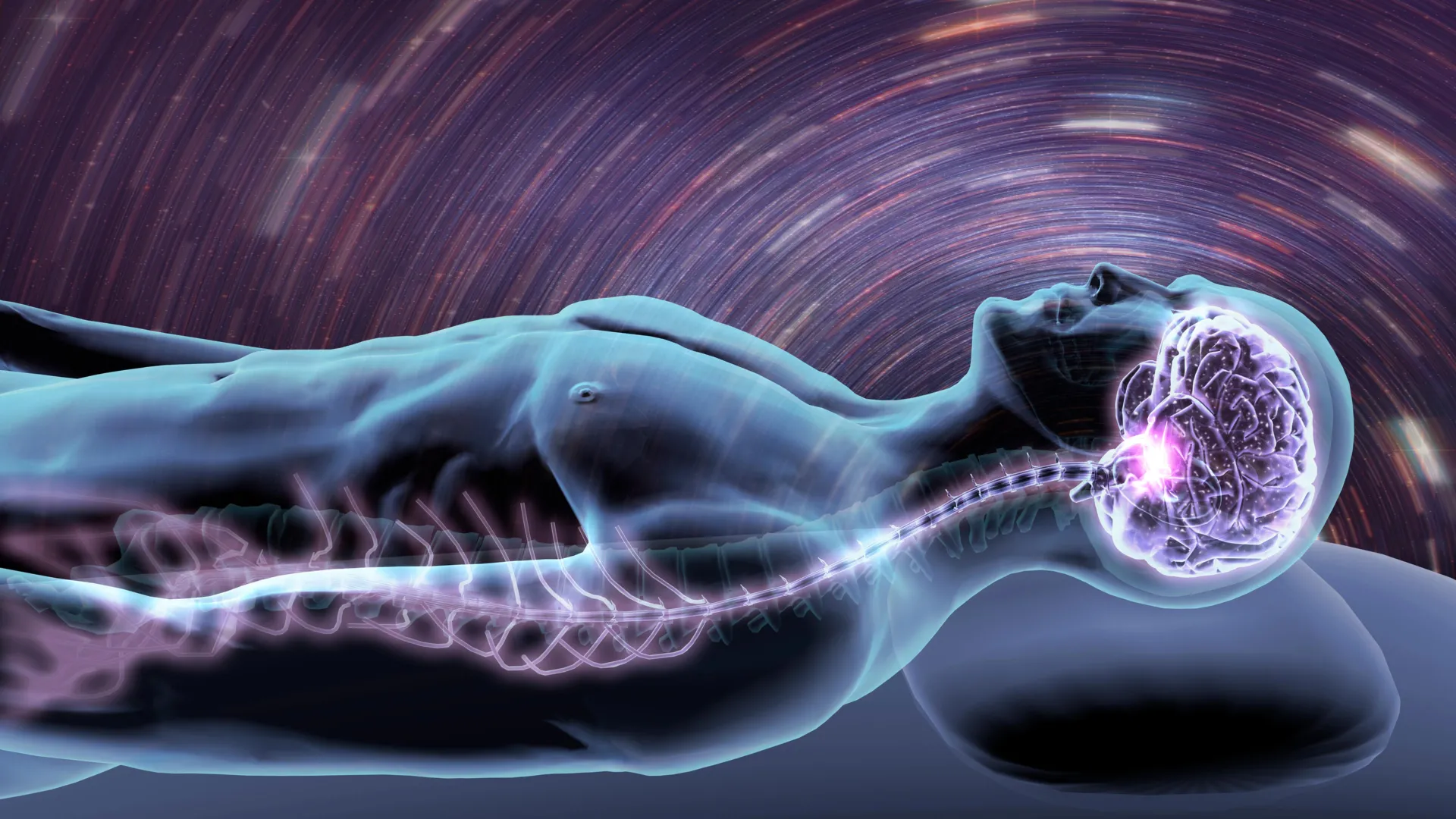
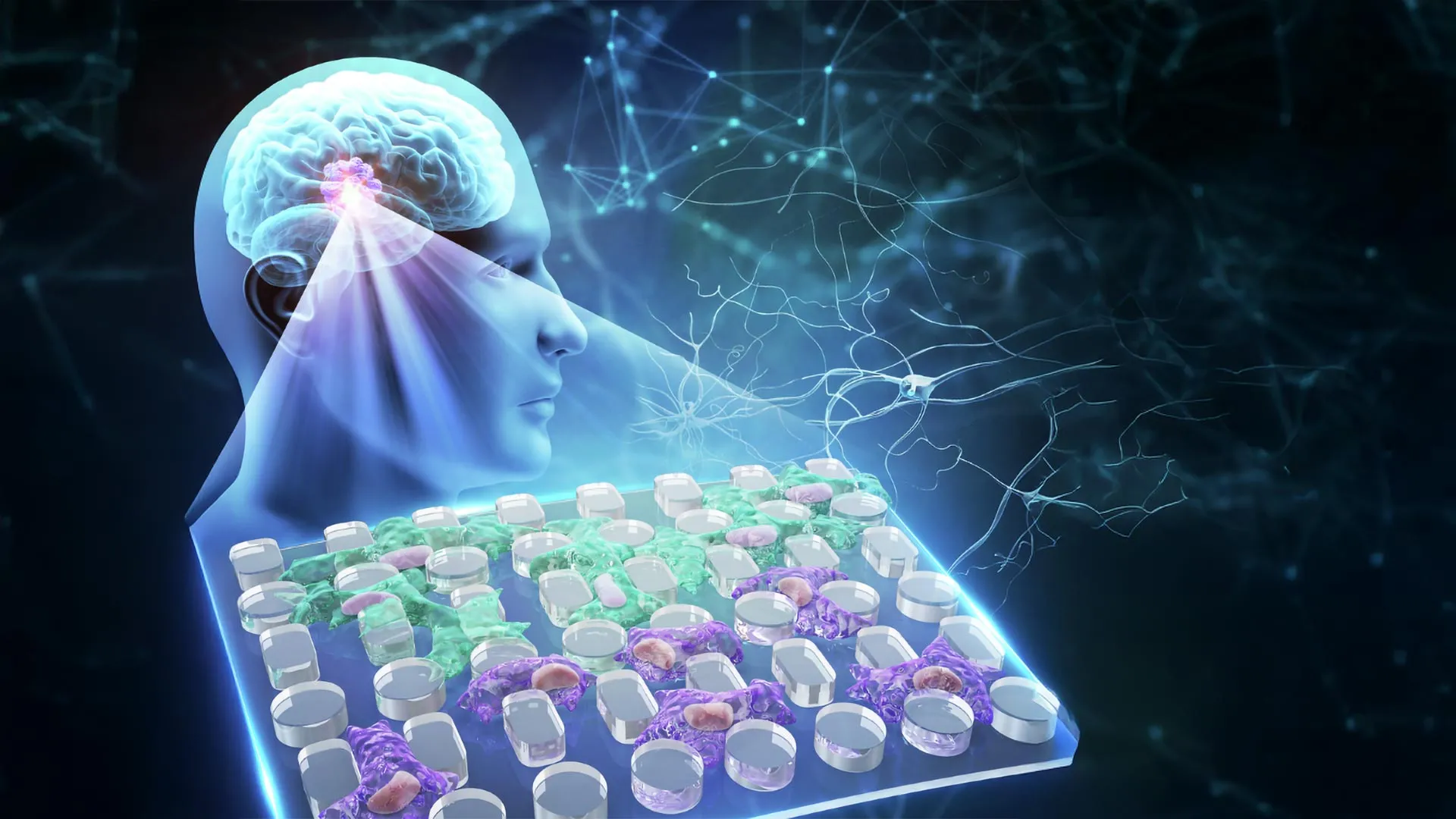
The discovery places the hypothalamus—a small, almond-sized region at the base of the brain—at the forefront of gerontology. Long known for its role in regulating vital functions such as body temperature, hunger, sleep, and the endocrine system, the hypothalamus is increasingly viewed by the scientific community as a "central command center" that coordinates the rate at which an organism ages. This study provides a granular look at the molecular mechanisms behind this control, identifying Menin as a critical mediator of longevity and neurological health.
The Hypothalamic Command Center and the Role of Menin
The research team, led by Professor Lige Leng, focused their investigation on the ventromedial hypothalamus (VMH), a sub-region known to influence metabolism and various systemic functions. The protein Menin has historically been studied for its role in suppressing tumors and regulating cell division. However, its specific function within the central nervous system, particularly concerning the aging process, remained largely unexplored until now.
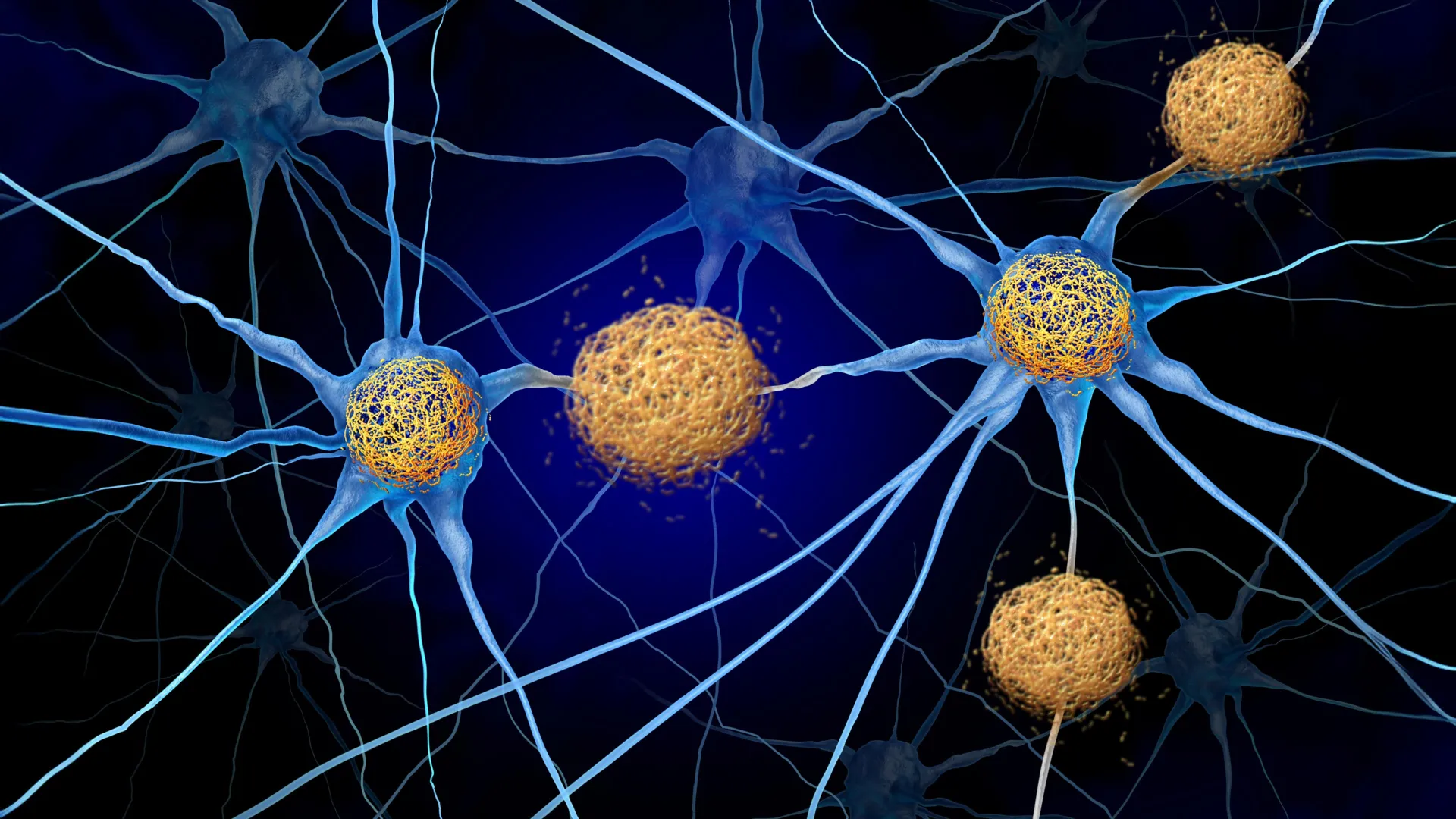
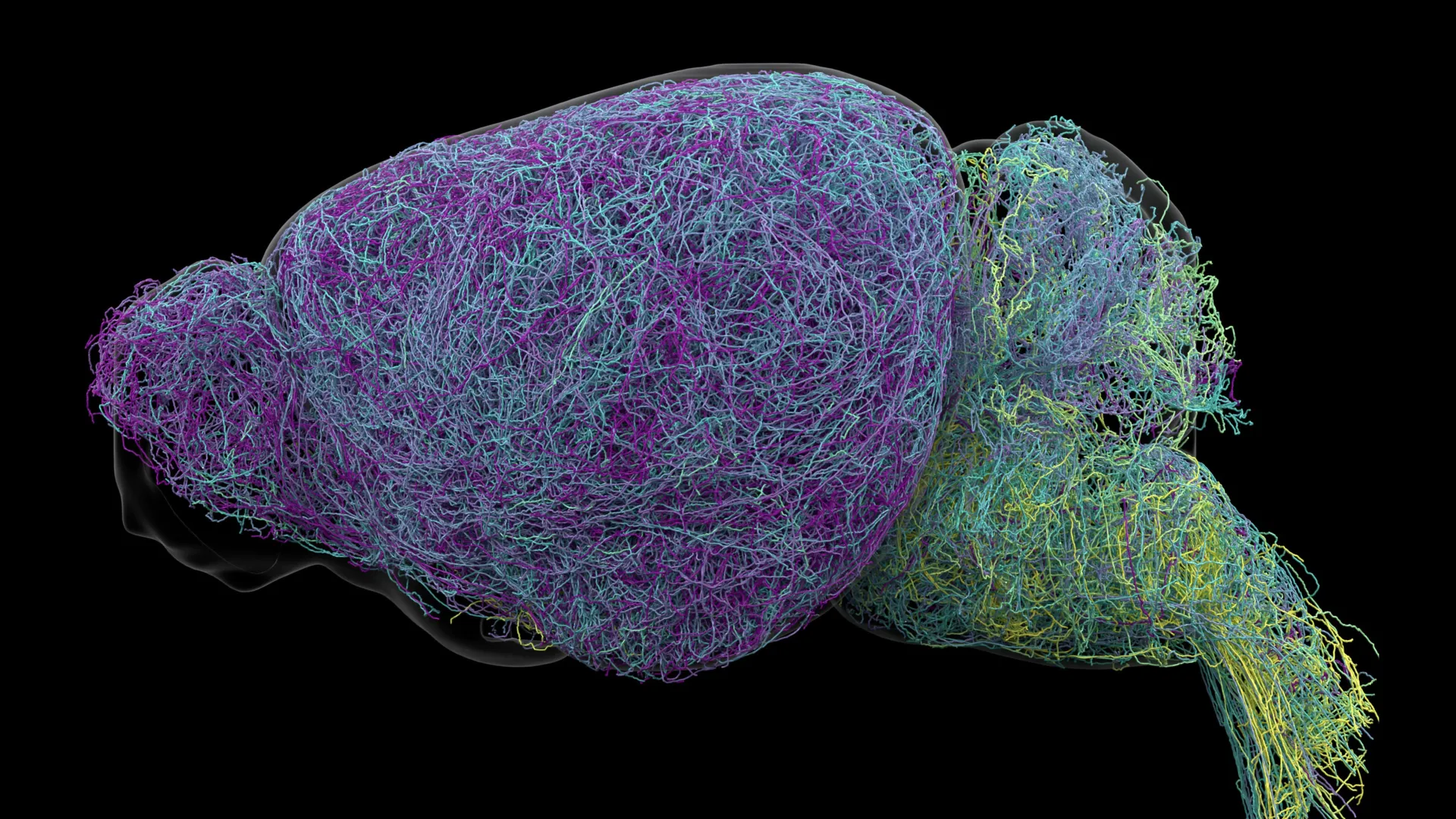
Through a series of comparative analyses, the researchers observed a striking correlation between age and Menin expression. In aging mice, the levels of Menin in the VMH plummeted. This decline was found to be cell-specific, occurring predominantly within neurons rather than in the surrounding glial cells, such as astrocytes or microglia. This specificity suggests that the aging "timer" is hardwired into the neural circuitry of the hypothalamus.
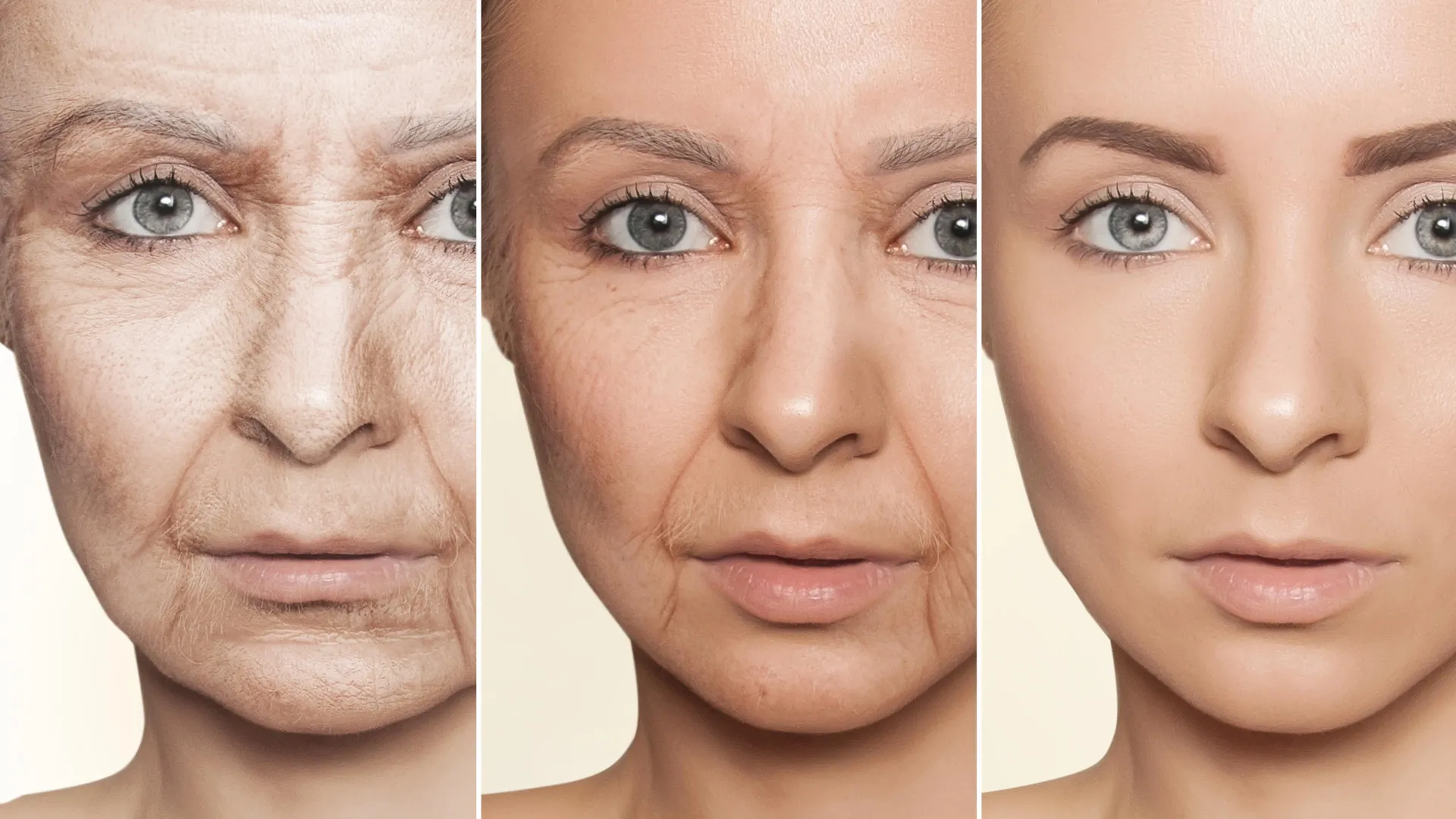
To confirm the protein’s influence, the team utilized genetic engineering to prematurely reduce Menin levels in young, healthy mice. The results were immediate and profound. These "accelerated aging" mice exhibited a range of phenotypes typically seen in much older animals: their skin became thinner, bone density decreased, and their performance on cognitive tests involving memory and spatial navigation declined sharply. Furthermore, these mice had a significantly shorter lifespan than their unmodified counterparts, reinforcing the theory that Menin serves as a vital protective factor against biological decay.
The Biochemical Link: Menin and D-Serine Production
One of the most significant contributions of the Xiamen University study is the identification of the biochemical pathway through which Menin exerts its influence on the brain. The researchers discovered that the loss of Menin leads to a deficiency in D-serine, an essential amino acid that functions as a neurotransmitter.
D-serine is a co-agonist of the NMDA receptor, which is fundamental to synaptic plasticity—the brain’s ability to strengthen or weaken connections between neurons in response to new information. This process is the biological bedrock of learning and memory. The study revealed that Menin regulates the expression of the enzyme serine racemase, which is responsible for synthesizing D-serine from L-serine. When Menin levels drop, the production of D-serine stalls, leading to the "brain fog" and memory lapses characteristic of old age.
While D-serine is found naturally in a variety of nutrient-dense foods—including fish, nuts, eggs, and soybeans—the body’s ability to utilize these sources for brain health appears to be mediated by the hypothalamic signaling pathways identified in this research. The connection suggests that cognitive decline in the elderly may not just be a matter of "wear and tear" on neurons, but a metabolic failure driven by a specific protein deficiency in the brain’s regulatory center.
Reversing the Clock: Experimental Success in Elderly Models
The most promising aspect of the study involved the reversal of aging markers in elderly mice. The research team targeted mice that were 20 months old—an age roughly equivalent to 70 or 80 years in human terms. Using a viral vector to deliver the Menin gene directly into the VMH, the researchers restored the protein to youthful levels.
Within 30 days of treatment, the elderly mice showed remarkable physiological and cognitive improvements. Their skin regained thickness, and bone mass density increased, suggesting that the hypothalamus sends systemic signals that can trigger tissue repair throughout the body. On the cognitive front, the mice performed significantly better in the Morris water maze, a standard test for hippocampal-dependent learning and memory.
The team also explored whether a less invasive approach—oral supplementation of D-serine—could yield similar results. While D-serine supplements improved the cognitive scores of the elderly mice, they did not have the same regenerative effect on skin and bone as the direct Menin gene therapy. This finding indicates that while D-serine is a crucial component for brain function, Menin likely regulates multiple downstream pathways that control the physical aging of the body.
Contextualizing the Findings: A New Era of Aging Research
The Xiamen University study does not exist in a vacuum; it builds upon a growing body of evidence suggesting that aging is a programmed process rather than a random accumulation of damage. In recent years, researchers have looked at how various hormones and signaling molecules within the hypothalamus, such as oxytocin and gonadotropin-releasing hormone (GnRH), influence the aging of peripheral tissues.
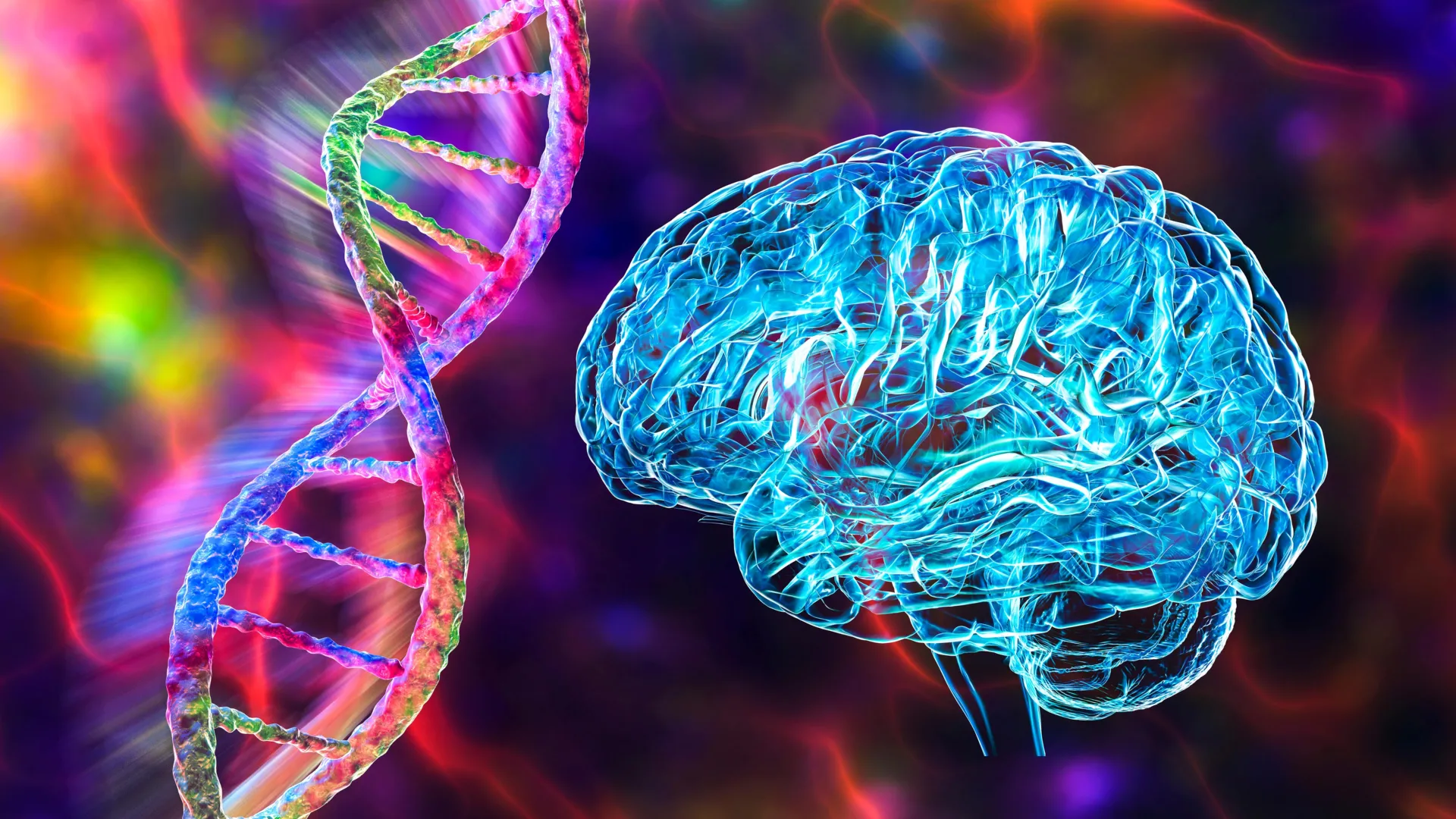
A related study published in Nature Communications in 2024 highlighted how epigenetic changes—chemical modifications to DNA that turn genes on or off—occur within the hypothalamus as an organism ages. These changes can alter the "set points" for metabolism and inflammation, effectively telling the body to begin the process of senescence. The discovery of Menin adds a specific molecular "switch" to this complex regulatory network, providing a potential target for future pharmacological interventions.
The implications of this research are vast. If the hypothalamus truly acts as the body’s aging clock, and if proteins like Menin are the gears that drive that clock, then the medical community may eventually be able to "reset" the timer. This shifts the focus of geriatric medicine from treating individual diseases—such as osteoporosis, dementia, or sarcopenia—to addressing the central root cause of aging itself.
Professional Analysis and Future Implications
While the results in mice are compelling, the scientific community remains cautious regarding the translation of these findings to human health. The biological distance between rodents and humans is significant, particularly concerning the complexity of the prefrontal cortex and the nuances of human metabolism.
"The study is a tour de force in identifying a specific molecular pathway for hypothalamic aging," noted one independent researcher in the field of neuroendocrinology. "However, we must consider the safety of manipulating Menin. Because Menin is a tumor suppressor, artificially increasing its levels across the body could have unintended consequences. The challenge will be targeting the hypothalamus specifically and safely."
Furthermore, the long-term effects of D-serine supplementation in humans are not yet fully understood. While it is currently available as a dietary supplement, high doses over extended periods could potentially interfere with other neurotransmitter systems or renal function.
Despite these hurdles, the research provides a clear roadmap for future clinical trials. The next steps for the Xiamen University team and other laboratories will likely involve primate studies to see if the Menin-D-serine pathway functions similarly in higher-order mammals. Additionally, researchers may look for "Menin-mimetic" compounds—small molecules that can cross the blood-brain barrier and replicate the protein’s protective effects without the need for gene therapy.
Conclusion
The identification of Menin as a key regulator of aging marks a significant milestone in the quest to understand the human lifespan. By demonstrating that cognitive and physical decline are linked to a specific protein deficiency in the hypothalamus, the study offers hope that the most debilitating aspects of aging are not inevitable.
As Professor Lige Leng concluded, Menin appears to be the "key protein connecting the genetic, inflammatory, and metabolic factors of aging." Whether through direct gene intervention or targeted nutritional strategies involving D-serine, the ability to slow or even partially reverse the biological clock may eventually move from the realm of laboratory mice into human clinical practice. For now, the research stands as a powerful testament to the brain’s role as the orchestrator of life, health, and the passage of time.