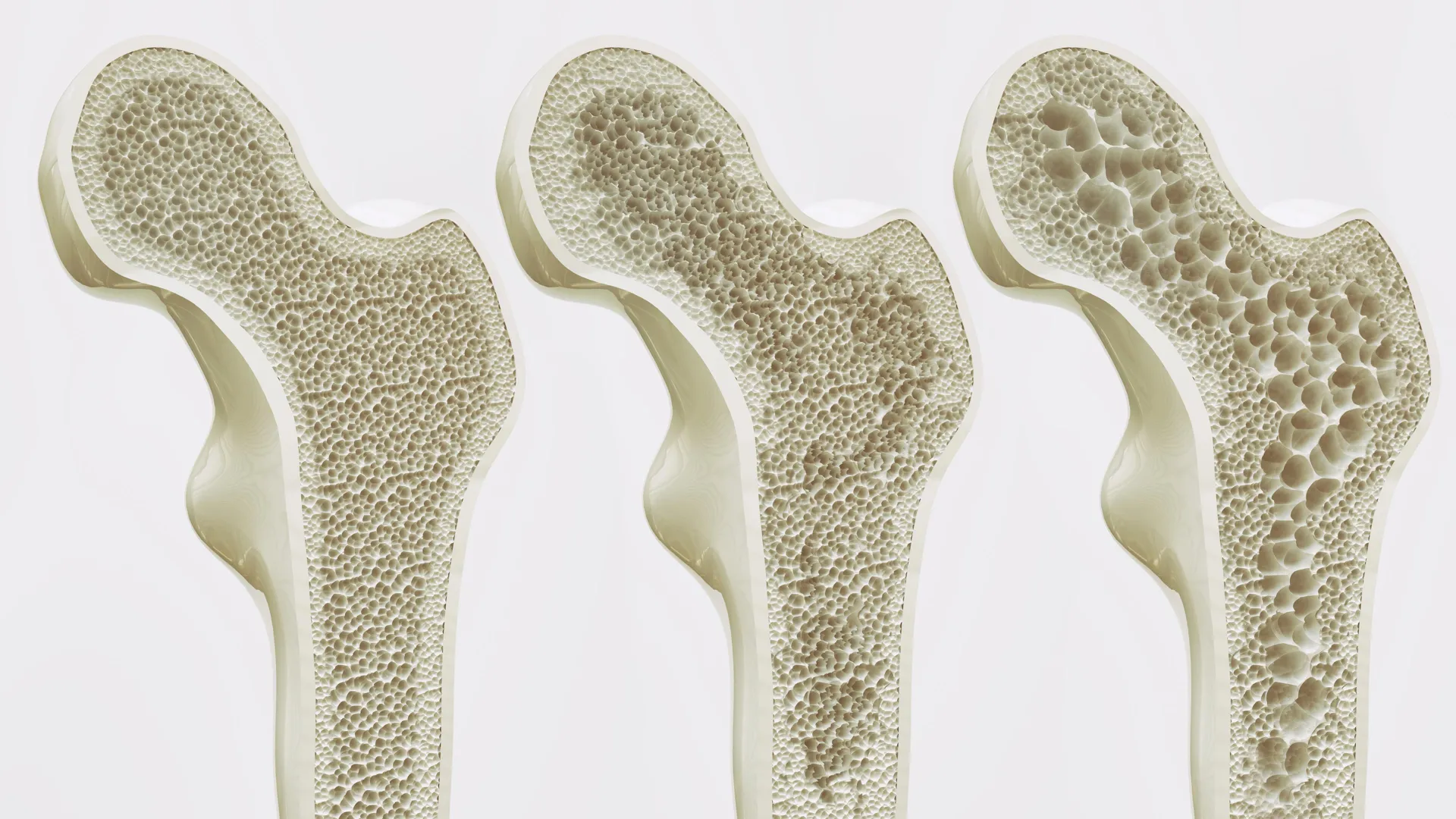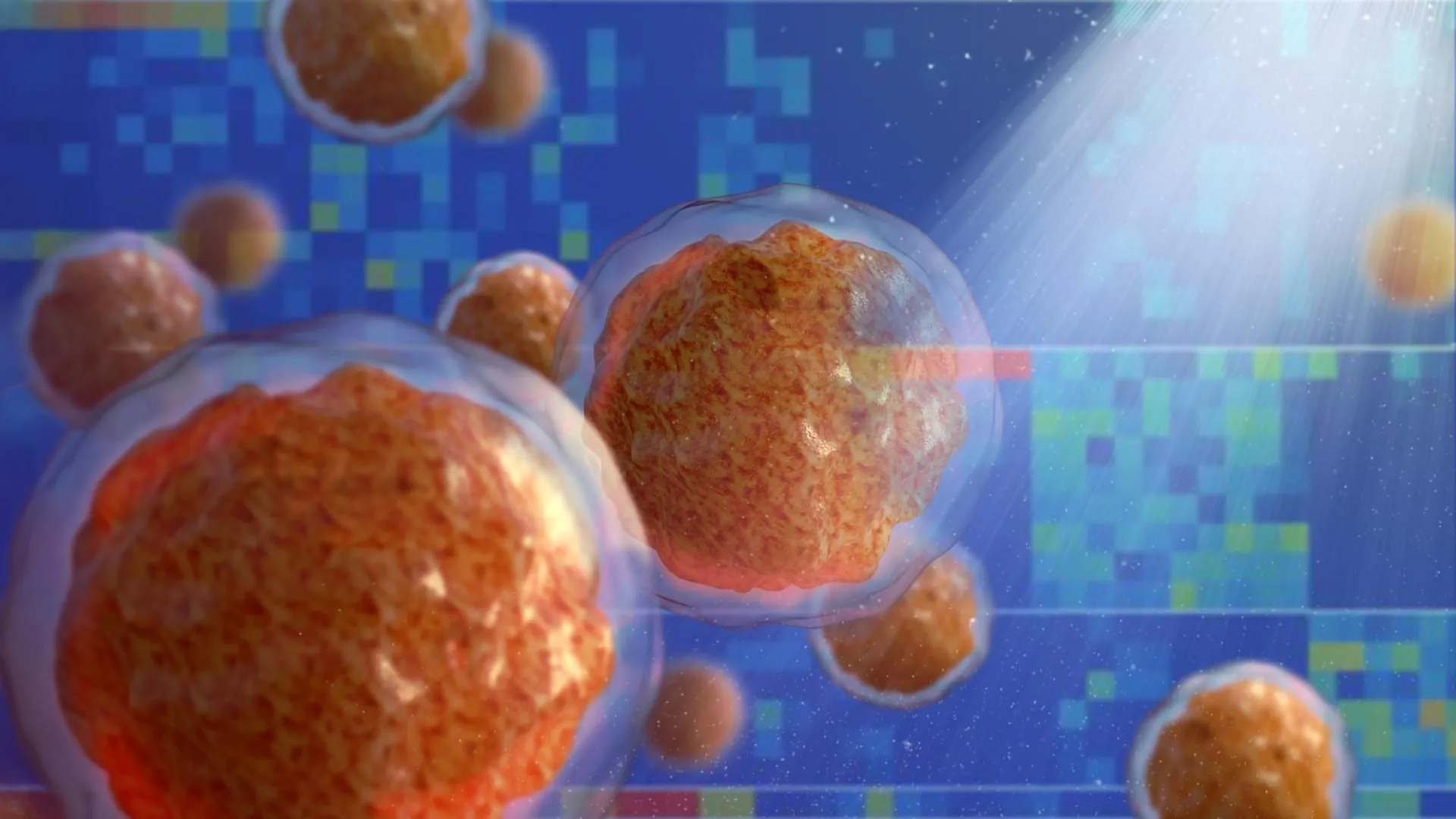
Every moment of every day, the human bone marrow serves as a high-capacity biological factory, generating millions of fresh blood and immune cells to sustain life. This relentless process of renewal is governed by a sophisticated and delicate ecosystem where hematopoietic stem cells (HSCs) reside. These stem cells do not function in isolation; their health and productivity depend entirely on a balanced relationship with supportive stromal cells and a complex network of immune signaling molecules. However, new research indicates that this vital relationship begins to erode long before any clinical symptoms of disease appear, fundamentally altering our understanding of how blood cancers and age-related disorders take root.
An international research consortium, led by scientists from the European Molecular Biology Laboratory (EMBL), the University of Basel, and University Medical Center (UMC) Mainz, has unveiled a comprehensive molecular and spatial map of the bone marrow microenvironment. Their findings, published in Nature Communications, reveal that chronic inflammation acts as a silent architect of disease, remodeling the bone marrow "niche" in a way that favors mutated cells and suppresses healthy blood production. This discovery shifts the focus of hematology from the mutated stem cells themselves to the entire cellular ecosystem that supports them, offering a new paradigm for early intervention and the prevention of aggressive leukemias.
The Silent Rise of Clonal Hematopoiesis
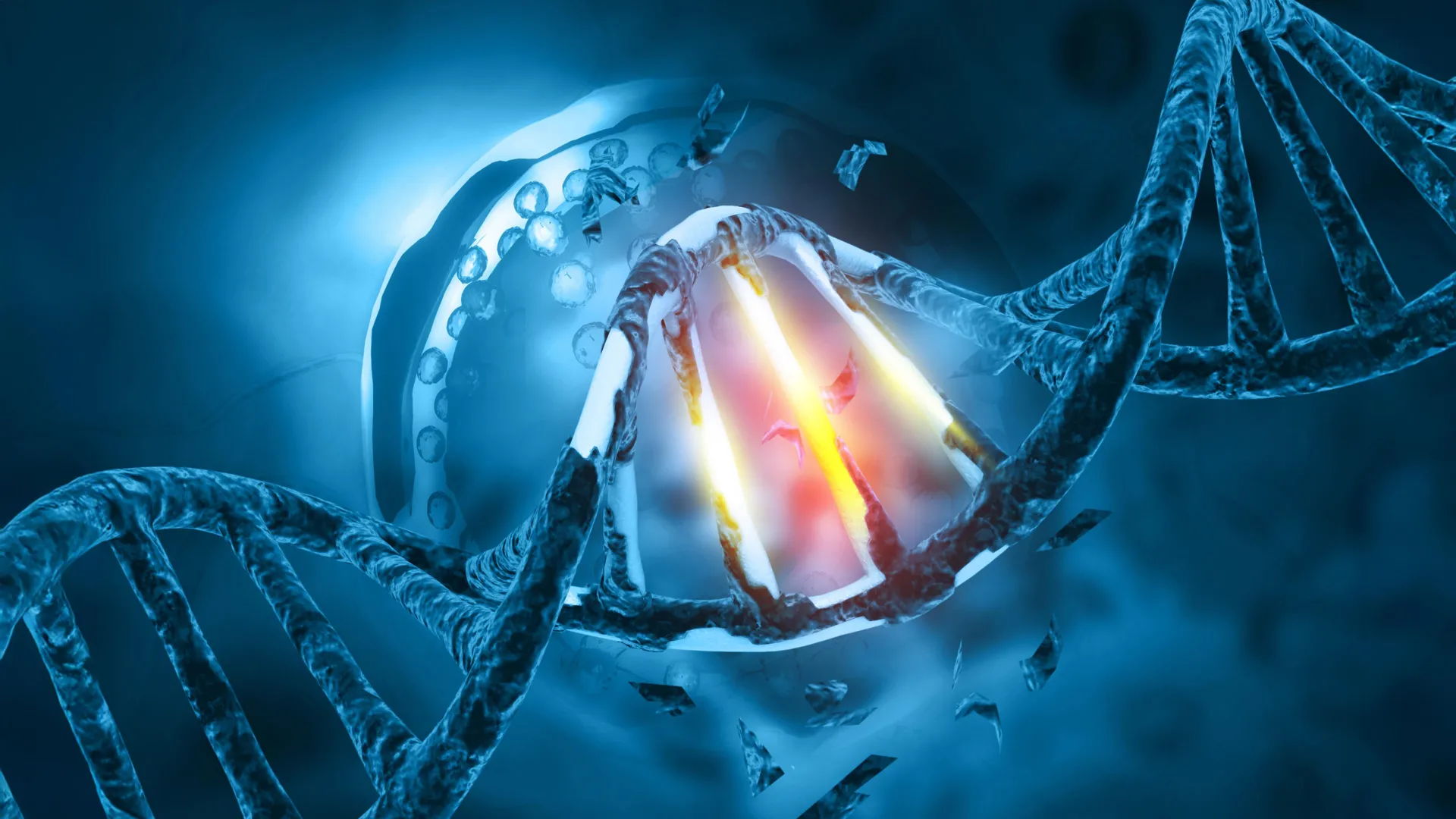
As the human body ages, the bone marrow becomes increasingly vulnerable to external and internal stressors. Chronic inflammation, environmental exposures, and the natural accumulation of somatic mutations can disrupt the precise communication channels between stem cells and their surrounding environment. This disruption often leads to a condition known as clonal hematopoiesis of indeterminate potential, or CHIP.
CHIP is characterized by the expansion of a mutated hematopoietic stem cell clone in an individual who otherwise shows no signs of a blood disorder. While once considered a benign byproduct of aging, epidemiological data now suggests CHIP is a significant clinical red flag. It is present in approximately 10 to 20% of adults over the age of 60, and its prevalence surges to nearly 30% in those over 80. Although these individuals typically maintain normal blood counts, the presence of these mutated clones increases the risk of developing hematologic malignancies tenfold. Perhaps more surprisingly, CHIP is also linked to a doubled risk of cardiovascular disease and increased all-cause mortality, positioning it as a central player in the pathology of aging.
When CHIP progresses, it often transitions into Myelodysplastic Syndrome (MDS), a group of diverse bone marrow disorders characterized by the production of poorly formed or dysfunctional blood cells. MDS is particularly prevalent in the elderly, affecting up to 20 in every 100,000 adults over the age of 70. The prognosis for MDS patients remains a significant concern in oncology, as approximately 30% of cases evolve into acute myeloid leukemia (AML), a rapid and frequently fatal form of cancer. Until now, the specific role of the bone marrow microenvironment in driving this progression from "silent" mutation to clinical failure remained one of the great mysteries of hematology.
Mapping the Cellular Shift: From Support to Inflammation
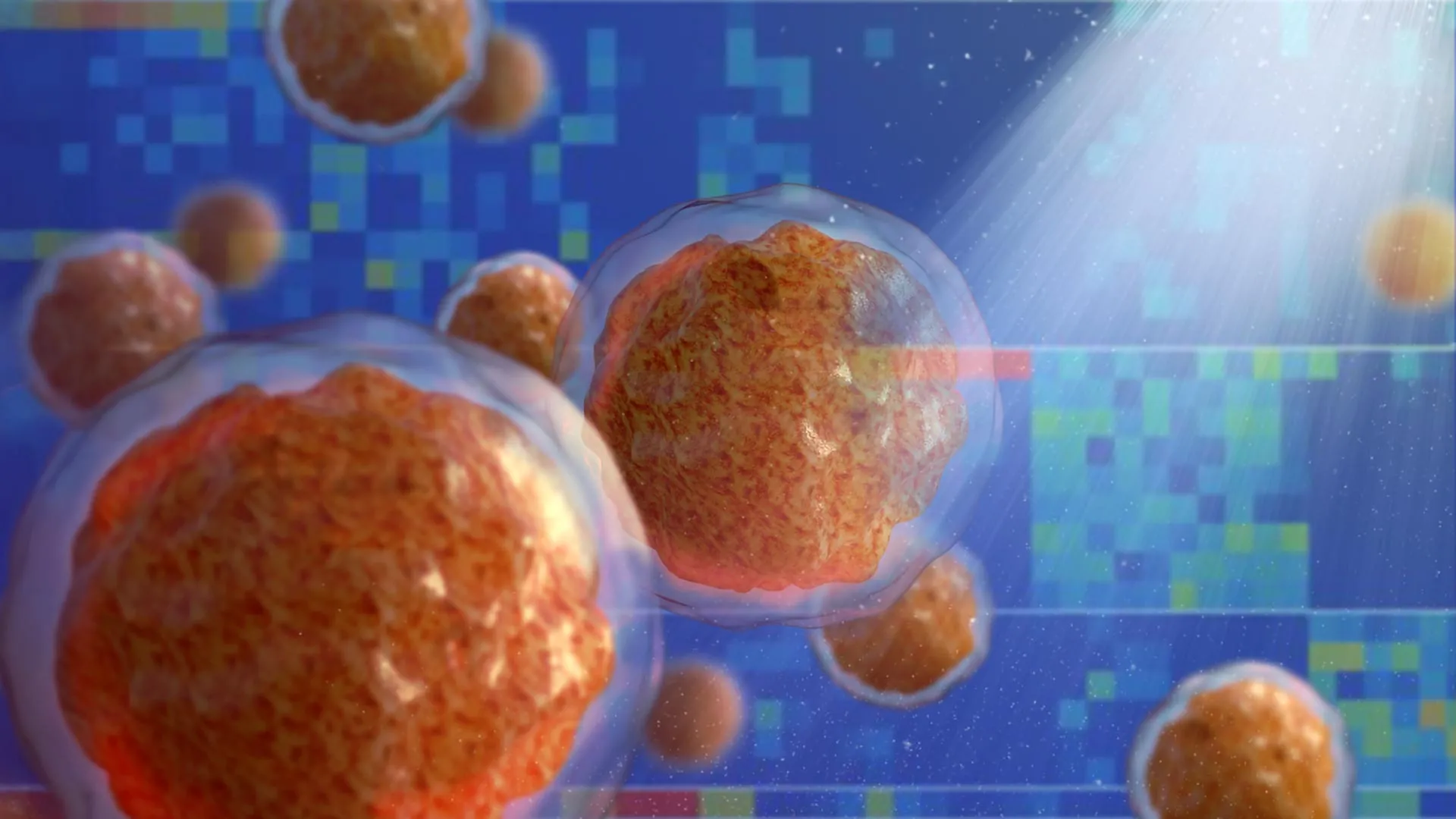
To decode these hidden changes, the research team, co-led by Judith Zaugg and Borhane Guezguez, utilized the BoHemE cohort study in collaboration with the National Center for Tumor Diseases (NCT) Dresden. They employed an array of advanced technologies, including single-cell RNA sequencing, biopsy imaging, and proteomics, to compare the bone marrow of healthy donors with that of individuals with CHIP and patients diagnosed with MDS.
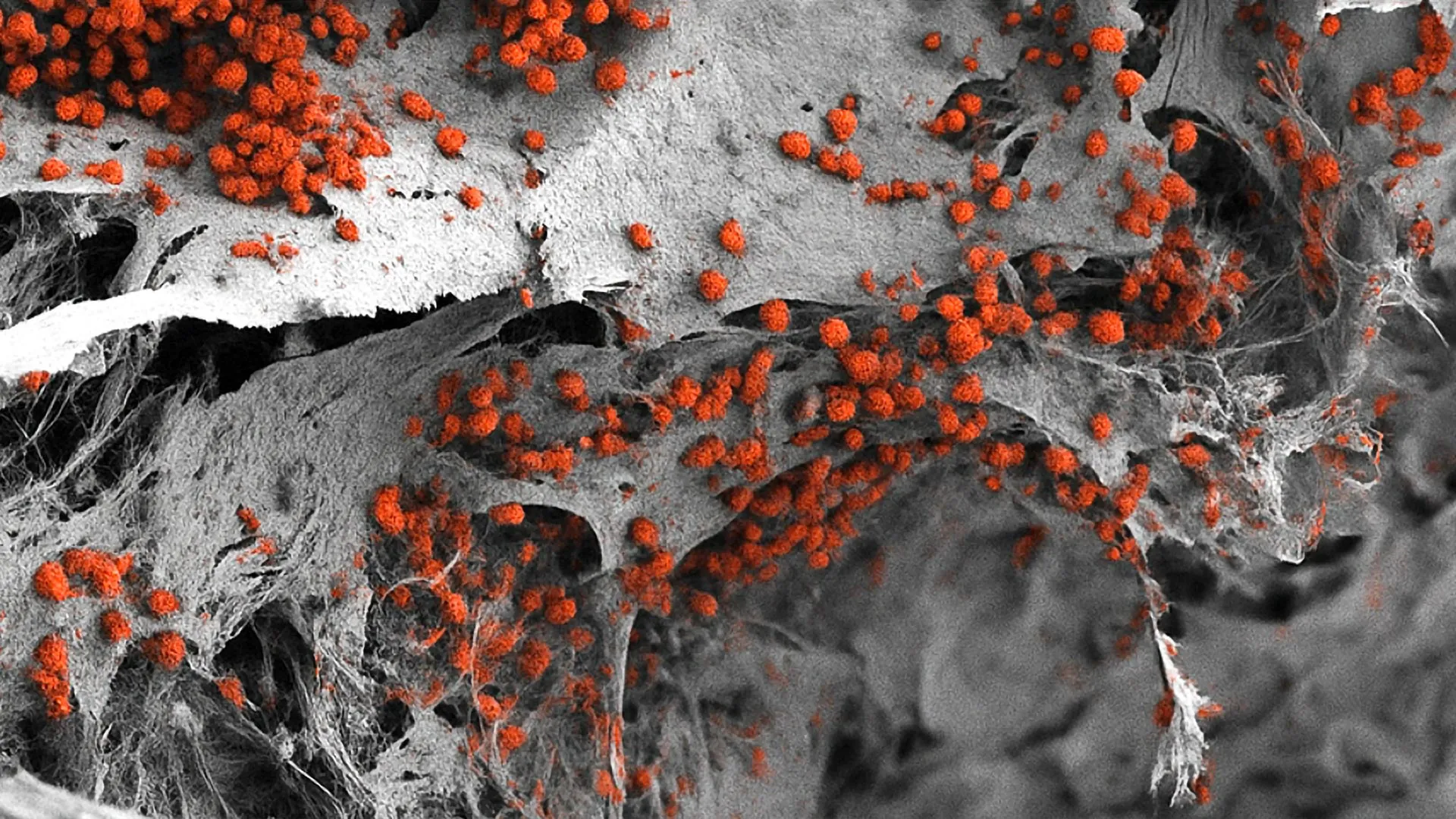
The analysis revealed a profound and unexpected cellular transformation. In a healthy marrow, mesenchymal stromal cells (MSCs) provide the structural and chemical support necessary for stem cell renewal. However, the study found that in both CHIP and MDS, these healthy MSCs are gradually replaced by a specific population of inflammatory stromal cells, termed iMSCs.
"I was surprised to observe such pronounced remodeling of the bone marrow microenvironment already in individuals with CHIP," noted Judith Zaugg, EMBL Group Leader and Professor at Basel University. This finding suggests that the "soil" of the bone marrow begins to change even when the "seeds"—the stem cells—show only minor genetic deviations.
Unlike their healthy counterparts, iMSCs are specialized producers of interferon-induced cytokines and chemokines. These signaling proteins act as a chemical beacon, attracting and activating interferon-responsive T cells. Once these T cells enter the marrow, they release further inflammatory signals, creating a self-sustaining "feed-forward loop." This chronic inflammatory state disrupts the normal regulatory signals that HSCs require, effectively "starving" healthy stem cells while creating a niche where mutated, more resilient clones can thrive and dominate the population.
The Failure of the Bone Marrow’s Home Address
One of the most critical discoveries of the study involves the signaling molecule CXCL12. In a healthy system, CXCL12 acts as a "home address" or a molecular anchor, signaling blood cells to settle and mature within the protective environment of the bone marrow. The researchers found that in MDS, the mutated stem cells and the surrounding iMSCs fail to maintain the necessary levels of CXCL12.
"Another striking observation was that MDS stem cells couldn’t trigger stromal cells to produce CXCL12," explained Karin Prummel, co-lead author and EMBL postdoc. This signaling failure explains why the bone marrow in MDS patients stops functioning as a cohesive unit. Without the CXCL12 anchor, the orderly production of blood cells is replaced by chaos, contributing to the bone marrow failure that characterizes the disease.
To further isolate the drivers of this inflammation, the team utilized "SpliceUp," a sophisticated computational tool developed by co-lead author Maksim Kholmatov. This method allowed researchers to distinguish between mutated and non-mutated cells within the same single-cell datasets by detecting abnormal RNA-splicing patterns. Surprisingly, the data showed that the mutated cells themselves were not the direct source of the inflammation. Instead, the inflammatory network became a dominant, independent feature of the microenvironment, suggesting that once the inflammatory loop is established, it may continue to drive disease progression regardless of the specific mutations present in the stem cells.
Inflammaging and the Broader Impact on Public Health
The implications of this research extend far beyond the realm of leukemia. The study provides a molecular blueprint for "inflammaging"—the low-grade, chronic systemic inflammation that characterizes human aging. By demonstrating how the bone marrow serves as both a victim and a driver of this process, the research connects blood disorders to a wider spectrum of age-related conditions, including metabolic syndrome and cardiovascular decline.
The bone marrow is the primary site of immune cell production. When its microenvironment becomes chronically inflamed, the immune cells it produces are born into a "pro-inflammatory" state. These cells then circulate throughout the body, potentially contributing to the inflammation of arterial walls (leading to atherosclerosis) or the degradation of metabolic health.
"Our findings reveal that the bone marrow microenvironment actively shapes the earliest stages of malignant evolution," said Borhane Guezguez of UMC Mainz. "As advances in molecular profiling allow us to detect pre-leukemic states years before clinical onset, understanding how stromal and immune cells interact provides a foundation for preventive therapies."
New Horizons in Treatment and Prevention
The identification of iMSCs and interferon-responsive T cells as the primary drivers of bone marrow remodeling opens several new therapeutic avenues. Rather than waiting for leukemia to develop and then attacking it with aggressive chemotherapy, clinicians may soon be able to intervene during the CHIP or early MDS stages using targeted anti-inflammatory strategies.
Potential interventions could include:
- Cytokine Blockade: Utilizing existing or new anti-inflammatory drugs to break the interferon feedback loop.
- Niche Restoration: Developing therapies that encourage the production of CXCL12 to restore the bone marrow’s structural integrity.
- Early Biomarkers: Using the molecular signatures of iMSCs as a screening tool to identify which individuals with CHIP are at the highest risk of progressing to cancer.
Furthermore, the research raises critical questions about current treatments like bone marrow transplantation. If the bone marrow niche is permanently remodeled by disease, a transplant of healthy stem cells might still fail because the "soil" remains toxic. "It will be crucial to study whether the niche retains a ‘memory’ of disease," Zaugg added, noting that her team is now investigating how the microenvironment responds to the introduction of new, healthy stem cells.
Collaborative Science and Future Outlook
This study was published alongside a complementary report led by Marc Raaijmakers of the Erasmus MC Cancer Institute, which also examined the MDS microenvironment. Together, these papers provide a definitive look at the inflammatory architecture of early bone marrow disease. The work involved an extensive network of collaborators from Sweden, the USA, France, and Germany, funded by organizations such as the European Research Council (ERC) and the José Carreras Leukemia Foundation.
As the global population ages, the burden of CHIP, MDS, and AML is expected to rise. By shifting the focus from the genetic mutations of the "seed" to the inflammatory conditions of the "soil," this research provides a roadmap for a new era of geriatric medicine—one where the goal is not just to treat cancer, but to preserve the vital regenerative capacity of the human body throughout the lifespan. The transformation of the bone marrow microenvironment is no longer a hidden process; it is a clear target for the next generation of preventative oncology.