In a significant breakthrough for neurodegenerative research, scientists have identified a surprising biological mechanism that facilitates the spread of Alzheimer’s disease throughout the brain. A study led by researchers at University of Utah Health, published in the journal Cell, reveals that a protein known as Arc (Activity-regulated cytoskeleton-associated protein)—ordinarily essential for memory formation and neuronal communication—plays a dual role by inadvertently assisting the transport of toxic Tau proteins between brain cells. This discovery offers a granular look at how Alzheimer’s transitions from localized cellular damage to a systemic cognitive decline, potentially opening a new front in the development of therapeutic interventions aimed at halting the disease’s progression.
Alzheimer’s disease is pathologically characterized by two primary hallmarks: the accumulation of amyloid-beta plaques outside neurons and the formation of neurofibrillary tangles composed of Tau protein inside them. While amyloid-beta has long been the focus of pharmaceutical research, recent clinical failures and the stronger correlation between Tau spread and cognitive symptoms have shifted the scientific community’s attention toward understanding how Tau moves from one region of the brain to another. The current study identifies Arc as a critical vehicle in this "prion-like" transmission, where misfolded proteins "infect" healthy neighboring cells.
The Biological Mechanism of Arc and Tau Transmission
Under normal physiological conditions, Arc is a cornerstone of synaptic plasticity. It is required for the brain to encode new information and maintain long-term memories. In a fascinating evolutionary twist, Arc behaves much like a virus; it possesses the ability to self-assemble into virus-like capsids and package genetic material or proteins into tiny, membrane-bound sacs called extracellular vesicles (EVs). These vesicles act as a postal system for the brain, traveling between neurons to deliver molecular messages.
However, the research team, led by senior author Jason Shepherd, PhD, a professor of neurobiology at University of Utah Health, found that this sophisticated communication system is hijacked in the presence of Alzheimer’s pathology. Toxic, misfolded Tau proteins attach themselves to the Arc protein inside these extracellular vesicles. Once packaged, the toxic Tau is shielded from the brain’s external cleaning mechanisms and is efficiently transported to healthy neurons.
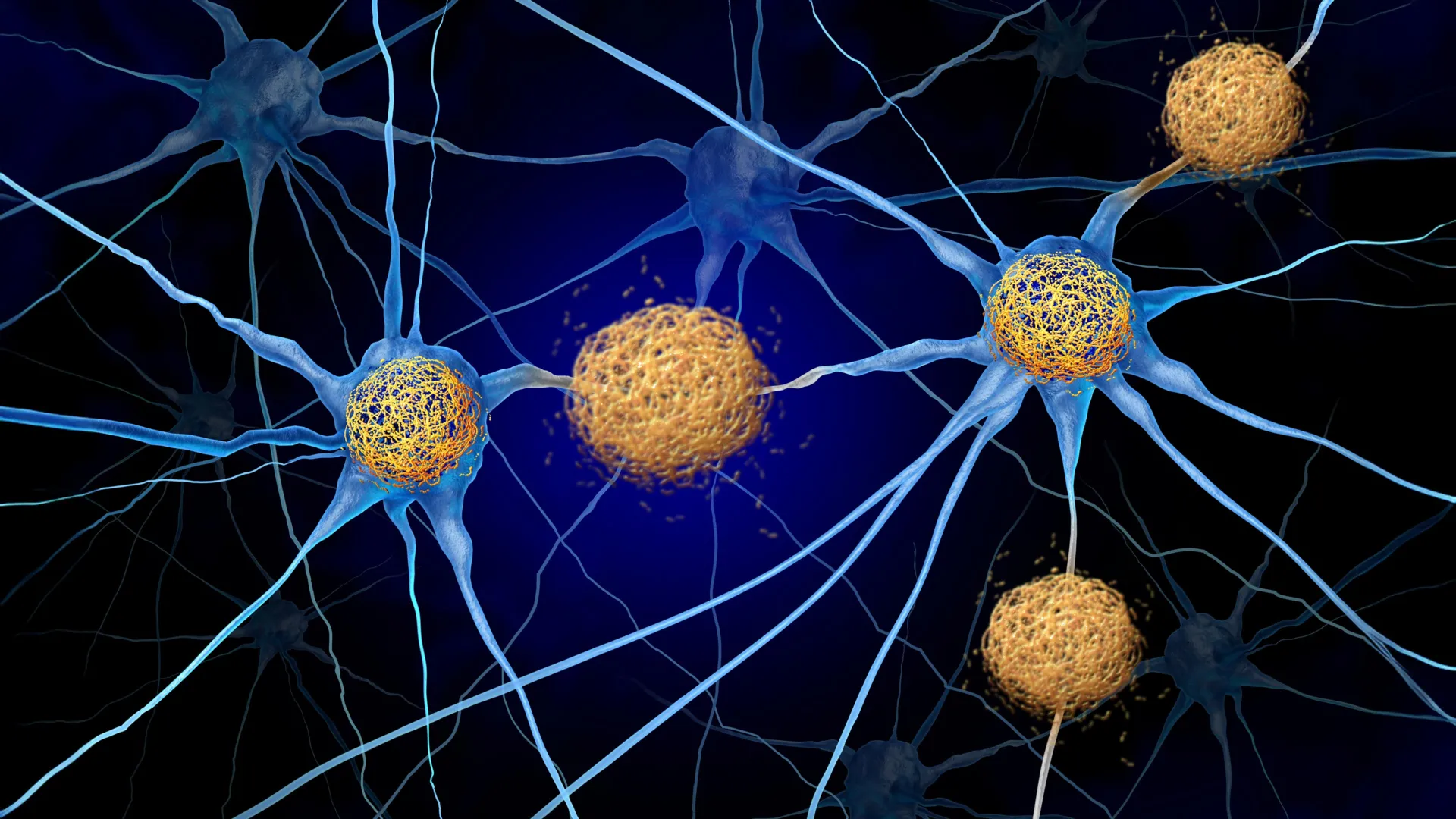
Mitali Tyagi, PhD, the study’s first author and a postdoctoral research associate at Washington University in St. Louis, describes the misfolded Tau as "glue monsters." In a healthy brain, Tau stabilizes the internal microtubules that serve as the "tracks" for cellular transport. In Alzheimer’s, Tau becomes chemically altered, detaching from the tracks and sticking to other Tau molecules. These "glue monsters" eventually form massive tangles that choke the neuron from the inside. The study clarifies that these tangles can break down into smaller, mobile "seeds." When Arc packages these seeds into vesicles, they are delivered to healthy cells, where they act as a template, causing healthy Tau in the recipient cell to also misfold and clump.
Chronology of the Discovery and Experimental Design
The journey to this discovery began with the Shepherd Lab’s long-standing interest in the unconventional behavior of the Arc protein. Previous research had already established that Arc could move between cells, a rarity for neuronal proteins. The researchers hypothesized that if Arc could move RNA and other proteins, it might also be involved in the movement of pathological proteins associated with neurodegeneration.
To test this, the team utilized genetically modified mouse models designed to exhibit Alzheimer’s-like Tau pathology. The experiments were structured into several phases:
- Observation of Co-localization: Researchers first confirmed that Arc and toxic Tau were physically present in the same extracellular vesicles within the brain tissue of the mouse models.
- Comparative Analysis: The team compared mice that possessed the Arc gene with a "knockout" group—mice genetically engineered to lack the ability to produce Arc protein.
- In Vitro Testing: Neurons were grown in a controlled environment to observe the uptake of vesicles. They found that vesicles harvested from "Arc-positive" mice were highly effective at seeding Tau tangles in healthy neurons, whereas those from "Arc-negative" mice were not.
- Human Tissue Validation: Finally, the researchers examined human brain tissue samples provided by the Massachusetts Alzheimer’s Disease Research Center. They successfully identified extracellular vesicles containing both Arc and Tau in human samples, suggesting that the mechanism observed in mice is highly likely to be conserved in humans.
The results were stark. In the absence of Arc, the transfer of Tau between neurons was nearly eliminated. Dr. Tyagi noted that when the protein was removed, the spread of the pathology was "severely, severely reduced," effectively stalling the progression of the disease across the brain’s neural networks.
Supporting Data and the "Double-Edged Sword" Paradox
While the reduction of Tau spread in Arc-deficient mice was a positive finding for disease progression, the data also revealed a complex biological trade-off. The researchers observed that while the disease didn’t spread as far in mice without Arc, the individual neurons that already contained toxic Tau died much faster.
This suggests that the release of Tau via Arc-loaded vesicles is actually a defense mechanism for the individual cell. By "vomiting out" the toxic Tau, the diseased neuron manages to lower its internal concentration of the "glue monster," thereby surviving longer. However, this act of self-preservation is what ultimately dooms the surrounding brain tissue, as it facilitates the infection of healthy cells.
Data points from the study highlight this tension:
- Vesicle Content: Extracellular vesicles from mice with Arc contained significantly higher concentrations of Tau seeds compared to those without Arc.
- Cell Survival Rates: In the early stages of the disease, neurons in Arc-negative mice showed a 25-30% higher rate of apoptosis (programmed cell death) compared to Arc-positive mice, because the toxic Tau remained trapped inside.
- Pathology Spread: Despite the higher local cell death in Arc-negative mice, the overall volume of the brain affected by Tau tangles was over 70% lower than in the control group with Arc.
Official Responses and Scientific Context
The publication of these findings has sparked significant interest within the global neuroscience community. The study was supported by a wide array of prestigious institutions, including the National Institutes of Health (NIH), the Chan-Zuckerberg Initiative, and the Alzheimer’s Association.
Dr. Jason Shepherd emphasized that while the discovery is a major step forward, it is not an immediate cure. "We are far away from saying that we’re developing a treatment for anything. But it could open new avenues to get to that point," Shepherd stated. He noted that the goal would not be to eliminate Arc—since it is vital for memory—but to find a way to prevent the specific interaction between Arc and toxic Tau.
Outside experts have noted that this research fits into a growing body of evidence suggesting that Alzheimer’s should be treated as a "network disease." If the pathways between cells can be patrolled or blocked, the devastating cognitive decline that follows the spread of Tau might be preventable, even if the initial triggers of the disease are already present.
Analysis of Implications for Future Therapies
The identification of the Arc-Tau-EV pathway provides a specific, druggable target that differs from previous approaches. For decades, the pharmaceutical industry focused on clearing amyloid-beta plaques, an approach that has yielded only modest results in drugs like lecanemab. The Arc study suggests that targeting the "shipping lanes" of the brain might be more effective.
Potential therapeutic strategies emerging from this research include:
- Vesicle Interception: Developing antibodies or small molecules that can identify and neutralize extracellular vesicles containing both Arc and toxic Tau while they are in the interstitial fluid (the space between cells).
- Binding Inhibitors: Creating drugs that prevent toxic Tau from "hitching a ride" on the Arc protein inside the cell, ensuring that Arc continues its memory-related functions without transporting pathology.
- Diagnostic Markers: Using the presence of Arc-Tau vesicles in cerebrospinal fluid as an early-warning diagnostic tool to identify patients in the "seeding" phase of Alzheimer’s before significant memory loss occurs.
Conclusion and Broader Impact
As the global population ages, the prevalence of Alzheimer’s disease is expected to rise exponentially, with some estimates suggesting that 150 million people worldwide could be affected by 2050. The economic and social burden of this trend is immense, necessitating a move beyond symptomatic treatment toward disease-modifying therapies.
The discovery that a memory-essential protein like Arc is the very thing that helps spread Alzheimer’s is a poignant irony of biology. However, it provides a clear roadmap for future research. By focusing on the transition of Tau between neurons, scientists may finally be able to transform Alzheimer’s from a terminal, progressive decline into a manageable condition.
"If we could stop the spread, then we could prevent further damage and cognitive decline," Shepherd concluded. For millions of families currently dealing with the "long goodbye" of dementia, the ability to freeze the disease in its early stages would be nothing short of revolutionary. The work now moves to validating these mechanisms in larger human cohorts and beginning the arduous process of screening for compounds that can safely disrupt this newly discovered delivery route for neurodegeneration.