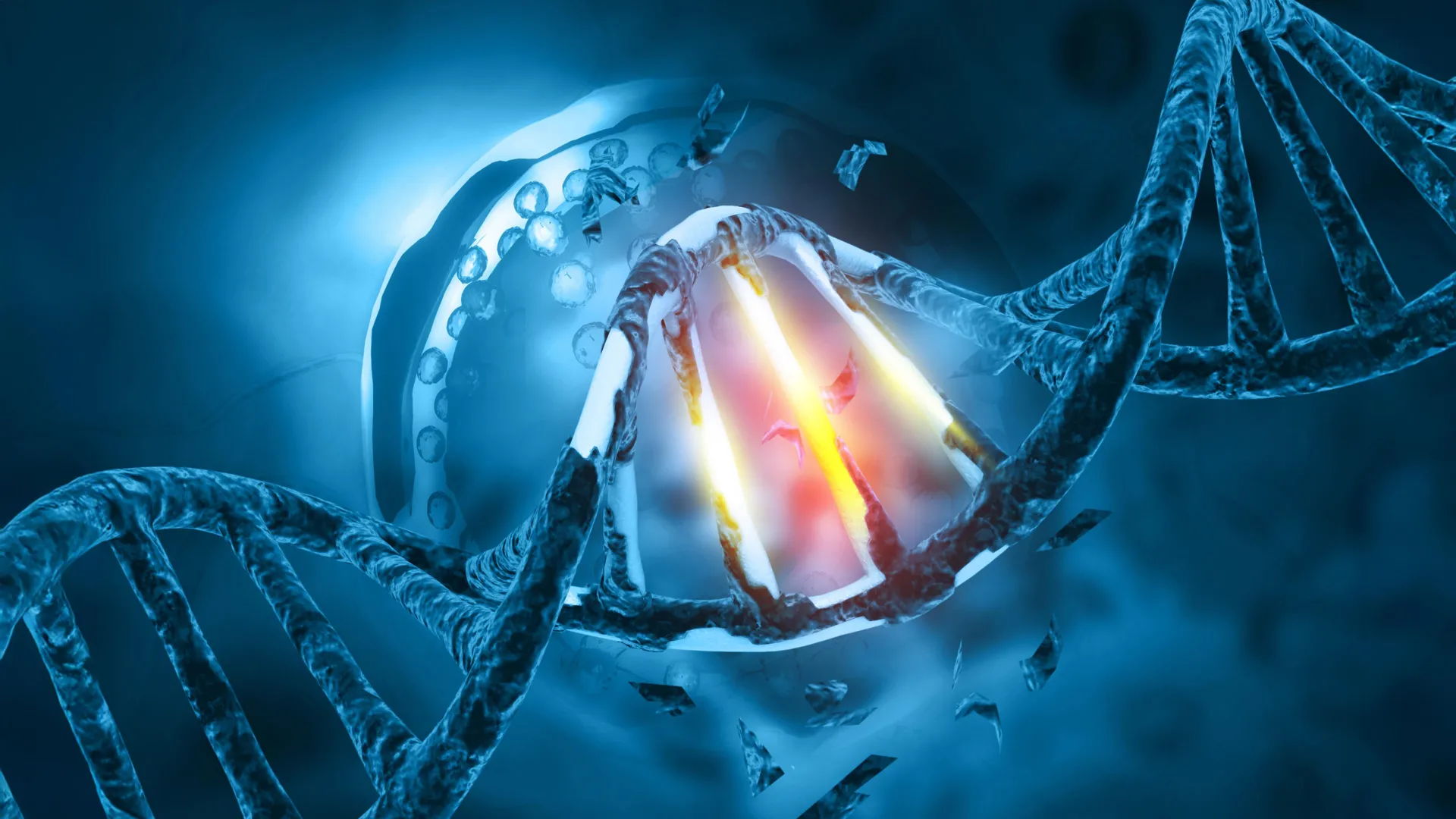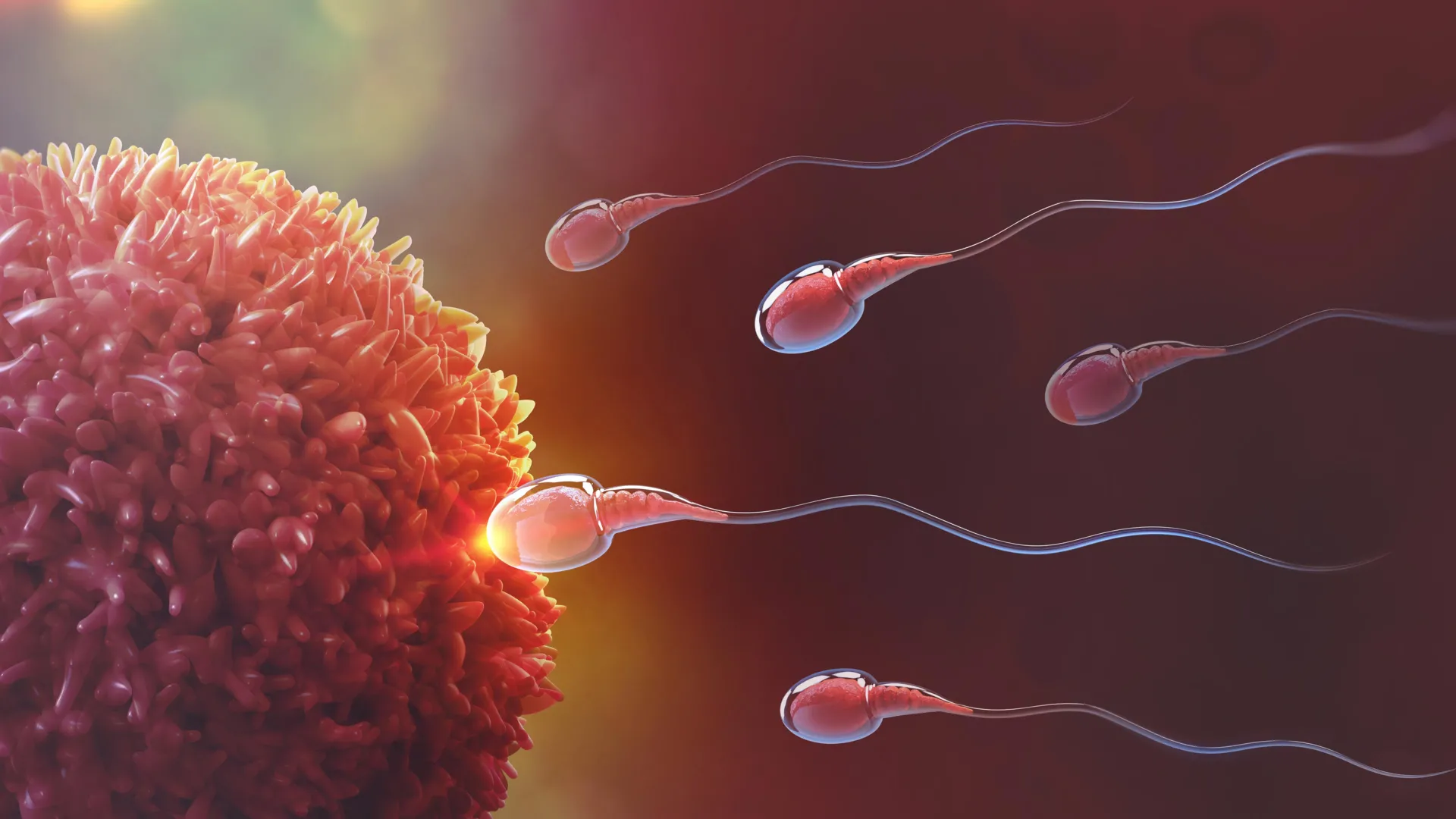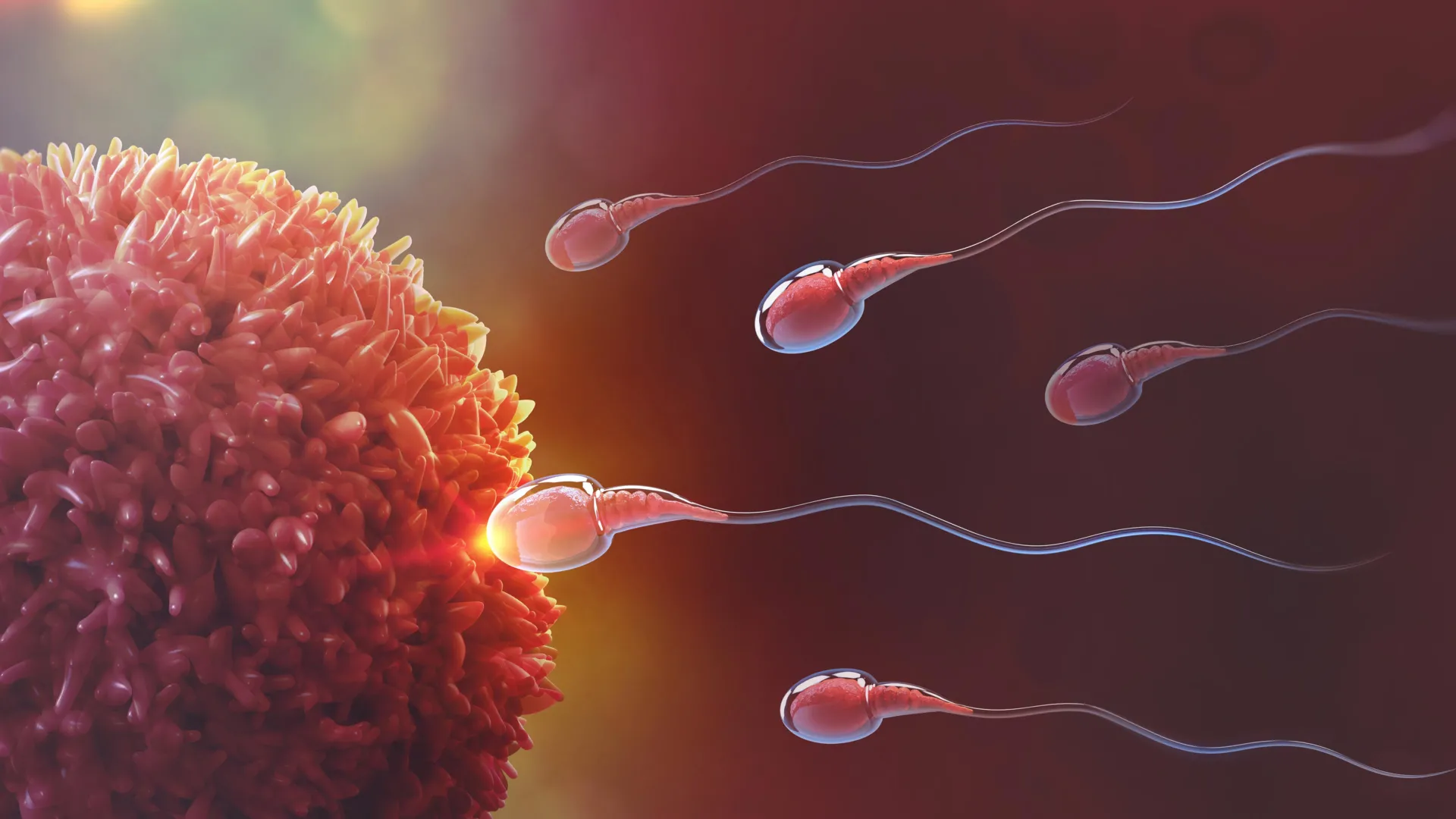
The biological clock has long been a central theme in discussions regarding maternal health and fertility, but a groundbreaking pair of studies published in the journal Nature on October 8, 2024, has shifted the scientific spotlight toward the paternal contribution to genetic health. Researchers from the Wellcome Sanger Institute, King’s College London, and Harvard Medical School have provided the most detailed map to date of how harmful DNA mutations accumulate in sperm as men age. The findings reveal a startling biological reality: certain disease-causing mutations are not merely random errors but are actively favored by a process of natural selection within the testes, allowing them to proliferate and increase the risk of transmission to offspring.
For decades, the prevailing scientific consensus suggested that the male germline—the lineage of cells that produce sperm—was relatively well-protected from the high mutation rates seen in other tissues. However, this new research demonstrates that the testes are a "dynamic environment" where a phenomenon known as "selfish spermatogonial selection" allows mutated cells to outcompete healthy ones. As men age, these "selfish" clones expand, significantly raising the proportion of sperm carrying genetic variants linked to serious neurodevelopmental disorders and rare cancers.
The Mechanism of Selfish Selection in the Testes
To understand why paternal age impacts genetic health, it is necessary to examine the unique way sperm is produced. Unlike women, who are born with a finite number of oocytes, men produce sperm continuously throughout their lives. This production is driven by spermatogonial stem cells (SSCs) that divide every few weeks. Every time a cell divides, there is a small chance of a DNA replication error.
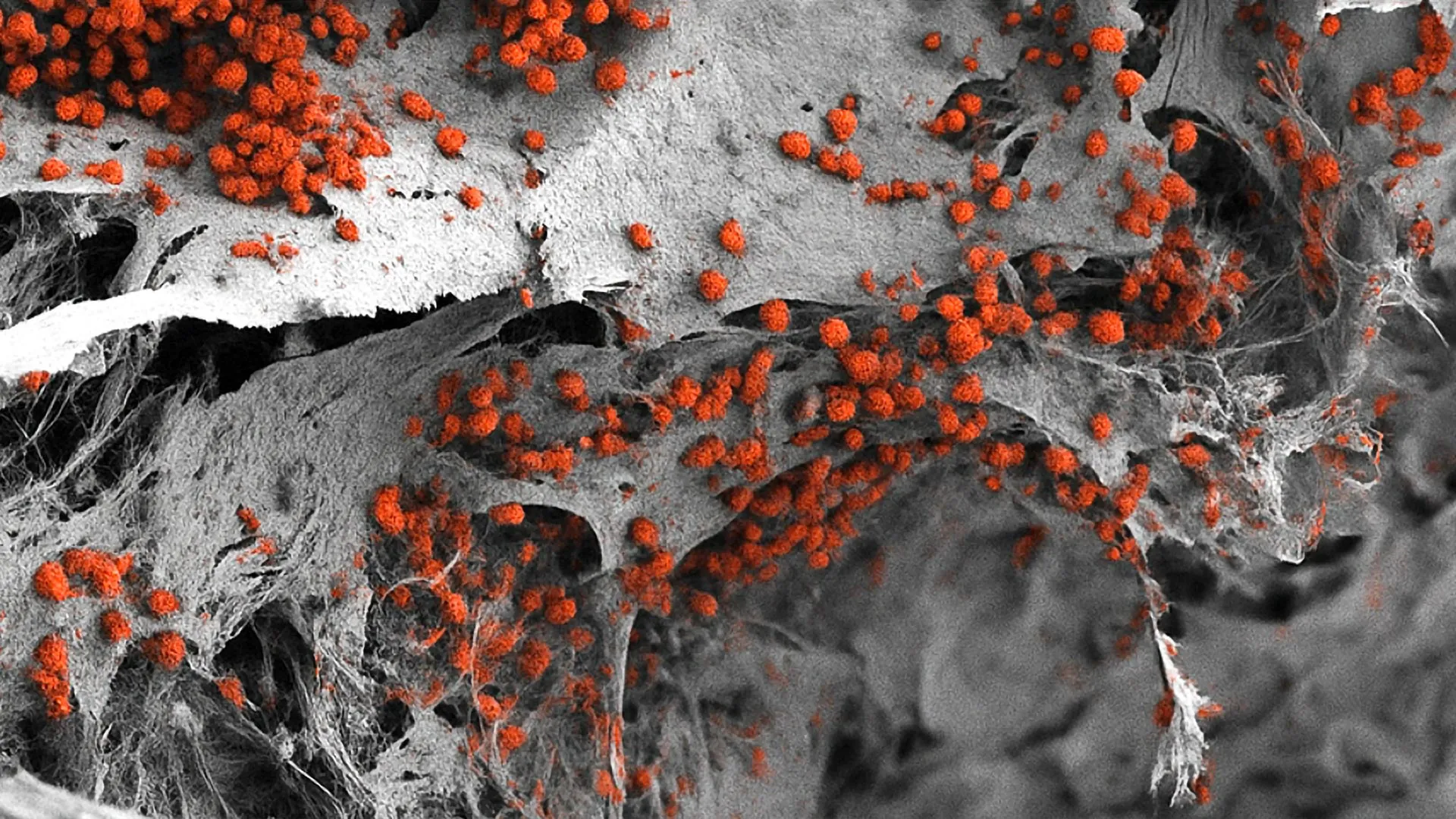
In most tissues, these mutations are either neutral or harmful to the cell’s function. However, in the testes, certain mutations in genes related to cell signaling—specifically the RAS-MAPK pathway—can give a stem cell a competitive advantage. These mutations essentially "trick" the cell into dividing more rapidly or surviving longer than its neighbors. Over time, these mutated cells form "clones" that occupy larger and larger portions of the testicular tissue.
The study led by the Wellcome Sanger Institute used a highly specialized sequencing technology called NanoSeq to detect these rare mutations. By analyzing sperm from 81 healthy men aged 24 to 75, the team could see this selection process in action. They found that while a man in his early 30s might have disease-causing mutations in about 2 percent of his sperm, that figure climbs to between 3 and 5 percent by the time he reaches his 60s or 70s.
Quantifying the Genetic Risk: Key Findings and Data
The data provided by the research team offers a quantifiable look at how the genetic landscape of sperm shifts over a lifetime. The study utilized the TwinsUK cohort, the United Kingdom’s largest adult twin registry, which allowed researchers to control for various genetic backgrounds and focus specifically on the impact of age and environment.
Key data points from the research include:
- Mutation Frequency: In men aged 24 to 34, the prevalence of harmful mutations was approximately 2 percent. In the oldest cohort (aged 70 and above), this rose to 4.5 percent.
- Gene Identification: The researchers pinpointed 40 specific genes that frequently harbor these "selfish" mutations. While 13 of these were already known to science, 27 were newly identified as being subject to this selection process.
- Disease Links: Many of the affected genes are associated with "de novo" (newly occurring) mutations that cause conditions such as Apert syndrome, Costello syndrome, and various forms of dwarfism (achondroplasia), as well as broader neurodevelopmental delays and pediatric cancers.
- Selection Pressure: The study observed that these mutations do not just appear; they thrive. The rate at which these mutations increased in frequency was far higher than what would be expected from random DNA damage alone.
A second, complementary study by Harvard Medical School and the Sanger Institute took a "top-down" approach by looking at the DNA of children rather than the sperm of fathers. By analyzing over 54,000 parent-child trios and a massive dataset of 800,000 individuals, they found that certain mutations are 500 times more likely to be passed on than others due to this selection advantage. This helps explain why some rare genetic disorders appear in children whose parents have no family history of the disease.
A Chronology of Scientific Understanding
The discovery of the "paternal age effect" is not entirely new, but the understanding of its mechanism has evolved significantly over the last century:
- 1912: Early medical observations suggested a link between paternal age and certain physical conditions in children, though the genetic basis was unknown.
- 1955: Scientist Lionel Penrose formally proposed that paternal age was the primary driver of "de novo" mutations in conditions like achondroplasia.
- 1990s-2000s: The concept of "Selfish Spermatogonial Selection" was first theorized to explain why certain mutations were much more common than expected.
- 2010s: Advanced genomic sequencing began to identify specific genes, such as FGFR2 and HRAS, as the primary culprits in this process.
- 2024: The current studies in Nature provide the first comprehensive, genome-wide map of this process, utilizing NanoSeq technology to prove that the phenomenon is much more widespread than previously thought, affecting dozens of different genes.
Expert Reactions and Official Statements
The scientific community has reacted to these findings with a mixture of surprise and a call for clinical reassessment.
Dr. Matthew Neville, the first author of the Sanger Institute study, noted that the sheer scale of the selection was unexpected. "We expected to find some evidence of selection shaping mutations in sperm," he stated. "What surprised us was just how much it drives up the number of sperm carrying mutations linked to serious diseases."
Professor Matt Hurles, Director of the Wellcome Sanger Institute, emphasized the "hidden" nature of this risk. "Our findings reveal a hidden genetic risk that increases with paternal age," Hurles said. "Some changes in DNA not only survive but thrive within the testes, meaning that fathers who conceive later in life may unknowingly have a higher risk of passing on a harmful mutation to their children."
From the perspective of population health, Professor Kerrin Small of King’s College London highlighted the importance of large-scale studies like TwinsUK. She noted that the use of longitudinal samples—samples taken from the same individuals over time—allowed the team to see exactly how these mutations "accumulate and evolve" in healthy men.
Dr. Raheleh Rahbari, the senior author of the study, challenged the long-held belief that the male germline is a static, protected vault of genetic information. "There’s a common assumption that because the germline has a low mutation rate, it is well protected," she explained. "But in reality, the male germline is a dynamic environment where natural selection can favor harmful mutations."
Broader Implications for Reproductive Medicine and Society
The implications of this research are far-reaching, particularly in an era where the average age of first-time fathers is steadily increasing in many developed nations. In the United States and Europe, the proportion of births to fathers over the age of 40 has doubled since the 1970s.
1. Refining Risk Assessments
Current prenatal screening often focuses heavily on maternal age and chromosomal abnormalities like Down syndrome. These new findings suggest that clinical genetics may need to incorporate more nuanced paternal risk assessments, especially for "point mutations" (single-letter changes in DNA) that are not caught by standard screenings.
2. The "False Positive" Challenge
The Harvard study raised an intriguing point regarding disease association. Because these mutations are so common in the sperm of older men, they can sometimes appear in genetic databases as "false positives." Researchers might see a mutation frequently and assume it is a benign variant of the human genome, when in reality, it is a rare, harmful mutation that has been artificially inflated by the selection process in the testes.
3. Fertility and Pregnancy Loss
The study also sheds light on the "invisible" side of genetic mutations. Not every mutated sperm results in a child with a disorder. Many of these mutations likely lead to fertilization failure or early miscarriage. By understanding the landscape of sperm mutations, doctors may better understand the causes of "unexplained" infertility in older couples.
4. Environmental and Lifestyle Factors
The researchers noted that the results open the door to studying how lifestyle—such as diet, smoking, or exposure to pollutants—might accelerate this selection process. If certain environments favor the growth of mutated clones in the testes, it could provide a direct link between a father’s environment and his child’s health.
Conclusion and Future Directions
While the increase in mutation rates from 2 percent to 4.5 percent may seem statistically small, on a population level, it accounts for a significant number of rare disease cases. The research marks a paradigm shift in how we view the "biological clock," suggesting it is not just a matter of declining fertility, but a complex evolutionary race occurring within the male body.
The Wellcome Sanger Institute and its partners intend to continue this research by investigating whether these "selfish" mutations can be detected early and whether there are ways to mitigate their expansion. For now, the studies serve as a vital reminder that the journey of a thousand miles for a human life begins with a single cell—a cell that is subject to the same laws of competition and selection as any other organism in the natural world.