Researchers from the Department of Medicine at the School of Clinical Medicine, LKS Faculty of Medicine, University of Hong Kong (HKUMed) have achieved a significant breakthrough in musculoskeletal science by identifying the specific biological "sensor" that translates physical movement into bone strength. The study, published in the prestigious international journal Signal Transduction and Targeted Therapy, reveals that a protein known as Piezo1 acts as a mechanical gateway within bone marrow, signaling the body to build bone rather than fat in response to exercise. This discovery provides a long-sought molecular explanation for why physical activity is essential for skeletal health and, more importantly, identifies a specific target for pharmacological interventions designed to mimic the benefits of exercise for those physically unable to perform it.
The implications of this research are far-reaching, particularly for the world’s aging population and those suffering from chronic conditions that limit mobility. By understanding the precise signaling pathways that Piezo1 controls, the HKUMed team has laid the groundwork for "exercise mimetics"—medications that could potentially "trick" the skeletal system into maintaining its density and structural integrity even during periods of prolonged inactivity. This could revolutionize the treatment of osteoporosis, a condition characterized by brittle bones and a high risk of life-altering fractures.
The Growing Global Burden of Osteoporosis and Bone Loss
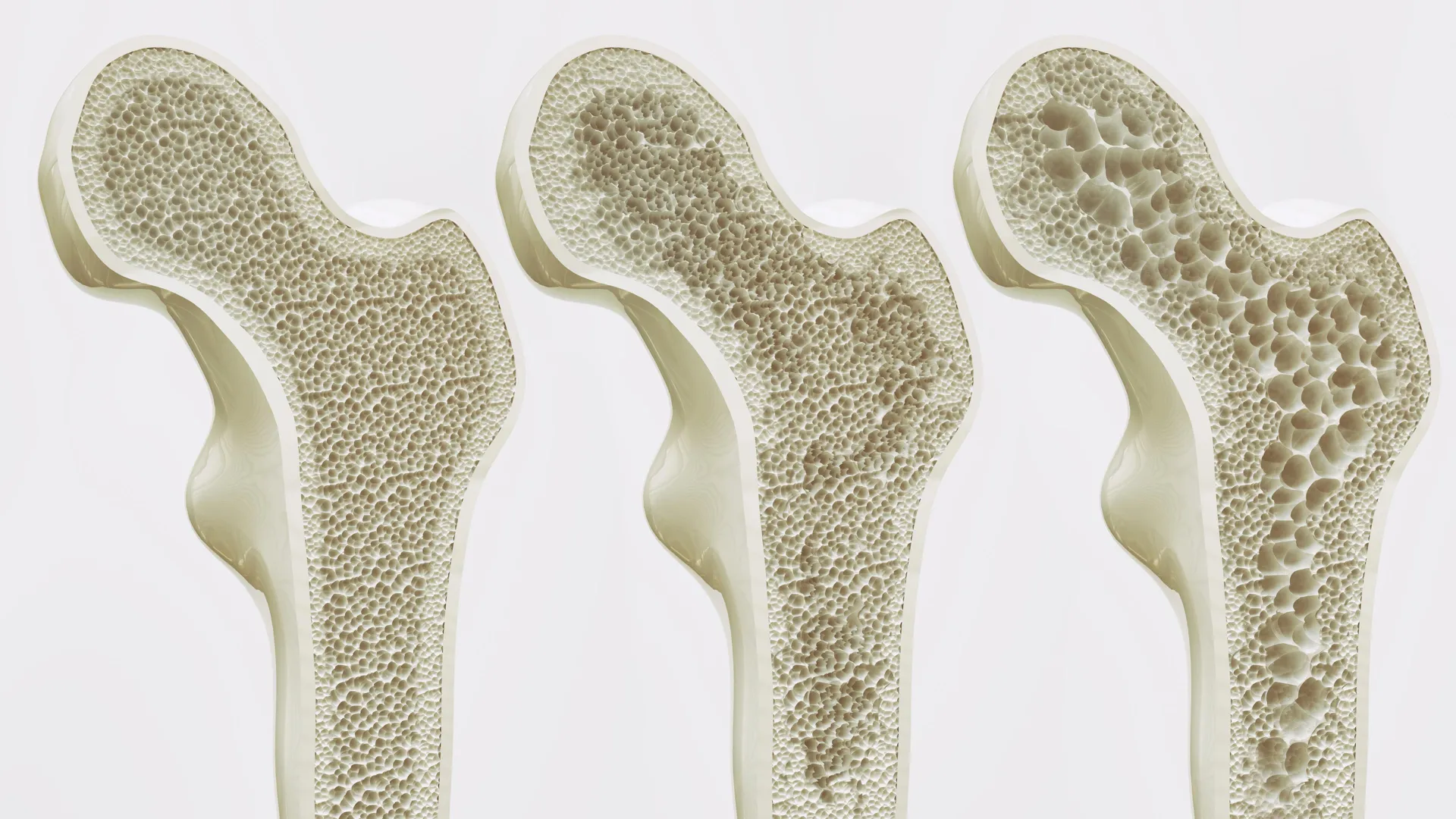
Osteoporosis has emerged as one of the most significant public health challenges of the 21st century. As global life expectancy increases, the prevalence of age-related bone degradation is rising at an alarming rate. According to data from the World Health Organization (WHO), osteoporosis currently affects hundreds of millions of people worldwide. The clinical consequences are severe: it is estimated that one in three women and one in five men over the age of 50 will suffer an osteoporotic fracture during their remaining lifetime.
In the specific context of Hong Kong, the challenge is particularly acute due to the city’s rapidly aging demographic. Local health statistics indicate that osteoporosis affects approximately 45% of women and 13% of men aged 65 and older. These fractures, particularly of the hip and spine, are not merely orthopedic issues; they are major drivers of morbidity and mortality. Many elderly patients who suffer a hip fracture never regain their previous level of independence, and a significant percentage require long-term institutional care, placing a massive financial and logistical strain on the healthcare infrastructure.
The current standard of care for maintaining bone density emphasizes weight-bearing exercise, such as walking, jogging, or resistance training. However, a significant portion of the most vulnerable population—including the very frail, those with advanced cardiovascular disease, and bedridden patients—cannot engage in these activities. This "exercise gap" has left a void in treatment options, which the HKUMed study now aims to fill.
The Biological Tug-of-War: Bone vs. Fat
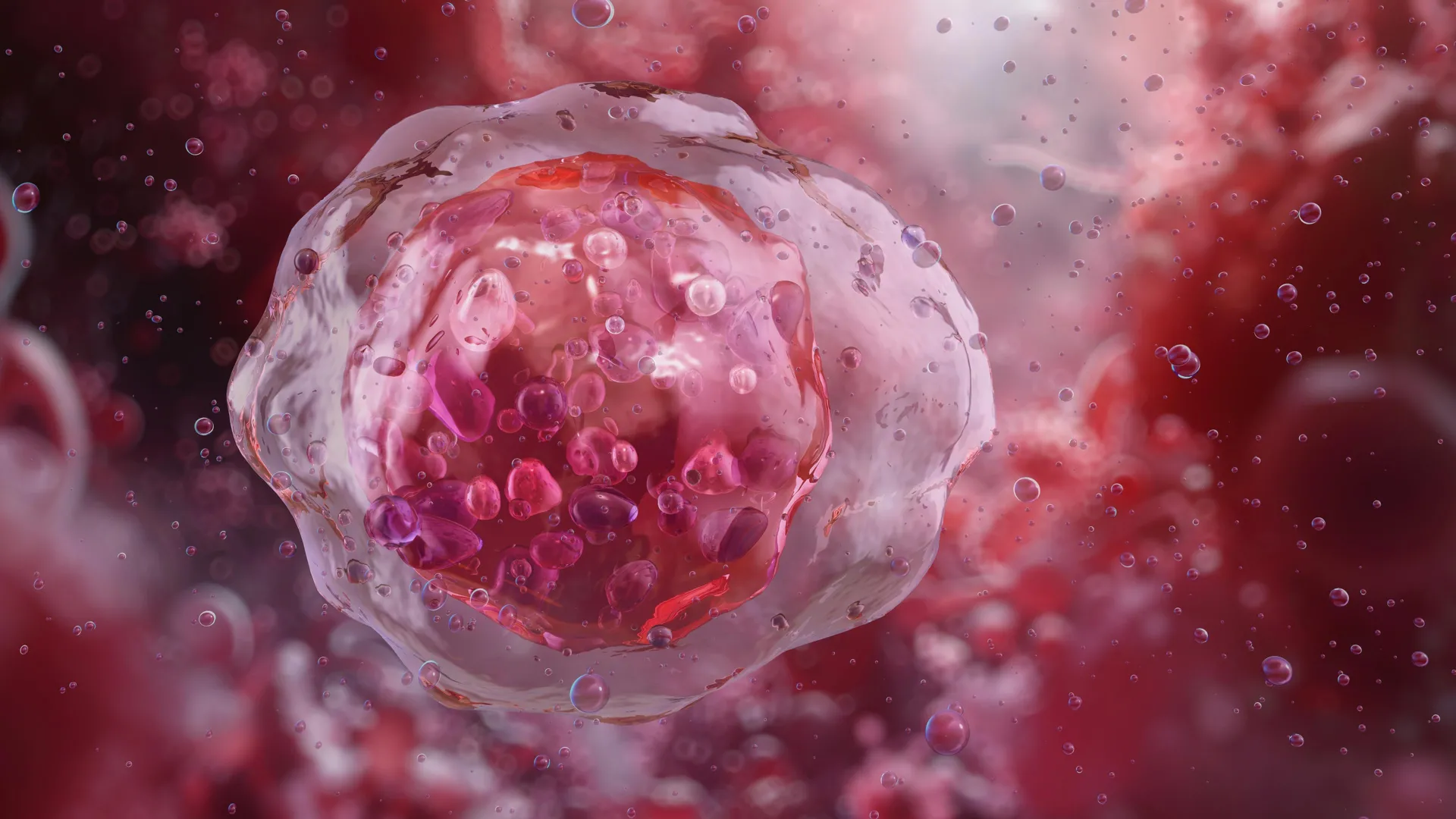
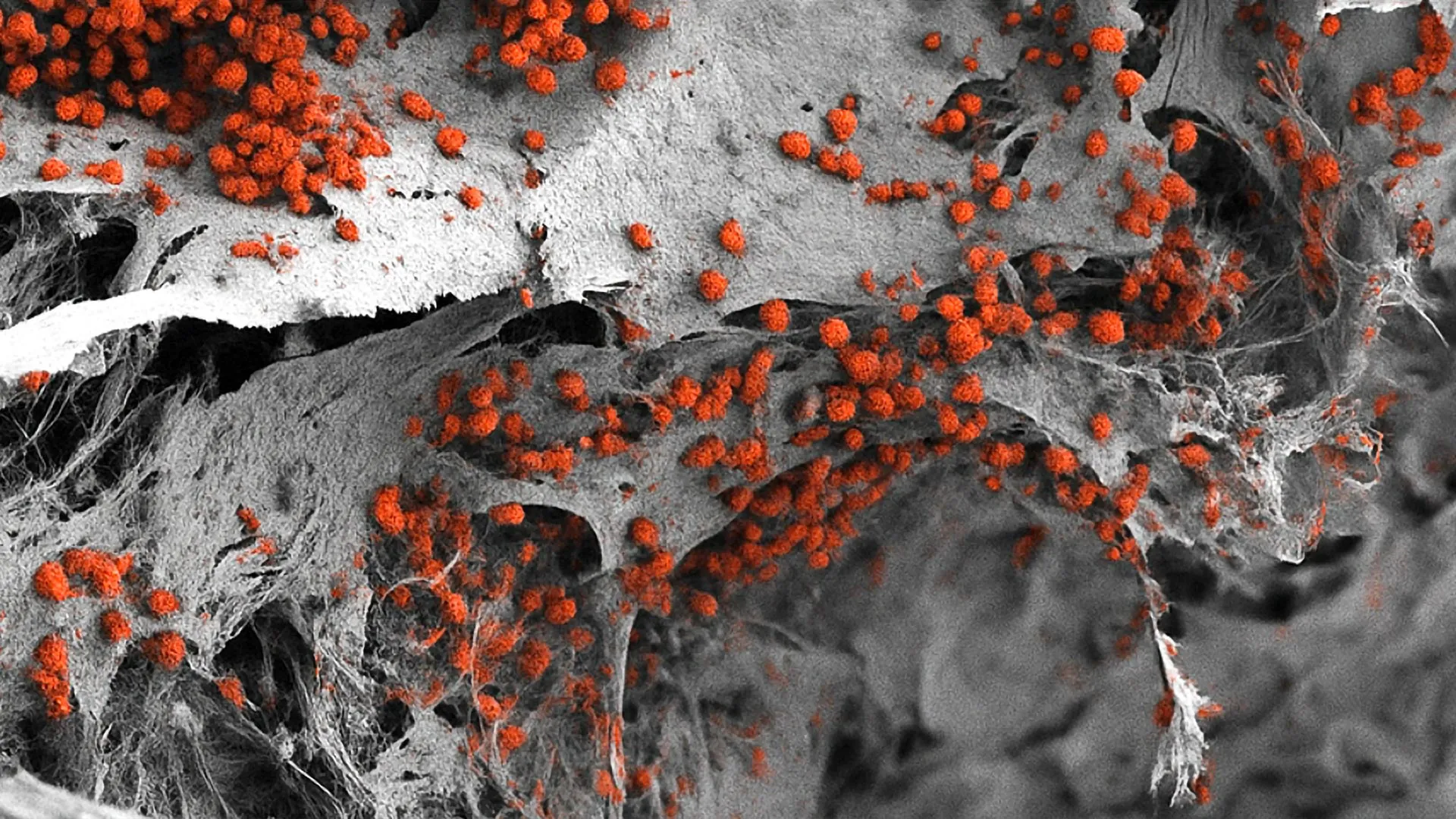
To understand the HKUMed discovery, one must look at the microscopic environment of the bone marrow. Within this tissue reside mesenchymal stem cells (MSCs), which are the "progenitor" cells responsible for the regeneration of various tissues. These stem cells face a critical biological choice: they can differentiate into osteoblasts (bone-forming cells) or adipocytes (fat cells).
In a healthy, active individual, the physical stresses of movement—gravity, muscle pull, and impact—signal these stem cells to become bone. This ensures that the skeleton remains dense and capable of supporting the body’s weight. However, as the body ages or becomes inactive, this balance shifts. The "mechanostat," or the body’s internal system for sensing physical load, becomes less efficient. Consequently, the stem cells increasingly favor the production of fat.
This accumulation of marrow adipose tissue (MAT) is a hallmark of osteoporosis. As fat fills the marrow cavity, it crowds out healthy bone tissue and releases biochemical signals that further inhibit bone formation. This creates a destructive feedback loop where the bone becomes increasingly porous and fragile, a condition often referred to as "fatty bone."
Piezo1: The Molecular Exercise Sensor
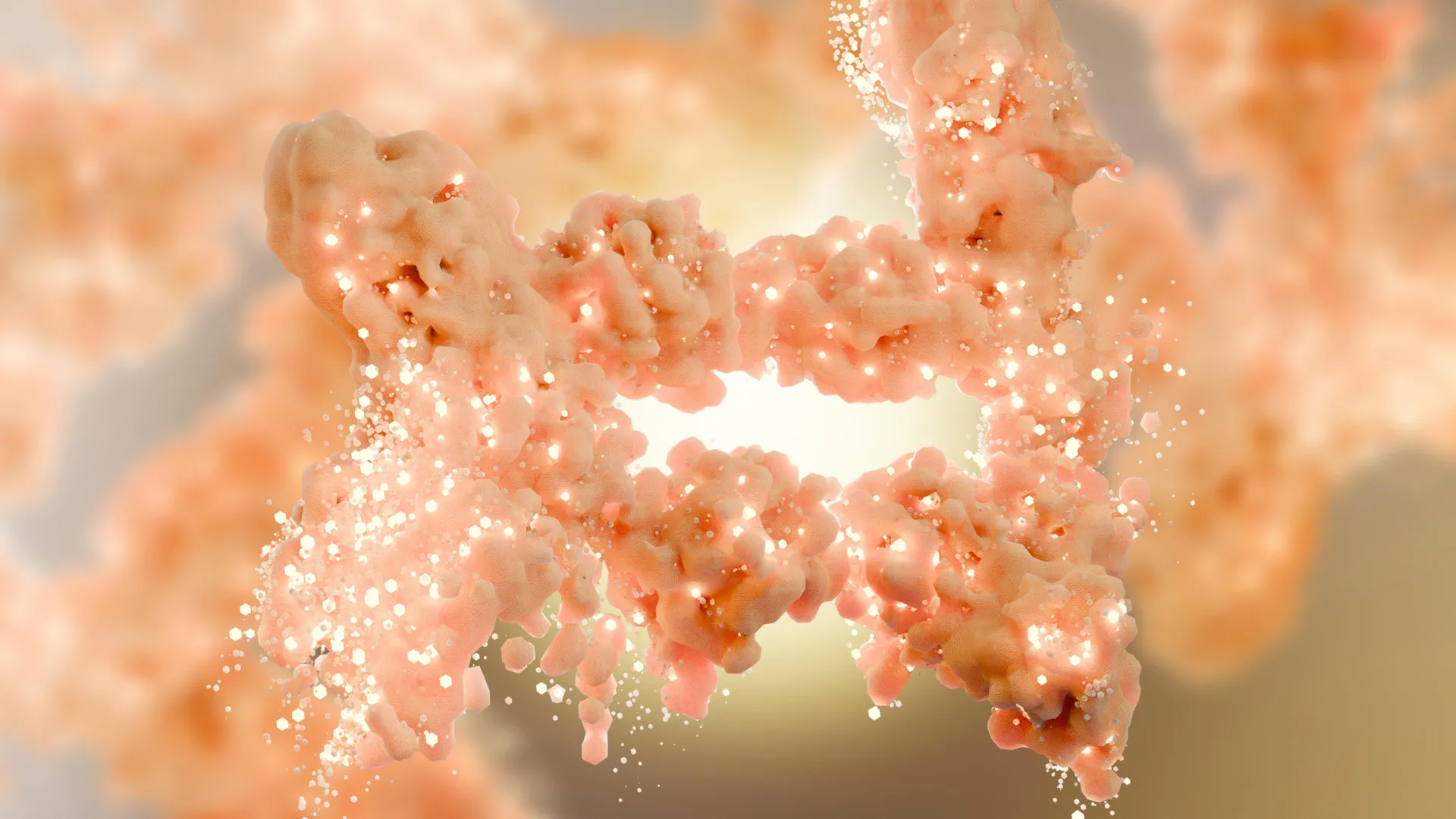
The research team, led by Professor Xu Aimin, Director of the State Key Laboratory of Pharmaceutical Biotechnology and Chair Professor at HKUMed, focused on how these mesenchymal stem cells "feel" the mechanical forces of exercise. Using advanced mouse models and human stem cell cultures, they identified Piezo1 as the primary mechanical sensor on the surface of these cells.
Piezo1 is a member of a family of ion channels that respond to mechanical pressure. The importance of Piezo proteins was highlighted globally in 2021 when the Nobel Prize in Physiology or Medicine was awarded for their discovery. The HKUMed study is one of the first to provide a detailed map of how this protein specifically governs bone-fat balance in the marrow.
The researchers observed that when Piezo1 is activated by the mechanical stresses of exercise, it triggers a cascade of signals that promote bone growth and actively suppress the formation of fat. Conversely, in experiments where Piezo1 was genetically removed or inhibited, the results were striking: even with physical activity, the bones of the subjects deteriorated. Without the Piezo1 sensor, the stem cells defaulted to producing fat, leading to accelerated bone loss and structural weakening.
Decoding the Signaling Pathways: Ccl2 and Lipocalin-2
The study went beyond merely identifying Piezo1; it also mapped the downstream chemical signals that the protein regulates. The researchers found that a lack of Piezo1 activity triggers the release of specific inflammatory markers, most notably Ccl2 and lipocalin-2.
These proteins act as "distress signals" within the bone marrow environment. When Piezo1 is inactive—simulating a state of physical inactivity—the rise in Ccl2 and lipocalin-2 levels pushes mesenchymal stem cells toward fat production and blocks the development of bone-forming cells.
"We have essentially decoded how the body converts movement into stronger bones," explained Professor Xu Aimin. "By identifying the molecular exercise sensor, Piezo1, and the signaling pathways it controls, we have found a clear target for intervention. We found that by blocking these inflammatory signals, we could partially restore the bone-forming potential of the stem cells, even in the absence of the Piezo1 sensor."
The Promise of Exercise Mimetics
The most revolutionary aspect of this research is the potential for "exercise mimetics." These are compounds designed to activate the Piezo1 pathway pharmacologically, providing the skeletal benefits of a workout without the need for physical exertion.
Dr. Wang Baile, Research Assistant Professor at HKUMed and co-leader of the study, emphasized the clinical urgency of this development. "This discovery is especially meaningful for older individuals and patients who cannot exercise due to frailty, injury, or chronic illness," he said. "Our findings open the door to developing drugs that chemically activate the Piezo1 pathway to help maintain bone mass and support independence."
The concept of exercise mimetics is not entirely new, but previous efforts have often focused on muscle metabolism or cardiovascular health. The HKUMed study provides a concrete target specifically for bone health, which has been one of the more difficult areas to address through medication alone. Current osteoporosis drugs, such as bisphosphonates, primarily work by slowing down the breakdown of old bone; a Piezo1-based therapy would be distinct because it would actively promote the formation of new, healthy bone.
International Collaboration and Multi-Disciplinary Analysis
The research was a highly collaborative effort, involving experts from across the globe. Professor Eric Honoré, a team leader at the Institute of Molecular and Cellular Pharmacology in France and a world-renowned expert on Piezo channels, played a critical role in the study. His involvement underscores the international significance of the findings.
"This offers a promising strategy beyond traditional physical therapy," Professor Honoré noted. "In the future, we could potentially provide the biological benefits of exercise through targeted treatments, thereby slowing bone loss in vulnerable groups such as bedridden patients or those with limited mobility, and substantially reducing their risk of fractures."
The study also involved the National Key R&D Program of China and various foundations in France and Macau, reflecting a global consensus on the need for innovative solutions to age-related diseases. The diverse funding sources—including the Research Grants Council of Hong Kong and the National Natural Science Foundation of China—highlight the strategic importance of this research to public health policy.
Broader Implications: From Bedside to Outer Space
The potential applications of this research extend beyond the elderly. One significant area of interest is space medicine. In the microgravity environment of space, astronauts experience rapid and severe bone loss because the mechanical loading on their skeletons is virtually eliminated. Currently, astronauts must spend hours every day performing intense resistance exercises to mitigate this loss. A Piezo1 activator could serve as a vital countermeasure for long-duration space missions, such as a journey to Mars.
Furthermore, the discovery has implications for the treatment of recovery from major trauma or surgery. Patients who are immobilized for weeks or months following a car accident or a complex surgery often suffer from "disuse osteoporosis." By maintaining the Piezo1 signaling pathway through medication during the recovery period, doctors could prevent the skeletal degradation that often complicates rehabilitation.
Future Directions and Clinical Translation
While the identification of Piezo1 is a landmark achievement, the transition from laboratory discovery to a bedside treatment involves several critical steps. The HKUMed team is currently focused on screening for small molecules that can safely and effectively activate Piezo1 in humans.
There are also questions regarding the specificity of such a drug. Because Piezo1 is found in other tissues—including the circulatory system and the lungs—researchers must ensure that a potential "bone-building pill" does not have adverse effects on other organs. The team is exploring targeted delivery systems that would allow the medication to act specifically within the bone marrow environment.
The research team’s next phase involves more extensive preclinical trials to refine these "exercise mimetics" and ensure their safety profile. If successful, clinical trials could follow, offering a new era of treatment for a condition that has long been considered an inevitable consequence of aging.
In conclusion, the identification of the Piezo1 protein as the bone’s primary exercise sensor marks a turning point in our understanding of skeletal biology. By bridging the gap between mechanical force and molecular response, the researchers at HKUMed have not only solved a fundamental biological mystery but have also provided a roadmap for protecting the mobility and independence of millions of people worldwide. As the global population continues to age, the ability to "mimic" the life-sustaining benefits of exercise through medicine may become one of the most important tools in modern geriatric care.