A multidisciplinary research team led by Yale University has achieved a significant breakthrough in reproductive biology by mapping the precise molecular mechanism that prevents sperm cells from fertilizing an egg. The study, which centers on a naturally occurring biological process found in mammals, reveals how a specific antibody can intercept the communication between male and female gametes. By uncovering the structural details of this interaction, the research provides a dual-purpose roadmap: one that could lead to new treatments for couples struggling with immuno-infertility and another that could pave the way for a new generation of non-hormonal contraceptives.
The findings, recently published in the journal Proceedings of the National Academy of Sciences (PNAS), represent the culmination of decades of inquiry into the "lock and key" mechanism of human conception. At the heart of the discovery is the interaction between two vital proteins—IZUMO1 and JUNO—and a disruptive antibody known as OBF13. For the first time, scientists have visualized the high-resolution crystal structure of this complex, offering an unprecedented look at the physical barriers to fertilization at the molecular level.
The Molecular Dance of Conception: IZUMO1 and JUNO
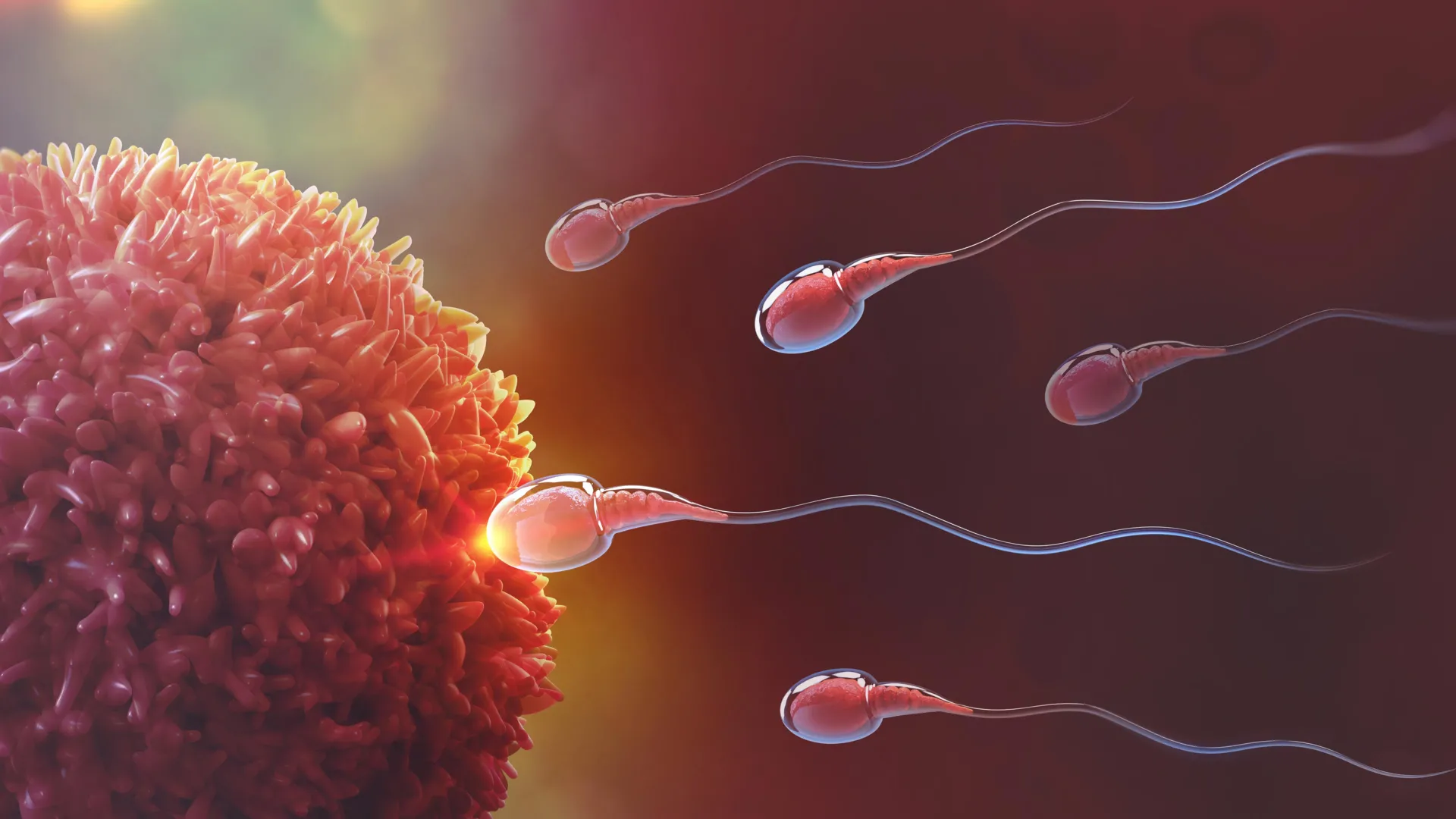
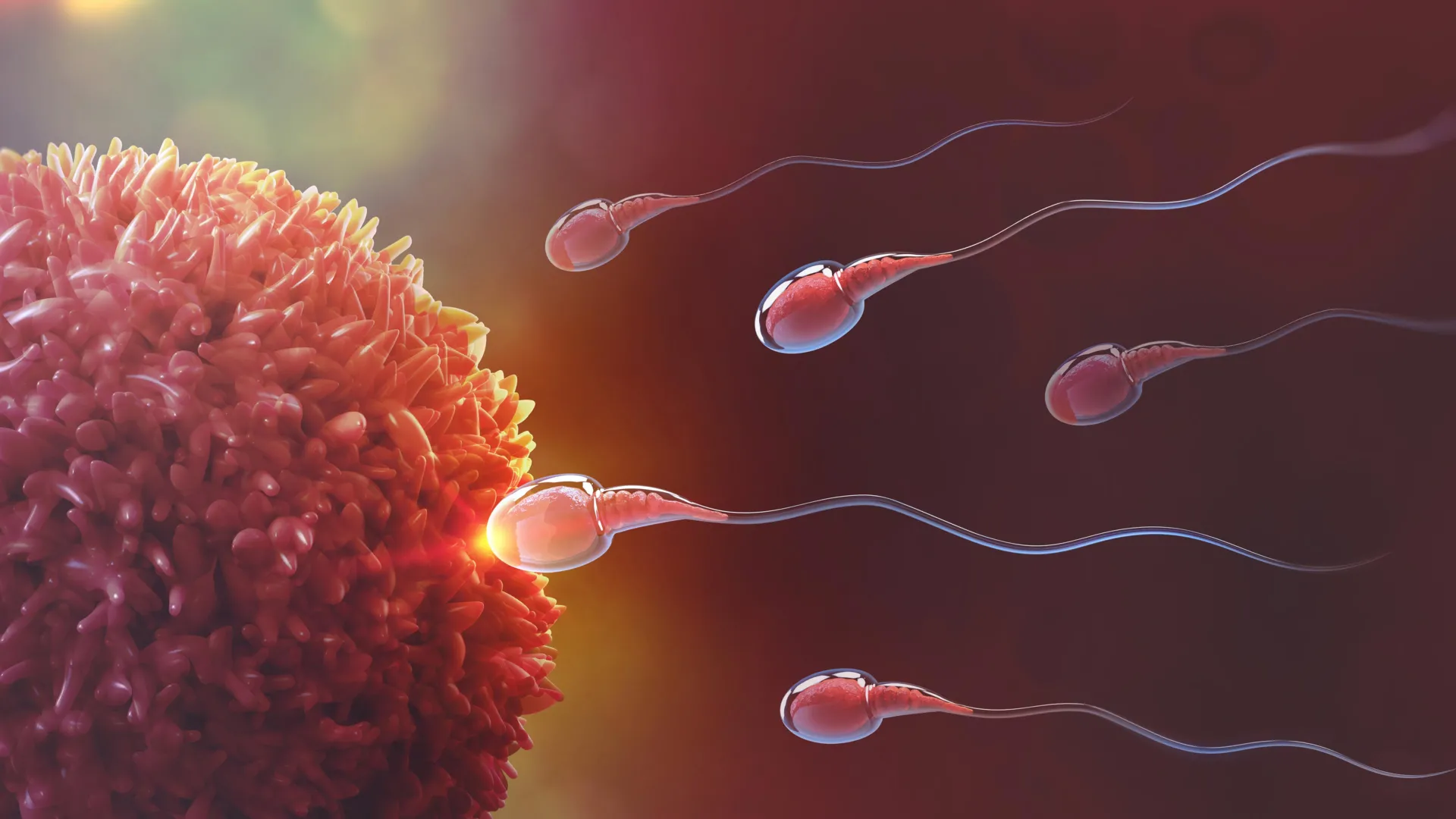
To understand the magnitude of the Yale-led discovery, one must first look at the standard biological process of fertilization. For an embryo to form, a sperm cell must not only reach the egg but must also recognize it, adhere to its surface, and eventually fuse its genetic material with that of the egg. This process is governed by a highly specific protein-to-protein interaction.
In 2005, researchers identified a protein on the surface of sperm cells essential for this fusion, naming it IZUMO1 after the Izumo Taisha, a Japanese shrine dedicated to marriage. It wasn’t until 2014 that its counterpart on the egg’s surface was discovered and named JUNO, after the Roman goddess of fertility and marriage. When IZUMO1 meets JUNO, they bind together, facilitating the fusion of the two cells. If this connection is weak or blocked, fertilization cannot occur, regardless of the health or quantity of the sperm and eggs.
The Yale study focuses on how this connection is naturally thwarted. Steven Tang, an assistant professor of molecular biophysics and biochemistry at Yale and the study’s corresponding author, emphasized that the research provides the first structural evidence of how an anti-sperm antibody can physically prevent this union. "This will have direct implications for infertility and contraception research, especially immuno-infertility and immuno-contraception," Tang stated.
A Forty-Year Mystery: The Role of OBF13
The catalyst for this structural revelation is an antibody called OBF13. First discovered 40 years ago at Osaka University in Japan, OBF13 is a naturally occurring antibody found in some rodent models and human cases of "immuno-infertility." In these instances, the immune system mistakenly identifies sperm as a foreign invader and produces antibodies to neutralize it.
While scientists have known since the 1980s that OBF13 could potently block fertilization, the "how" remained elusive. The Yale-led team, working in collaboration with colleagues at Osaka University, utilized advanced X-ray crystallography to solve this mystery. By analyzing the crystal structure of IZUMO1 as it interacts with OBF13, the researchers found that the antibody does not just "sit" on the sperm; it reconfigures the protein’s geometry.
The analysis revealed that OBF13 attaches itself to IZUMO1 in a way that physically blocks the site where JUNO would normally bind. Furthermore, the team identified a high-affinity variant of OBF13—a "tighter bonding" version—that acts as a powerful inhibitor. This structural reconfiguration prevents the sperm from making the necessary contact with the egg, effectively acting as a molecular shield.
Timeline of Reproductive Breakthroughs
The journey to this discovery has been marked by several decades of incremental scientific progress:
- 1980s: Researchers at Osaka University discover the OBF13 antibody and observe its ability to prevent fertilization in rodent models, though the molecular target remains unknown.
- 2005: The identification of the IZUMO1 protein on sperm cells provides the first half of the fertilization "lock and key" puzzle.
- 2014: The JUNO receptor is identified on the egg membrane, completing the understanding of how gametes recognize each other.
- 2016–2022: Structural biology advances allow for more detailed imaging of protein complexes, leading researchers to revisit the OBF13 antibody.
- 2024: The Yale-led team publishes the high-resolution X-ray crystal structure of the IZUMO1-OBF13 complex in PNAS, revealing the mechanics of fertilization blockade.
Data and Statistics: The Scope of Infertility
The implications of this research are underscored by the staggering statistics surrounding reproductive health. According to the Centers for Disease Control and Prevention (CDC), approximately 9% of men and 11% of women of reproductive age in the United States experience fertility problems. Globally, the World Health Organization (WHO) estimates that 1 in 6 people are affected by infertility at some point in their lives.
A significant portion of these cases is categorized as "unexplained infertility" or "immuno-infertility." In these patients, traditional tests show healthy gamete production, yet conception fails to occur. The Yale study suggests that structural interference at the IZUMO1-JUNO interface could be a hidden culprit in many of these cases. By identifying the specific amino acid sites on JUNO that define its ability to bind with IZUMO1—even in the presence of interfering antibodies—the researchers have provided a potential target for therapeutic intervention.
Toward New Contraceptive Therapies
Beyond treating infertility, the study opens a promising new line of inquiry for the development of male and female contraceptives. Currently, most contraceptive methods are hormonal, which can carry side effects ranging from mood changes and weight gain to more serious risks like blood clots. There is a high global demand for non-hormonal alternatives.
By mimicking the action of the OBF13 antibody, pharmaceutical researchers could theoretically develop a "small-molecule inhibitor"—a pill or a topical application—that temporarily blocks the IZUMO1 protein on sperm. Because this method targets a protein specific to the reproductive system, it would likely avoid the systemic side effects associated with hormone-based drugs.
"In this work, we are reporting the first anti-sperm antibody-antigen complex structure," Tang said. "We provide high-resolution information that will open avenues for discovering IZUMO1 regulators, guide antibody and small-molecule inhibitor design, and support drug screening for contraceptive development."
Scientific Methodology and Collaboration
The research was a feat of international collaboration and high-tech instrumentation. The study’s first author, Yonggang Lu, and co-author Masahito Ikawa, both from Osaka University, provided the historical expertise and biological models necessary to study OBF13.
The team utilized the SLAC National Accelerator Laboratory in California, supported by the U.S. Department of Energy. Using high-intensity X-rays at this facility, the researchers were able to map the positions of individual atoms within the protein-antibody complex. This level of detail allowed them to see exactly which amino acids were involved in the binding process.
In a crucial part of the experiment, the researchers identified key amino acid sites on the JUNO receptor. They discovered that when these sites are accessed correctly, they can maintain their bond with sperm for fertilization despite the presence of OBF13. This finding is particularly vital for infertility treatments, as it suggests that drugs could be designed to "shield" these sites or enhance the binding affinity between IZUMO1 and JUNO to overcome immune system interference.
Analysis of Broader Implications
The Yale study arrives at a time when reproductive science is undergoing a shift toward personalized medicine. The ability to diagnose immuno-infertility at a molecular level could save couples years of unsuccessful treatments and the high costs associated with In Vitro Fertilization (IVF). If a clinic can identify that a patient’s infertility is caused by a specific antibody blocking the IZUMO1-JUNO connection, they can tailor treatments—such as Intracytoplasmic Sperm Injection (ICSI)—more effectively.
From a public health perspective, the "immuno-contraception" aspect is equally transformative. The development of a non-hormonal "male pill" has been a "holy grail" of reproductive science for decades. By focusing on the IZUMO1 protein, which is found only on sperm, researchers can ensure a high degree of specificity.
The work was supported by several prestigious organizations, including the National Institutes of Health (NIH), the David Sokal Innovation Award of the Male Contraception Initiative, the Japan Society for the Promotion of Science, and the Takeda Science Foundation. This broad base of support reflects the global importance of finding new solutions for reproductive health.
Conclusion and Future Outlook
While the study was conducted using rodent models, the conservation of the IZUMO1 and JUNO proteins across mammalian species, including humans, suggests that the findings are highly translatable. The next steps for the Yale and Osaka teams involve screening for small molecules that can mimic the OBF13 antibody’s blocking effect and developing diagnostic tools to detect similar antibodies in human patients.
As the scientific community digests these findings, the focus will likely turn to clinical trials. The high-resolution data provided by Tang and his colleagues has effectively turned a 40-year-old biological mystery into a clear engineering challenge. Whether the goal is to help a life begin or to provide more options for family planning, the mapping of the IZUMO1-OBF13 complex stands as a landmark achievement in the study of human life.