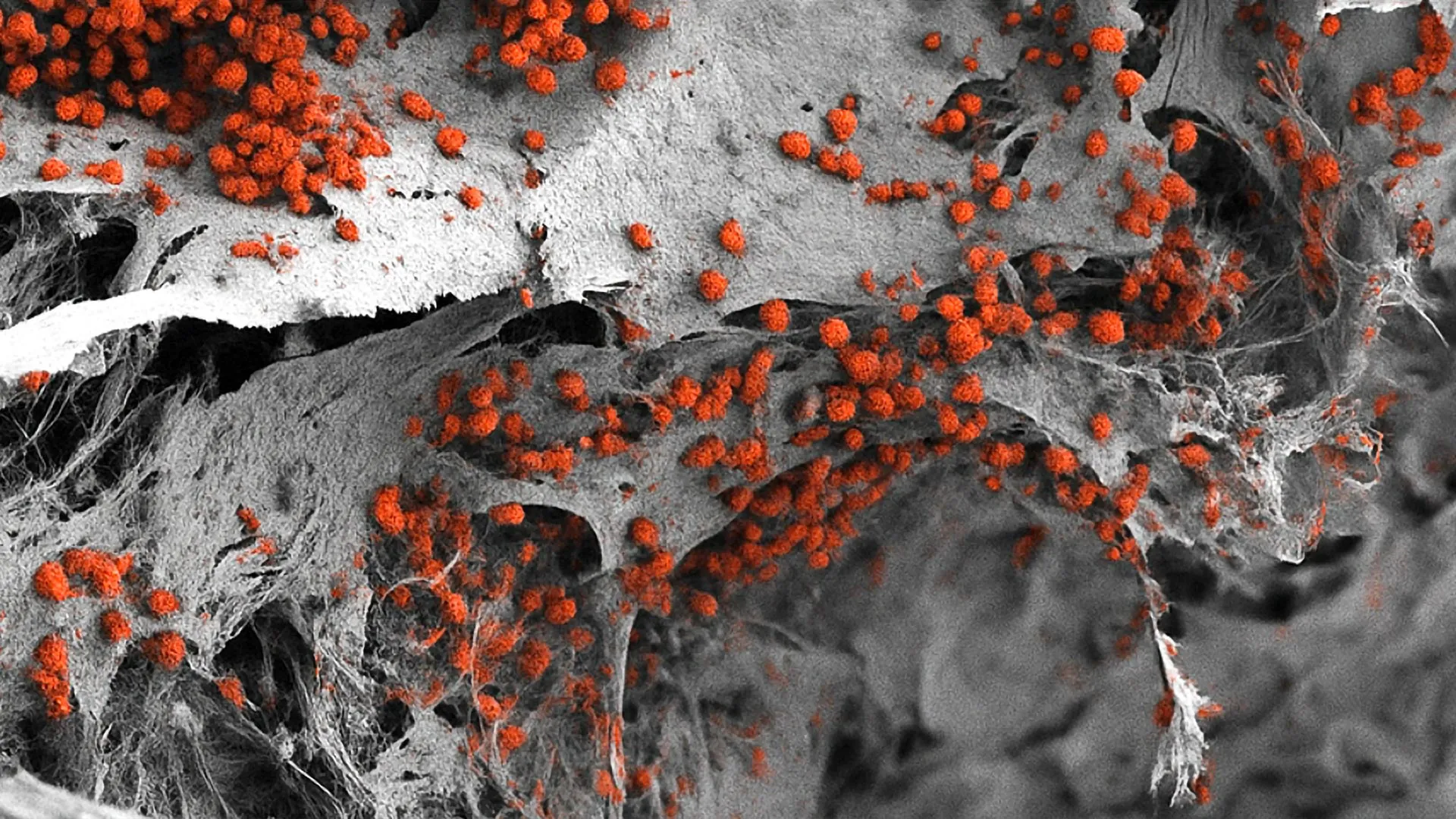
The rapid rise of glucagon-receptor agonists (GLP-1) has transformed the landscape of metabolic health, offering unprecedented results for individuals struggling with type 2 diabetes and obesity. However, as millions of Americans adopt medications like Ozempic, Wegovy, and Mounjaro, a significant clinical concern has emerged: the unintended and often substantial loss of skeletal muscle mass. A groundbreaking study from the Salk Institute, published in the Proceedings of the National Academy of Sciences on January 22, 2025, has identified a specific protein, BCL6, as a master regulator of muscle maintenance. This discovery provides a potential molecular roadmap for preserving lean tissue during rapid weight loss and offers new hope for treating muscle-wasting conditions associated with aging and chronic illness.
According to recent healthcare data, approximately one in eight adults in the United States has utilized a GLP-1 medication. While these drugs are highly effective at inducing satiety and slowing gastric emptying, clinical observations indicate that muscle tissue can account for as much as 40% of the total weight lost by patients. This "lean mass tax" can lead to decreased strength, lower metabolic rates, and a higher risk of frailty, particularly in older populations. The Salk Institute’s research suggests that by targeting the BCL6 protein, clinicians may eventually be able to decouple fat loss from muscle loss, ensuring that weight reduction improves overall functional health rather than just the numbers on a scale.
The Molecular Mechanics of Muscle Preservation
Skeletal muscle is the most abundant tissue in the human body, serving not only as the engine for movement but also as a primary site for glucose disposal and metabolic regulation. Maintaining this tissue requires a delicate hormonal balance. The Salk study, led by Professor Ronald Evans, director of the Gene Expression Laboratory, focused on the complex signaling pathway that begins when the body enters a fasted state.
When the stomach is empty, it secretes the hormone ghrelin, which signals the brain to release growth hormone (GH). Growth hormone travels through the bloodstream to various tissues, where it stimulates the production of insulin-like growth factor 1 (IGF1). IGF1 is the primary driver of muscle protein synthesis and cellular growth. However, this pathway is not a simple "on" switch; it is modulated by a series of intermediary proteins that act as rheostats, fine-tuning the amount of IGF1 produced.
The researchers identified BCL6 as a critical component in this regulatory web. BCL6 functions by controlling the levels of another protein called SOCS2 (Suppressor of Cytokine Signaling 2). Under normal conditions, SOCS2 acts as a brake on IGF1 production. The Salk team discovered that BCL6 effectively "inhibits the inhibitor." By keeping SOCS2 levels in check, BCL6 ensures that the body can continue to produce enough IGF1 to maintain muscle mass, even when caloric intake is low.
Experimental Evidence and Data Analysis
To validate the role of BCL6, the Salk team conducted a series of comparative experiments using murine models. The researchers compared healthy mice with a cohort of mice engineered to lack functional BCL6 proteins. The results were stark: the mice without BCL6 exhibited a 40% reduction in total muscle mass compared to their healthy counterparts. Furthermore, the muscle tissue that remained in the BCL6-deficient mice showed significant structural degradation and a marked decrease in contractile strength.
The study further explored the impact of nutritional status on BCL6 expression. When healthy mice were subjected to overnight fasting, the researchers observed a natural decline in BCL6 levels within their muscle cells. This suggests that the body’s natural response to food deprivation involves a down-regulation of muscle-building pathways to conserve energy. In the context of GLP-1 medications—which essentially put the body into a chronic state of reduced caloric intake—this natural decline in BCL6 can lead to the accelerated muscle wasting seen in clinical settings.
Crucially, the Salk team demonstrated that this process is reversible. When researchers artificially increased the expression of BCL6 in mice that had previously suffered muscle loss, the animals experienced a significant recovery in both muscle mass and functional strength. This "rescue" effect indicates that BCL6 is not merely a marker of healthy muscle but a primary driver of its maintenance.
The GLP-1 Paradox and Clinical Context
The popularity of GLP-1 drugs has created a unique clinical paradox. While reducing adiposity (fat) significantly lowers the risk of cardiovascular disease and metabolic syndrome, the concurrent loss of muscle mass can lead to "sarcopenic obesity." This condition is characterized by a high body fat percentage relative to low muscle mass, which can leave patients feeling weak and potentially more prone to weight regain once the medication is discontinued, as muscle is a primary driver of resting metabolic rate.
"Muscle maintenance is critical to our health and quality of life," noted Professor Ronald Evans. "Our study reveals how our bodies coordinate the upkeep of all this muscle with our nutrition and energy levels. With this new insight, we can develop therapeutic interventions for patients losing muscle as a side effect of weight loss, age, or illness."
The implications extend far beyond the millions of Americans using weight-loss injectables. Muscle wasting, or cachexia, is a devastating complication of systemic diseases such as cancer, sepsis, and chronic obstructive pulmonary disease (COPD). Additionally, sarcopenia—the age-related loss of muscle—is a leading cause of falls and loss of independence in the elderly. The identification of BCL6 as a druggable target opens the door for a new class of "myoprotective" therapies that could be co-administered with GLP-1s or used as standalone treatments for muscle-wasting disorders.
Chronology of the Discovery and Research Timeline
The journey to identifying BCL6 began with a comprehensive search of national genomic databases. The Salk researchers scoured human tissue samples to identify proteins that were disproportionately abundant in skeletal muscle but whose functions were not yet fully understood. BCL6 emerged as a primary candidate due to its high expression levels in healthy muscle cells.
Following the initial database identification, the team spent several years developing the mouse models necessary to test the protein’s function. By 2023, the laboratory had confirmed the link between BCL6 and the SOCS2/IGF1 pathway. The final phase of the research, completed in late 2024, involved the "rescue" experiments that proved increasing BCL6 could reverse muscle atrophy. The findings were peer-reviewed and published in January 2025, arriving at a time when the medical community is actively seeking solutions to the side effects of the obesity-drug boom.
Broader Impact and Future Directions
The Salk Institute’s findings have already sparked interest among pharmaceutical researchers and metabolic specialists. The prospect of a "BCL6-boosting" medication—perhaps delivered as a co-injection with existing GLP-1 therapies—represents a significant commercial and clinical opportunity. By preserving muscle while the GLP-1 promotes fat loss, such a combination could maximize the health benefits of weight management.
However, the researchers emphasize that there is still much to learn about the protein’s natural behavior. Hunter Wang, a postdoctoral researcher in Evans’ lab and the study’s first author, noted that BCL6 appears to operate on a circadian rhythm. "Hormones tend to operate in cycles, and BCL6 naturally rises and falls with a strong circadian rhythm," Wang explained. Understanding how the timing of BCL6 expression aligns with sleep, exercise, and feeding cycles could be vital for optimizing future treatments.
The next steps for the Salk team involve investigating the effects of long-term fasting and chronic GLP-1 use on BCL6 levels in human subjects. They also aim to explore whether exercise—a known stimulus for muscle growth—interacts with the BCL6 pathway to enhance protein synthesis.
Conclusion and Analysis of Implications
The discovery of BCL6’s role in muscle maintenance marks a significant shift in metabolic research. For decades, the focus of weight-loss science was primarily on how to burn fat. The Salk Institute has pivoted the conversation toward how to protect the body’s most vital functional tissue during that process.
If BCL6-targeted therapies prove successful in human trials, the impact on public health could be profound. For the elderly, it could mean a reduction in the frailty that often leads to hospitalization. For cancer patients, it could mean maintaining the strength necessary to endure rigorous treatments. And for the millions of people currently navigating the "Ozempic era," it could mean achieving a healthier body composition that is sustainable for the long term.
The research was supported by a diverse array of institutions, including the National Institutes of Health, the Department of the Navy Office of Naval Research, and the American Heart Association. This broad support underscores the universal importance of muscle health across various fields of medicine, from geriatric care to military readiness. As the medical community moves toward a more holistic view of metabolic health, BCL6 stands as a promising beacon for the future of regenerative medicine.