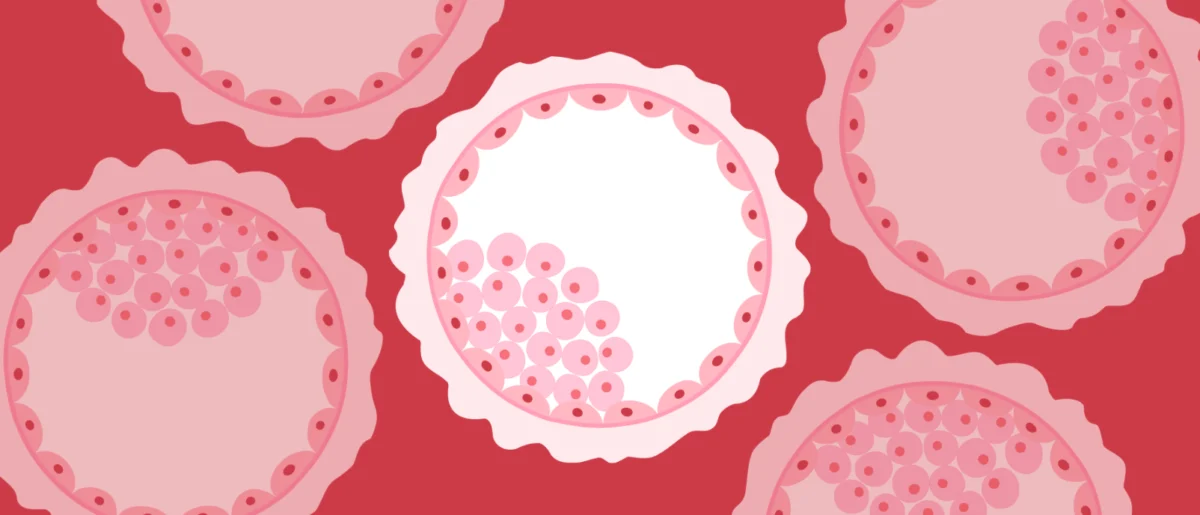
The groundbreaking research, led by scientists at the University of Cambridge in the UK, represents a pivotal moment in developmental biology. By employing base editing – a precision genome modification tool – the team successfully ‘knocked out’ the NANOG gene, a well-known pluripotency regulator, within human embryos. This unprecedented application of base editing to study a developmental regulator in human embryos has unveiled the gene’s indispensable role in the earliest stages of human life, opening new avenues for understanding this intricate biological process. The findings carry profound implications for regenerative medicine, the investigation of infertility, and the study of pregnancy loss, promising a future where these complex challenges might be addressed with greater precision.
Unpacking the Breakthrough: Base Editing and the NANOG Gene
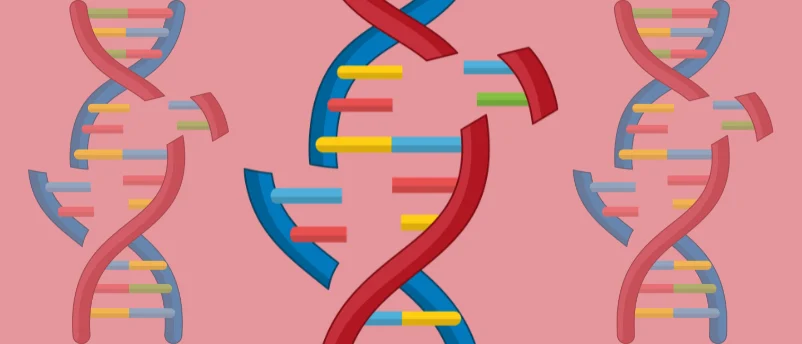
At the heart of this scientific achievement lies the innovative application of base editing technology. Unlike conventional genome editing tools such as CRISPR-Cas9, which create double-strand breaks in the DNA helix, base editing operates with a far higher degree of precision and minimal collateral damage. It enables targeted changes to a single nucleotide base within the DNA sequence without inducing the potentially genotoxic double-strand breaks that can lead to unintentional chromosomal errors. This inherent safety profile makes base editing a significantly more suitable and lower-risk option for sensitive applications, particularly in the study of human embryos where genomic integrity is paramount.
For decades, the study of early human development has been fraught with technical, biological, and ethical complexities. While animal models, predominantly mice, have provided invaluable insights into the transcription factors governing early developmental processes, extrapolating these findings directly to humans has always presented limitations. The unique developmental pathways and genetic regulatory networks in humans often diverge from those observed in other species, underscoring the critical need for human-specific research models. The advent of base editing offers a powerful new lens through which to observe and understand these uniquely human biological mechanisms.
The gene at the centre of this study, NANOG, is a transcription factor recognised as a master regulator of pluripotency. Pluripotency refers to the ability of embryonic stem cells to differentiate into any cell type of the three primary germ layers (ectoderm, mesoderm, and endoderm), which subsequently form all the tissues and organs of the body. Maintaining pluripotency is crucial for the successful formation and early development of an embryo. Previous research in mouse models had established NANOG‘s importance, but its precise function and regulatory nuances in human embryos remained less understood due to the aforementioned research barriers.
A New Era of Precision: Methodology and Key Findings
The Cambridge scientists meticulously applied adenine base editing to selectively inactivate the NANOG gene. Their strategy involved targeting an exon splice donor site within the gene, which effectively introduced a splicing defect. This precise modification prevented the proper expression and function of the NANOG protein. The subsequent analysis of these modified human embryos yielded critical insights into the gene’s role.
The research demonstrated unequivocally that the loss of NANOG profoundly disrupts pluripotent epiblast specification. The epiblast is a key cell lineage in the early embryo that gives rise to the fetus itself. When NANOG was inactivated, the cells were diverted from their normal developmental trajectory, instead embarking on pathways towards becoming either primitive endoderm (which forms part of the yolk sac) or trophectoderm (which contributes to the placenta). This indicates that NANOG is not merely involved in pluripotency maintenance but is absolutely essential for guiding the epiblast towards its correct developmental fate.
A crucial aspect of the study was the rigorous assessment of the base editing technique’s safety and specificity. The researchers confirmed that their approach did not trigger genotoxicity – harmful effects on the genetic material – and exhibited limited off-target editing. This finding significantly bolsters the case for base editing as a reliable and precise tool for genetic studies in human embryos, mitigating concerns associated with the less precise, nuclease-based methods.
Study lead Kathy Niakan underscored the significance of these findings, stating, "Our results indicate that the NANOG gene is critical for the development of pluripotent cells, the building blocks that are fundamentally important to human development." This statement highlights the foundational nature of the discovery, connecting a specific genetic mechanism to the very earliest processes that orchestrate human life.
Bridging the Human-Mouse Divide: Unique Insights
One of the most compelling revelations from this study is the subtle yet crucial difference in the role of NANOG between humans and mice. In rodent models, the loss of the NANOG gene typically disrupts both the epiblast and the endoderm lineages. However, in human embryos, the research team observed that primitive endoderm-like cells were retained even after NANOG inactivation. This divergence underscores a fundamental principle in developmental biology: while animal models are invaluable, direct extrapolation to human physiology is not always accurate.
This distinction powerfully reinforces the imperative for human-specific models in developmental research. Relying solely on mouse models, or any other animal model, could lead to an incomplete or even misleading understanding of human embryonic processes. The ability to precisely manipulate genes in human embryos, as demonstrated by this study, offers an unparalleled opportunity to uncover these species-specific regulatory mechanisms, paving the way for truly human-relevant discoveries. This refined understanding is critical for developing targeted therapeutic strategies that are effective and safe for human application.

Broader Implications: From Infertility to Regenerative Medicine
The implications of this breakthrough extend across several critical fields of medical science and research. The enhanced ability to study early human development with greater confidence and precision has the potential to transform our approach to infertility, pregnancy loss, and regenerative medicine.
Advancing Infertility Treatments: Infertility affects millions of couples worldwide, and a significant portion of cases remain unexplained or are linked to early embryonic development failures. By understanding the exact genetic mechanisms that govern the viability and healthy progression of an embryo, researchers can identify novel targets for intervention. For instance, a deeper insight into genes like NANOG could lead to improved embryo selection in In Vitro Fertilization (IVF) cycles. Currently, IVF success rates, while improving, still face challenges related to embryo quality and implantation failure. Helen O’Neill, an Associate Professor in Reproductive and Molecular Genetics at University College London, who was not involved in the research, eloquently articulated this potential. She explained to the Science Media Centre that "Understanding the embryo is the foundation for improving IVF, reducing embryo loss, and eventually supporting families carrying serious genetic disease who may currently go through repeated IVF cycles and still have no unaffected embryo to transfer."
This research could contribute to developing more sophisticated diagnostic tools for assessing embryo health and developmental potential, moving beyond morphological criteria to include genetic and molecular markers. This could significantly reduce the emotional and financial burden on couples undergoing repeated IVF treatments, offering a clearer path to a successful pregnancy.
Addressing Pregnancy Loss: Recurrent pregnancy loss is a devastating experience for many families. While various factors contribute to miscarriage, a significant number are attributed to chromosomal abnormalities or developmental defects in the very early stages of embryogenesis. The ability to precisely study the function of essential developmental genes like NANOG in human embryos offers a unique opportunity to identify the molecular underpinnings of these early failures. This knowledge could lead to preventative strategies or interventions aimed at supporting embryo viability and reducing the incidence of unexplained pregnancy loss.
Pioneering Regenerative Medicine: Regenerative medicine, which aims to repair or replace damaged tissues and organs, heavily relies on understanding and harnessing the power of pluripotent stem cells. The discovery of induced pluripotent stem cells (iPSCs) revolutionized the field, but controlling their differentiation and ensuring their safety and efficacy for therapeutic use remains a significant challenge. By dissecting the roles of master regulatory genes like NANOG in human embryonic stem cells, scientists can gain unparalleled insights into the mechanisms that maintain pluripotency and guide differentiation. This knowledge is crucial for developing safer and more effective stem cell-based therapies for a wide range of conditions, from neurodegenerative diseases to organ failure. The precision offered by base editing could also allow for more accurate in vitro disease modeling, creating patient-specific cellular models to study disease progression and test potential drug therapies.
Ethical Framework and Responsible Innovation
The field of human embryo research, while holding immense promise, operates within a stringent ethical and regulatory framework. The ability to genetically modify human embryos, even for research purposes, raises important societal and ethical questions. The researchers at the University of Cambridge, operating under the UK’s Human Fertilisation and Embryology Authority (HFEA) regulations, conducted their work within these established guidelines, which typically permit research on human embryos up to 14 days post-fertilization.
The scientific community, policymakers, and the public engage in ongoing dialogue about the responsible conduct of such research. The emphasis on "careful, transparent and ethically governed research," as highlighted by Helen O’Neill, is paramount. This study exemplifies a model of responsible scientific inquiry, utilizing a less invasive and more precise technology to gain fundamental knowledge that could ultimately alleviate human suffering. While base editing shows immense potential as a research tool, there is a consensus that a "long way to go" and "a number of issues that need to be addressed" before it could ever be considered for clinical use in human embryos, particularly for heritable genome editing. These issues include ensuring absolute safety, predictability, and addressing the broader societal implications.
Future Outlook and Challenges
This landmark study represents a significant leap forward, but it is also a foundational step. The immediate future of this research will likely involve further exploration of other critical developmental genes using base editing. Researchers will aim to build a more comprehensive map of the genetic regulatory networks that orchestrate human embryonic development, identifying more "master genes" and understanding their intricate interactions.
Technological advancements in base editing itself will also continue. Scientists are working on developing new base editors that can target different types of nucleotide changes with even greater precision and efficiency, further expanding the scope of what can be studied. Overcoming remaining technical hurdles, such as ensuring precise delivery of base editing components to specific cells and completely eliminating off-target effects, will be crucial for any potential future clinical applications.
Ultimately, this pioneering use of base editing in human embryos paves the way for a deeper and more nuanced understanding of the earliest moments of human life. It offers an unprecedented window into the complex choreography of genes and cells that transforms a single fertilized egg into a developing embryo. This knowledge, carefully and ethically pursued, holds the potential to redefine our approach to reproductive health, genetic diseases, and the burgeoning field of regenerative medicine, offering hope for countless individuals and families.