Mammalian cell lines stand as indispensable pillars in the intricate landscape of modern biotechnology and medicine, serving as biological factories for recombinant therapeutic proteins, critical vaccine components, and a myriad of other clinically relevant pharmaceuticals. While numerous cell lines contribute to this vital ecosystem, three distinct entities have emerged as particularly transformative: Chinese Hamster Ovary (CHO) cells, HeLa cells, and human embryonic kidney-derived epithelial (HEK293) cells. Each boasts a unique history, distinct biological properties, and a profound impact on drug discovery and the development of biologics, collectively underpinning breakthroughs that have reshaped human health. This article delves into the origins, characteristics, and enduring contributions of these three foundational cell lines, exploring their development timelines, scientific advantages, and the groundbreaking biomedical innovations they have enabled.
Chinese Hamster Ovary (CHO) Cells: The Workhorse of Biopharmaceutical Manufacturing
Among the triumvirate of prominent mammalian cell lines, Chinese Hamster Ovary (CHO) cells have ascended to an unparalleled position, often celebrated as the "workhorse" of biopharmaceutical manufacturing. Their ubiquity in the production of recombinant therapeutic proteins, particularly monoclonal antibodies, has solidified their status as the gold standard in recent decades, driving the growth of a multi-billion dollar biologics industry.
Historical Genesis and Evolution
The lineage of CHO cells traces back to 1919, when their progenitors were first utilized in preliminary medical research, specifically for identifying pneumococcus bacteria. However, the formal establishment of the CHO cell line, as recognized today, occurred in 1957. Researchers at the University of Colorado Medical School (CO, USA) meticulously extracted epithelial cells from the ovaries of a female Chinese hamster (Cricetulus griseus). Initially, their primary objective was to investigate human chromosomes and the effects of radiation, leveraging the surprising genetic and cellular similarities between Chinese hamsters and humans. This foundational work laid the groundwork for what would become an industrial powerhouse.
Since their isolation, CHO cells have undergone extensive genetic engineering and selection processes, leading to the generation of numerous optimized subtypes. These advancements have progressively enhanced their growth rates, increased their protein productivity, and improved their safety profiles, adapting them for the rigorous demands of industrial-scale biomanufacturing. A significant milestone arrived in 1987 when a CHO cell line was instrumental in producing human tissue plasminogen activator (tPA), marketed as Activase. This recombinant therapeutic, used to treat cardiovascular diseases such as myocardial infarction and stroke by dissolving blood clots, became the first mammalian-expressed recombinant therapeutic to receive FDA approval. This landmark approval unequivocally demonstrated the viability and efficacy of CHO cells for producing complex human proteins, cementing their future as a cornerstone of biotherapeutic production.
Scientific Advantages and Industrial Dominance
The widespread adoption of CHO cells stems from a confluence of distinct biological and practical advantages. Perhaps most critically, the structural resemblance of CHO cells to human cells, particularly in their ability to perform complex post-translational modifications like glycosylation, makes them an ideal platform for developing human-compatible drugs. Glycosylation, the enzymatic attachment of glycans to proteins, is crucial for protein function, stability, and immunogenicity. Unlike microbial (e.g., E. coli), insect, or plant-based expression systems, CHO cells can produce proteins with glycosylation patterns highly similar to those found in human cells. This critical capability significantly reduces the potential for immunogenic responses when CHO-derived biologics are administered to patients, a major concern in drug development. Fang Tian, Director of Biological Content at ATCC (VA, USA), emphasizes this point, noting that CHO cells "can perform post-translational modifications, like glycosylation, similar to those found in human cells, which means they can yield proteins that resemble our own."
Beyond their biochemical prowess, CHO cells exhibit remarkable adaptability and robustness in industrial settings. They thrive in high-density suspension cultures, a prerequisite for large-scale biomanufacturing, and can be grown in serum-free media, simplifying purification processes and reducing contamination risks. Their tolerance to variations in crucial parameters such as pH, oxygen levels, and temperature further contributes to their ease of maintenance and cost-effectiveness on an industrial scale. This combination of biological compatibility and manufacturing tractability has made them the preferred platform. Tian further highlights their "extensive regulatory and manufacturing track record over decades," underscoring the confidence the industry and regulatory bodies place in CHO-based production.
Despite their myriad benefits, CHO cells are not without their limitations. Tian points out that their "non-human origin can lead to differences in glycosylation or cellular context compared to human physiology," requiring careful characterization of the final product. Additionally, "cell line heterogeneity requires careful characterization and control" to ensure consistent product quality and efficacy across manufacturing batches.
Key Therapeutic Milestones and Future Prospects
CHO cells continue to drive vital breakthroughs in biomedical research and manufacturing, delivering a steady stream of innovative therapies to patients. Recent examples underscore their ongoing significance. In 2023, LEQEMBI (lecanemab), a monoclonal antibody therapy produced using the CHO cell line, received FDA approval for the treatment of early Alzheimer’s disease, marking a significant advance in tackling neurodegenerative conditions. The immune-oncology therapy UNLOXCYT, also CHO-produced, gained approval in 2024 for advanced cutaneous squamous cell carcinoma, offering new hope for cancer patients. Furthermore, ENFLONSIA, a preventive monoclonal antibody for respiratory syncytial virus (RSV) lower respiratory tract disease, secured approval last year, addressing a critical need for vulnerable populations, particularly infants and the elderly.
The future of CHO cells in biomanufacturing remains exceedingly bright. Tian concludes that "CHO cells remain central to next-generation antibody formats, including bispecifics and engineered Fc variants with tuned effector functions." Continuous advancements in cell line engineering, media optimization, and digital bioprocess monitoring are further enhancing the productivity and consistency of CHO bioproduction platforms. As a result, CHO cells are expected to maintain their preeminent position as the default manufacturing system for biologics addressing a vast array of diseases, from autoimmune disorders and infectious diseases to various forms of cancer.
HeLa Cells: A Foundation for Fundamental Biomedical Research
HeLa cells represent arguably the most famous, and certainly the most controversial, immortalized human cell line in scientific history. Established in 1952, they have been an indispensable tool in biomedical research for over seven decades, serving as a fundamental reference system across disciplines from functional genomics and virology to cancer research. Their contributions to understanding basic biological processes, developing assays, validating drug targets, and conducting high-throughput screening are immeasurable.
Controversial Origins and Unprecedented Proliferation

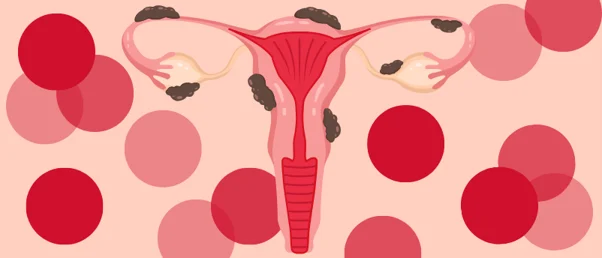
The story of HeLa cells is inextricably linked to Henrietta Lacks, an African American woman who sought treatment for cervical cancer at Johns Hopkins Hospital in Baltimore, Maryland, in 1951. Without her knowledge or consent, tissue samples were taken from her tumor by Dr. George Gey and his team. At a time when cell culture was a nascent and challenging field, Lacks’s cells exhibited an unprecedented and astonishing ability to not only survive but also to proliferate indefinitely in culture, a characteristic that earned them the designation "immortal." These rapidly dividing cells were labeled "HeLa," derived from the first two letters of Henrietta Lacks’s first and last names.
The ethical implications of their origin—the unconsented harvesting of human tissue, particularly from a marginalized individual—have cast a long shadow over their scientific utility. This historical injustice has ignited crucial discussions about patient rights, informed consent, and bioethics, leading to significant reforms in research regulations worldwide. The Lacks family’s story, popularized by Rebecca Skloot’s book "The Immortal Life of Henrietta Lacks," has brought critical attention to these issues, prompting ongoing efforts to acknowledge Henrietta Lacks’s contributions and ensure fair practices in scientific research.
Pioneering Discoveries and Ethical Legacy
Despite their contentious origins, HeLa cells rapidly became a cornerstone of scientific inquiry due to their robust nature and ease of use. Their "exceptional robustness, reproducibility, extensive historical data and ease of use," as noted by Tian, made them invaluable. The fact that they are human-derived also offers "biological relevance that complements more specialized or primary models," making them highly attractive for studying human physiology and pathology.
HeLa cells have been central to countless scientific discoveries that have profoundly impacted public health. In 1953, they were critical for Jonas Salk’s development of the first polio vaccine, enabling mass production and testing of the vaccine and ultimately leading to the eradication of polio in many parts of the world. Later, in the 1980s, HeLa cells played a vital role in advancing our understanding of HIV infection and the mechanisms of AIDS. Their utility extends to pioneering work recognized by Nobel Prizes:
- 2008 Nobel Prize in Physiology or Medicine: Awarded for research demonstrating that human papillomavirus (HPV) causes cervical cancer, a discovery significantly aided by studies using infected HeLa cells.
- 2009 Nobel Prize in Physiology or Medicine: Recognized the scientists who uncovered how chromosomes are protected by telomeres and the enzyme telomerase, a fundamental discovery in cell aging and cancer, which extensively involved HeLa cells.
- 2014 Nobel Prize in Chemistry: Honored the development of super-resolved fluorescence microscopy, a technique that allows imaging of structures far smaller than previously possible, with HeLa cells serving as key experimental models.
Beyond these accolades, HeLa cells have been instrumental in advancing the study of various cancers, genetics, cell division, and the effects of toxins and radiation. Their rapid growth and relatively simple cultivation have made them an accessible and reliable model system for generations of scientists.
However, the downsides, beyond their ethical origins, include the fact that they are cancer-derived and highly aneuploid (possessing an abnormal number of chromosomes). This chromosomal instability and cancerous nature can limit their physiological relevance for non-disease models, as Tian explains. While immensely useful for specific types of research, their transformed state means they do not perfectly recapitulate the behavior of normal human cells. Tian also clarifies that "although the cell line remains a powerful tool for viral biology and vector engineering, it is not a host bioproduction cell line for FDA-approved drugs." This distinction is important; while fundamental to discovery, they are not typically used for manufacturing therapeutic biologics due to safety and regulatory concerns.
Modern Applications and Enduring Relevance
In contemporary research, HeLa cells continue to support critical assay development and mechanistic studies. Tian highlights their role in "CRISPR-based functional genomics, host–pathogen interactions and pathway interrogation that inform early-stage target discovery." Their consistent behavior across laboratories makes them ideal for benchmarking new technologies and methodologies.
Recent examples underscore their continued utility. A 2025 Cell Reports Methods study leveraged HeLa cells to develop synthetic gene circuit-based, fluorescence-enabled antiviral screening platforms. These platforms are designed for high-throughput evaluation of viral protease inhibitors, offering a significant acceleration in early-stage antiviral drug discovery. Another impactful study, published in Nature last year, utilized high-resolution CRISPR interference screening in HeLa cells to comprehensively map the genetic interactions required for survival in DNA damage response genes. This groundbreaking work uncovered synthetic lethal gene pairs across DNA damage repair pathways, providing crucial insights that could inform the development of next-generation cancer drugs. These examples demonstrate that despite their age and controversies, HeLa cells remain a potent and versatile tool in the modern scientific arsenal, driving innovation in areas like infectious disease and oncology.
HEK293 Cells: Versatility in Gene Therapy and Vaccine Production
Human embryonic kidney (HEK293) cells occupy a unique and increasingly vital position in biomedical research and manufacturing, particularly in the burgeoning fields of gene therapy and vaccine development. These cells are celebrated for their remarkable amenability to genetic manipulation and their capacity to produce complex proteins and viral vectors.
The Genesis of a Transfection Revolution
HEK293 cells were created in 1973 by Frank Graham, then working at Leiden University in The Netherlands, in collaboration with Alex Van der Eb. Their pioneering work involved the development of the Calcium Phosphate Transfection technique, a method that revolutionized how foreign DNA plasmids are introduced into mammalian cells. Graham applied this innovative technique to transfect healthy human embryonic kidney cells with adenovirus 5 DNA. The adenovirus DNA integrated into the host cell genome, providing viral genes that immortalized the cells and enabled them to grow indefinitely in culture. The name "293" is a testament to the rigorous experimental process, signifying that it was the 293rd experiment Graham executed at Leiden that yielded the successful cell line.
Tian describes HEK293 cells as sitting "at the intersection of biology and engineering," emphasizing their dual role as both a biological model and a robust production system. They are now "widely used in the development of gene therapies, vaccines and functional assays for drug discovery," having become the cell line of choice for the manufacturing of adeno-associated virus (AAV) vectors, critical delivery vehicles for gene therapies. Their contribution to public health is evident in their involvement in the manufacture of AAV-vectored COVID-19 and Ebola vaccines, demonstrating their capacity to address global health crises.
Technical Strengths and Therapeutic Impact
As a human cell line, HEK293 cells offer significant biological relevance. They are capable of expressing a wide variety of recombinant proteins and performing human-like post-translational modifications, which, similar to CHO cells, helps minimize issues with immunogenicity when therapeutic proteins are administered to patients.

A standout advantage of HEK293 cells is their exceptional amenability to transfection and genetic manipulation. Tian highlights this, stating that they are "ideal for recombinant protein expression, viral vector production and cell-based assays." Their high transfection efficiency, meaning they readily take up and express foreign DNA, makes them a go-to choice for transient protein expression, where large amounts of protein are needed quickly, and for stable cell line development.
Furthermore, HEK293 cells exhibit remarkable versatility and adaptability. They can be cultured in various conditions, including serum-free suspension cultures, making them suitable for large-scale protein and viral vector production. Their rapid growth rate, ease of maintenance, and high reproducibility further enhance their attractiveness for both research and industrial applications.
However, the use of HEK293 cells, particularly in bioproduction, comes with specific challenges. Tian notes that "as a bioproduction host, HEK293 carries a higher risk of propagating human-specific viruses." This necessitates "stringent biosafety testing and regulatory oversight" to ensure the safety of therapeutic products derived from these cells. Additionally, "their embryonic and transformed nature means they may not fully recapitulate mature tissue biology," which can be a limitation for certain physiological studies. The reliance on transient expression systems, while efficient for rapid production, can also "introduce variability" that requires careful monitoring and control.
Navigating Biosafety and Future Directions
HEK293 cells are a staple of modern life science research, particularly due to their indispensable role in the development of recombinant proteins and the production of viral vectors (including AAV and lentivirus) for gene therapies. Their impact is reflected in several recent therapeutic approvals, highlighting their critical contribution to innovative medical treatments.
Tian points to three significant approvals:
- ELEVIDYS (delandistrogene moxeparvovec): A gene therapy for Duchenne muscular dystrophy, approved by the FDA in 2023, offering a novel treatment for this severe genetic disorder.
- KEBILIDI: The first FDA-approved gene therapy for aromatic L-amino acid decarboxylase (AADC) deficiency in 2024, addressing a rare neurological condition.
- ENCELTO: An encapsulated cell therapy for idiopathic macular telangiectasia type 2, approved last year, which utilized the HEK293 cell line to manufacture viral vectors for gene delivery, representing an advanced approach to treating ocular diseases.
These examples underscore the escalating importance of HEK293 cells in the rapidly expanding field of gene therapy. The ability to efficiently produce high titers of safe and effective viral vectors is paramount for the success of these transformative treatments. As gene therapy continues to evolve and target a broader spectrum of diseases, the role of HEK293 cells is only expected to grow, accompanied by ongoing advancements in biosafety protocols and cell engineering to optimize their performance and mitigate potential risks.
Comparative Analysis and Interplay
In summary, as Fang Tian aptly puts it, "CHO, HeLa and HEK293 cells each occupy a distinct and enduring niche in drug discovery and biologics development because of their complementary biological and technical strengths." This trinity of cell lines, despite their diverse origins and primary applications, collectively forms an essential foundation for preclinical research and biologic development, spanning discovery, validation, and biomanufacturing.
- CHO cells excel in large-scale, cost-effective production of complex human-like therapeutic proteins, particularly monoclonal antibodies, owing to their robust growth, human-like glycosylation, and well-established regulatory track record. They are the industrial workhorse.
- HeLa cells serve as a fundamental research tool, indispensable for basic biological understanding, assay development, and mechanistic studies in virology, cancer, and cell biology, driven by their immortal nature and historical precedent. They are the discovery engine.
- HEK293 cells are paramount for the development and production of gene therapies and vaccines, valued for their high transfectability, ability to produce viral vectors, and human-like protein modifications. They are the gene therapy enabler.
The Broader Impact on Biotechnology and Medicine
The collective impact of CHO, HeLa, and HEK293 cells on modern biotechnology and medicine cannot be overstated. They have not only facilitated the development of life-saving drugs and vaccines but have also driven fundamental advancements in our understanding of human biology and disease. The evolution of these cell lines, from their initial isolation to their current highly engineered forms, mirrors the progress of biotechnology itself—a journey marked by scientific ingenuity, ethical challenges, and a relentless pursuit of solutions for human health.
Their existence has catalyzed entire industries, from biopharmaceuticals to gene therapy, creating millions of jobs and generating trillions of dollars in economic value globally. Beyond the economic figures, the immeasurable human benefit comes from the therapies that have alleviated suffering, extended lives, and offered hope where none existed before.
Future Outlook
Looking ahead, the fields of cell line engineering and bioprocess optimization continue to push boundaries. Innovations in CRISPR-Cas9 gene editing, synthetic biology, and advanced bioreactor design are constantly enhancing the capabilities of these foundational cell lines. Researchers are exploring ways to further improve protein yields, fine-tune glycosylation patterns for enhanced efficacy and reduced immunogenicity, and develop novel cell lines with even greater specificity and safety profiles. The integration of artificial intelligence and machine learning in optimizing cell culture conditions and predicting protein characteristics promises to unlock new levels of efficiency and discovery.
As scientific understanding deepens and technological capabilities expand, the legacy of CHO, HeLa, and HEK293 cells will continue to evolve. They will undoubtedly remain central to the next generation of biomedical innovations, continuing to serve humanity by enabling the development of advanced therapies and vaccines that address the most pressing health challenges of our time.