

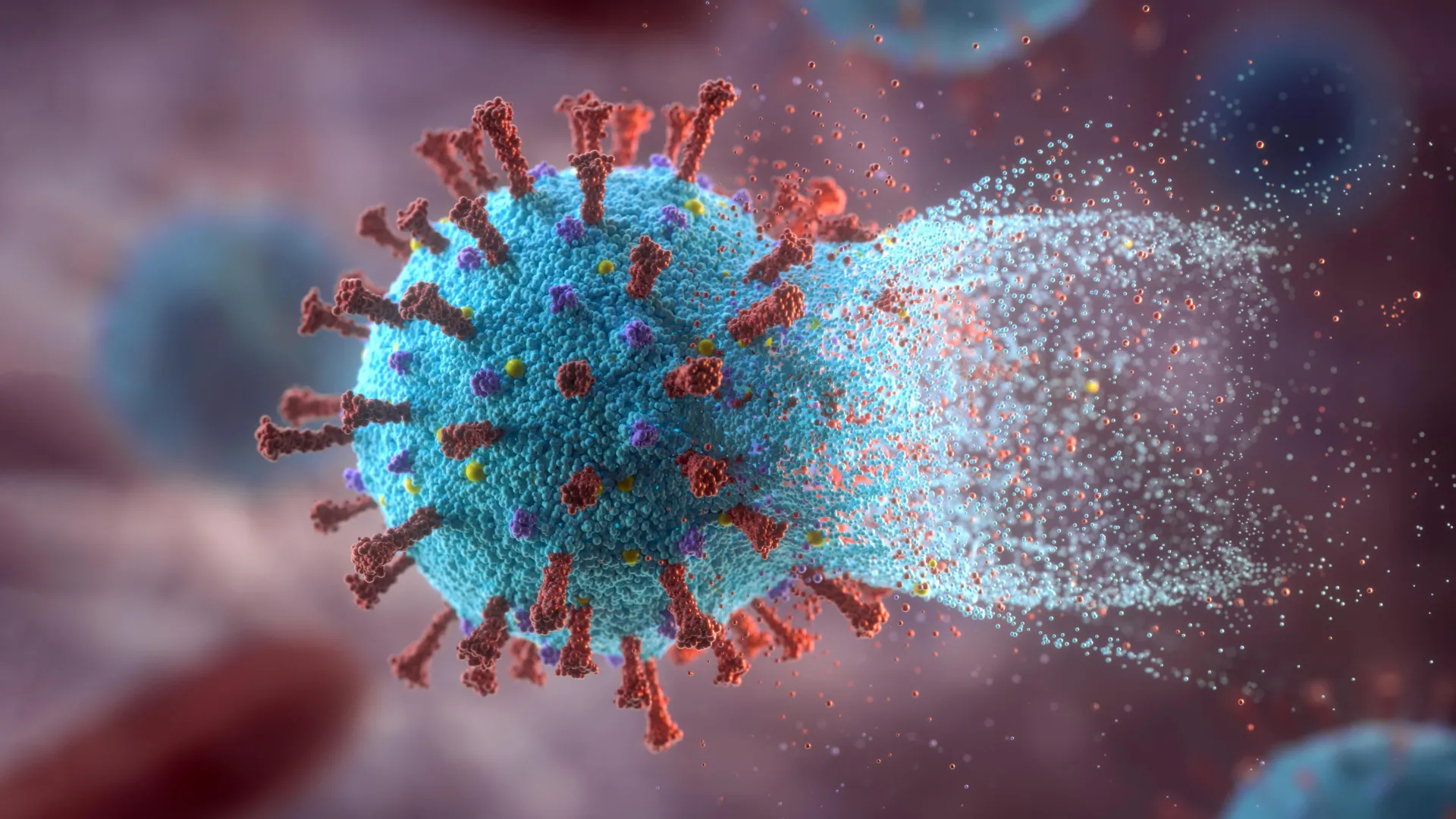
Researchers have identified a group of natural compounds derived from a Brazilian tree that demonstrate significant promise in combating the virus responsible for COVID-19. These molecules, classified as galloylquinic acids, were meticulously extracted from the leaves of Copaifera lucens Dwyer, a species indigenous to the vibrant Atlantic Forest of Brazil. Laboratory investigations have revealed that these compounds possess the remarkable ability to interfere with the SARS-CoV-2 virus through multiple distinct mechanisms, offering a more comprehensive antiviral strategy compared to many existing treatments that often target a single viral component.
Unveiling Nature’s Antiviral Arsenal: The Journey to Galloylquinic Acids
The scientific expedition that led to this discovery was spearheaded by Jairo Kenupp Bastos, a distinguished figure from the Ribeirão Preto School of Pharmaceutical Sciences at the University of São Paulo (FCFRP-USP). For years, Bastos and his team have been deeply immersed in the intricate chemistry and established medicinal properties of plants belonging to the Copaifera genus. This extensive prior research and intimate knowledge of the genus’s botanical and pharmacological landscape provided the crucial insight and direction for focusing their detailed investigation on Copaifera lucens. The selection of this particular species was not arbitrary but a strategic decision informed by a rich history of ethnobotanical use and preliminary scientific observations of its potential therapeutic benefits.
Galloylquinic acids themselves are not novel entities within the scientific community. Previous studies have consistently linked these compounds to a diverse spectrum of biological activities. Their efficacy has been documented against fungal infections and certain types of cancer, with evidence emerging from both in vitro (laboratory dish) and in vivo (living organism) studies. Furthermore, their broad-spectrum antiviral potential has been a subject of ongoing interest. In related research, structurally similar compounds have exhibited potent inhibition of the Human Immunodeficiency Virus type 1 (HIV-1) in both laboratory settings and cell-based experiments. Critically, these earlier investigations also noted a favorable safety profile, with these compounds demonstrating lower toxicity compared to other antiviral agents subjected to similar testing. This established track record of biological activity and relative safety provided a strong foundation for exploring their potential against a novel viral threat like SARS-CoV-2.
Rigorous Testing: From Safety to Efficacy Against SARS-CoV-2
The research effort, significantly bolstered by financial support from the São Paulo Research Foundation (FAPESP), commenced with the systematic isolation and precise characterization of leaf extracts from Copaifera lucens that were particularly rich in galloylquinic acids. This initial phase was critical for ensuring the purity and concentration of the active compounds.
A paramount step in any drug discovery process is the rigorous evaluation of safety. Before assessing antiviral effects, the researchers meticulously examined whether these extracted compounds posed any harm to host cells. This was achieved through comprehensive cytotoxicity tests. These tests are designed to determine the concentration at which a substance becomes toxic to living cells, thereby establishing a safe therapeutic window for potential future applications. The findings from these cytotoxicity assays indicated that the galloylquinic acids, at concentrations showing biological activity, were well-tolerated by cells, a crucial prerequisite for further development.
To quantify the antiviral potency of the galloylquinic acids, the research team employed a well-established methodology known as plaque reduction assays. This technique is a cornerstone in virology for evaluating the neutralizing capacity of a substance against viral particles. In essence, it measures how effectively a compound can prevent viruses from infecting and replicating in susceptible cells, thereby forming fewer or no infectious plaques. The results from these plaque reduction assays were unequivocally positive, demonstrating clear and significant antiviral activity against SARS-CoV-2.
Unraveling the Molecular Mechanisms: A Multi-Pronged Attack
Beyond demonstrating efficacy, the scientists delved deeper to understand the intricate molecular interactions between the galloylquinic acids and key components of the SARS-CoV-2 virus. This comprehensive analysis aimed to pinpoint the specific targets and pathways through which the compounds exert their antiviral effects. Their investigation focused on several critical viral structures and enzymes essential for the virus’s life cycle:
- Receptor-Binding Domain (RBD) of the Spike Protein: This crucial region of the spike protein is the primary mechanism by which the SARS-CoV-2 virus attaches to and enters human cells. By potentially interfering with the RBD, galloylquinic acids could block the initial step of infection, preventing the virus from gaining access to its cellular machinery.
- Papain-Like Protease (PLpro): This enzyme plays a vital role in the virus’s ability to replicate and evade the host’s immune system. PLpro is responsible for cleaving viral polyproteins into functional units and also possesses deubiquitinating activity, which can help the virus subvert host antiviral responses. Inhibiting PLpro could significantly cripple the virus’s replication and immune evasion strategies.
- RNA Polymerase: This enzyme is indispensable for viral replication. It is responsible for synthesizing new copies of the viral RNA genome, a process that is fundamental to the propagation of the virus within infected cells. Blocking RNA polymerase activity would effectively halt the production of new viral particles.
In addition to these direct interactions, the researchers also meticulously analyzed the impact of the galloylquinic acids on the overall production of viral proteins. This comprehensive examination provided a detailed picture of how these natural compounds orchestrate their antiviral assault.
Expert Insights: A Collaborative Global Effort
The intricate biological studies were spearheaded by Mohamed Abdelsalam, an assistant professor of pharmacognosy and natural product chemistry at the Faculty of Pharmacy at the Delta University of Science and Technology in Egypt. Abdelsalam also holds an affiliation with the School of Health Sciences at the Pompeu Fabra University TecnoCampus in Barcelona, Spain, highlighting the international nature of this research collaboration. He led the biological investigation in close partnership with Professor Lamiaa A. Al-Madboly, the esteemed Head of the Department of Microbiology at the Faculty of Pharmacy at Tanta University in Egypt, and Associate Professor Rasha M. El-Morsi from the Department of Microbiology at the Faculty of Pharmacy at the Delta University of Science and Technology in Egypt. This significant research was further strengthened by the invaluable collaboration of Egyptian researchers from Alexandria University, underscoring a united front in the global pursuit of effective COVID-19 therapeutics.
"This integrated approach allowed us to understand how the compounds work and how they act at the molecular level," stated Professor Abdelsalam, emphasizing the depth of the mechanistic investigation. This collaborative spirit and shared scientific rigor were instrumental in achieving the comprehensive understanding of the galloylquinic acids’ antiviral mechanisms.
Multi-Target Efficacy: A Strategy to Outsmart Viral Resistance
The groundbreaking findings, formally published in the esteemed scientific journal Scientific Reports, reveal that galloylquinic acids engage the SARS-CoV-2 virus on multiple fronts throughout its life cycle. Their observed actions include:
- Inhibition of Cell Entry: By potentially interfering with the spike protein’s interaction with host cell receptors, the compounds can act as a barrier, preventing the virus from initiating infection.
- Disruption of Viral Replication: Targeting essential enzymes like RNA polymerase and PLpro directly hinders the virus’s ability to duplicate its genetic material and assemble new viral particles.
- Suppression of Viral Protein Synthesis: Limiting the production of viral proteins cripples the virus’s capacity to build functional components necessary for its survival and spread.
Furthermore, preliminary assessments suggest that these galloylquinic acids may also possess inherent anti-inflammatory and immunomodulatory properties. These additional benefits could be particularly significant in managing the more severe manifestations of COVID-19, where an overactive or dysregulated immune response contributes to significant morbidity and mortality. By helping to regulate the body’s immune response, these compounds could mitigate the cytokine storm often associated with severe COVID-19 cases.
Professor Bastos highlighted a critical advantage of this multi-target approach: "An important aspect revealed by this information is the multi-target mechanism of the compound, which reduces the likelihood of resistance developing. This is because many current antivirals act on only one viral protein, which promotes this effect." The emergence of drug-resistant viral strains is a persistent threat in infectious disease treatment. By attacking the virus at several vulnerable points simultaneously, galloylquinic acids present a more robust defense against the virus’s evolutionary capacity to develop resistance. This diversified attack strategy significantly lowers the probability that the virus can mutate to overcome the therapeutic intervention.
The Road Ahead: From Lab Bench to Bedside
While the laboratory findings are undeniably encouraging and represent a significant leap forward in the search for novel COVID-19 therapeutics, the journey from these promising preclinical results to a clinically approved treatment is still a lengthy one. Additional, extensive research is imperative before these natural compounds can be considered for widespread clinical development.
The immediate next steps in this research trajectory involve rigorous testing in preclinical models, specifically in living organisms. These in vivo studies are designed to further assess the efficacy, safety, and pharmacokinetic profile of the galloylquinic acids in a more complex biological system. Successful outcomes in these animal models would pave the way for the crucial phase of clinical trials in human participants. These trials, conducted in carefully controlled phases, will ultimately determine the safety and efficacy of the compounds in treating COVID-19 patients.
Biodiversity as a Reservoir of Hope: The Brazilian Contribution
This significant discovery serves as a powerful testament to the immense value of exploring natural sources for new medicinal compounds. It underscores the critical importance of biodiversity conservation, particularly in biologically rich regions like Brazil’s Atlantic Forest. This unique ecosystem, a global hotspot for plant diversity, represents an invaluable and strategic resource for the ongoing discovery of novel therapeutic agents. The identification of galloylquinic acids from Copaifera lucens is not merely a scientific breakthrough; it is a compelling argument for protecting these natural treasures, as they hold the potential to yield life-saving medicines for current and future health challenges. The ongoing degradation of these ecosystems risks the irreversible loss of potential cures before they are even discovered, a prospect that underscores the urgency of conservation efforts. The continued scientific exploration of Brazil’s botanical wealth offers a sustainable and promising avenue for addressing global health crises.











Leave a Reply