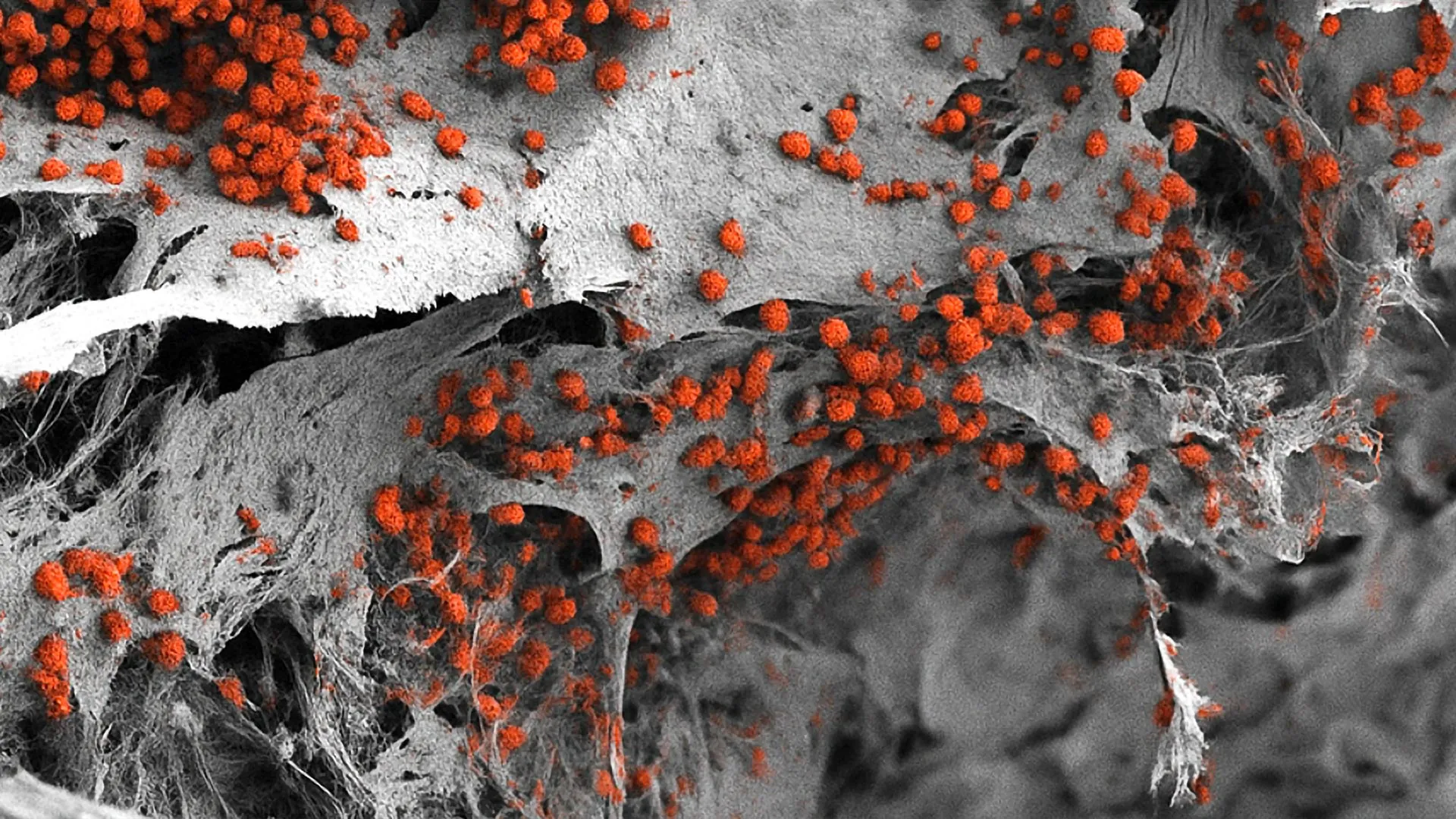
A landmark study co-led by a physician-scientist at the University of Arizona College of Medicine – Tucson’s Sarver Heart Center has uncovered evidence that the human heart possesses an inherent, albeit usually dormant, ability to regenerate muscle tissue. The research, published in the prestigious journal Circulation, demonstrates that a specific subset of patients utilizing artificial hearts—technically known as Left Ventricular Assist Devices (LVADs)—exhibit cardiac muscle regeneration at rates significantly higher than healthy individuals. This discovery challenges the long-standing medical dogma that the adult human heart is a non-regenerative organ and provides a potential roadmap for reversing heart failure, a condition currently considered irreversible.
The international collaboration was spearheaded by Dr. Hesham Sadek, MD, PhD, director of the Sarver Heart Center and chief of the Division of Cardiology at the UArizona College of Medicine – Tucson. By examining tissue from patients who had been supported by mechanical pumps, the research team found that "unloading" the heart—reducing its workload to a state of near-total rest—can trigger a biological shift that allows specialized muscle cells, or cardiomyocytes, to re-enter the cell cycle and divide.
The Global Burden of Heart Failure and the Limits of Modern Medicine
To understand the magnitude of this discovery, one must look at the current landscape of cardiovascular medicine. According to data from the Centers for Disease Control and Prevention (CDC), heart failure currently affects nearly 7 million adults in the United States alone. The condition is a leading cause of morbidity and mortality, contributing to approximately 14% of all deaths annually. Globally, the numbers are even more staggering, with an estimated 64 million people living with the syndrome.
Heart failure occurs when the cardiac muscle becomes too weak or stiff to pump blood efficiently throughout the body. Unlike skeletal muscle, which can repair itself after a strain or tear, the heart has historically been viewed as a static organ once a human reaches adulthood. When heart cells die due to a heart attack or chronic hypertension, they are typically replaced by non-functional scar tissue, leading to a downward spiral of declining function.
Currently, medical interventions focus primarily on symptom management and slowing the progression of the disease. Beta-blockers, ACE inhibitors, and diuretics can extend life, but they do not replace lost muscle. For those in the advanced stages of the disease, the only definitive treatments are heart transplantation or the implantation of an LVAD. However, donor hearts are chronically scarce, and LVADs are often viewed as a "bridge to transplant" or a "destination therapy" rather than a cure.
A Decades-Long Scientific Journey: The Chronology of Discovery
The findings published in Circulation are the culmination of over a decade of targeted research into the regenerative capacity of the heart. Dr. Sadek’s journey toward this breakthrough began in 2011 with a seminal paper published in the journal Science. In that study, Sadek and his colleagues demonstrated that newborn mice possess a remarkable ability to regenerate their hearts following injury, but this ability is lost within seven days of birth.
The transition from a regenerative state to a non-regenerative one coincides with the heart’s need to take over the full burden of circulation. Shortly after birth, as the lungs expand and the circulatory system shifts, the workload on the heart increases exponentially. The cells stop dividing and instead grow larger (hypertrophy) to handle the pressure. Sadek hypothesized that the high-stress, high-oxygen environment of the functioning adult heart was the primary barrier to regeneration.
In 2014, Sadek published preliminary evidence suggesting that cell division might be occurring in patients with LVADs. This led to a larger, more sophisticated investigation funded by the Leducq Foundation Transatlantic Networks of Excellence Program. This program facilitates high-level cooperation between American and European researchers to solve complex medical mysteries.
Methodology: Carbon Dating the Human Heart
To prove definitively that new heart cells were being created, the research team employed a highly specialized technique involving carbon dating. This portion of the study was led by Dr. Jonas Frisén and Dr. Olaf Bergmann of the Karolinska Institute in Stockholm, with additional support from teams in Germany.
The researchers utilized the presence of Carbon-14 (14C) in the atmosphere—a byproduct of Cold War-era nuclear testing—to determine the age of the DNA in heart cells. Because 14C levels in the atmosphere have been declining at a known rate since the 1960s, the concentration of 14C in a cell’s DNA serves as a "time stamp" indicating when that cell was formed.
By analyzing tissue samples provided by Dr. Stavros Drakos at the University of Utah Health—a pioneer in LVAD-mediated recovery—the team compared the cellular age of hearts from LVAD patients against those of healthy controls. The results were startling: patients with artificial hearts were regenerating muscle cells at a rate more than six times higher than that of healthy hearts. This provided the "irrefutable evidence" Dr. Sadek had been seeking for years.
The "Bedrest" Hypothesis and the 25% Responder Mystery
The core theory emerging from this study is the concept of cardiac "rest." Dr. Sadek compares the heart to a torn skeletal muscle. "If you’re playing soccer and you tear a muscle, you need to rest it, and it heals," Sadek explained. "The pump pushes blood into the aorta, bypassing the heart. The heart is essentially resting."
When an LVAD takes over the mechanical work of the left ventricle, the heart muscle is no longer under the extreme tension required to circulate blood. This mechanical unloading appears to create a permissive environment where the molecular pathways involved in cell division can be reactivated.
However, the study also revealed a significant hurdle: not every patient responds in the same way. The data showed that approximately 25% of the patients were "responders"—individuals whose heart muscle showed significant regeneration and clinical improvement. In some of these cases, the heart recovered enough function that the LVAD could be surgically removed, a phenomenon known as "bridge to recovery."
The next phase of the research aims to identify why only one-quarter of patients experience this regenerative boost. "It’s not clear why some patients respond and some don’t, but it’s very clear that the ones who respond have the ability to regenerate heart muscle," Sadek noted. "The exciting part now is to determine how we can make everyone a responder."
Broader Impact and Future Implications for Treatment
The implications of this study for the future of cardiology are profound. If scientists can pinpoint the exact molecular triggers that allow a "resting" heart to regenerate, they may be able to develop pharmacological therapies that mimic the effects of an LVAD without the need for invasive surgery.
Experts in the field suggest several potential avenues for future research:
- Targeted Drug Delivery: Identifying the specific molecular pathways—such as those involved in oxygen metabolism or mechanical signaling—that prevent cell division in the adult heart.
- Gene Therapy: Modifying the genetic "brakes" that stop heart cells from dividing shortly after birth.
- Optimizing LVAD Protocols: Using mechanical support earlier in the progression of heart failure to maximize the chances of regeneration before irreversible scarring occurs.
From a public health perspective, the ability to "cure" heart failure rather than merely manage it would have a massive economic impact. The American Heart Association estimates that the total cost of heart failure in the U.S. will exceed $70 billion by 2030, factoring in hospitalizations, medications, and lost productivity. A regenerative therapy could significantly reduce these costs while improving the quality of life for millions.
Conclusion: A Paradigm Shift in Cardiac Science
The work coming out of the Sarver Heart Center represents a shift from a "maintenance" model of cardiology to a "restorative" one. By proving that the human heart is not a finished product at birth, but rather an organ with a suppressed capacity for self-repair, Sadek and his international colleagues have opened a new frontier in medicine.
"This is the strongest evidence we have, so far, that human heart muscle cells can actually regenerate," Sadek concluded. "It solidifies the notion that there is an intrinsic capacity of the human heart to regenerate."
As the University of Arizona and its partners continue to investigate the genetic and environmental factors that define a "responder," the medical community moves one step closer to a future where heart failure is no longer a terminal diagnosis, but a treatable, and perhaps reversible, condition. The use of "tried and true" mechanical hearts as a window into biological regeneration suggests that the tools for the next great medical breakthrough may already be in use in operating rooms today.