The National Institutes of Health (NIH) has released a groundbreaking study detailing the complex intracellular signaling processes triggered by GLP-1 receptor agonists, such as semaglutide. This research provides the first comprehensive look at the "black box" of neuronal activity that occurs after these blockbuster weight loss medications enter the bloodstream and cross into the brain. By utilizing advanced fluorescence imaging in mouse models, scientists have identified why these drugs—marketed under brand names like Ozempic and Wegovy—exhibit varying levels of effectiveness among individuals and why many patients experience a "plateau" effect, where weight loss slows or stalls after several months of treatment.
The study, led by researchers at the National Institute of Diabetes and Digestive and Kidney Diseases (NIDDK) and the National Institute of General Medical Sciences (NIGMS), shifts the scientific focus from which brain regions are activated to what is happening inside the individual neurons within those regions. The findings suggest that the key to sustained weight loss lies in the manipulation of a specific signaling molecule known as cyclic adenosine monophosphate (cAMP).
The Evolution of GLP-1 Therapy: From Diabetes to Global Weight Loss Phenomenon
To understand the significance of the NIH’s findings, it is necessary to examine the trajectory of Glucagon-like peptide-1 (GLP-1) research. GLP-1 is a naturally occurring hormone produced in the gut in response to food intake. It serves multiple roles: stimulating insulin secretion, inhibiting glucagon release, and signaling the brain to induce a feeling of satiety.
The journey toward modern GLP-1 medications began in the 1980s with the discovery of the hormone’s insulin-stimulating properties. In 2005, the FDA approved the first GLP-1 receptor agonist, exenatide, primarily for the management of Type 2 diabetes. However, it was the development of semaglutide—a longer-acting analog—that transformed the landscape of metabolic medicine. Approved for diabetes in 2017 (Ozempic) and specifically for chronic weight management in 2021 (Wegovy), semaglutide has demonstrated an unprecedented ability to help patients lose, on average, 15% of their body weight.
Despite this clinical success, the precise "nuts and bolts" of how these drugs interact with brain chemistry remained elusive. While it was well-established that the drugs targeted the area postrema—a region of the hindbrain that lacks a restrictive blood-brain barrier and serves as a chemosensor for the blood—the internal cellular pathways remained largely theoretical until this recent NIH intervention.
Decoding the Intracellular Mechanism: The Role of cAMP
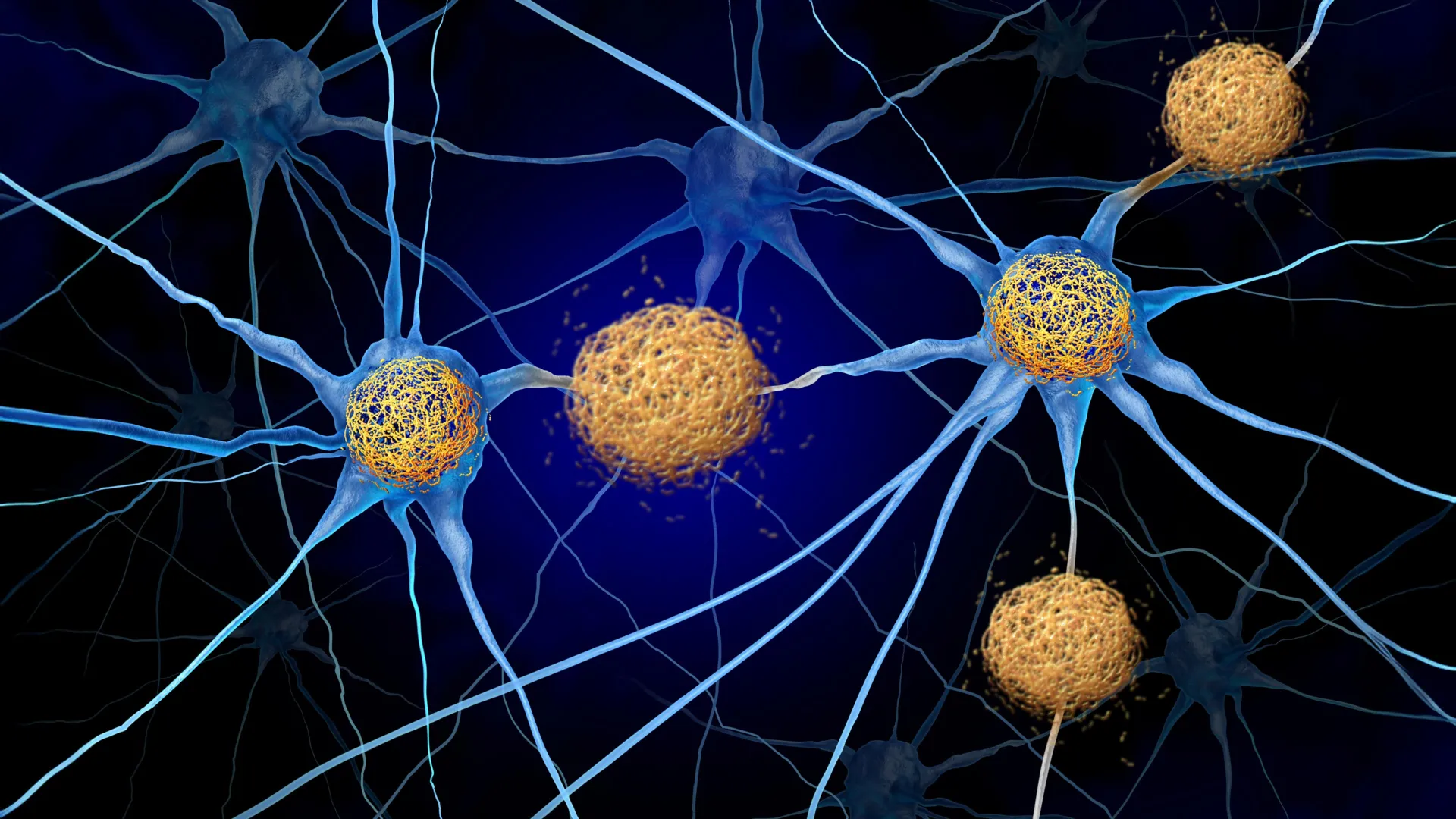
The NIH research team, spearheaded by first author Claire Gao, Ph.D., a postdoctoral fellow at NIGMS, focused on the area postrema to observe how neurons respond to semaglutide in real-time. Using sophisticated live-tissue imaging, the researchers monitored the fluctuations of cAMP, a "second messenger" molecule that carries signals from the cell surface to the internal machinery of the neuron.
The experiments revealed that semaglutide’s primary mode of action within the brain is the elevation of cAMP levels. When semaglutide binds to the GLP-1 receptor on the surface of a neuron, it triggers a cascade that increases cAMP, which in turn tells the brain to suppress appetite. However, the study uncovered a critical nuance: the response is not uniform.
"It was not an all or nothing phenomenon," noted co-corresponding author Michael Krashes, Ph.D., a senior investigator at NIDDK. "We observed that cAMP responses across cells varied on a continuum."
This variance is a major scientific revelation. It explains why two patients on the same dosage of Wegovy might have vastly different experiences; one may feel an immediate and profound loss of appetite, while another may feel only a mild change. The density of receptors and the efficiency of the cAMP pathway within an individual’s neurons appear to be the deciding factors in drug efficacy.
The Science of the Plateau: Why Weight Loss Effects Fade
One of the most frustrating aspects of GLP-1 therapy for patients and clinicians alike is the weight loss plateau. Clinical data from the STEP (Semaglutide Treatment Effect in People) trials showed that while weight loss is rapid in the first 20 to 40 weeks, it eventually levels off.
The NIH study offers a biological explanation for this stagnation. The researchers found that while some neurons maintained high cAMP levels for the duration of semaglutide exposure, others showed only a fleeting spike before returning to baseline. This suggests a process of cellular adaptation or "desensitization."
The study indicates that some neurons may reduce their response by internalizing their GLP-1 receptors—essentially pulling the "plugs" back inside the cell so the drug can no longer bind to them. Additionally, the cells may deploy enzymes to break down cAMP more rapidly, effectively silencing the "stop eating" signal even while the medication is still present in the system. This internal feedback loop serves as a natural brake, potentially evolved to prevent starvation, but it acts as a barrier to therapeutic weight loss in a modern context of caloric abundance.
Prolonging the Signal: The PDE4 Breakthrough
In a pivotal phase of the study, the researchers investigated whether they could bypass this cellular "brake." They focused on an enzyme called phosphodiesterase 4 (PDE4), which is responsible for breaking down cAMP within the cell.
By introducing a drug called roflumilast—an FDA-approved PDE4 inhibitor currently used to treat inflammatory lung conditions—the team was able to prevent the breakdown of cAMP in the mouse brain tissue. The results were significant: the neurons that previously showed only temporary responses to semaglutide began to exhibit sustained, long-lasting cAMP elevation.
"By digging into these mechanisms, we’re beginning to answer some of these questions," said Andrew Lutas, Ph.D., co-corresponding author and investigator at NIDDK.
This discovery raises the possibility of combination therapies. If a secondary medication can prevent the degradation of the GLP-1 signal, patients might be able to overcome plateaus without increasing their dosage of semaglutide, which often carries the risk of gastrointestinal side effects like nausea and vomiting. Furthermore, enhancing the longevity of the signal could potentially allow for less frequent dosing schedules, moving from weekly injections to bi-weekly or even monthly administrations.
Supporting Data and Global Implications
The implications of this research are vast, considering the current global health landscape. According to the World Health Organization (WHO), more than 1 billion people worldwide are living with obesity. In the United States, the CDC reports that the prevalence of obesity was 41.9% as of 2020, contributing to a massive burden of heart disease, stroke, and Type 2 diabetes.
The economic impact is equally staggering. Projections suggest that the global market for GLP-1 drugs could reach $100 billion by 2030. However, the high cost of these medications—often exceeding $1,000 per month without insurance—makes the issue of "non-responders" and "plateaus" a significant public health concern. If the NIH’s findings lead to more efficient treatments, the cost-to-benefit ratio of these drugs could improve significantly.
Industry analysts and medical professionals have reacted to the study with cautious optimism. While the NIH researchers emphasize that the current findings are based on mouse models and require human clinical trials, the molecular mapping of the area postrema provides a new "blueprint" for drug development.
Future Directions in Metabolic Research
The NIH team has already outlined the next steps for their research. One of the primary limitations of the current study was the timeframe; researchers could only observe the intracellular signaling for a few hours. To truly understand the long-term adaptation of the brain to GLP-1 drugs, the team intends to use newer, non-invasive imaging techniques to track neuronal behavior over days and weeks in living subjects.
Furthermore, the researchers want to explore whether other regions of the brain, such as the hypothalamus or the nucleus tractus solitarius, utilize similar cAMP-dependent pathways. Understanding the full "circuitry" of weight loss will be essential for developing the next generation of metabolic therapies, which may include "triple agonist" drugs that target GLP-1, GIP (glucose-dependent insulinotropic polypeptide), and glucagon receptors simultaneously.
Conclusion
The NIH’s investigation into the intracellular life of neurons represents a shift toward personalized metabolic medicine. By identifying cAMP as the central mediator of semaglutide’s effects and uncovering the role of PDE4 in signal degradation, the scientific community is moving closer to solving the mystery of why weight loss treatments work—and why they sometimes fail.
As the pharmaceutical industry continues to iterate on GLP-1 technology, this foundational research provides the necessary data to refine treatments, reduce side effects, and provide more predictable outcomes for millions of individuals struggling with obesity and its related complications. The "nuts and bolts" of the brain, once hidden, are finally coming into focus, promising a future where metabolic health can be managed with unprecedented precision.