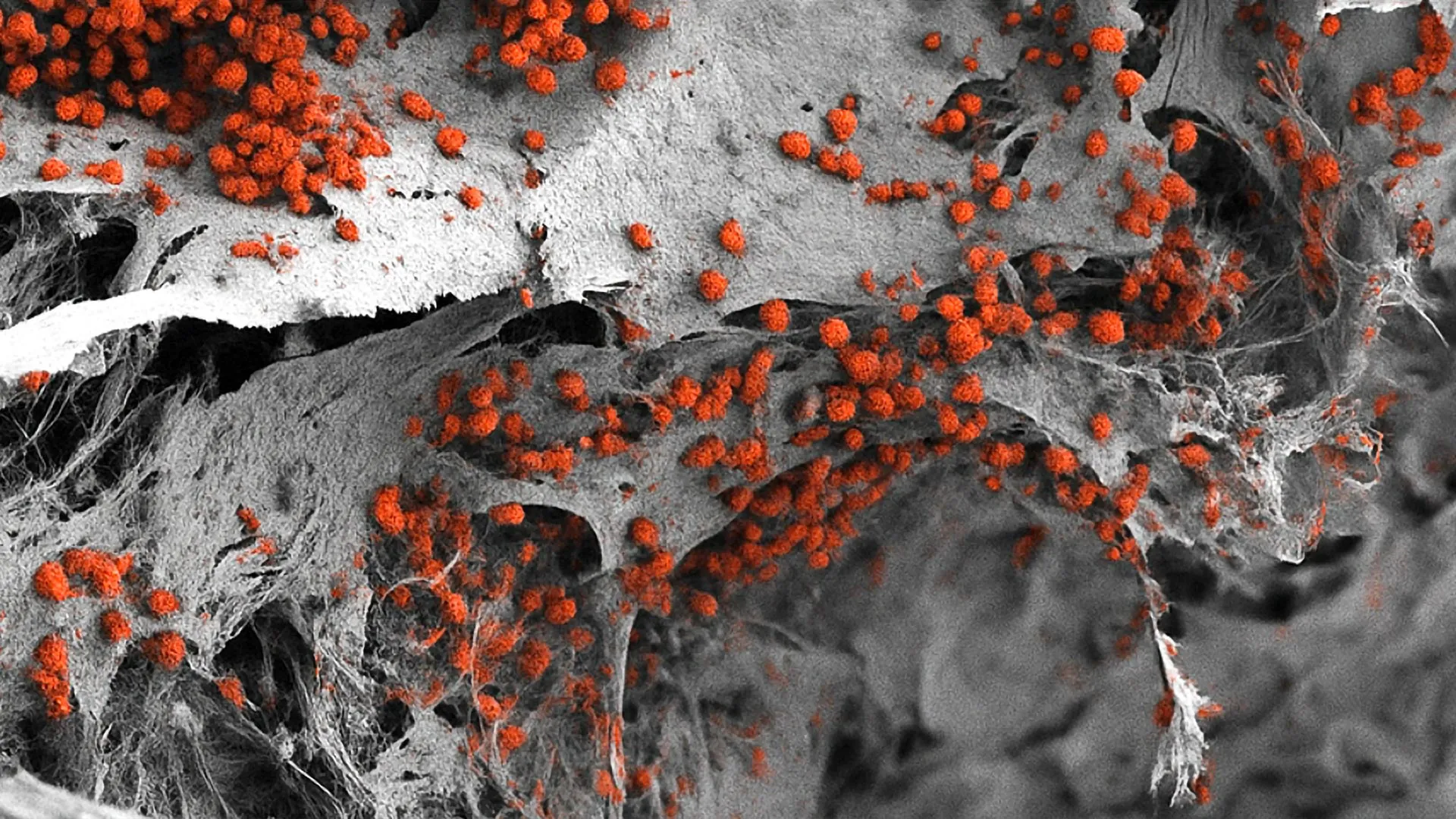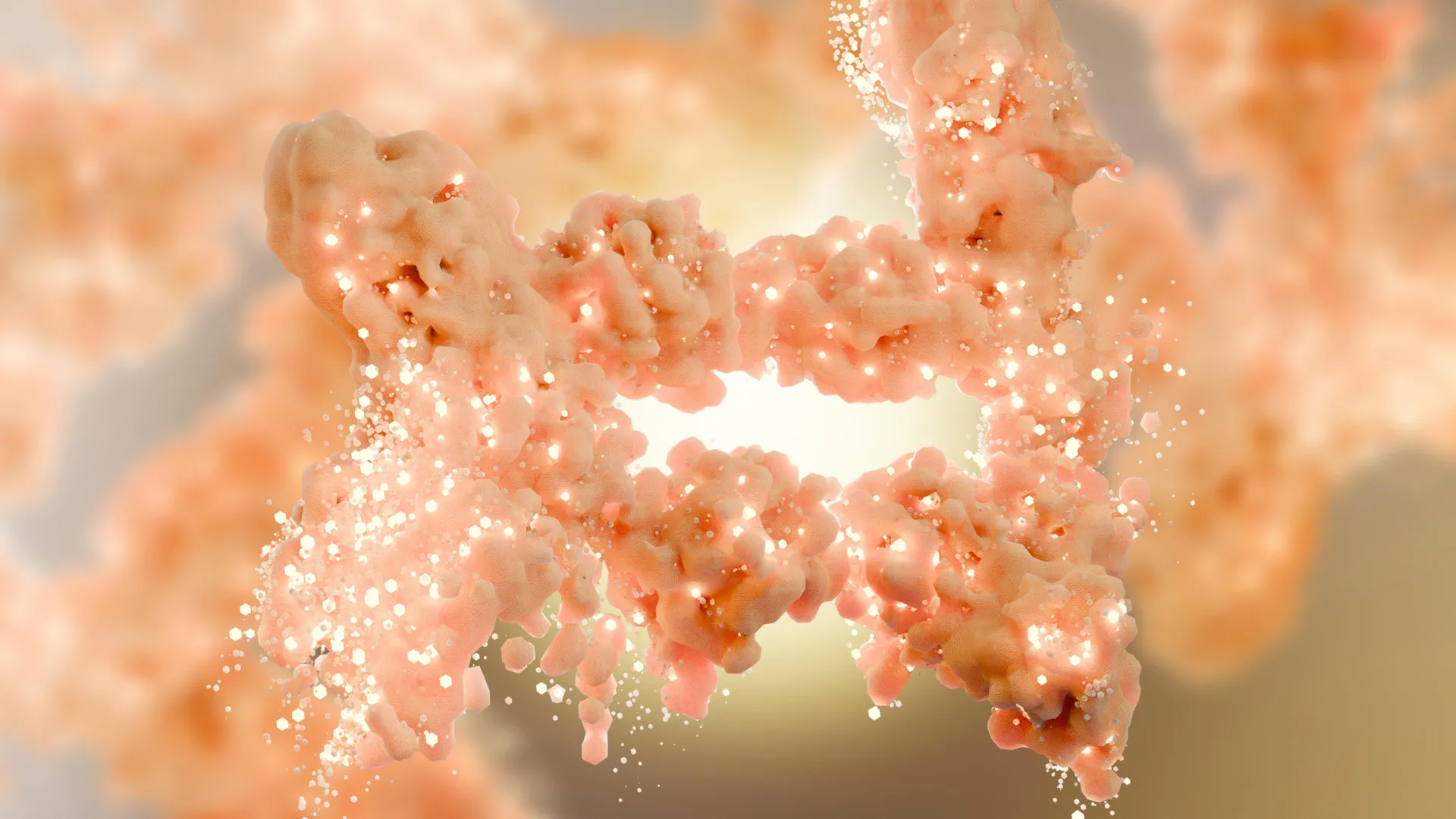
In a landmark study that promises to redefine the landscape of musculoskeletal medicine, researchers at the Institute of Science Tokyo (Science Tokyo) have identified a specific protein, family with sequence similarity 102 member A (Fam102a), as a pivotal regulator of bone health. The study, published in the prestigious journal Nature Communications on January 2, 2025, reveals that Fam102a acts as a dual-action factor, simultaneously influencing the differentiation of both osteoblasts—the cells responsible for bone formation—and osteoclasts—the cells responsible for bone resorption. This discovery addresses a long-standing gap in bone biology, where regulatory mechanisms for these two cell types were largely viewed as distinct and separate pathways.
The structural integrity of the human skeleton is maintained through a continuous, highly coordinated process known as bone remodeling. Under normal physiological conditions, the body balances the removal of old or damaged bone tissue (resorption) with the deposition of new mineralized bone (formation). However, when this equilibrium is disrupted—often due to aging, hormonal changes, or genetic factors—the result is a systemic decrease in bone mass and microarchitectural deterioration. This condition, known as osteoporosis, affects hundreds of millions of people worldwide and is a leading cause of debilitating fractures. The discovery of Fam102a provides a new molecular target that could lead to therapies capable of addressing both sides of the remodeling equation.
The Biological Context: The Bone Remodeling Equilibrium
To appreciate the significance of the Fam102a discovery, one must understand the delicate choreography of bone metabolism. Bones are not static structures but living tissues that undergo constant renewal. Osteoblasts, derived from mesenchymal stem cells, produce the organic matrix of the bone and facilitate its mineralization. Conversely, osteoclasts, which originate from the hematopoietic lineage (the same lineage as white blood cells), secrete acids and enzymes to dissolve bone minerals and proteins.
In a healthy adult, approximately 10% of the total bone mass is replaced annually. However, as the global population ages, the prevalence of bone-related disorders is surging. Clinical data suggests that one in three women and one in five men over the age of 50 will experience an osteoporotic fracture. Current pharmacological interventions, such as bisphosphonates or RANKL inhibitors, primarily focus on inhibiting osteoclast activity to prevent further bone loss. While effective, these "anti-resorptive" therapies do not necessarily stimulate the growth of new bone. Anabolic agents that stimulate osteoblasts exist but are often limited by side effects or high costs. Therefore, identifying a single factor like Fam102a that coordinates both processes represents a significant scientific breakthrough.
Chronology of the Discovery: From Genetic Screening to Molecular Mapping
The research journey led by Professor Tomoki Nakashima of the Faculty of Dentistry at Science Tokyo began with an exhaustive search for unidentified genetic regulators. The team’s approach was rooted in advanced functional genomics, seeking to pinpoint genes that were active during the critical phases of bone cell maturation.
The investigation commenced with in-depth analyses of gene expression patterns in murine (mouse) models. By utilizing cells with specific alterations in their DNA sequences, the researchers were able to observe how the absence of certain regulatory proteins affected bone development. This initial screening highlighted the Fam102a gene as a high-priority candidate. While Fam102a was previously known to exist, its specific role in the skeletal system had remained elusive until this study.
Following the identification of the gene, the team transitioned to laboratory-grown cell cultures to observe the protein’s behavior in real-time. Over several years of experimentation, they moved from broad genetic observations to precise molecular mapping, eventually uncovering the specific "trafficking" mechanism that allows Fam102a to control the nucleus of the cell.
The Mechanism of Action: Nuclear Trafficking and the Kpna2-Runx2 Axis
The most profound finding of the study involves how Fam102a exerts its influence. Rather than acting as a simple switch, the protein functions as a sophisticated regulator of "nuclear trafficking." For a cell to differentiate—transform from a stem cell into a specialized bone cell—specific instructions must be delivered to the cell’s nucleus. These instructions are carried by transcription factors, which are proteins that bind to DNA and turn genes on or off.
The research team discovered that Fam102a is essential for the localization of a key transcription factor known as Runt-related transcription factor 2 (Runx2). Runx2 is often referred to as the "master regulator" of osteoblast differentiation; without it, bone formation cannot occur. The study revealed that Fam102a facilitates the movement of Runx2 into the nucleus by binding with another protein called Karyopherin subunit alpha 2 (Kpna2).
Kpna2 acts as a transport vehicle, ferrying molecules across the nuclear membrane. The experiments showed that Fam102a acts as a bridge or a facilitator in this process. When Fam102a is present, Runx2 is successfully transported into the nucleus, where it activates the expression of Osterix—another protein vital for the final stages of bone formation. In the absence of Fam102a, this transport chain is broken, Runx2 remains outside the nucleus, and osteoblast production stalls.
Experimental Data: The Impact of Fam102a Deficiency
To validate their findings, Professor Nakashima’s team utilized Fam102a-deficient (knockout) mice. The data gathered from these models provided stark evidence of the protein’s necessity. Mice lacking the Fam102a gene exhibited a phenotype remarkably similar to human osteoporosis.
Quantitative micro-computed tomography (micro-CT) scans of the knockout mice revealed a significant reduction in bone mineral density and trabecular bone volume. The bone architecture was characterized by increased porosity and thinning of the bone walls. Furthermore, histological analysis showed a simultaneous decrease in both the number of active osteoblasts and the presence of mature osteoclasts.
This "dual-deficiency" is particularly noteworthy. While the mice had fewer bone-destroying osteoclasts, the lack of bone-building osteoblasts was so severe that the net result was a fragile, low-volume skeleton. This confirmed that Fam102a is not merely a "booster" for one side of the process but an essential coordinator for the entire remodeling cycle.
Supporting Findings: The Role of Rbpjl
The researchers further enriched their study by investigating additional transcription factors that might be influenced by Fam102a. Through comprehensive gene expression profiling, they discovered that Recombination signal binding protein for immunoglobulin κ J region-like (Rbpjl) was the most significantly downregulated factor in osteoblasts lacking Fam102a.
This finding introduced the "Fam102a-Rbpjl axis" as a secondary but vital pathway in bone metabolism. By identifying multiple downstream targets (both Runx2 and Rbpjl), the study provided a robust map of how Fam102a maintains the skeletal system’s integrity. This multi-layered regulatory role suggests that Fam102a is a "hub" protein, making it an ideal candidate for therapeutic targeting.
Official Responses and Scientific Implications
Professor Tomoki Nakashima, reflecting on the culmination of the research, emphasized the potential for clinical translation. "Our study sheds light on the critical molecular interactions involved in the bone remodeling process and can aid the development of innovative osteoporosis therapies," he stated.
While the scientific community has reacted with cautious optimism, the consensus among bone specialists is that this discovery fills a critical void. Dr. Hiroshi Yamamoto, a skeletal biologist not involved in the study, noted that "identifying a factor that bridges the gap between osteoblast and osteoclast regulation is a significant milestone. Most current research focuses on either inhibiting destruction or promoting growth; Fam102a gives us a blueprint for a more holistic approach to bone health."
The study also carries implications for the burgeoning field of regenerative medicine. By understanding the Fam102a-Kpna2-Runx2 pathway, scientists may be able to develop techniques to "reprogram" cells in patients with non-healing fractures or severe bone loss, effectively jump-starting the body’s natural remodeling machinery.
Future Outlook: From Bench to Bedside
Despite the breakthrough, the transition from mouse models to human therapy involves several more years of rigorous testing. The next phase of research will likely involve screening for small molecules or biological agents that can mimic the effects of Fam102a or enhance its interaction with Kpna2.
The pharmaceutical industry has already expressed interest in the "trafficking" mechanism identified by the Science Tokyo team. If a drug can be developed to stabilize or enhance Fam102a activity, it could potentially offer a "one-two punch" against osteoporosis: increasing bone formation while ensuring that the resorption process is appropriately regulated.
Moreover, the discovery opens new avenues for personalized medicine. Genetic testing for variations in the Fam102a gene could eventually help identify individuals who are at a higher risk for osteoporosis later in life, allowing for earlier intervention and lifestyle modifications.
Conclusion: A Paradigm Shift in Musculoskeletal Health
The identification of Fam102a as a novel bone remodeling factor marks a paradigm shift in our understanding of skeletal biology. By moving beyond the binary view of osteoblasts versus osteoclasts, Professor Nakashima and his team have revealed a sophisticated regulatory network that maintains the balance of our living tissue.
As the global health burden of osteoporosis continues to grow, the need for innovative, science-driven solutions has never been more urgent. The Fam102a-Kpna2-Runx2 axis provides a clear target for the next generation of bone-strengthening treatments. While the journey from laboratory discovery to a pharmacy shelf is long, the foundation laid by this study offers a promising new chapter for millions of patients seeking to maintain their mobility and independence well into their later years. The research stands as a testament to the power of functional genomics and the enduring importance of understanding the fundamental molecular "traffic" that sustains human life.