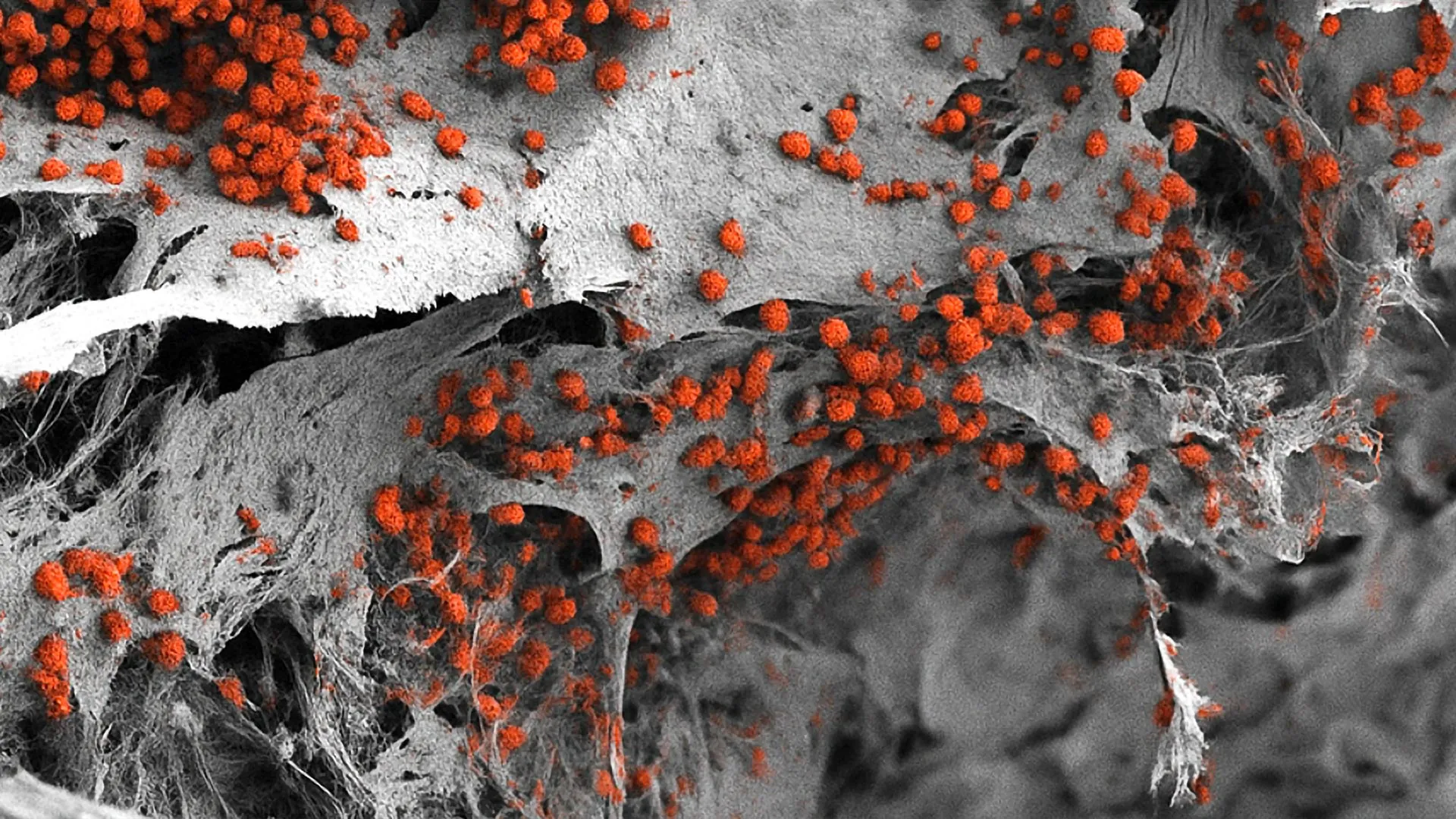
In a significant stride for hematological research and regenerative medicine, scientists at the Indiana University School of Medicine have successfully pioneered a sophisticated imaging methodology designed to visualize the intricate landscape of bone marrow in mouse models. This breakthrough, which overcomes long-standing technical barriers associated with imaging mineralized tissues, provides a high-resolution window into the cellular "neighborhoods" where blood and immune cells are born. By utilizing cutting-edge multiplex imaging technology, the research team has opened new avenues for the development of targeted therapies for a spectrum of debilitating conditions, ranging from leukemia and other blood-borne cancers to autoimmune disorders and complex musculoskeletal diseases.
The research, recently published in the prestigious peer-reviewed journal Leukemia, marks a turning point in how scientists observe the spatial organization of the bone marrow microenvironment. For decades, the primary challenge in studying bone marrow has been its physical composition: a soft, gelatinous tissue sequestered within a rigid, calcified bone matrix. This "fortress-like" structure has historically limited the ability of researchers to observe cells in their natural state without destroying the very architecture they wish to study. The IU team’s success in applying the Phenocycler 2.0 platform to this tissue represents the first time such high-dimensional multiplexing has been achieved in intact mouse bone marrow.
The Architecture of Life: Understanding Bone Marrow Complexity
To appreciate the magnitude of this technological advancement, one must first understand the critical role bone marrow plays in human physiology. Bone marrow serves as the body’s primary factory for hematopoiesis—the process through which all blood cells, including oxygen-carrying red blood cells, clot-forming platelets, and infection-fighting white blood cells, are produced. Within this tissue resides a specialized population of hematopoietic stem cells (HSCs) that possess the unique ability to self-renew and differentiate into various cell lineages.
However, these stem cells do not function in isolation. They exist within a highly regulated "niche," surrounded by a variety of support cells, signaling molecules, nerves, and blood vessels. The spatial arrangement of these components is vital; where a cell is located and which neighboring cells it interacts with can dictate whether it remains dormant, divides, or migrates into the bloodstream. In diseases like leukemia, this delicate spatial balance is disrupted. Cancerous cells can "hijack" the bone marrow niche, altering its signals to support tumor growth and resist chemotherapy. Understanding these spatial relationships is therefore paramount to developing drugs that can effectively target diseased cells while sparing healthy ones.
Overcoming the Technical Hurdles of Traditional Imaging
Before this innovation, researchers primarily relied on two methods for analyzing bone marrow: flow cytometry and standard immunofluorescence imaging. While both have contributed significantly to medical science, they possess inherent limitations that have hampered a holistic understanding of bone marrow biology.
Flow cytometry, often considered the gold standard for quantifying cell populations, requires the bone marrow to be extracted and mechanically or enzymatically dissociated into a single-cell suspension. This process is akin to taking a complex, finished jigsaw puzzle and shaking it into a bag of individual pieces. While a scientist can count how many "blue" or "red" pieces exist, they lose all information regarding how those pieces were connected. The spatial context—the knowledge of which cells were touching and communicating—is permanently lost.
On the other hand, standard immunofluorescence imaging allows researchers to see cells within intact tissue sections. However, this method is typically limited by the "color barrier." Because of the overlapping light spectra of traditional fluorescent dyes, researchers can usually only visualize three to four different cellular markers at a time. Given that the bone marrow contains dozens of distinct cell types and signaling states, a four-color snapshot provides only a fragmented and incomplete view of the tissue’s true complexity.
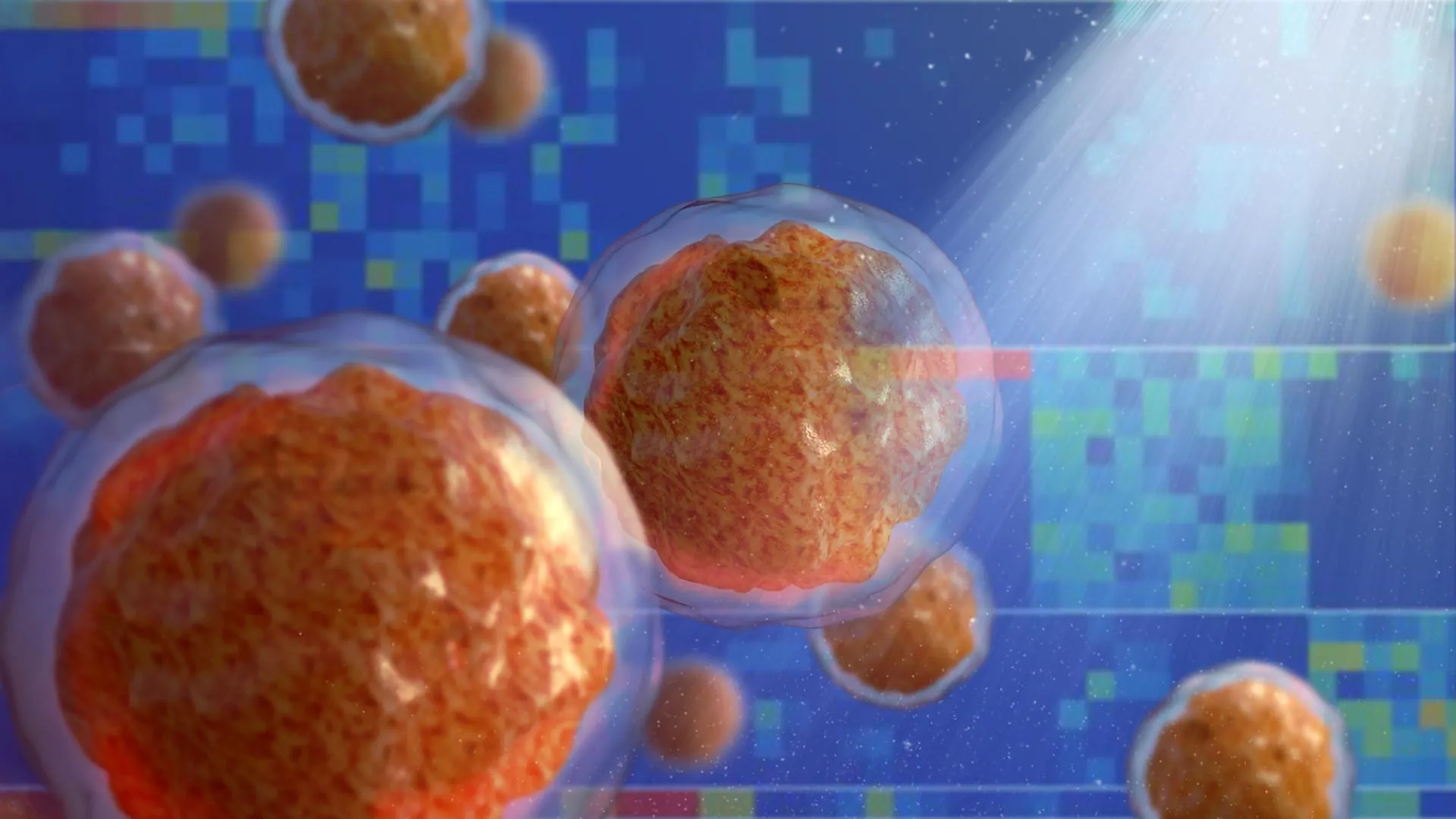
The IU School of Medicine team addressed these limitations by employing the Phenocycler 2.0 (formerly known as CODEX). This technology uses a unique "cycle-and-image" approach. Instead of labeling all markers at once, the system uses antibodies conjugated to unique DNA barcodes. Fluorescently labeled complementary DNA strands are then washed over the tissue in cycles, imaging a few markers at a time and then stripping them away to make room for the next set. By computationally stitching these images back together, researchers can visualize an unprecedented number of markers—25 in this specific study—within a single, intact tissue section.
A Chronology of Innovation and Collaboration
The development of this technique was not an overnight achievement but the result of a coordinated effort within the IU Cooperative Center of Excellence in Hematology (CCEH). The project was spearheaded by co-lead author Sonali Karnik, PhD, an assistant research professor of orthopedic surgery, and co-senior author Reuben Kapur, PhD, director of the Herman B Wells Center for Pediatric Research.
The timeline of this advancement began with the team’s recognition that while the Phenocycler 2.0 had been successfully utilized for "softer" organs like the spleen, liver, and kidneys, the bone marrow remained an untapped frontier. The primary obstacle was the preparation of the tissue. To image bone marrow while keeping the bone intact, the samples must undergo a delicate process of decalcification—removing the hard calcium minerals without destroying the fragile proteins (antigens) that the antibodies need to bind to.
Throughout the development phase, the IU team refined these preparation protocols, ensuring that the 25-marker panel could reliably detect various stages of blood cell development and immune cell infiltration. This rigorous optimization led to the findings published in Leukemia, establishing a new protocol that can now be adopted by the broader scientific community. The IU Innovation and Commercialization Office has since filed a provisional patent for this specific imaging methodology, recognizing its potential as a transformative tool in commercial drug discovery and clinical research.
Expert Perspectives and Institutional Impact
The implications of this study are far-reaching, as noted by the lead researchers. Dr. Sonali Karnik emphasized the dual nature of bone marrow that makes it so elusive. "Bone marrow is difficult to study because it is gelatinous and encased in hard bone," Karnik explained. "Since bone marrow plays an important role in blood and immune cell formation and houses valuable stem cells, our unique imaging approach offers a useful tool for a variety of research applications."
Dr. Reuben Kapur further highlighted the importance of mouse models in this context. Because the biological processes in mice closely mimic those in humans, particularly in hematology and oncology, this technique provides a high-fidelity proxy for human disease. "Because mouse models are widely used to study human diseases, this technique offers a promising new method for investigating a range of conditions like autoimmune diseases, leukemia and other disorders involving bone marrow," Kapur stated.
The research also underscores the collaborative nature of the IU School of Medicine. The study involved a diverse group of authors, including experts in pediatric research, orthopedic surgery, and hematology, such as Connor Gulbronson, Paige C. Jordan, and Melissa A. Kacena. This interdisciplinary approach was essential for bridging the gap between skeletal biology and blood research.
Data-Driven Insights and Future Directions
The data generated by this 25-marker panel allows for a level of granular analysis previously thought impossible. Researchers can now identify "hotspots" of cellular activity, such as where leukemic cells cluster or where immune cells congregate during an inflammatory response. By quantifying the distances between specific cell types, scientists can infer the strength and nature of cellular signaling, providing a mathematical basis for understanding disease progression.
Looking forward, the IU team is not resting on the success of the 25-marker panel. They are currently working to expand the capabilities of the system. Future iterations of the marker panel are expected to include indicators for bone-forming cells (osteoblasts), nerve fibers, and muscle cells, as well as a wider array of signaling molecules that govern cell-to-cell communication. This expansion will allow for a "multi-system" view of the bone marrow, treating it not just as a blood factory, but as a complex organ integrated with the nervous and skeletal systems.
Broader Implications for Medicine and Drug Development
The transition from 25 markers to potentially 50 or more will be a game-changer for the pharmaceutical industry. In the realm of drug development, particularly for "niche-targeting" therapies, this imaging technique allows researchers to see exactly how a drug affects the spatial organization of the marrow. For example, if a new chemotherapy is designed to flush cancer cells out of the marrow and into the bloodstream where they are more vulnerable, this imaging can provide visual proof of the drug’s efficacy in a pre-clinical model.
Furthermore, the technique holds promise for the field of regenerative medicine. By understanding the "spatial recipes" required to maintain healthy stem cells, scientists may be able to better engineer synthetic environments for stem cell transplants, improving the success rates for patients undergoing treatment for various cancers and blood disorders.
Supported by funding from the National Institutes of Health (NIH), this research represents a vital investment in the infrastructure of modern biomedical science. As the IU School of Medicine continues to refine and share this methodology, the "black box" of the bone marrow is slowly becoming transparent, promising a future where diseases of the blood and bone are understood with unprecedented clarity and treated with surgical precision.