A groundbreaking collaborative effort between researchers at ETH Zurich and Karolinska Institutet has culminated in the development of a novel cross-linking MALDI mass spectrometry (MALDI-MS) workflow, a significant advancement poised to revolutionize early-stage drug discovery. This innovative assay uniquely integrates the assessment of both a drug candidate’s functional response and its target binding capabilities within a single, streamlined process, addressing a long-standing challenge in pharmaceutical research. The team’s findings, published in a leading scientific journal, underscore the potential of this methodology to drastically improve the efficiency and success rates of drug development pipelines by providing a more comprehensive understanding of drug-target interactions.
The Enduring Challenge of Drug Discovery: Bridging the Information Chasm
For decades, the pharmaceutical industry has grappled with the inherent complexities and high failure rates associated with bringing new drugs to market. A core issue lies in the traditional bifurcation of drug screening assays into two distinct categories: functional assays and binding assays. While indispensable, each type provides only a partial view of a drug candidate’s potential, creating an "information gap" that frequently leads to costly setbacks in later developmental stages.
Functional assays, for instance, are designed to determine whether a compound elicits a desired biological effect, such as inhibiting an enzyme or activating a receptor. They answer the crucial question of if a drug works. However, they typically fail to elucidate how it achieves that effect, leaving researchers without vital mechanistic insights. Conversely, binding assays meticulously measure a compound’s ability to physically associate with its molecular target. They confirm that a drug binds, but offer little to no information regarding the biological consequences of that binding. A drug might bind strongly to a target yet exert no therapeutic effect, or worse, trigger unintended adverse reactions.
This dichotomy creates a critical blind spot. The absence of integrated data means that promising candidates identified in early screens often falter in preclinical or clinical trials due to a lack of efficacy, despite showing initial binding or functional activity. Statistics from the drug development sector paint a stark picture: clinical efficacy accounts for a staggering 40% to 50% of all clinical failures. Each clinical failure represents not only a lost opportunity for patients but also an immense financial burden, with the average cost of developing a new drug estimated to be in the hundreds of millions, if not billions, of dollars, spanning over a decade.
The problem is particularly acute in the realm of protein-protein interactions (PPIs). PPIs are central to virtually all cellular processes, making them highly attractive therapeutic targets for a vast array of diseases, from cancer to neurodegenerative disorders. However, their complex, often transient, and large interaction surfaces, coupled with a lack of clearly defined "binding pockets" amenable to traditional small-molecule drugs, have historically rendered them challenging, if not "undruggable," targets. Conventional assays struggle to accurately characterize drug candidates for PPIs, exacerbating the information gap and contributing to the high attrition rates. The new cross-linking MALDI-MS workflow directly confronts this challenge by offering a more holistic view of drug-target engagement.
A Technical Leap Forward: The Mechanics of Cross-linking MALDI-MS
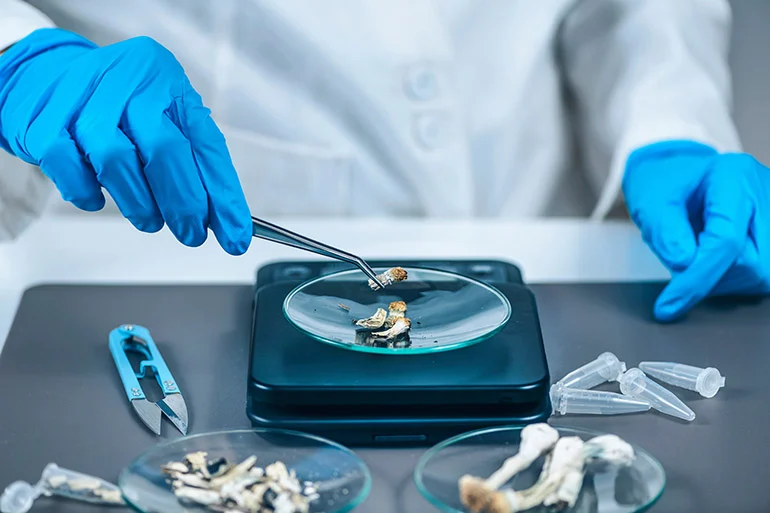
The innovation from the ETH Zurich and Karolinska Institutet teams builds upon and significantly enhances an established analytical technique: Matrix-Assisted Laser Desorption/Ionization Mass Spectrometry (MALDI-MS). Conventional MALDI-MS is a powerful tool widely used in proteomics for identifying and measuring the masses of proteins and peptides, as well as for enzyme activity assays and quality control in biopharmaceutical manufacturing. Its principle involves embedding molecules in a matrix, which then absorbs laser energy, leading to their ionization and subsequent detection based on their mass-to-charge ratio.
However, a fundamental limitation of traditional MALDI-MS, particularly in the context of analyzing protein complexes, has been its inability to reliably detect intact protein-protein or protein-drug complexes held together by weak, noncovalent forces. The intense laser ionization process, while essential for generating detectable ions, is often energetic enough to disrupt these delicate interactions, causing the complexes to dissociate before they can be measured. This means that while individual proteins might be detected, the crucial information about their interaction state—whether they are bound together—is lost.
The ingenuity of the new method lies in the strategic introduction of a chemical cross-linking step prior to MALDI-MS analysis. This crucial step employs an N-Hydroxysuccinimide (NHS)-ester reagent, a class of chemical linkers known for their reactivity with primary amines (lysine residues) found on protein surfaces. When this reagent is added to a mixture of proteins and potential drug candidates, it acts as a molecular "glue." Wherever two proteins (or a protein and a drug) are in close contact due to a noncovalent interaction, the NHS-ester reagent facilitates the formation of stable, irreversible covalent bonds between them. This chemical "locking" effectively stabilizes the transient, weak interactions that would otherwise be broken by the MALDI laser.
Once the protein complexes are covalently stabilized, they are then subjected to the standard MALDI-MS analysis. Because the complexes are now held together by strong covalent bonds, they remain intact during the laser ionization process. The mass spectrometer can then accurately detect and measure the mass of the entire, stabilized complex. This provides a clear indication of binding. Crucially, by monitoring changes in the formation of these cross-linked complexes in the presence or absence of a drug candidate, and correlating these changes with other functional readouts, the assay simultaneously delivers information on the functional consequence of the binding. This "double output" capability—capturing both the physical interaction and its biochemical effect—is what makes the cross-linking MALDI-MS workflow a significant leap forward in drug screening, effectively bridging the information gap that has plagued drug discovery for so long.
A Real-World Test: Unmasking SARS-CoV-2 Drug Candidates
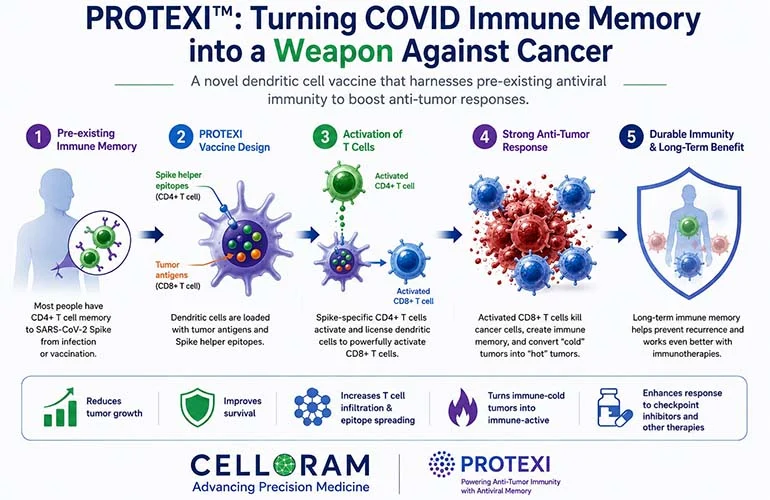
To validate the efficacy and discriminatory power of their new assay, the ETH Zurich and Karolinska Institutet teams applied it to a highly relevant and urgent therapeutic challenge: the identification of compounds targeting the SARS-CoV-2 virus. Specifically, they focused on the critical interaction between the virus’s spike protein receptor-binding domain (RBD) and the human angiotensin-converting enzyme 2 (ACE2) receptor, the primary gateway for the virus to enter human cells. Disrupting this interaction is a key strategy for developing antiviral therapeutics.
The researchers screened a panel of 17 FDA-approved drug candidates, subjecting them to the cross-linking MALDI-MS workflow to assess their ability to interfere with the SARS-CoV-2 RBD-ACE2 interaction. The results proved illuminating, particularly in distinguishing between compounds that might appear similar through conventional, less comprehensive assays. A compelling example emerged from the analysis of two such compounds: amentoflavone and dalbavancin.
Through traditional, separate functional and binding assays, amentoflavone and dalbavancin might have presented as possessing comparable, albeit perhaps modest, activity against the SARS-CoV-2 target. However, the integrated data provided by the new cross-linking MALDI-MS assay revealed critical, nuanced differences that proved determinative for their therapeutic potential. The assay demonstrated that dalbavancin exhibited an approximately 10-fold stronger affinity for ACE2 compared to amentoflavone. More importantly, dalbavancin showed preferential, on-target engagement, meaning its binding was specific and directly impacted the critical interaction site. In contrast, amentoflavone displayed weaker and notably less specific binding, suggesting it might interact with multiple targets or in a less effective manner.
The real-world significance of these findings was subsequently corroborated through a cell-based antiviral assay. This in vitro experiment, designed to mimic cellular infection, provided a direct measure of the compounds’ biological efficacy. The results were unequivocal: dalbavancin significantly improved cell viability in SARS-CoV-2-infected cells, indicating a tangible antiviral benefit. Conversely, amentoflavone showed no discernible benefit to cell viability; in fact, at higher concentrations, it even exhibited mild toxicity, further highlighting its lack of specific therapeutic action and potential for adverse effects.
This case study vividly illustrates the power of the cross-linking MALDI-MS workflow. By providing a richer, more integrated dataset early in the screening process, the assay enabled researchers to differentiate between superficially similar compounds and accurately predict their functional outcomes. This capability is invaluable in preventing the advancement of "false positive" drug candidates that would ultimately fail in later, more expensive stages of development, thereby saving immense resources and accelerating the identification of truly effective therapies.
Broader Implications and Transformative Potential for Drug Discovery
The implications of this innovative cross-linking MALDI-MS workflow extend far beyond antiviral research, promising to reshape the landscape of drug discovery across numerous therapeutic areas. By providing a more holistic and nuanced understanding of drug-target interactions at an earlier stage, the method empowers researchers to make significantly smarter, data-driven decisions regarding which compounds to advance and which to discard. This enhanced decision-making capability translates directly into substantial savings of valuable time, financial resources, and scientific effort that are typically expended on pursuing unpromising candidates.
One of the most exciting prospects lies in the platform’s potential to unlock new classes of therapeutic targets. While traditional drug discovery has predominantly focused on inhibitors—compounds that block the activity of a target protein—the integrated nature of this assay allows for the identification of a broader spectrum of molecular modulators. The platform is equally capable of identifying molecular stabilizers, which enhance the stability or interaction of protein complexes, and allosteric activators, which bind to a site distinct from the active site but still influence protein function. This expands the druggable proteome, offering new avenues for treating diseases previously considered intractable, particularly those involving complex protein networks and subtle regulatory mechanisms. For diseases where a protein’s function needs to be enhanced rather than inhibited, this capability is revolutionary.
Furthermore, the technology holds promise for advancing the field of personalized medicine. By precisely characterizing how specific drug candidates interact with disease-relevant proteins, researchers could potentially tailor treatments more effectively to individual patient profiles, minimizing adverse effects and maximizing therapeutic benefit. The ability to quickly and accurately assess target engagement and functional outcome could accelerate the development of companion diagnostics and stratified treatment approaches.
Beyond novel target identification, the improved understanding of drug-target interactions could also aid in drug repurposing efforts. As demonstrated with the FDA-approved drugs in the SARS-CoV-2 study, the assay can provide new insights into existing compounds, potentially revealing previously unknown mechanisms of action or off-target effects that could be exploited for new therapeutic uses. This could significantly shorten development timelines for repurposed drugs, offering a faster route to patient access.
Expert Perspectives and Strategic Placement in the Pipeline
The scientific community, particularly those engaged in early-stage drug discovery and proteomics, views this development with considerable optimism. Dr. Anna Persson, a theoretical expert in drug mechanisms not affiliated with the study, suggests, "This integrated approach is precisely what the field has been lacking. Moving beyond ‘binds’ or ‘works’ to understanding ‘how it binds and what that binding does’ is crucial for de-risking candidates early. It could significantly reduce late-stage failures that are so devastating in terms of cost and patient impact." Researchers involved in the study, while maintaining scientific rigor, have expressed a shared sense of excitement regarding the assay’s potential to accelerate the pace of scientific discovery and therapeutic development. They envision this methodology as a powerful tool for navigating the complexities of modern drug targets.
From an industry perspective, the adoption of such integrated platforms is critical for optimizing resource allocation. Dr. Markus Schmidt, a pharmaceutical R&D executive, noted, "The economic pressures on drug development demand smarter, more predictive screening tools. An assay that provides both binding and functional data simultaneously offers an unprecedented advantage in prioritizing lead compounds and minimizing wasted investment in ineffective molecules. This is a game-changer for pipeline efficiency."
Crucially, the authors envision this cross-linking MALDI-MS workflow as optimally positioned for post-primary screening applications. In the typical drug discovery pipeline, primary screening often involves high-throughput methods designed to rapidly sift through vast libraries of compounds, identifying initial "hits" that show some level of activity. While effective for initial narrowing, these high-throughput screens often lack the depth of information provided by the ETH Zurich/Karolinska Institutet assay. Once a pool of candidate compounds has been narrowed down through primary screening, this integrated MALDI-MS approach can then be deployed to meticulously characterize these prioritized candidates, providing the detailed functional and binding insights needed to select the most promising leads for further optimization and preclinical development. This strategic placement ensures that its high information content is applied where it can yield the greatest impact without sacrificing the throughput demands of initial broad screens.
Acknowledging Limitations and Charting Future Directions
While the cross-linking MALDI-MS workflow represents a significant advance, the researchers are forthright in acknowledging certain limitations inherent in this proof-of-concept stage, outlining clear avenues for future development and refinement.
One key aspect is that the binding parameters derived from the assay are currently considered semi-quantitative. While it provides strong indications of binding strength and specificity, absolute binding affinities may be underestimated. This potential underestimation is primarily attributed to residual laser-induced dissociation that can still occur during the MALDI process, even with the stabilizing effect of cross-linking. Further research will focus on optimizing the cross-linking conditions and MALDI parameters to minimize this effect and enhance the quantitative accuracy of affinity measurements, potentially through the development of internal standards or refined calibration curves.
Another important consideration is the need for extensive validation across a broader spectrum of protein-protein interaction targets. The current study successfully demonstrated the method’s utility with the SARS-CoV-2 RBD-ACE2 interaction, a well-characterized and highly relevant system. However, the diverse nature of PPIs, which vary widely in their stability, interaction interfaces, and functional mechanisms, necessitates comprehensive testing across different protein families and disease indications. Such validation efforts will be crucial for establishing the assay’s robustness and general applicability as a universal tool in drug discovery. This will involve collaborations with other research groups and potentially industry partners to apply the technology to a wider range of challenging biological systems.
From a practical standpoint, the cross-linking step requires the use of amine-free buffers. Primary amine groups present in certain buffer components can react with the NHS-ester reagent, thereby competing with the protein cross-linking reaction and reducing its efficiency or specificity. While manageable, this necessitates careful buffer selection and optimization, adding a layer of consideration to experimental design. Researchers are exploring alternative cross-linking chemistries or strategies to broaden the compatibility with a wider range of buffer systems, potentially simplifying the workflow for high-throughput environments.
The current vision for this technology positions it primarily for post-primary screening, as mentioned earlier, where candidate pools have already been narrowed. This is due to the inherent sample preparation steps and the time required for MALDI-MS analysis, which might not yet match the ultra-high-throughput demands of initial screening campaigns involving hundreds of thousands or millions of compounds. However, ongoing efforts in automation, miniaturization, and faster mass spectrometry platforms could eventually expand its utility to earlier stages of the drug discovery pipeline, making it accessible for broader application.
In conclusion, the cross-linking MALDI mass spectrometry workflow developed by the ETH Zurich and Karolinska Institutet teams represents a significant scientific achievement. By effectively bridging the critical information gap between a drug candidate’s ability to bind to its target and the functional consequences of that binding, this innovative assay promises to usher in a new era of more efficient, more precise, and ultimately more successful drug discovery. While further validation and optimization are natural next steps, the potential for this integrated approach to accelerate the identification of life-saving therapeutics and expand the range of druggable targets is immense, offering a beacon of hope for patients awaiting effective treatments.