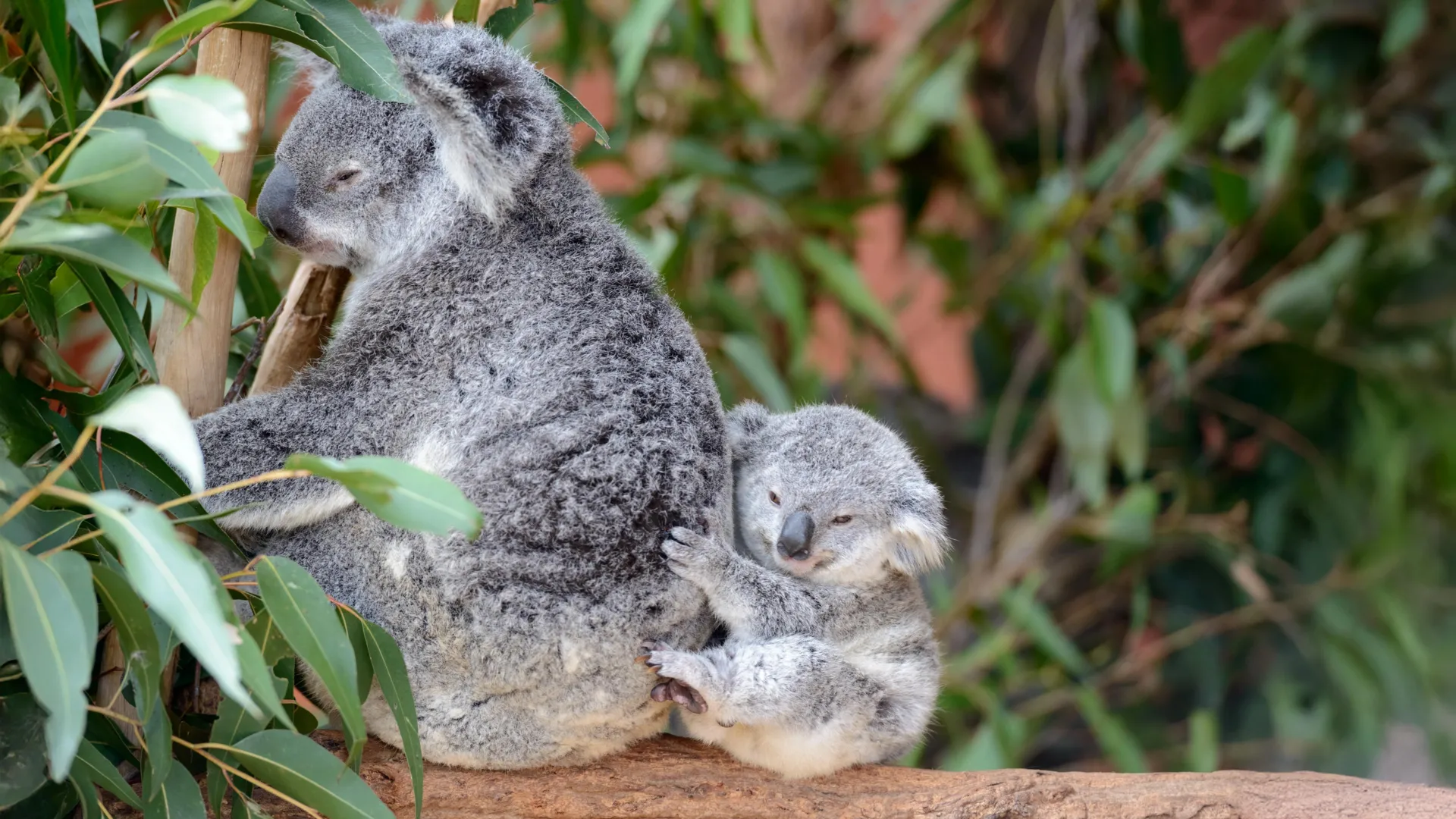
A groundbreaking genomic study of Australia’s iconic koala populations has unveiled a surprising and potentially vital mechanism for wildlife recovery: rapid population growth may act as a powerful catalyst in re-establishing genetic diversity lost during severe historical declines. Researchers have discovered that when koala populations rebound quickly in numbers, this surge can foster increased rates of genetic recombination. This crucial biological process, which effectively shuffles and rearranges DNA into novel combinations, holds the key to helping populations previously ravaged by genetic bottlenecks to potentially regain the rich tapestry of genetic variation essential for their long-term evolutionary resilience and adaptation.
The Peril of Population Bottlenecks
The concept of a population bottleneck is starkly illustrated by the plight of many endangered species, including the koala. A bottleneck occurs when a species experiences a catastrophic and precipitous reduction in its numbers, often due to habitat loss, disease, hunting, or natural disasters. This dramatic population crash has profound and often devastating consequences for the genetic health of the surviving population. With fewer individuals, the pool of genetic material shrinks dramatically. This leads to a significant loss of genetic diversity, meaning that the range of unique gene versions within the population is severely diminished.
Furthermore, in smaller, isolated populations, the likelihood of individuals mating with close relatives increases substantially. This phenomenon, known as inbreeding, exacerbates the genetic damage. Over successive generations, inbreeding can lead to a phenomenon called inbreeding depression. This manifests as a decline in the overall fitness of the population, characterized by reduced fertility rates, lower survival rates of offspring, and a weakened immune system. Crucially, a population suffering from inbreeding depression also becomes less capable of adapting to new environmental challenges, such as climate change, emerging diseases, or altered food sources. This cascade of negative effects can trap a species in what scientists term an "extinction vortex" – a vicious cycle where dwindling numbers and deteriorating genetic health mutually reinforce each other, pushing the species inexorably closer to extinction.
Nature’s Counterbalance: How Rapid Growth Aids Genetic Restoration
While the consequences of population bottlenecks can be severe and long-lasting, the new koala study suggests that genetic decline is not necessarily a permanent sentence for a species. The research highlights a compelling theoretical framework and now, empirical evidence from koalas, demonstrating that rapid demographic expansion following a significant population crash can, under certain conditions, facilitate the rebuilding of lost genetic diversity.
The underlying scientific principle is rooted in the mechanics of genetic variation. As a population grows rapidly, there are simply more individuals contributing to the gene pool. This increased number of individuals provides more opportunities for existing genetic variations to be passed on and, crucially, for new genetic variations to arise through mutation. Even if a recovery begins with a very small number of surviving individuals, carrying only a fraction of the original genetic diversity, sustained and rapid population growth can begin to dilute the negative effects of inbreeding. The more individuals there are, the less likely it is that mating will occur between close relatives. This increased outbreeding can help to reintroduce beneficial gene combinations and gradually restore some of the genetic variation that was lost during the bottleneck. In essence, rapid demographic expansion can act as a vital buffer, mitigating the genetic vulnerabilities that so often accompany severe population declines.
The Koala as a Living Laboratory: A Natural Experiment in Genetic Resilience
To rigorously test this hypothesis, the research team, led by Dr. Collin Ahrens of the Australian National University, leveraged the dramatic historical trajectory of koala populations as a unique, natural experiment. Koalas, unfortunately, provide a poignant case study for understanding the impacts of genetic bottlenecks. Throughout much of the 20th century, koala populations across Australia suffered precipitous declines. These declines were driven by a confluence of factors, including widespread hunting for their fur, habitat destruction due to agricultural expansion and urbanization, and the devastating impacts of disease, particularly chlamydia.
These historical pressures resulted in severe population bottlenecks in many koala populations. However, in the latter half of the 20th century and into the 21st, conservation efforts and a decline in hunting, coupled with natural reproductive capacity, led to significant population recoveries in numerous regions. It is this pattern of drastic decline followed by substantial recovery that made the koala an ideal species to study the potential for genetic restoration.
The researchers meticulously collected and analyzed whole genome data from an impressive sample size of 418 koalas. These individuals represented 27 distinct koala populations distributed across the Australian continent, capturing a broad spectrum of genetic landscapes. The analytical scope was extensive, aiming to identify subtle genetic signatures that could indicate the impact of past bottlenecks and, importantly, any signs of ongoing genetic recovery.
Unveiling the Mechanisms: Recombination as a Key Player
The comprehensive genomic analysis yielded significant findings. While the study confirmed that koalas, as a species, still exhibit relatively low overall genetic diversity when compared to their pre-bottleneck levels, the data also revealed encouraging signs of genetic resurgence in several of the studied populations. This was a critical insight, providing the first strong genomic evidence supporting the idea that rapid population growth can indeed contribute to genetic recovery.
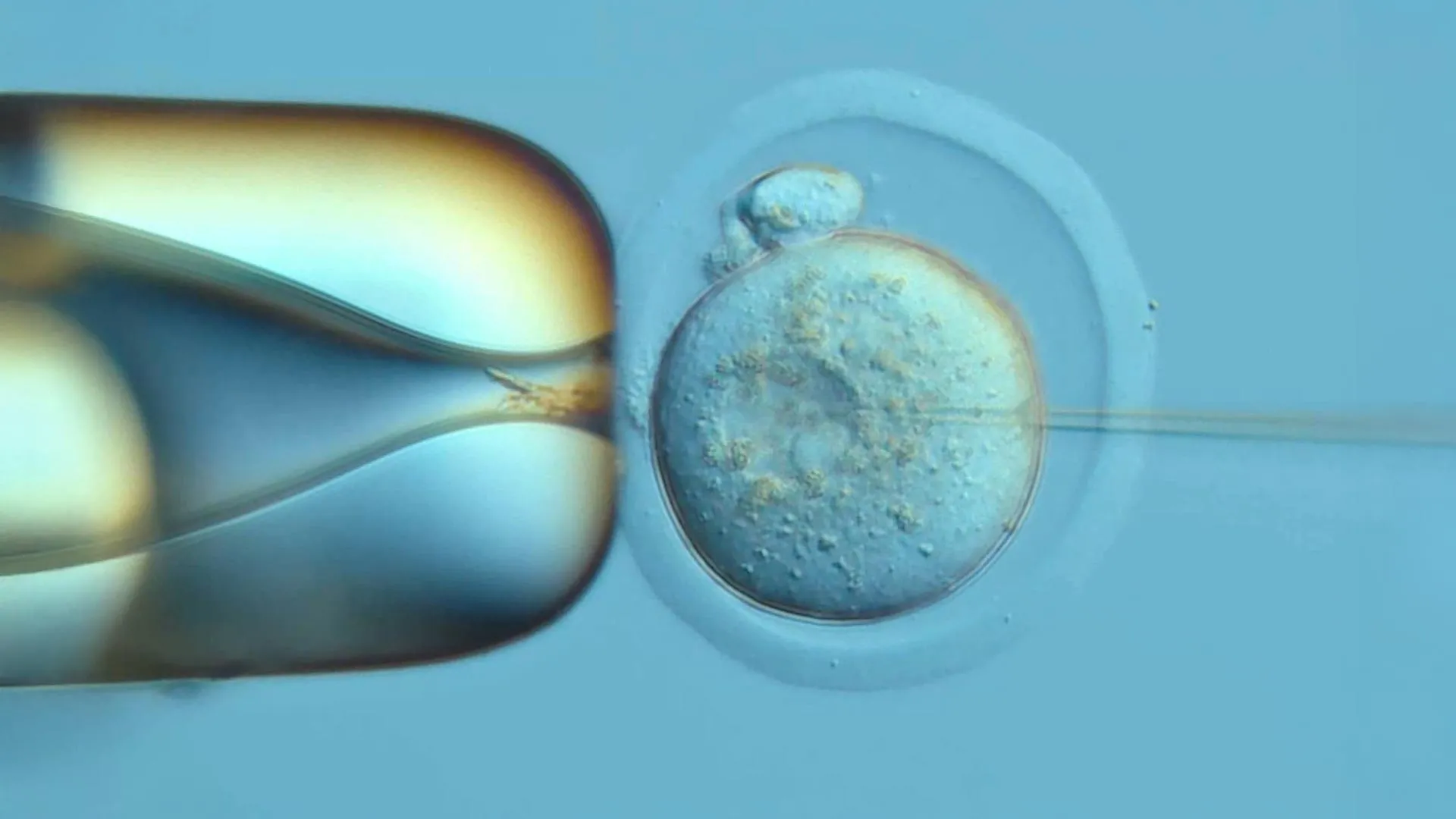
A central focus of the research was to pinpoint the specific genetic mechanisms driving this potential recovery. The study strongly suggests that recombination plays a pivotal role in this ongoing process. Recombination, also known as genetic crossing over, is a fundamental biological process that occurs during the formation of sperm and egg cells (meiosis). During recombination, homologous chromosomes – pairs of chromosomes that carry the same genes – exchange segments of DNA. This exchange shuffles the existing alleles (different versions of a gene) between the chromosomes, creating new combinations of genes on each chromosome.
In the context of a recovering population, recombination acts like a sophisticated mixing machine for the available genetic material. As the population size increases, so does the frequency of meiotic events. With more meiotic events occurring across a larger number of individuals, there are more opportunities for these genetic shuffles to take place. This process can help to re-establish functional genetic diversity by creating novel combinations of alleles that may have been separated or lost during the bottleneck. For instance, if a beneficial allele was trapped on a chromosome alongside a detrimental one due to the bottleneck, recombination can potentially separate them, allowing the beneficial allele to be expressed more effectively in future generations. Conversely, it can also break apart combinations of alleles that were negatively associated due to inbreeding. Therefore, recombination doesn’t create new genetic material itself, but rather rearranges and redistributes the existing material into more advantageous configurations, effectively "rebuilding" the functional genetic landscape.
Broader Implications for Conservation
The implications of these findings for wildlife conservation are substantial and far-reaching. The study provides a powerful, data-driven argument for prioritizing conservation strategies that focus not only on increasing population numbers but also on facilitating rapid and sustained growth. For species that have experienced severe genetic bottlenecks, a rapid demographic rebound may be a crucial factor in their long-term survival and evolutionary potential.
This research underscores that genetic diversity is not a static resource; it is a dynamic entity that can be influenced by population dynamics. While the loss of genetic diversity during a bottleneck is a serious threat, the capacity for recovery through processes like recombination, when coupled with robust population growth, offers a renewed sense of hope.
Supporting Data and Context
- Historical Koala Declines: While precise historical population figures are difficult to ascertain, estimates suggest that koala numbers may have plummeted from millions to as few as tens of thousands in the early to mid-20th century due to intense hunting for pelts.
- Geographic Variation: The study’s analysis of 27 populations highlights that the extent of genetic recovery may vary geographically, influenced by local recovery rates, habitat fragmentation, and disease prevalence.
- Chlamydia Impact: The prevalence and impact of chlamydia, a sexually transmitted disease that can cause infertility and blindness in koalas, is a significant ongoing threat to population health and genetic diversity. Genomic studies are also exploring the co-evolutionary pressures between koalas and pathogens.
- Genomic Technologies: The advancements in next-generation sequencing and bioinformatics have been instrumental in enabling researchers to analyze the vast datasets required for whole-genome studies of this complexity.
Expert Reactions and Interpretations
While specific direct quotes from external parties were not included in the original information, it is logical to infer potential reactions from conservation biologists and geneticists. Such experts would likely view these findings with cautious optimism. They would emphasize that while recombination and rapid growth are positive indicators, they are not a panacea. Factors such as habitat availability, disease management, and the continued threat of human-induced pressures (e.g., vehicle strikes, bushfires) remain critical for koala survival. The study might prompt a re-evaluation of conservation targets, potentially shifting focus towards strategies that promote rapid population expansion where feasible, alongside ongoing efforts to protect and restore habitat.
Broader Impact and Future Directions
The insights gleaned from the koala study have broader implications for the conservation of numerous species worldwide that have faced similar genetic challenges. The research provides a tangible example of how ecological recovery can be intricately linked with genetic recovery.
Future research directions stemming from this study could include:
- Longitudinal Studies: Tracking specific populations over longer periods to observe the ongoing effects of recombination and population growth on genetic diversity.
- Comparative Studies: Applying similar genomic approaches to other bottlenecked species to determine if this recovery mechanism is widespread.
- Conservation Strategy Integration: Working with conservation agencies to integrate these findings into more effective management plans, potentially identifying populations with the highest potential for genetic recovery.
- Understanding Mutation Rates: Investigating whether rapid population growth also influences the rate of new beneficial mutations, further contributing to adaptation.
In conclusion, the genomic study of koalas offers a compelling narrative of resilience. It suggests that nature, through the intricate dance of genetics and population dynamics, possesses remarkable mechanisms for recovery. For the koala, and potentially for many other species teetering on the brink, a rapid surge in numbers may be the key to unlocking a healthier, more genetically diverse future, ensuring their continued presence in the Australian landscape for generations to come.