

Scientists have identified a shared genetic blueprint for regeneration across vastly different species, a discovery that could fundamentally alter the landscape of regenerative medicine and gene therapy, potentially paving the way for the regrowth of human limbs. The groundbreaking research, published in the prestigious journal Proceedings of the National Academy of Sciences, synthesized findings from three independent laboratories studying the regenerative capabilities of axolotls, zebrafish, and mice. This collaborative effort has pinpointed a core set of genes that appear to orchestrate the complex process of tissue and limb regrowth, offering a tantalizing glimpse into a future where lost appendages might be restored.
A Tri-Species Approach to Understanding Regeneration
The ambitious project brought together researchers with distinct but complementary expertise in regeneration. Dr. Josh Currie, an Assistant Professor of Biology at Wake Forest University, whose lab focuses on the remarkable regenerative powers of the Mexican axolotl salamander, highlighted the significance of the interdisciplinary approach. "This significant research brought together three labs, working across three organisms to compare regeneration," Dr. Currie stated. "It showed us that there are universal, unifying genetic programs that are driving regeneration in very different types of organisms, salamanders, zebrafish and mice."
Joining Dr. Currie were Dr. David A. Brown, a plastic surgeon at Duke University specializing in digit regeneration in mice, and Dr. Kenneth D. Poss from the University of Wisconsin-Madison, whose work centers on fin regeneration in zebrafish. This synergistic collaboration allowed for a comprehensive comparison of regenerative mechanisms, bridging the gap between organisms with extraordinary regenerative capacities and those with more limited, yet still significant, repair abilities.
The Growing Need for Advanced Limb Regeneration Therapies
The impetus behind this research is underscored by alarming global statistics. According to the Global Burden of Disease study, over one million amputations occur annually worldwide. These are primarily driven by a confluence of factors, including the escalating prevalence of diabetes-related vascular disease, traumatic injuries from accidents and conflicts, severe infections, and cancer. Projections indicate a further rise in these numbers as global populations age and the incidence of chronic diseases like diabetes continues to climb. For decades, the medical community has strived to move beyond the limitations of prosthetic limbs, seeking treatments that can restore not only form but also natural movement, sensation, and full function. This new research suggests that a specific group of genes, known as SP genes, may hold a key to unlocking these ambitious therapeutic goals.
Distinct Models, Shared Genetic Secrets
The strategic selection of axolotls, zebrafish, and mice was crucial to the study’s success, as each species provides a unique window into the intricate world of regeneration.
-
Axolotls: The Masters of Regeneration
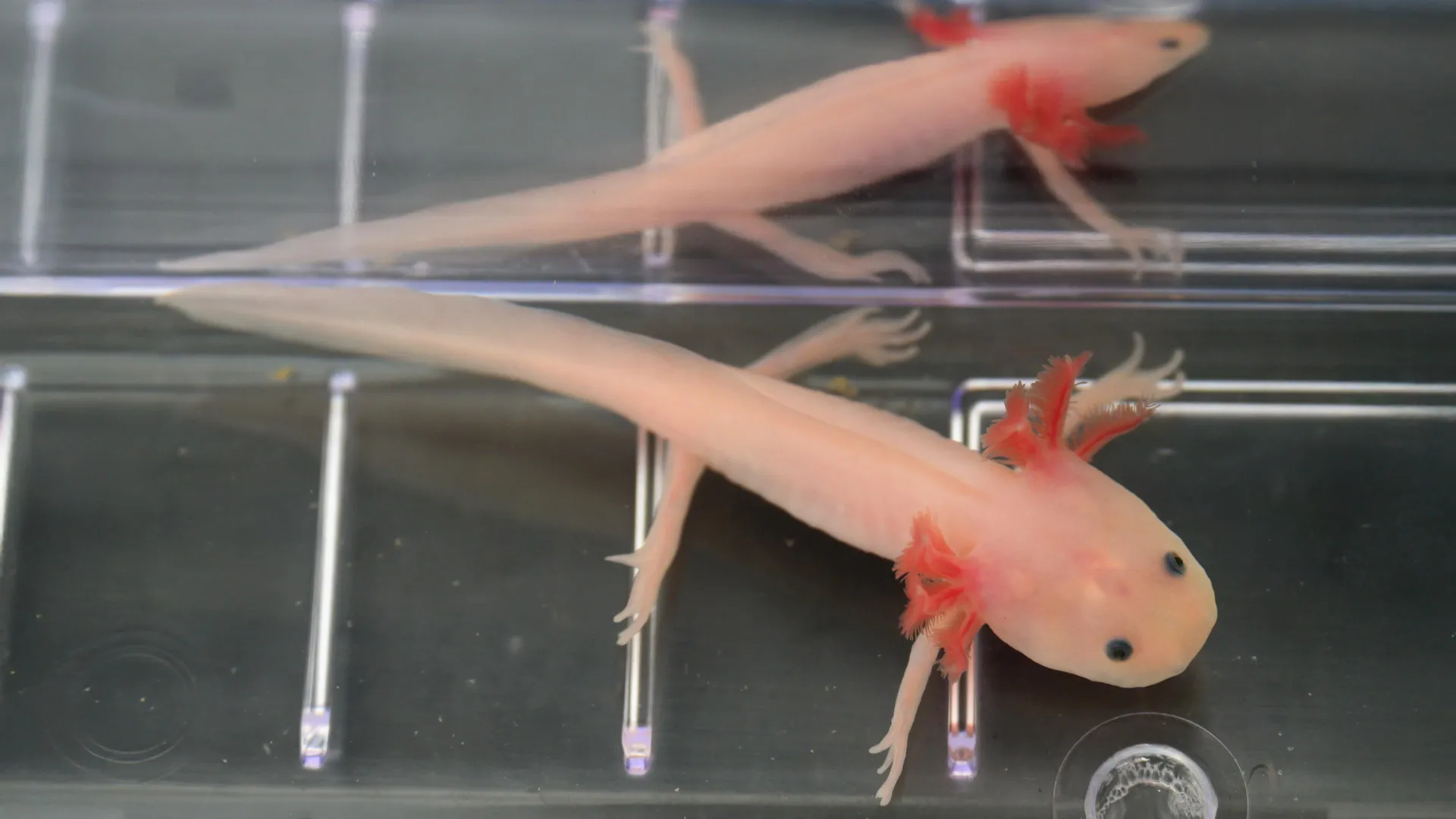
The Mexican axolotl ( Ambystoma mexicanum) is renowned for its almost unparalleled ability to regenerate complex structures. Researchers have documented their capacity to regrow entire limbs, complete with bone, muscle, and nerve tissue, as well as tails, spinal cord segments, and even parts of vital organs such as the heart, brain, lungs, liver, and jaw. This extraordinary resilience makes them an invaluable model organism for understanding the fundamental principles of tissue regrowth. -
Zebrafish: A Versatile Regenerative Platform
Zebrafish (Danio rerio) offer another powerful model due to their remarkable capacity for repeated fin regeneration. Beyond their fins, these small freshwater fish can also repair damage to critical organs, including the heart, brain, spinal cord, kidneys, retinas, and pancreas. Their rapid life cycle and genetic tractability make them ideal for experimental studies aimed at deciphering regenerative pathways. -
Mice: The Mammalian Link to Humans
The inclusion of mice (Mus musculus) was essential as they are mammals, sharing a closer evolutionary lineage with humans. While their regenerative capabilities are far more restricted than those of axolotls or zebrafish, mice can regenerate the tips of their digits. This observation is particularly relevant as humans, under specific conditions—namely, if the nailbed remains intact after injury—can also exhibit limited regrowth of fingertips, including skin, flesh, and bone. This parallel, however slight, provides a crucial bridge for translating findings to human applications.
The Discovery of SP Genes: A Common Thread
The core of the discovery lies in the identification of a conserved set of genes actively engaged during the initial stages of regeneration across all three species. Dr. Currie explained that the team observed the activation of two specific genes, SP6 and SP8, within the regenerating epidermis, or skin tissue, of axolotls, zebrafish, and mice. This consistent activation across such diverse organisms immediately signaled their potential importance in the regenerative process. The subsequent research focused on unraveling the precise roles these SP genes play in facilitating limb regrowth.
The Wake Forest team involved in the research included Biology Ph.D. student Tim Curtis Jr. and undergraduate Elena Singer-Freeman, a Goldwater Scholar slated to graduate in 2025 with a degree in biochemistry and molecular biology. Their contributions were instrumental in the experimental investigations.
CRISPR Reveals the Critical Role of SP Genes in Limb Regrowth
To elucidate the functional significance of SP6 and SP8, the researchers employed cutting-edge CRISPR-Cas9 gene-editing technology. The Wake Forest lab, under Dr. Currie’s guidance, specifically targeted the SP8 gene in axolotls. By precisely removing SP8 from the axolotl genome, they observed a dramatic impairment in the animal’s ability to regenerate its limbs. Without this crucial gene, the axolotls were unable to properly regrow limb bones.
Parallel experiments in mice yielded similar findings. When SP6 and SP8 were absent from regenerating digits, the mice encountered significant difficulties in the regrowth process. These experiments provided compelling evidence that SP genes are not merely passive bystanders but are active drivers of the complex cascade of events required for successful limb regeneration.
Gene Therapy: Mimicking Nature’s Blueprint
Building upon these insights, Dr. Brown’s lab at Duke University leveraged the findings to design a novel viral gene therapy. This therapy was inspired by a tissue regeneration enhancer previously identified in zebrafish research. The therapeutic approach focused on delivering a signaling molecule known as FGF8, a protein that is typically activated by the SP8 gene.
In preclinical trials involving mice with injured digits, the FGF8-based gene therapy demonstrated promising results. The treatment stimulated bone regrowth in the damaged areas and partially restored some of the regenerative capabilities that had been lost when the SP genes were absent. This suggests that by artificially introducing key signaling molecules, it might be possible to overcome natural limitations and promote tissue repair.
While human limbs do not possess the inherent regenerative capacity of salamander limbs, the researchers are optimistic that future therapies can be engineered to mimic the biological mechanisms orchestrated by SP genes. "We can use this as a kind of proof of principle that we might be able to deliver therapies to substitute for this regenerative style of epidermis in regrowing tissue in humans," Dr. Currie explained. This concept of therapeutic substitution, where a biological pathway is externally supplemented, represents a significant paradigm shift in regenerative medicine.
Charting a Course for Future Human Limb Regeneration
Despite the exciting implications, the scientific community emphasizes that this research is still in its nascent stages. Extensive further studies are required before these discoveries in animal models can be translated into safe and effective therapies for humans. Nonetheless, Dr. Currie described the current findings as laying a vital foundation for the development of future regenerative treatments.
"Scientists are pursuing many solutions for replacing limbs, including bioengineered scaffolds and stem cell therapies," Dr. Currie elaborated. "The gene-therapy approach in this study is a new avenue that can complement and potentially augment what will surely be a multi-disciplinary solution to one day regenerate human limbs." This perspective underscores the understanding that regenerating a complex structure like a human limb will likely require a multifaceted approach, integrating various scientific disciplines.
A particularly noteworthy aspect of this research, according to Dr. Currie, is the powerful synergy achieved through cross-species collaboration. He observed a common tendency for scientists to operate within specific research silos, focusing on a single model organism. "Many times, scientists work in their silos: we’re just working in axolotl, or we’re just working in mouse, or just working in fish," he remarked. "A real standout feature of this research is that we work across all these different organisms. That is really powerful, and it’s something that I hope we’ll see more of in the field." This collaborative spirit, bridging the gap between diverse biological systems, is crucial for accelerating progress in complex scientific endeavors like limb regeneration.
Broader Implications and Future Directions
The identification of conserved regenerative genes has profound implications beyond limb regrowth. It suggests that the fundamental molecular mechanisms governing tissue repair might be more universal than previously understood, potentially offering insights into treatments for a wide range of injuries and degenerative diseases. The SP gene family, for instance, could be implicated in the repair of other damaged tissues, from heart muscle after a heart attack to neural tissue after spinal cord injury.
The success of the FGF8 gene therapy in mice also highlights the potential of targeted molecular interventions. Future research will likely focus on refining these delivery systems, optimizing the dosage and timing of signaling molecule administration, and ensuring the long-term safety and efficacy of such therapies. The possibility of developing "regenerative cocktails" of growth factors and signaling molecules, inspired by the natural regenerative processes observed in species like the axolotl, is a compelling avenue for exploration.
Furthermore, this research underscores the continued importance of studying model organisms that possess exceptional biological capabilities. While mice provide a mammalian context, the extraordinary regenerative prowess of axolotls and zebrafish offer invaluable blueprints for understanding the upper limits of biological repair. Continued investment in basic research, even on seemingly exotic species, can yield unexpected breakthroughs with far-reaching human health benefits.
The journey from understanding these fundamental genetic programs to clinically viable human therapies will undoubtedly be long and arduous. It will necessitate continued rigorous scientific inquiry, significant technological advancements, and substantial investment. However, the convergence of findings across axolotls, zebrafish, and mice, published in a leading scientific journal, represents a significant leap forward, igniting hope and charting a promising new direction for the field of regenerative medicine. The prospect of one day enabling humans to regrow lost limbs, once confined to the realm of science fiction, is inching closer to scientific reality, thanks to the dedication and collaborative spirit of researchers working at the frontiers of biological discovery.













Leave a Reply