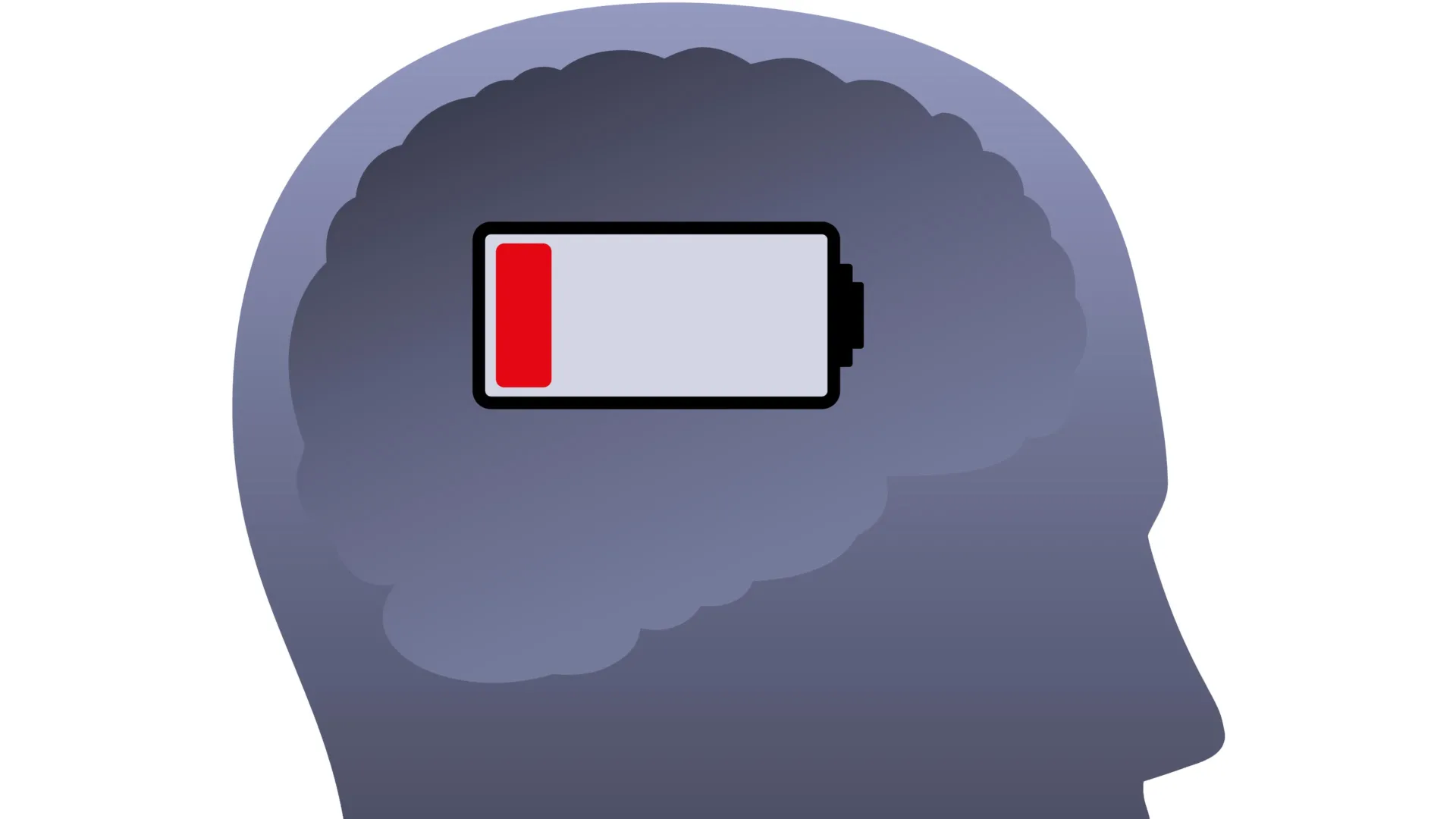
A groundbreaking study conducted by the Yong Loo Lin School of Medicine at the National University of Singapore (NUS Medicine) has unveiled a sophisticated biological mechanism through which caffeine mitigates the cognitive damage caused by sleep loss. While caffeine has long been utilized globally as a tool to combat drowsiness and enhance alertness, this new research, published in the prestigious journal Neuropsychopharmacology, suggests its benefits are far more nuanced and surgically precise than previously understood. The findings indicate that caffeine specifically targets and restores a well-defined neural pathway responsible for social memory—the essential cognitive ability to recognize, distinguish, and remember individuals during interpersonal encounters.
Led by Associate Professor Sreedharan Sajikumar and first author Dr. Lik-Wei Wong from the Department of Physiology and the Healthy Longevity Translational Research Program, the study addresses a critical gap in neuroscientific understanding. As modern society grapples with a burgeoning sleep deprivation crisis, understanding how the brain’s memory circuits fail—and how they might be repaired—has become a priority for public health and cognitive longevity research.
The Architecture of Memory: Focusing on the Hippocampal CA2 Region
To understand the significance of the NUS findings, it is necessary to examine the specific geography of the brain involved. The hippocampus has long been recognized as the center for learning and memory. However, it is not a monolithic structure; it is divided into distinct sub-regions, including CA1, CA3, and the often-overlooked CA2.
For decades, the CA2 region was considered a "black box" or a "silent" area of the hippocampus because it did not exhibit the same types of synaptic plasticity—the ability of connections between neurons to strengthen or weaken—seen in its neighboring regions. Recent advancements in neurobiology have revealed that CA2 is, in fact, the primary hub for social memory. It is the part of the brain that allows an organism to process "social cues" and maintain a mental catalog of familiar versus unfamiliar individuals.
Crucially, the CA2 region is uniquely wired to receive signals from the brain’s arousal and sleep-wake centers. This makes it particularly vulnerable to the physiological stresses of sleep deprivation. The NUS team hypothesized that the cognitive "fog" and social irritability often associated with a lack of sleep might be rooted in the physical disruption of this specific neural circuit.
Methodology: Simulating Modern Sleep Debt
The research team designed an experimental model to simulate the acute sleep loss commonly experienced by students, healthcare professionals, and shift workers. Laboratory animals were subjected to five hours of sleep deprivation, a period sufficient to trigger significant biochemical changes in the brain without inducing the total exhaustion associated with long-term deprivation.
Following this period of wakefulness, the researchers introduced caffeine into the animals’ drinking water, allowing for unrestricted consumption over a seven-day period. This longitudinal approach allowed the team to observe not just the immediate "jolt" of caffeine, but its sustained effect on brain health and memory restoration over a week-long recovery phase.
To measure the impact, the team employed advanced electrophysiological recordings on hippocampal tissue samples. This allowed them to visualize synaptic plasticity in real-time. By stimulating the neurons and recording the strength of the resulting electrical signals, they could determine whether the "wires" of the brain were communicating effectively or if the signal was being dampened by the lack of sleep.
The Adenosine Connection and Synaptic Plasticity
The biological "villain" in the story of sleep deprivation is a molecule called adenosine. Throughout our waking hours, adenosine levels steadily rise in the brain, acting as a homeostatic signal of "sleep pressure." The more adenosine that accumulates, the more it binds to specific receptors, effectively slowing down neural activity and inducing a state of sleepiness.
Under normal conditions, sleep acts as a "rinse" cycle, clearing adenosine from the brain. However, when sleep is truncated, adenosine remains at elevated levels, interfering with synaptic plasticity. Specifically, it disrupts Long-Term Potentiation (LTP), the process by which neural connections are strengthened after a learning event.
The NUS study confirmed that five hours of sleep loss was enough to severely impair LTP in the CA2 region. The communication between neurons became sluggish and weak, and when the animals were introduced to other subjects, they failed to recognize those they had met previously. This deficit in social recognition memory was directly correlated with the physical weakening of the CA2 synaptic connections.
Findings: Caffeine as a Precision Repair Tool
The introduction of caffeine fundamentally altered this trajectory. As a known adenosine receptor antagonist, caffeine works by "plugging" the receptors that adenosine would otherwise occupy. By blocking these signals, caffeine prevents the "dampening" effect of sleep debt on the brain’s circuitry.
The most striking discovery made by Dr. Wong and Assoc Prof Sajikumar was the selectivity of caffeine’s action. While stimulants are often thought to "rev up" the entire brain indiscriminately, the study found that caffeine specifically restored the disrupted pathways in the CA2 region without overstimulating the brain in healthy, well-rested control groups.
In animals that were not sleep-deprived, the administration of caffeine did not lead to an abnormal increase in synaptic strength or social memory performance. This suggests that caffeine does not necessarily "boost" memory beyond natural limits, but rather acts as a restorative agent that brings impaired circuits back to their baseline physiological state. For the sleep-deprived subjects, this meant a total reversal of social memory deficits, allowing them to distinguish between familiar and novel individuals as effectively as their well-rested counterparts.
Official Commentary and Scientific Analysis
The implications of these findings are significant for the field of healthy longevity and cognitive preservation. "Sleep deprivation does not just make you tired. It selectively disrupts important memory circuits," noted Dr. Wong. "We found that caffeine can reverse these disruptions at both the molecular and behavioral levels. Its ability to do so suggests that caffeine’s benefits may extend beyond simply helping us stay awake."
Associate Professor Sajikumar emphasized the broader structural importance of the study: "Our findings position the CA2 region as a critical hub linking sleep and social memory. This research enhances our understanding of the biological mechanisms underlying sleep-related cognitive decline. This could inform future approaches to preserving cognitive performance in populations at risk."
Independent observers in the neuroscience community have noted that this study provides a molecular justification for the anecdotal "clarity" people feel after consuming coffee during a long shift. By identifying the CA2 region as the specific site of repair, the NUS team has opened the door for pharmaceutical developments that might target these receptors even more precisely, potentially without the jittery side effects associated with high caffeine intake.
Broader Socioeconomic and Health Implications
The NUS research arrives at a time when sleep deprivation is being recognized as a global economic and health crisis. According to data from the RAND Corporation, sleep deprivation costs the United States economy up to $411 billion a year in lost productivity, while Japan loses approximately $138 billion. Beyond the financial cost, the cognitive impairment associated with sleep loss is a leading factor in workplace accidents and medical errors.
The discovery that social memory is a primary casualty of sleep loss adds a new dimension to our understanding of social dynamics in high-stress environments. Social memory is vital for team cohesion, leadership, and the maintenance of personal relationships. If sleep deprivation selectively erodes the ability to process social information, the resulting "social friction" could have wide-ranging consequences in both professional and domestic spheres.
Furthermore, as the global population ages, the link between sleep quality and neurodegenerative diseases like Alzheimer’s has become more apparent. Since social withdrawal and memory loss are early hallmarks of cognitive decline, the NUS study’s focus on the CA2 region provides a potential roadmap for interventions aimed at maintaining social engagement in the elderly.
Future Research Directions
While the current study provides a robust framework for understanding caffeine’s role in social memory restoration, the researchers at NUS Medicine are already looking toward the next horizon. The team plans to investigate whether caffeine has similar restorative effects on other types of memory, such as spatial memory (navigation) or episodic memory (remembering specific events).
Future phases of the research will also delve into the distinction between memory consolidation—the process of "saving" a memory after it is formed—and memory retrieval. Understanding whether caffeine helps the brain "write" new social memories or simply helps it "read" existing ones during periods of exhaustion will be crucial for developing targeted therapeutic strategies.
Additionally, the researchers aim to use optogenetics—a technique that uses light to control neurons—to manipulate the CA2 circuits directly. This will allow them to prove a definitive causal relationship between the activity of these specific neural pathways and the behavioral outcomes observed in the study.
Conclusion
The study from the National University of Singapore represents a significant leap forward in our understanding of the relationship between sleep, caffeine, and the brain. By pinpointing the hippocampal CA2 region as the site of sleep-induced social memory failure, and demonstrating caffeine’s ability to selectively repair that failure, the research moves the conversation beyond simple alertness. It suggests that caffeine, when used strategically, may serve as a vital protector of the complex social cognitive functions that define much of the human experience. As research continues, the humble cup of coffee may increasingly be viewed not just as a morning ritual, but as a sophisticated tool for neurological maintenance in an increasingly sleep-deprived world.