For decades, the intricate molecular dance within bacteria that yields a remarkable array of potent anti-cancer compounds remained an enigma, a scientific puzzle that frustrated researchers striving to replicate and enhance these natural drug-making capabilities. Today, that mystery has been solved. A groundbreaking study, published in the esteemed journal Nature Communications, has illuminated the precise mechanisms by which bacteria orchestrate the production of multiple versions of powerful cancer drugs, a discovery poised to revolutionize the development of novel therapies for challenging malignancies.
The breakthrough centers on understanding how bacterial enzymes, the cellular machinery responsible for building complex molecules, communicate and collaborate. Scientists have long envisioned leveraging this natural process, known as combinatorial biosynthesis, to engineer new drug variants. However, progress was hampered by a fundamental lack of knowledge regarding the intricate coordination among these enzymatic partners. This new research not only unravels that coordination but provides a tangible blueprint for scientists to engineer these drugs themselves, moving beyond mere observation to active creation.
The Elegant Economy of Bacterial Drug Synthesis
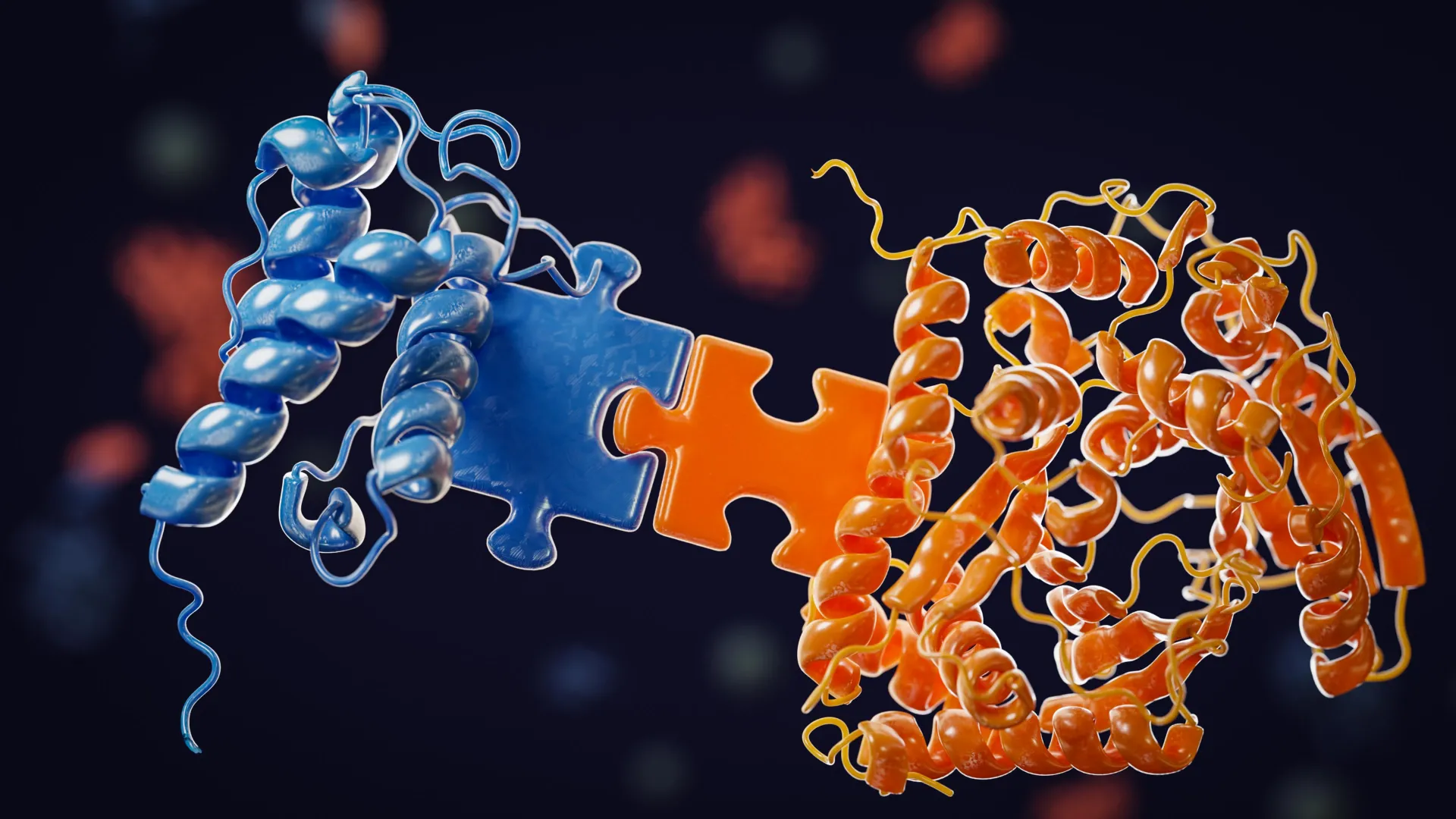
At the heart of this discovery lies the identification of "docking domains," small molecular connectors that act as crucial intermediaries. These domains serve as universal docking sites, linking the core drug-building enzymes with specialized enzymes that append different molecular components. This conserved connection point allows for remarkable flexibility, enabling a single core machinery to interact with a variety of enzymatic partners. This elegant simplicity is what has allowed bacteria to naturally produce a family of closely related anti-cancer compounds, including Romidepsin (marketed as Istodax), an FDA-approved treatment for specific types of blood cancers.
"For decades, we’ve known that bacteria can naturally produce multiple versions of powerful anti-cancer drugs, yet we had no idea how they achieved this," stated Dr. Munro Passmore, Research Fellow at the Department of Chemistry, University of Warwick, and lead author of the study. "This work finally cracks that code. We’ve identified how the different enzymes communicate and cooperate to produce these drug variants, something that has eluded researchers because the system is so elegantly economical. It’s the breakthrough we needed to actually engineer these drugs ourselves."
The implications of this finding are profound. By understanding and replicating this natural "mix and match" system in the laboratory, researchers have established a novel strategy for designing future cancer therapies. This could significantly accelerate the discovery and development pipeline for drugs targeting cancers that currently lack effective treatments.
A Timeline of Discovery: From Observation to Understanding
The journey to this revelation spans several decades, beginning with the observation of complex natural products synthesized by bacteria.
- Mid-20th Century: Initial discoveries of potent bioactive compounds produced by microorganisms, including early anti-cancer agents. Researchers recognized the immense therapeutic potential of these natural products but struggled to understand their biosynthesis.
- Late 20th Century – Early 21st Century: Advances in molecular biology and genetics allowed for the identification of genes responsible for producing these complex molecules. Scientists began to characterize the enzymes involved, leading to the concept of modular biosynthetic pathways. However, the precise interplay between enzymes remained elusive.
- Recent Years: The development of advanced techniques in structural biology, biochemistry, and computational modeling provided the tools necessary to probe these complex enzymatic systems at a molecular level. Studies began to focus on the interfaces between enzymes and the potential roles of specific protein domains.
- Present Day: The publication of the Nature Communications study marks a pivotal moment, offering a comprehensive explanation for the combinatorial biosynthesis observed in bacterial anti-cancer drug production, specifically focusing on HDAC inhibitors.
Tiny Molecular Connectors: The Key to Nature’s Drug-Making Strategy
The research meticulously details the function of these critical "docking domains." These domains are not merely passive connectors but active participants in the assembly process. They possess a conserved attachment point that facilitates recognition and binding with multiple enzymatic partners. This flexible interaction mechanism is central to how bacteria can generate a diverse array of structurally related drug molecules while ensuring the precision required for their therapeutic efficacy.
This flexibility is not just about generating variety; it is about evolutionary adaptation. The study also offers insights into the evolutionary origins of these sophisticated drug-producing systems. The researchers propose that the compound FR-901375, a well-known but previously biologically unexplained anti-cancer agent, likely evolved from a simpler precursor pathway through a process of gene duplication and subsequent recombination over extended evolutionary periods. This evolutionary perspective highlights nature’s own iterative design process, a model that can now be emulated and accelerated by human ingenuity.
Professor Greg Challis, Monash Warwick Alliance Professor of Sustainable Chemistry at the University of Warwick and Monash University, a senior figure in the research, emphasized the transformative potential: "This research gives us a blueprint to do what nature does, but better and faster. By reverse-engineering nature’s evolutionary logic, we can now design synthetic pathways that generate new anti-cancer drug candidates with properties optimized for clinical use, such as superior potency, improved selectivity, fewer side effects. Our immediate goal is to build an expanded library of candidates for various cancers where new treatments are urgently needed. This discovery is moving us from understanding how the systems work to building new ones."
Supporting Data: The Power of HDAC Inhibitors and Depsipeptides
The study’s focus on HDAC inhibitors provides critical context. Histone deacetylases (HDACs) are enzymes that play a crucial role in regulating gene expression by controlling the acetylation state of histones, proteins around which DNA is wound. Dysregulation of HDAC activity is implicated in various cancers, making HDAC inhibitors a significant class of anti-cancer drugs.
Romidepsin (Istodax), a prominent example, is a potent HDAC inhibitor approved for treating T-cell lymphomas. The newly elucidated pathway explains the natural production of FR-901375, a compound chemically related to Romidepsin, which has been known for decades but whose biological synthesis remained a puzzle.
Both Romidepsin and FR-901375 belong to a class of complex cyclic molecules known as depsipeptides. These molecules are intricately assembled from amino acid building blocks and a conserved hydroxy acid pharmacophore. Their construction involves a unique combination of peptide bonds (linking amino acids) and ester bonds (linking the hydroxy acid to the peptide chain), creating a cyclic structure.
Within bacteria, the synthesis of these complex depsipeptides is carried out by formidable multi-enzyme complexes. These are typically hybrid systems combining the functionalities of polyketide synthases (PKS) and nonribosomal peptide synthetases (NRPS). The PKS machinery builds polyketide chains, while the NRPS machinery assembles peptides. The revolutionary aspect of the current research is demonstrating how the docking domains act as the critical links in these massive hybrid complexes, ensuring that the product of one enzymatic module is efficiently and accurately passed to the next. This precise hand-off mechanism is the cornerstone of combinatorial biosynthesis, allowing for the generation of diverse drug variants from a common set of building blocks and enzymatic machinery.
Official Responses and Expert Reactions (Inferred)
While direct statements from regulatory bodies like the FDA or major pharmaceutical companies were not part of the original announcement, the implications of this research are likely to be met with significant enthusiasm and strategic interest. Pharmaceutical R&D departments are constantly seeking novel approaches to drug discovery, especially in oncology where unmet needs remain high.
Industry analysts and oncologists would likely view this discovery as a significant step forward, potentially leading to:
- Accelerated Drug Discovery: The ability to engineer drug variants more rapidly could shorten the time from discovery to clinical trials.
- Development of Personalized Therapies: By understanding the molecular basis of drug production, it may become possible to tailor drug structures for specific cancer types or even individual patient mutations.
- Overcoming Drug Resistance: Generating novel drug structures could help circumvent resistance mechanisms that cancer cells often develop against existing therapies.
- Improved Safety and Efficacy Profiles: The "nature-inspired" approach could lead to drugs with better targeting, reduced off-target effects, and enhanced therapeutic outcomes.
The scientific community, particularly those in natural product chemistry, synthetic biology, and medicinal chemistry, would herald this as a landmark achievement. It validates long-held hypotheses about the modularity and flexibility of biosynthetic pathways and provides a powerful new toolset for synthetic biologists.
Broader Impact and Implications: Beyond Cancer
While the immediate focus is on cancer therapies, the principles uncovered in this study have far-reaching implications for the production of a wide range of complex natural products. Many other valuable pharmaceuticals, including antibiotics and immunosuppressants, are derived from bacterial biosynthesis. Understanding and manipulating these pathways could unlock the production of new and improved versions of these vital medicines.
The research team’s methodology, combining structural biology, biochemistry, genetics, and computational modeling, exemplifies a modern, interdisciplinary approach to scientific inquiry. This integrated strategy is crucial for tackling highly complex biological systems. The success in deciphering the "elegant economy" of bacterial drug production underscores the immense value of studying natural systems to inform and advance human technological capabilities.
In essence, this discovery is not just about deciphering a biological mystery; it is about gaining a deeper appreciation for nature’s ingenuity and harnessing that knowledge to engineer a healthier future. By moving from understanding to actively building, scientists are poised to create a new generation of life-saving drugs, offering renewed hope to patients battling the most challenging diseases. The era of precisely engineered, nature-inspired medicines has just begun.