The diverse tapestry of life on Earth is characterized by the remarkable variation within species. From the subtle nuances in bird plumage to the significant divergences in mammal size and coloration, populations inhabiting different ecological niches often exhibit distinct physical traits. However, understanding the precise drivers behind these evolutionary divergences—whether shaped by local environmental pressures, the relentless forces of natural or sexual selection, or the slow, random accumulation of genetic changes in isolated populations—remains a profound scientific challenge.
A recent comprehensive study focusing on a critically important leopard population in South Africa’s Cape Floristic Region has shed significant light on these complex evolutionary processes. This unique group, numbering fewer than 1,000 individuals, presents a compelling case study for understanding how isolation and adaptation can lead to genetically distinct lineages within a widely distributed species. The research, published in the prestigious journal Scientific Reports, utilized cutting-edge whole-genome sequencing to unravel the evolutionary history and adaptive strategies of these remarkable big cats.
The Enigmatic Leopards of the Cape: A Distinct Lineage
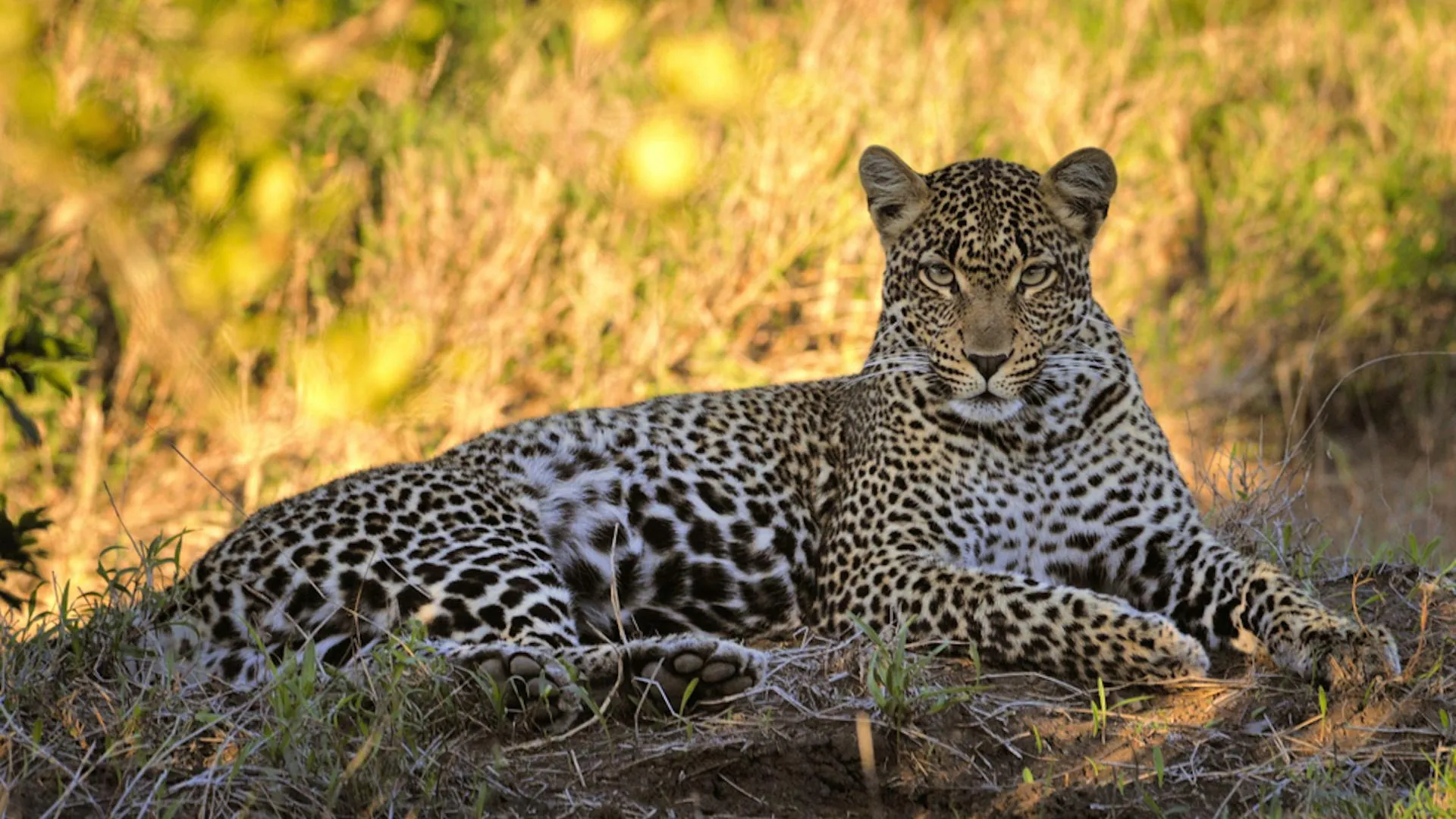
Leopards (Panthera pardus) are among the most adaptable and widespread large carnivores globally, their range spanning across Africa and parts of Asia. While eight subspecies are currently recognized, the African leopard (Panthera pardus pardus) itself exhibits considerable phenotypic plasticity. Generally, leopards inhabiting open savannas tend to be larger and paler, an adaptation that may aid in camouflage against dry vegetation and potentially in thermoregulation. Conversely, leopards found in dense forest environments are often smaller and darker, a coloration that likely provides better concealment in dappled light and undergrowth.
However, the leopards inhabiting South Africa’s Cape Floristic Region, a UNESCO World Heritage site renowned for its unparalleled botanical diversity and endemic flora, present an intriguing anomaly. These leopards are notably smaller in body mass compared to their counterparts across the African continent, a characteristic that has long puzzled researchers and conservationists. For decades, a persistent debate has surrounded whether these smaller leopards represent a truly distinct genetic population, and what evolutionary pressures might be responsible for their unique characteristics.
Previous genetic studies, often relying on a limited number of genetic markers—specific segments of DNA prone to mutation and thus useful for tracking broad population movements—provided only partial answers. While these methods could identify large-scale genetic patterns, they often lacked the resolution to capture the finer genetic details crucial for understanding the nuanced processes of local adaptation and population divergence.
To address this knowledge gap, the research team embarked on an ambitious project to analyze the complete genomic makeup of these Cape leopards. This involved sequencing the entire genome, a vast undertaking that encompasses approximately 2.57 billion base pairs and around 19,000 genes per individual. By meticulously collecting muscle or skin tissue samples from leopards within the Cape Floristic Region and comparing their full genomes with those of leopards from other parts of Africa, the researchers gained unprecedented insights into their evolutionary trajectory.
The findings were clear and significant: leopards in the Cape are genetically distinct from other African leopards. This genetic divergence is attributed to a prolonged period of isolation from continental leopard populations, coupled with significant local adaptation. This revelation carries substantial implications for the conservation strategies required to protect this unique evolutionary lineage.
A Timeline of Isolation and Adaptation: The Last Glacial Maximum’s Legacy
The research suggests that the genetic divergence of the Cape leopards began approximately 20,000 to 24,000 years ago, coinciding with the Last Glacial Maximum, the coldest and driest phase of the last ice age. During this period, southern Africa experienced a dramatic climatic shift, characterized by reduced rainfall, a contraction of grasslands, and a subsequent scarcity of prey. These environmental pressures likely acted as formidable barriers to movement, fragmenting leopard populations and isolating groups in refugia, such as the Cape Fold Belt mountain chain.
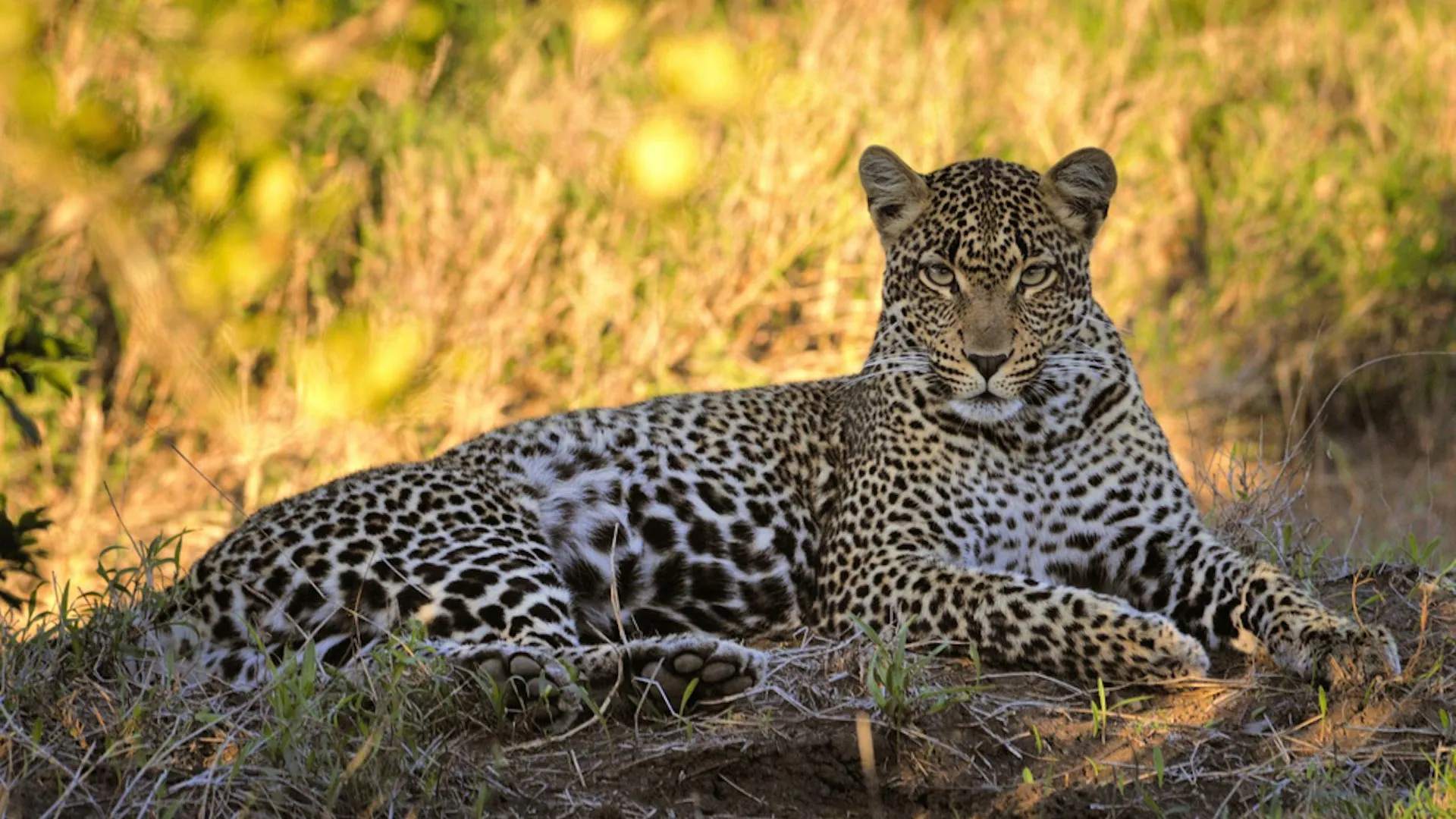
The Cape Fold Belt, a geologically ancient and diverse mountain range, has served as a critical sanctuary for these leopards. Analysis of the genomic data, which effectively reconstructs the shared evolutionary history written within the DNA, indicates that leopard movement beyond the northern and eastern edges of this mountain chain appears to have been severely restricted. The arid semi-desert to the north and the substantial human activity prevalent in much of the Eastern Cape have likely created insurmountable barriers, preventing gene flow with other leopard populations.
Compounding the effects of geographical isolation, the Cape leopard population has also faced significant human-induced pressures. Historical records reveal a dramatic decline in leopard numbers during the 18th and 19th centuries. This decline was largely driven by widespread human persecution, including hunting, habitat loss, and the implementation of bounty systems that incentivized the killing of leopards by farmers concerned about livestock predation. The bounty system was finally abolished in 1968, marking a turning point that allowed leopard populations to begin a slow recovery, bolstered by growing conservation efforts.
Given their prolonged isolation and the historical pressures of human persecution, researchers initially anticipated that the Cape leopards might exhibit significantly reduced genetic diversity—a condition known as genetic depletion. Low genetic diversity can impair a population’s ability to adapt to emerging threats such as climate change, novel diseases, and increasing human encroachment. However, the study yielded a surprisingly positive outcome: the genetic diversity of the Cape leopards, while slightly lower than some other African populations, remains robust enough to support their long-term survival and adaptability. This finding underscores the resilience of this unique lineage.
Genomic Clues to Adaptation: The Smaller, Faster Leopard
Beyond their genetic uniqueness and historical trajectory, the research delved into the specific genomic underpinnings of the Cape leopards’ smaller size. By examining the entire genome, the team identified approximately 90 genes that showed a higher prevalence in these leopards. These genes are functionally linked to a range of traits, including body size regulation, muscle development, bone structure, and energy metabolism.
These genetic signatures provide a compelling explanation for the leopards’ diminished stature. The Cape Floristic Region is characterized by a prey base that is significantly smaller and more dispersed than in other typical leopard habitats. The primary prey species for these leopards include rock hyrax (Procavia capensis), klipspringer (Oreotragus oreotragus), and Cape grysbok (Raphicerus melanotis)—animals that are considerably smaller than the ungulates commonly found in savanna ecosystems.
The genomic data strongly suggests that the smaller body size of Cape leopards is not merely a consequence of isolation or random genetic drift but rather a direct result of local adaptation. Natural selection has likely favored individuals with metabolic efficiencies and hunting strategies optimized for smaller, more elusive prey, leading to the evolution of a physically smaller, yet highly effective, predator. This adaptive strategy allows them to thrive in an environment where larger prey are scarce.
Broader Implications for Conservation and Evolutionary Significance
The findings of this study carry profound implications for the conservation of leopards in the Cape Floristic Region. Populations that demonstrate genetic distinctiveness and local adaptation are increasingly recognized as "evolutionarily significant units" (ESUs). This designation signifies that they represent a unique and irreplaceable branch of a species’ evolutionary history, warranting specific and tailored conservation interventions.
The landscape of the Cape Floristic Region presents a unique set of challenges for leopard conservation. Unlike many other parts of southern Africa, large, fenced reserves are relatively scarce. Cape leopards often traverse agricultural lands and peri-urban interfaces, increasing the likelihood of human-wildlife conflict. The inherent dangers of poaching and road mortalities further exacerbate the threats to their survival.
Effective conservation strategies must therefore focus on maintaining habitat connectivity, ensuring that leopards can move freely and safely across their range without encountering insurmountable barriers or persecution. Collaborative efforts involving landowners, local communities, and conservation organizations are paramount to fostering coexistence and mitigating conflict. Protecting these leopards is not only about preserving an iconic predator but also about safeguarding a unique evolutionary legacy that has been shaped over millennia by one of Africa’s most distinctive and biodiverse landscapes. The genetic resilience observed in this isolated population offers a beacon of hope, demonstrating the remarkable capacity of species to adapt and persist even in the face of significant environmental and anthropogenic challenges.