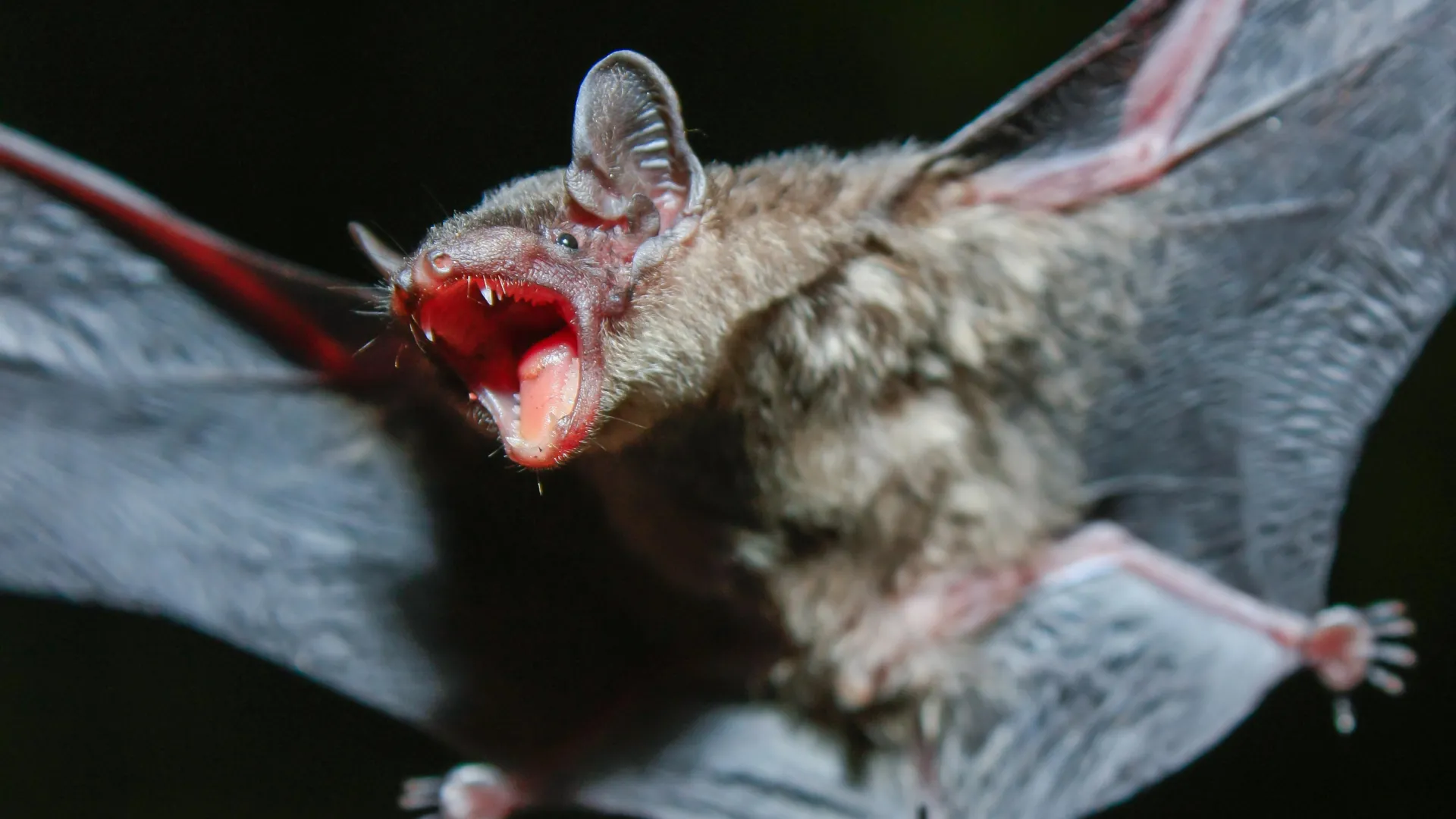
The emergence of novel infectious diseases, often characterized by the jump of pathogens from animal populations to humans, has become a defining challenge of the 21st century. The COVID-19 pandemic, caused by the SARS-CoV-2 virus, serves as a stark reminder of this recurring phenomenon. While the precise origins of SARS-CoV-2 are still a subject of ongoing scientific inquiry, many researchers strongly suspect it originated from an animal reservoir, with bats being a prime candidate due to the close genetic relationship between SARS-CoV-2 and coronaviruses found in these nocturnal mammals. Now, a groundbreaking study by an international consortium of scientists is shedding new light on the intricate molecular mechanisms that could govern this critical step in viral evolution – the adaptation of animal viruses to infect and cause significant illness in humans.
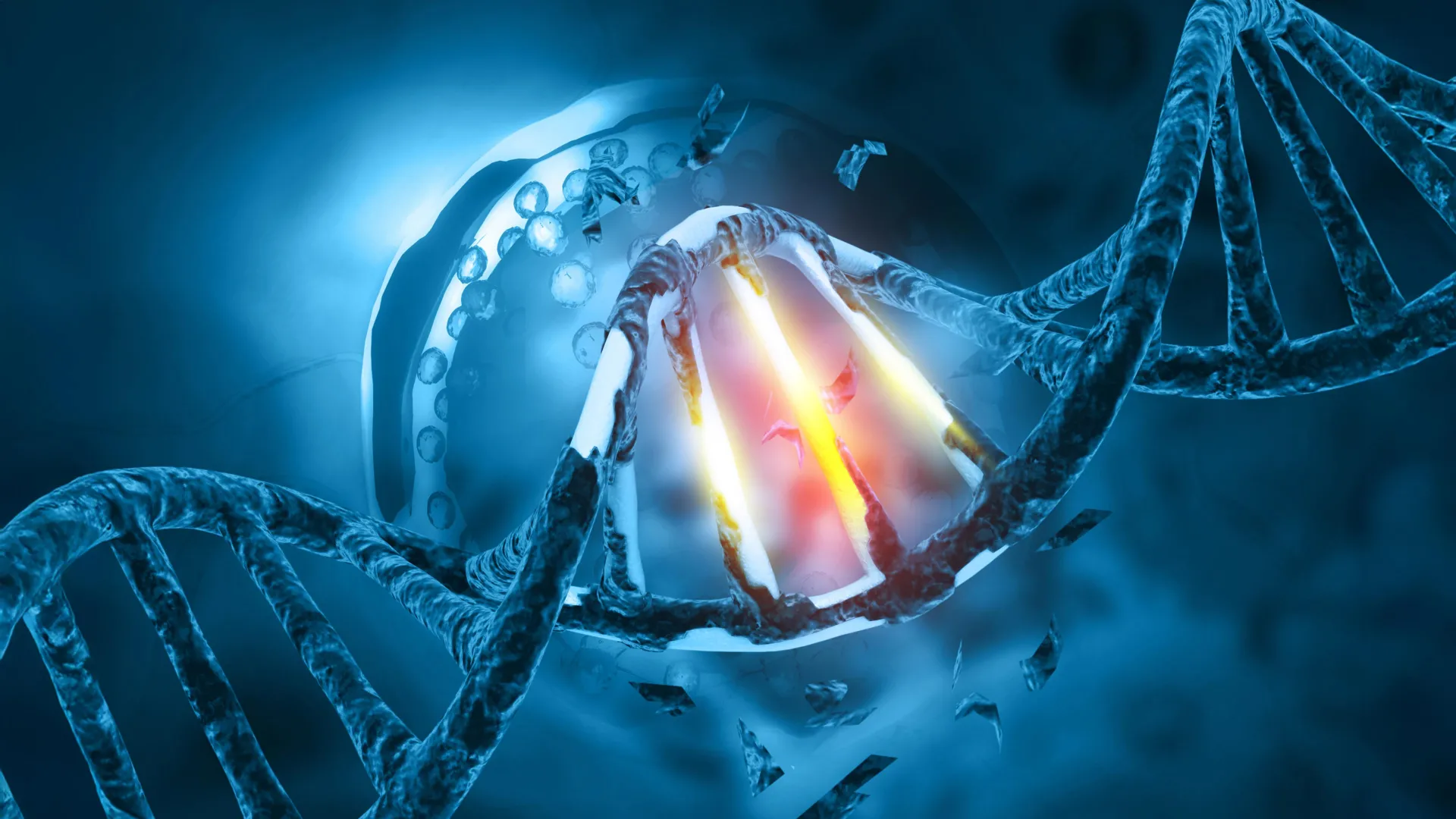
The research, a collaborative effort involving the UCSF Quantitative Biosciences Institute (QBI), the Icahn School of Medicine at Mount Sinai, the Institut Pasteur, and the Fred Hutchinson Cancer Center, has identified a remarkably subtle genetic difference within a coronavirus protein that appears to play a pivotal role in determining a virus’s ability to adapt to a new host species, particularly humans. Published in the esteemed journal Cell Host & Microbe, their findings reveal that a seemingly insignificant alteration of a single amino acid in a specific coronavirus protein can profoundly alter how the virus interacts with the immune systems of both its original animal host and humans. This leads to dramatically different outcomes of infection, with significant implications for pandemic preparedness.
The Genesis of a Pandemic: From Animals to Humans
The history of human health is punctuated by instances where animal-borne diseases have crossed the species barrier, leading to devastating epidemics and pandemics. From the influenza viruses that have repeatedly swept across the globe to the emergence of HIV from primate populations and the more recent Nipah and Ebola outbreaks, the zoonotic transmission of pathogens remains a persistent threat. The scientific community has long sought to understand the underlying factors that facilitate these spillover events. Is it a random occurrence, or are there specific molecular vulnerabilities that allow certain viruses to make the leap?
The COVID-19 pandemic brought this question into sharp focus. The SARS-CoV-2 virus, responsible for millions of deaths worldwide, shares significant genetic similarities with coronaviruses found in bats, particularly a virus known as RaTG13. This genetic kinship has fueled extensive research into the evolutionary pathways that could have led to the emergence of SARS-CoV-2 in humans. Understanding these pathways is not merely an academic exercise; it is crucial for developing predictive models and early warning systems to prevent future global health crises.
Unraveling the Molecular Switch: A Single Amino Acid’s Impact
To investigate the molecular underpinnings of viral host adaptation, the research team meticulously compared SARS-CoV-2 with RaTG13, the bat coronavirus that closely resembles it. The goal was to pinpoint specific differences in how these viruses interact with host cells and, crucially, with the host immune system. This comparative analysis is akin to examining the blueprints of two similar machines to find the one subtle design flaw that allows one to perform a fundamentally different function.
A key element of their investigation involved studying the viruses’ interactions with immune proteins within both human and bat lung cells. The scientific endeavor was significantly advanced by the creation of the first laboratory-grown lung cell line derived from the greater horseshoe bat, a species known to harbor coronaviruses. This provided researchers with a unique and direct way to study viral behavior within the natural host’s cellular environment.
During their detailed examination, one viral protein, designated as OrfB9, emerged as a focal point of interest. While the OrfB9 proteins from SARS-CoV-2 and RaTG13 are remarkably similar – differing by a mere single amino acid out of approximately 100 amino acids in total – this minute variation proved to be a critical determinant of their infectivity and interaction with host defenses.
Differential Immune Responses: A Tale of Two Cells
The striking revelation of the study was how this single amino acid difference elicited vastly different responses in human and bat lung cells. In human lung cells, the SARS-CoV-2 version of the OrfB9 protein was found to actively suppress a crucial immune signaling pathway. This suppression effectively disarmed the human immune system’s initial alarm system, allowing the SARS-CoV-2 virus to replicate unchecked and establish a more virulent infection.
Conversely, when the RaTG13 version of the OrfB9 protein was introduced into bat lung cells, it triggered a different outcome. Instead of suppressing the immune response, it appeared to activate a specific immune protein that acted as a natural brake, helping to contain the virus and limit its replication within the bat host. This suggests a delicate evolutionary balance: the virus has evolved to evade the bat’s immune system while simultaneously being able to exploit a different aspect of the human immune system for its own propagation.
These findings underscore a fundamental principle in virology and evolutionary biology: even the smallest genetic mutations can have profound physiological consequences, dictating whether a virus remains confined to its natural animal reservoir or acquires the adaptive machinery to thrive within a new host species.
"The difference between a virus that stays in bats and one that spills over into humans and causes catastrophic disease can come down to remarkably small genetic changes," stated Nevan J. Krogan, PhD, director of QBI and senior author of the study. His insights highlight the potential for precise molecular understanding to translate into actionable strategies. "By mapping these interactions at the protein level — across two viruses and two species — we can read the molecular signatures that predict spillover risk. It’s the kind of early warning system the world needs."
Implications for Future Pandemic Preparedness: An Early Warning System
The implications of this research extend far beyond the specific case of SARS-CoV-2. By pinpointing the role of specific protein interactions in facilitating zoonotic spillover, scientists are moving closer to developing robust tools for identifying viruses with pandemic potential before they can cause widespread outbreaks. This involves a shift from a reactive approach, responding to pandemics after they have begun, to a proactive strategy of surveillance and risk assessment.
The study’s methodology, which involves detailed mapping of protein-protein interactions across different species, could be applied to a wide range of animal viruses known to circulate in wildlife. By analyzing the genetic makeup and functional protein interactions of viruses found in bats, birds, rodents, and other potential reservoirs, researchers could identify molecular markers associated with increased risk of human infection. This could involve looking for specific amino acid sequences in key viral proteins that are known to interact with human cellular machinery or evade human immune responses.
Furthermore, the development of the greater horseshoe bat lung cell line represents a significant advancement in itself. Such specialized cell lines, tailored to specific animal species, are invaluable for studying viral pathogenesis and host-pathogen interactions in a more naturalistic setting. This allows for more accurate predictions of how viruses might behave in their native environments and how they might adapt to different hosts.
A Timeline of Discovery and Ongoing Research
The path to these groundbreaking findings has been a long and complex one, built upon decades of research in virology, immunology, and genomics. The identification of SARS-CoV-2 in late 2019 and its subsequent global spread marked a critical juncture, accelerating research efforts worldwide.
- Late 2019 – Early 2020: Emergence of a novel coronavirus causing respiratory illness, later identified as SARS-CoV-2. Initial hypotheses point to an animal origin.
- Early 2020: Rapid sequencing of the SARS-CoV-2 genome reveals its close relationship to bat coronaviruses, particularly RaTG13.
- Throughout 2020-2022: Extensive research focuses on understanding viral entry mechanisms, replication, and host immune responses. Development of specialized cell culture models, including those derived from animal species.
- 2023-2024: The UCSF QBI-led research team, in collaboration with international partners, publishes findings detailing the crucial role of a single amino acid difference in the OrfB9 protein of SARS-CoV-2 and RaTG13. This work builds on earlier discoveries about the importance of viral protein interactions with host cellular machinery, such as the role of the spike protein in viral entry.
The current study is part of a broader scientific endeavor to build a comprehensive understanding of viral evolution and zoonotic transmission. The techniques employed, such as proteomic analysis and protein interaction mapping, are at the forefront of biological research, enabling scientists to dissect complex molecular pathways with unprecedented detail.
Official Responses and Global Health Strategies
The implications of this research are not lost on global health organizations and policymakers. The World Health Organization (WHO) and national health agencies have long advocated for enhanced surveillance of zoonotic diseases and for strengthening the capacity of countries to detect and respond to emerging infectious threats. This study provides crucial scientific backing for these initiatives, offering concrete molecular targets for monitoring and risk assessment.
Dr. Maria Van Kerkhove, the WHO’s COVID-19 technical lead, has consistently emphasized the importance of understanding the animal origins of SARS-CoV-2 and other emerging viruses. While she has not commented directly on this specific study, her public statements underscore the WHO’s commitment to One Health approaches, recognizing the interconnectedness of human, animal, and environmental health. The findings from the UCSF-led team directly support this holistic perspective by demonstrating how subtle molecular changes can bridge the gap between animal and human health.
The scientific community’s collective response to this study has been one of considerable interest and optimism. Leading virologists have lauded the elegant experimental design and the significant implications of the findings. Dr. Anthony Fauci, former Director of the U.S. National Institute of Allergy and Infectious Diseases, has frequently spoken about the need for robust biosurveillance and research into potential pandemic threats. While his direct commentary on this specific paper is not available, the research aligns perfectly with his long-standing advocacy for investing in scientific understanding to prevent future pandemics.
Broader Impact and the Road Ahead
The study’s success in identifying a single amino acid as a critical determinant of host adaptation offers a powerful paradigm for understanding other zoonotic diseases. The principle that small genetic changes can unlock new biological possibilities is a recurring theme in evolution. Applying this understanding to a broad spectrum of viruses circulating in animal populations could revolutionize our ability to predict and prevent future pandemics.
However, the path forward is not without its challenges. The sheer diversity of viruses and animal hosts presents a formidable task for comprehensive surveillance. Moreover, translating these molecular insights into practical, real-world early warning systems will require significant investment in research infrastructure, international collaboration, and data sharing.
This research also raises important ethical considerations. As scientists gain a deeper understanding of viral adaptation, they may be able to develop more targeted interventions, such as antiviral therapies or vaccines, that could be deployed rapidly in the event of a potential spillover. However, the responsible development and deployment of such technologies will be paramount.
In conclusion, the discovery of a single amino acid difference influencing viral host adaptation represents a significant leap forward in our quest to understand and mitigate the threat of pandemics. It underscores the power of fundamental scientific research to provide critical insights into complex biological phenomena and offers a beacon of hope for a more prepared and resilient global health future. The ongoing collaboration between researchers, public health officials, and international organizations will be essential in translating these scientific breakthroughs into effective strategies for safeguarding human health from the ever-present threat of emerging infectious diseases.