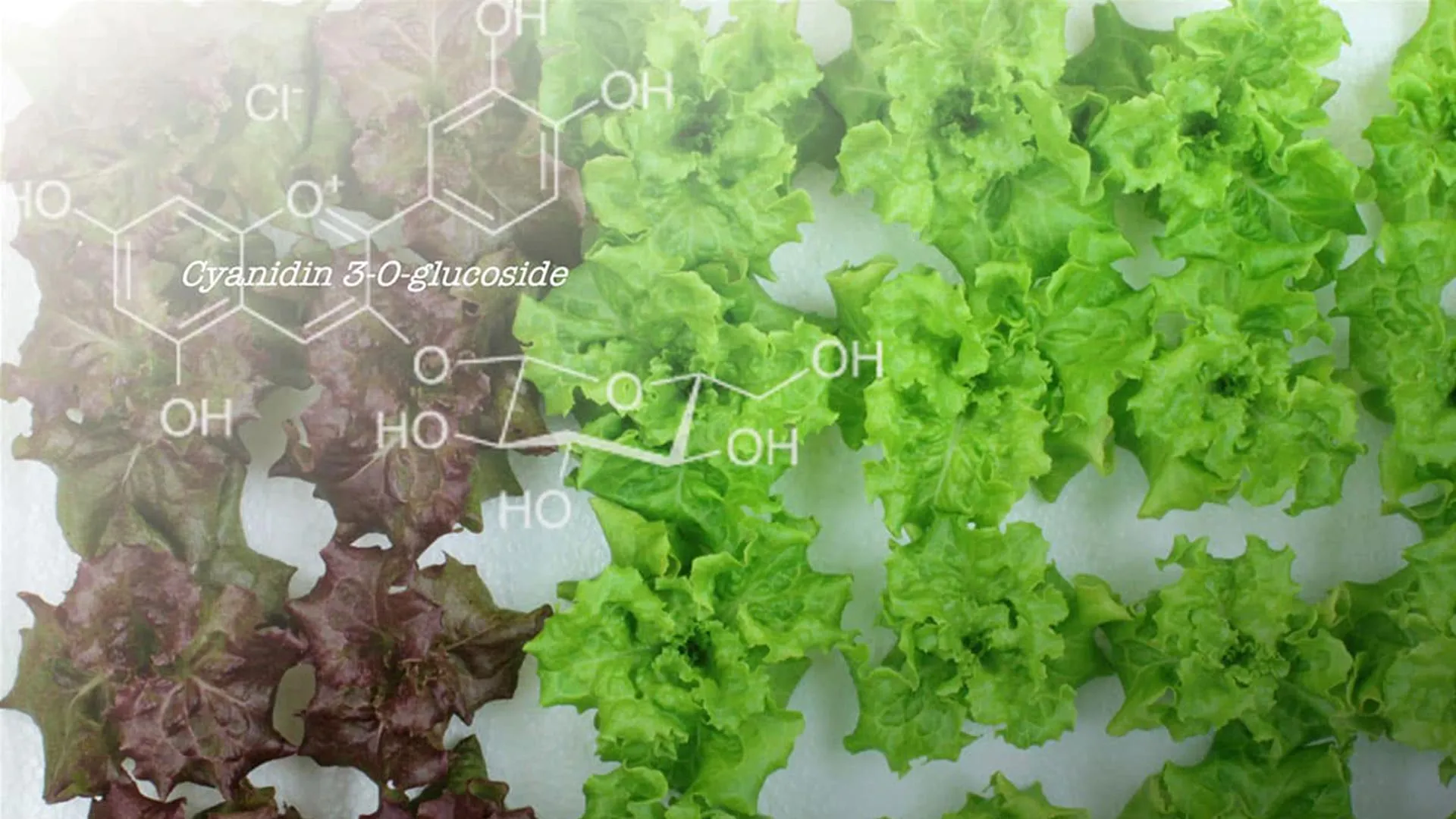
The vibrant hue of red leaf lettuce is a visual testament to the intricate biochemical processes occurring within its leaves, driven by a fascinating class of compounds known as anthocyanins. These polyphenol pigments, celebrated for their potent antioxidant properties, are the architects of the lettuce’s signature crimson and ruby tones. Their production within the plant is a carefully orchestrated cascade of enzyme-driven reactions, commencing with the fundamental amino acid phenylalanine. Along this complex metabolic highway, a diverse array of flavonoids emerges – a broad spectrum of plant compounds with multifarious functions, some of which are ultimately transformed into the sought-after anthocyanins. A groundbreaking study has now employed advanced genome editing techniques to illuminate this pathway, offering profound insights into the regulation of flavonoid synthesis and paving the way for the development of novel, functionally enhanced lettuce varieties.
The Precision of Gene Editing: Targeting a Key Enzyme in Anthocyanin Synthesis
At the heart of this scientific advancement lies a meticulous investigation into the flavonoid biosynthesis pathway, specifically targeting a critical juncture just prior to anthocyanin formation in red lettuce. Researchers, in a recent study, strategically utilized genome editing to deactivate the gene responsible for encoding dihydroflavonol 4-reductase (DFR). This enzyme plays a pivotal role in the biochemical sequence that leads to the creation of anthocyanins. By precisely switching off the DFR gene, the scientists effectively halted the plant’s ability to produce its characteristic red pigmentation. The visual outcome was immediate and striking: the modified lettuce plants lost their ruby splendor, reverting to a more subdued, green hue.
This targeted genetic intervention provided a powerful tool to dissect the intricate metabolic flow within the lettuce. The absence of DFR did not simply result in the loss of red color; it triggered a discernible shift in the plant’s internal chemistry. Subsequent detailed analysis of the modified lettuce revealed a significant and noteworthy alteration in its flavonoid profile. Levels of several other flavonoid compounds experienced a notable increase, with quercetin standing out as a particularly prominent example. This observation strongly suggests that by obstructing the primary route to anthocyanin production, the plant’s metabolic machinery was effectively rerouted. This redirection channeled the biochemical resources and precursor molecules towards the accumulation of these alternative, related compounds within the broader flavonoid biosynthesis pathway.
Unveiling the Flavonoid Family: Beyond Anthocyanins
The findings from this study underscore the interconnectedness of the flavonoid biosynthesis pathway. Anthocyanins represent just one branch of this complex network, and the research demonstrates that manipulating one part of the pathway can have cascading effects on others. Flavonoids, as a group, are a diverse and essential class of secondary metabolites found in virtually all plants. They are known to perform a wide range of functions, including providing pigmentation, acting as UV filters, attracting pollinators, and offering protection against pathogens and herbivores. Their antioxidant capabilities, particularly in anthocyanins, have been a major focus of scientific and consumer interest, linking them to potential health benefits such as reducing oxidative stress and inflammation.
Quercetin, which showed increased levels in the genetically modified lettuce, is another well-studied flavonoid. It is found in numerous fruits, vegetables, and grains and is recognized for its own significant antioxidant and anti-inflammatory properties. The increased concentration of quercetin and other related flavonoids in the lettuce, in the absence of anthocyanins, presents an intriguing avenue for exploring alternative functional benefits. This shift suggests that while the visual appeal of red lettuce is tied to anthocyanins, the plant’s genetic machinery can be directed to enhance the production of other beneficial flavonoid compounds.
No Compromise on Growth: A Key Finding for Agricultural Applications
A critical and highly encouraging outcome of this research is the observation that despite the profound changes in pigment and flavonoid composition, the genetically modified lettuce plants exhibited no significant impairment in their growth and development. This is a crucial piece of data for any potential agricultural application. The ability to alter the biochemical makeup of a crop without negatively impacting its yield or vigor is a cornerstone of successful crop improvement strategies.
The study’s conclusion that blocking anthocyanin production can redirect metabolic activity towards the accumulation of precursor compounds, such as quercetin, while maintaining normal growth, is particularly noteworthy. This suggests a promising strategy for developing lettuce varieties with precisely tailored functional components. Instead of solely focusing on the visual appeal of red pigmentation, breeders could potentially leverage this understanding to enhance the levels of specific health-promoting flavonoids, creating "super-functional" lettuce with elevated antioxidant capacity or other desired attributes.
The Road Ahead: Customizing Functional Components and Optimizing Cultivation
While the researchers have yet to conduct direct comparative studies between these modified plants and conventional green lettuce varieties, the existing knowledge about red lettuce provides a valuable baseline. Red lettuce is already recognized for its generally high polyphenol production, making it a prime candidate for further enhancement. This genome editing strategy offers a sophisticated method to customize the functional components of lettuce, moving beyond mere visual appeal to targeted nutritional and health benefits.
Furthermore, the study’s acknowledgment of the environmental sensitivity of flavonoid production adds another layer of insight, particularly in the context of modern agricultural practices. Flavonoid synthesis is known to be influenced by external factors such as light intensity and temperature. This is where controlled environment agriculture (CEA) systems, such as indoor vertical farms, come into play. These sophisticated cultivation environments allow for the precise regulation of environmental parameters. The findings from this research could therefore have a significant impact on the development of specialized lettuce varieties optimized for these indoor cultivation systems. By fine-tuning environmental conditions in conjunction with genetic modifications, growers could potentially maximize the production of desired flavonoids, leading to a more efficient and targeted approach to producing nutrient-rich produce.
The implications of this research extend beyond simply understanding how plants produce color. It delves into the fundamental mechanisms of metabolic regulation and offers a blueprint for the future of crop breeding. The ability to precisely manipulate these pathways opens up possibilities for developing a new generation of leafy greens with enhanced nutritional profiles, tailored to meet specific consumer demands and contribute to healthier diets.
Funding and Future Directions
The research driving these discoveries was made possible through crucial funding from the Program on Open Innovation Platform with Enterprises, Research Institute and Academia, a Japan Science and Technology Agency (JSTOPERA) initiative, with the grant number JPMJOP1851. This support highlights the commitment to fostering collaborative research that bridges academic inquiry with practical applications.
Looking forward, the research team’s focus will likely involve further elucidating the full spectrum of flavonoid changes resulting from DFR gene editing. Understanding the precise levels and potential synergistic effects of all altered flavonoids will be crucial. Moreover, conducting comparative studies with existing red and green lettuce varieties will provide valuable data on the nutritional and health benefits of the modified plants. The potential to translate these findings into commercially viable lettuce varieties, optimized for both traditional and controlled environment agriculture, represents a significant step forward in harnessing the power of plant science for improved nutrition and sustainable food production. The journey from understanding the vibrant red of a lettuce leaf to engineering plants with enhanced health-promoting compounds is a testament to the ongoing revolution in plant biotechnology.