The intricate genetic blueprints of many of the world’s most crucial food sources, including staple grains and beloved fruits, are far from simple. These crops often boast extraordinarily complex genomes, a direct result of ancient and repeated instances of whole-genome duplication and hybridization. This phenomenon, known as polyploidy, means these genomes contain multiple sets of chromosomes, each inherited from different ancestral species. Deciphering the precise evolutionary journey that assembled these multifaceted genetic architectures has long been a formidable scientific challenge, particularly when the original ancestor species have vanished from the evolutionary record or their identities remain elusive.
A Novel Bioinformatic Framework Illuminates Ancient Hybridization Events
A groundbreaking study, published in the prestigious journal Horticulture Research, introduces a novel genome-wide methodology designed to untangle these complex genetic histories. This innovative approach leverages the evolutionary signatures left behind by long terminal repeat retrotransposons (LTR-RTs), a type of mobile DNA sequence that, while often considered "junk DNA," acts as a remarkable historical archive. By meticulously comparing patterns of similarity among these LTR-RTs scattered across chromosomes, researchers can now effectively identify distinct subgenomes and accurately estimate the timing of major genome-merging events.
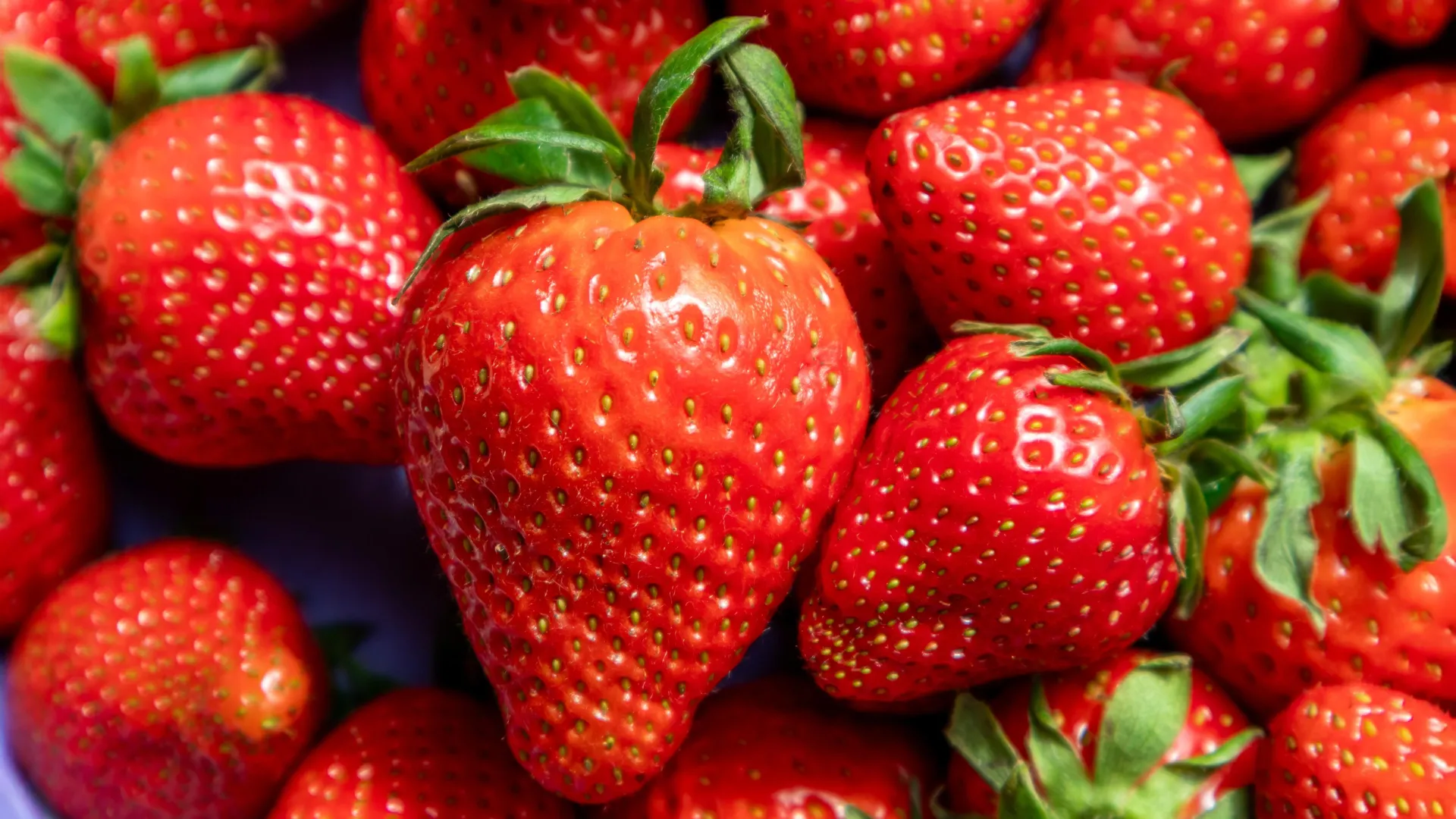
The power of this new technique was vividly demonstrated when applied to the cultivated octoploid strawberry (Fragaria × ananassa). The study revealed a detailed, step-by-step evolutionary trajectory for the strawberry, characterized by multiple rounds of allopolyploidization—a process where genomes from different species hybridize and then duplicate their chromosomes. This revelation offers unprecedented insight into the mechanisms by which complex plant genomes form and diversify over millions of years, a critical area of study for understanding agricultural productivity and resilience.
The Enigma of Polyploid Genomes: Why They Defy Easy Interpretation
Whole-genome duplication has been a driving force in plant evolution, a natural engine of innovation that has facilitated adaptation to diverse environments and led to the emergence of numerous crop species that feed the planet. In the case of allopolyploid plants, such as the strawberry, distinct sets of chromosomes originate from different ancestral genomes. These chromosome groups, termed subgenomes, do not merely coexist; they continue to evolve and interact in complex ways long after the initial hybridization events that brought them together.
The accurate identification of these subgenomes is paramount for understanding a species’ evolutionary past, its genetic diversity, and its potential for improvement. Traditional methods for this identification have largely relied on comparing the polyploid genome in question with the genomes of known diploid (possessing two sets of chromosomes) ancestors. However, this approach is severely hampered by a significant limitation: many of the ancestral species involved in polyploidization events are either long extinct or have simply not yet been discovered and characterized. This leaves a substantial gap in our understanding, forcing scientists to make educated guesses or rely on incomplete datasets.
Transposable Elements: Ancient Witnesses to Genomic Evolution
Transposable elements, often referred to as "jumping genes," offer an alternative and powerful source of information for reconstructing genomic history. Long terminal repeat retrotransposons, a specific class of these mobile elements, accumulate in characteristic patterns within particular evolutionary lineages. These patterns act as molecular fossils, preserving undeniable evidence of past genetic events. While scientists have long recognized the potential of LTR-RTs for this purpose, the development of reliable methods to translate these complex patterns into accurate subgenome assignments has remained a significant hurdle. The absence of such robust tools has necessitated the development of new approaches that can reconstruct polyploid genome evolution without being tethered to the availability of known progenitor species.
A New Computational Tool for Reconstructing Evolutionary Timelines
Researchers from the U.S. Department of Agriculture (USDA) and their collaborating institutions have now provided such a tool. Their work, meticulously detailed in Horticulture Research, describes a sophisticated bioinformatic framework capable of reconstructing the evolutionary history of even the most complex polyploid genomes. This framework represents a significant leap forward in our ability to understand the deep past of plant genetics.
The Strawberry’s Evolutionary Narrative: A Case Study in Genomic Assembly
To rigorously test and demonstrate the capabilities of their new method, the research team turned their attention to the cultivated octoploid strawberry (Fragaria × ananassa). This fruit, a global favorite, possesses a genome with eight sets of chromosomes, making its evolutionary history particularly challenging to unravel.
Using a novel "serial similarity matrix" constructed from the patterns of LTR-RTs, the researchers were able to clarify the intricate structure of the strawberry’s subgenomes. More importantly, their analysis uncovered evidence of multiple ancient genome-merging events that played a pivotal role in shaping the modern strawberry species. These findings are crucial for resolving long-standing scientific debates about the evolutionary origins of this economically vital crop.
The developed framework conceptualizes genome evolution across three broad chronological stages: the period before ancestral species diverged, the separate evolutionary paths these species took independently, and the critical phase after their genomes merged. LTR-RTs that expanded or became active during the period of divergence carry distinct molecular signatures, unique to each ancestral subgenome. By calculating similarity matrices for these elements across entire chromosomes and examining how they cluster at various similarity thresholds, the researchers generated their innovative "serial similarity matrix." This sophisticated approach effectively captures evolutionary signals that accumulated over different spans of time, providing a nuanced view of genomic history.
Rigorous Testing Across Diverse Polyploid Systems
Before applying their method to the strawberry, the team validated its efficacy in other well-studied allopolyploid crops. These included teff (Eragrostis tef), an ancient grain with significant nutritional value, and cotton (Gossypium species), a globally important fiber and oil crop. In both these instances, the new method successfully distinguished known subgenomes and accurately separated evolutionary events that occurred both before and after the polyploidization events. This successful application in established systems provided strong confidence in the method’s reliability.
Furthermore, the researchers subjected their approach to the scrutiny of artificially constructed polyploid genomes. These controlled experiments confirmed that the method is highly sensitive to both the divergence times of ancestral species and the relative abundance of transposable elements within the genome. This dual sensitivity ensures that the framework can account for a wide range of evolutionary scenarios.
Unveiling the Strawberry’s Complex Ancestry
When the newly developed framework was applied to the octoploid strawberry, it yielded remarkable results. The analysis identified four distinct subgenomes within the strawberry’s genetic makeup. Crucially, it uncovered compelling evidence for three sequential allopolyploidization events that shaped the species. These major hybridization and duplication events are estimated to have occurred at distinct periods in the past: approximately 3.1 to 4.2 million years ago, followed by another event between 1.9 and 3.1 million years ago, and a more recent one between 0.8 and 1.9 million years ago.
The findings provide strong support for close evolutionary relationships between two of the strawberry’s subgenomes and the diploid species Fragaria vesca (the woodland strawberry) and Fragaria iinumae. However, the results also challenge some previous scientific models that had proposed the involvement of additional diploid progenitor species in the strawberry’s ancestry. This highlights the ongoing refinement of our understanding as new technologies emerge.
According to the detailed analysis, some of the original contributors to the strawberry’s complex genome may indeed be extinct or remain undiscovered and unsampled in the wild. This underscores the inherent complexity of polyploid genome evolution and the limitations of relying solely on extant species for comparative analysis.
"This work unequivocally demonstrates how transposable elements can function as evolutionary time stamps embedded within plant genomes," stated one of the study’s senior authors. "By focusing on the temporal and spatial patterns of these elements’ expansion, we can reconstruct complex genome histories even when direct ancestral references are absent. This method offers a powerful new lens for scrutinizing the evolution of polyploid crops, moving beyond a reliance on incomplete or potentially misleading progenitor data. It establishes a more objective and reproducible framework for the field of evolutionary genomics."
Far-Reaching Implications for Crop Improvement and Biodiversity Research
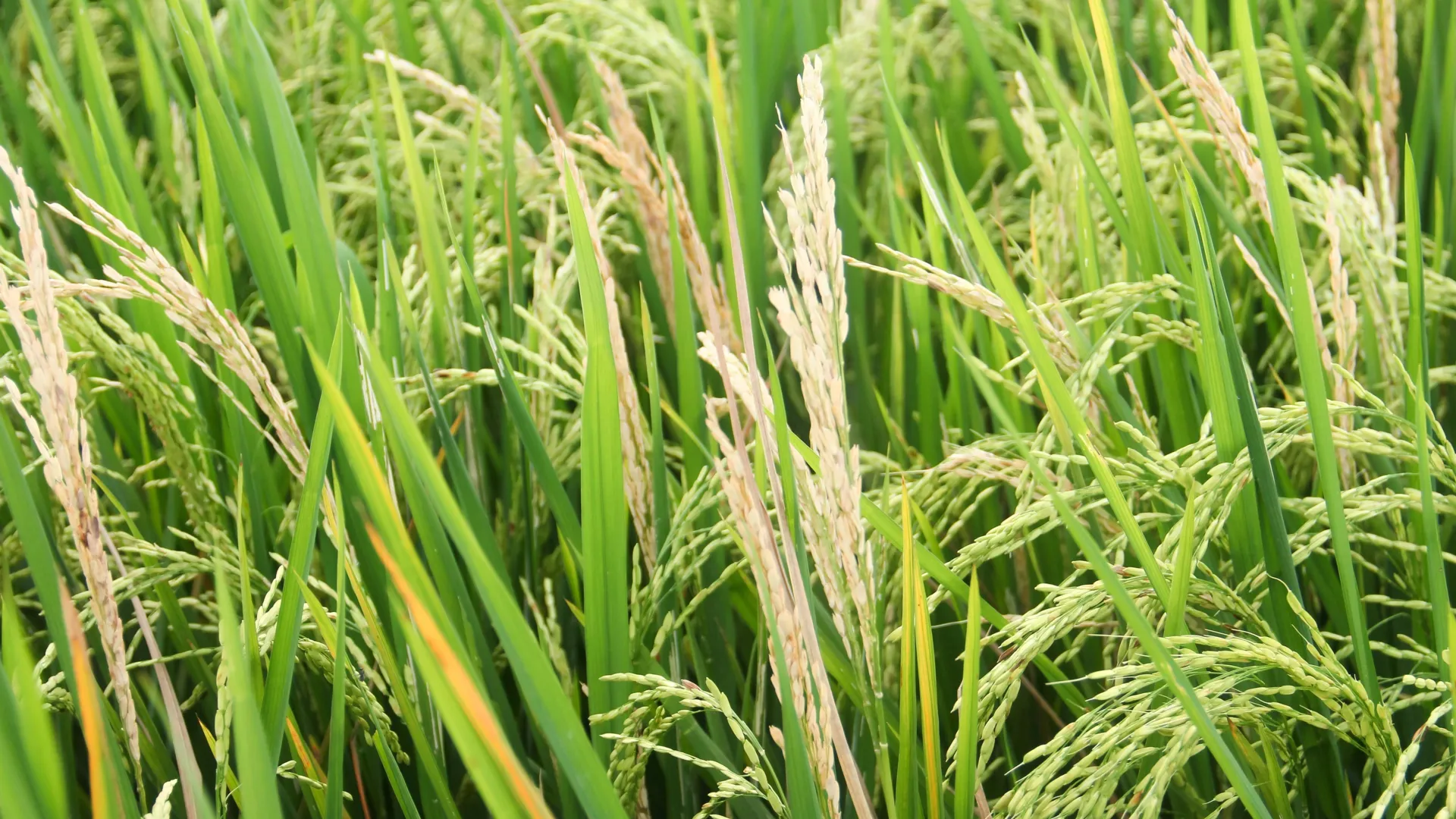
The potential applications of this new bioinformatic framework extend far beyond the cultivated strawberry. A vast number of economically significant crops worldwide are polyploids, exhibiting similarly intricate evolutionary histories. These include staple grains like wheat (Triticum spp.) and rice (Oryza spp.), as well as other vital crops such as cotton, sugarcane (Saccharum spp.), and numerous fruits and vegetables.
A more accurate and comprehensive identification of subgenomes within these polyploid crops holds immense promise for several critical areas of agricultural research. It could significantly improve the accuracy of gene annotation, which is the process of identifying genes and their functions within a genome. This, in turn, would enhance trait mapping – the process of linking specific genetic variations to observable characteristics, such as yield, disease resistance, or nutritional content. Furthermore, it would bolster comparative genomic studies, allowing for more meaningful comparisons between different species and varieties. These advancements are expected to directly support precision breeding efforts, enabling scientists and breeders to develop crops with desirable traits more efficiently and accelerate the overall process of crop improvement.
By making it possible to reconstruct genome evolution without the absolute necessity of identifying known ancestors, the serial similarity matrix approach provides a valuable new tool for a wide range of biological investigations. It can be instrumental in studying biodiversity, understanding the mechanisms of speciation – the evolutionary process by which new biological species arise – and deciphering the genetic basis of adaptation to environmental changes. The framework’s potential utility may also extend to investigating other complex polyploid organisms beyond plants, thereby forging stronger connections between fundamental evolutionary biology and applied agricultural research. This integration is crucial for addressing global challenges related to food security and sustainable agriculture in the face of a changing climate.
This pioneering research was made possible through the generous support of the National Institute of Food and Agriculture (NIFA) through the Specialty Crop Research Initiative (SCRI) Grant 2022-51181-38241, awarded to Q.Y., underscoring the significant investment in advancing our understanding of crop genetics. The implications of this work are substantial, promising to unlock new avenues for understanding and improving the crops that form the bedrock of global food systems.