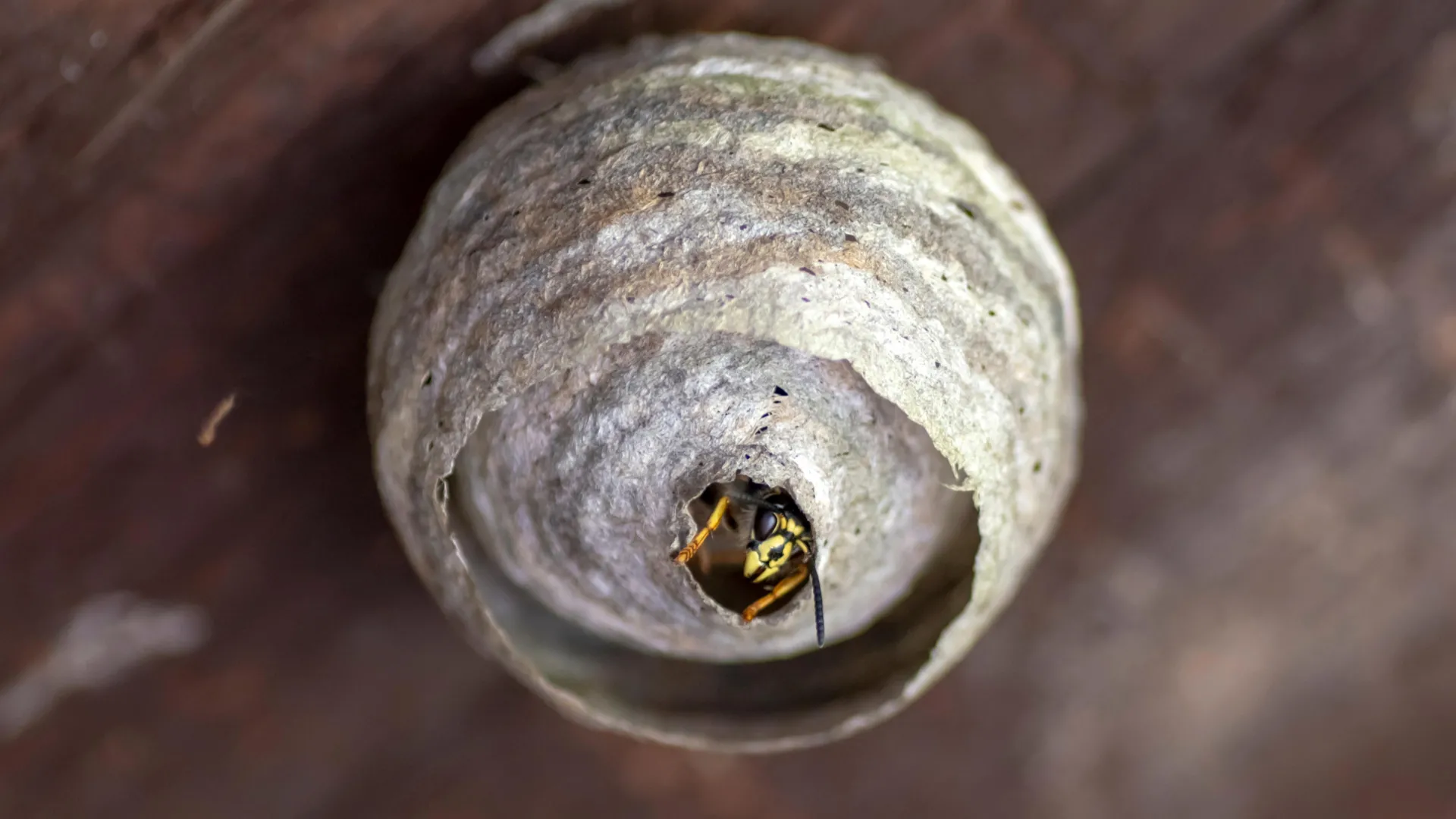
Summer in the United Kingdom is historically defined by a set of predictable tropes: the frantic search for sunscreen, the logistical challenge of occupying children during the school holidays, and the inevitable, persistent arrival of the common social wasp. Whether hovering over a park picnic or establishing a nest in a suburban attic, these insects have long been regarded as an inescapable, if occasionally irritating, hallmark of the season. However, as the 2026 summer season progresses, a marked shift has occurred. The familiar presence of the wasp, typically a source of late-summer news headlines and pest-control callouts, has become an anomaly by its absence.
A Summer of Silence
For researchers, the data points are becoming increasingly difficult to ignore. Seana Sumner, a professor of behavioural entomology, reports that the usual influx of wasp specimens required for university-level research has failed to materialize this year. This anecdotal evidence is corroborated by the professional pest control sector. Industry representatives note a significant reduction in service requests for nest removals—a stark contrast to the same period in 2025, a year characterized by a warm spring and a hot summer that triggered widespread media reports of “wasp plagues.”
The lack of reports is not merely a matter of public perception; it suggests a potential disruption in the life cycle of the Vespidae family. While the Big Wasp Survey—the UK’s primary national monitoring initiative—is still in the early stages of its seasonal data collection, the initial field reports from entomologists and private citizens alike suggest that population numbers are currently tracking well below the seasonal average.
The Chronology of a Failed Season
To understand the current scarcity, one must examine the specific meteorological conditions of early 2026. The season began with a deceptive promise. The spring months were characterized by an unseasonably warm and dry period, which typically serves as an ideal catalyst for “foundress” queens—the mated females that emerge from hibernation to initiate new colonies. Under optimal conditions, a queen requires consistent access to nectar for ovarian development and a steady supply of insect prey to sustain the initial brood.
However, the 2026 spring defied standard seasonal patterns. The early warmth was interrupted by volatile fluctuations, including sudden cold snaps and damp days, followed by unexpectedly frigid nights. This erratic behavior created a “high-risk” environment for nascent colonies. If a queen fails to successfully rear her first generation of workers, the nest often collapses, as the burden of foraging and protection becomes unsustainable for a single individual. Experts posit that these environmental extremes likely forced a widespread abandonment of nests, effectively throttling the population before it could reach its mid-summer peak.
Thermal Thresholds and Environmental Stress
The mid-summer period brought a secondary, more lethal challenge: a series of intense, consecutive heatwaves. While some insect species, such as those monitored by Butterfly Conservation, may thrive under prolonged dry and warm conditions—predicting a “bumper year” for butterfly populations—wasps face a more complex biological reality.
Every insect operates within a specific thermal tolerance range, known as the critical thermal maximum (CTmax). When ambient temperatures exceed this threshold, insects experience physiological failure, ranging from muscle spasms and neurological impairment to complete desiccation. For honeybees, the CTmax is approximately 49°C. While this figure is rarely reached in the air, ground-level surface temperatures in the UK have frequently exceeded 50°C during the 2026 heatwaves.
Wasps are not immune to these stressors. Although they are recognized as highly resilient invasive species with sophisticated thermoregulatory behaviors—such as fanning their wings to cool larvae and constructing nests with insulating envelopes—their CTmax is estimated to be lower than that of many other social insects, hovering around 45°C. Furthermore, research indicates that even when temperatures do not hit lethal limits, prolonged exposure to heatwaves (at or above 32°C) significantly degrades cognitive function and foraging efficiency. For a species that relies on complex spatial navigation and resource management, such heat-induced impairment can lead to a breakdown in colony productivity.

The Biological Impact of Stunted Growth
Field observations have revealed another alarming trend: the few wasps currently spotted in the wild appear significantly smaller than their historical counterparts. In the life cycle of a wasp, the size of an adult is predetermined during the larval stage. Larvae that receive consistent, high-quality protein from foraging workers develop into larger, more robust adults.
Under normal circumstances, the early-season workers are small because they are produced by a queen working in isolation. By early August, a mature colony should be producing significantly larger workers. The prevalence of “spring-sized” wasps in late August suggests a systemic failure in the food chain. Two primary theories exist to explain this: either a decline in the availability of prey insects—which restricts the protein intake of the wasp larvae—or a direct, heat-driven developmental change.
Research published in various entomological journals over the last century has documented a gradual trend of shrinking social wasp sizes, a phenomenon increasingly linked to global climate change. The 2026 season appears to be an accelerated manifestation of this trend, where extreme heat leads to faster larval development at the expense of overall body mass.
Implications for Ecosystem Health
The decline of the wasp population is not merely a relief for those who dislike picnics. Wasps perform vital, often under-appreciated roles in the ecosystem. They are formidable pest-controllers, hunting aphids and other garden pests; they are functional pollinators, visiting a wider range of plant species than is commonly recognized; and they act as crucial decomposers, breaking down organic matter.
The Bumblebee Conservation Trust has already issued warnings that the 2026 heatwaves are exacerbating a downward trend for bumblebee populations as well, as drought conditions cause flowers to wither and nectar supplies to vanish. If the wasp population follows a similar trajectory of collapse, the secondary effects on local biodiversity could be profound. A reduction in wasp populations would likely result in a surge of pest insect populations in the coming years, potentially impacting agricultural and horticultural stability.
Citizen Science as a Solution
In response to the current mystery, entomologists are turning to the public to bridge the data gap. The Wasp Picnic Survey 2026, titled "Ham or Jam?", is currently soliciting observational data from across the country. Researchers are asking members of the public to photograph wasps encountered at outdoor dining areas and document their behavior.
This initiative aims to determine whether the observed scarcity is uniform or if there are pockets of resilience within the population. By submitting data on where and how these insects are scavenging—whether they are hunting for protein (such as ham) or sugars (such as jam)—scientists can better map the nutritional deficiencies and survival strategies of the remaining colonies.
The current state of the 2026 wasp population serves as a sentinel for broader environmental shifts. While the temporary respite from wasp-related annoyances might be welcomed by many, the underlying causes—erratic climate patterns, thermal stress, and the degradation of food sources—signal a concerning trend for the health of the UK’s insect population. As the season concludes, the focus will shift to winter survival rates for queens, with researchers hoping that these resilient insects can recover their numbers before the 2027 season begins. For now, the "quiet" summer of 2026 remains a complex ecological puzzle, underscoring the precarious balance of the natural world in an era of rapid climatic change.