The quest to unlock the mechanisms of human aging has long focused on traditional models like mice and fruit flies, but a growing body of evidence suggests that the most profound answers to living a long, healthy life may be etched into the unique genomic structure of bats. These winged mammals, which exhibit lifespans far exceeding what their body size would typically allow, have become the focal point of an intensive, multi-year genetic investigation. Researchers are now decoding the complex relationship between the bat immune system, viral resistance, and the biological processes that dictate longevity.
A Quest Born in the Laboratory
The impetus for this research began during Juan Manuel Vazquez’s tenure as a graduate student at the University of Chicago. At the time, the genomic landscape of Chiroptera—the order of mammals comprising bats—was largely uncharted. The lack of standardized data meant that researchers were unable to draw clear evolutionary parallels between bat biology and human disease. Following his transition to a postdoctoral fellowship at the University of California, Berkeley, in 2020, Vazquez initiated a rigorous field study. Supported by a team of undergraduate researchers, he traversed the Western United States, deploying mist nets over rivers and ponds to collect biopsy samples from various bat species.
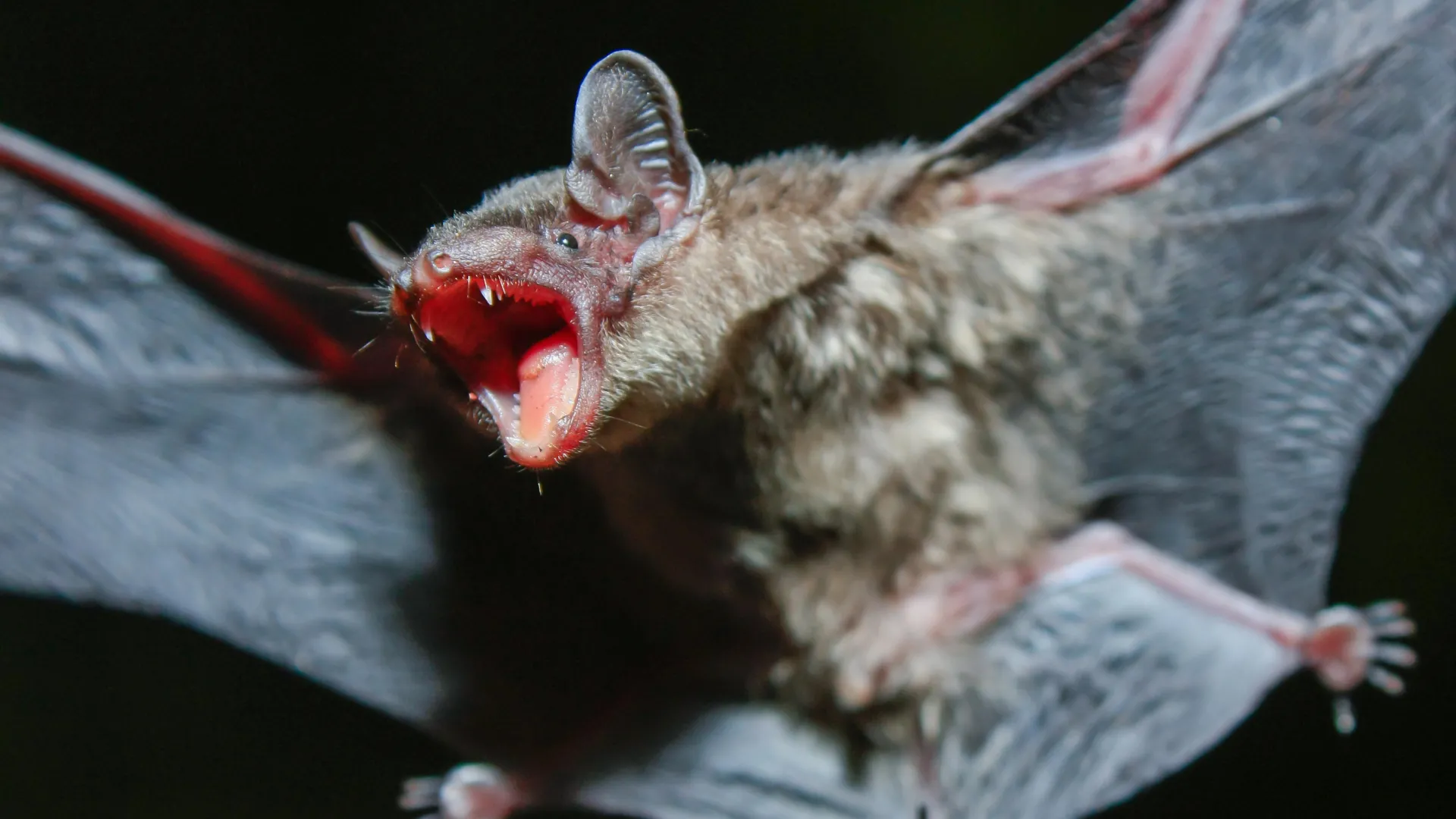
The primary target was the Myotis genus, a group known for its extreme variations in lifespan. Within this genus, scientists found an evolutionary anomaly: the Brandt’s myotis (Myotis brandtii), which has been documented living for over half a century in the wild. This longitudinal data provided a critical benchmark for the research, establishing that certain bats possess biological safeguards against the senescence that typically plagues smaller mammals.
Genomic Analysis and the Immunity Connection
In a landmark study published in the journal Nature, researchers unveiled the first comprehensive analysis of eight Myotis genomes. The findings indicate a sophisticated, highly active immune system that serves as a dual-purpose shield against both infectious pathogens and the onset of cancer. The genomic data revealed that longer-lived bat species exhibit a consistent enrichment of genes linked to tumor suppression and cellular maintenance.
This discovery challenges the traditional clinical paradigm that views infectious disease defense and age-related decline as disparate biological phenomena. Instead, the research suggests that by maintaining a high-functioning immune system throughout their lives, bats avoid the gradual degradation of physiological health that leads to chronic disease in humans. "Bats evolved to live for a long time without getting diseases, which suggests that we don’t necessarily need to look at diseases of aging and diseases of infection as completely separate fields," Vazquez noted. By identifying how these mammals prevent immune system exhaustion, scientists believe they may eventually develop therapeutic interventions that prevent the immune decline typically seen in elderly human populations.
The Self-Destruction Strategy: A Cellular Pivot
One of the most surprising revelations of the study involves the cellular response to extreme stress. Vazquez and his colleagues cultured cells from the wing tissues of 259 individuals representing 32 distinct species. When these cells were exposed to potent toxins designed to induce DNA damage, the little brown bat (Myotis lucifugus)—the longest-lived bat in North America—displayed a counterintuitive survival strategy.
Rather than attempting to repair the damaged DNA, which can be an error-prone process, the cells opted for immediate programmed cell death, or apoptosis. This "scorched earth" policy prevents the accumulation of mutated, potentially cancerous cells within the organism. This strategy appears to mirror the biological resilience observed in elephants, which possess multiple copies of the p53 tumor-suppressor gene. This suggests that the evolutionary path to longevity may involve a high threshold for cellular sacrifice, favoring the removal of damaged components over the risky maintenance of compromised biological structures.
Contextualizing the Chiropteran Success Story
Bats represent one of the most successful evolutionary radiations in mammalian history. Emerging approximately 60 million years ago, they now account for one-fifth of all living mammalian species. Their presence in almost every ecological niche on the planet, combined with their extreme metabolic activity, provides a unique lens through which to view adaptation.
The physical output required for flight—often described as the equivalent of a human running several ultramarathons daily—places immense stress on their physiology. Yet, this high-energy lifestyle has not resulted in the expected oxidative damage. Instead, bats have evolved to manage inflammation and viral persistence with remarkable efficiency. This ability to host a vast array of viruses, including those related to SARS-CoV-2, without suffering from clinical illness, is a testament to the hyper-vigilance of their immune systems.
Evolutionary Mismatches and Zoonotic Risks
The genetic analysis also uncovered a critical evolutionary divergence between bats and humans. While humans are primarily adapted to combat RNA viruses, bats exhibit a massive expansion of genes dedicated to interacting with and neutralizing DNA viruses, such as herpesviruses.
This mismatch has profound implications for zoonotic disease transmission. "Humans and bats are badly suited to each other," Vazquez observed. Because the bat immune system is tuned to contain viruses that humans have not historically encountered, the spillover of these pathogens can lead to severe clinical outcomes in humans. Understanding this genetic "mismatch" is not only a matter of public health security but also a roadmap for identifying new classes of antiviral proteins that could bolster human immune defenses.
Looking Toward Future Therapeutics
As the research transitions into its next phase, experts are shifting their focus toward the molecular trade-offs inherent in these longevity pathways. Peter Sudmant, an associate professor of integrative biology at UC Berkeley, emphasized the complexity of the bat’s internal landscape. "One thing that I’m really excited about is the trade-off between how a bat protects itself by producing proteins that attack the genomes of viruses but also protects its own genome from being attacked by those proteins," he said.
Currently, the scientific community is observing a convergence of interests: genomicists, virologists, and gerontologists are finding common ground in the study of long-lived species. By analyzing how elephants, whales, and bats have successfully navigated the challenges of DNA damage and pathogen exposure, researchers are optimistic about identifying "nature-proven" solutions to human aging.
Implications for Human Medicine
The study provides a compelling argument for a holistic approach to chronic disease management. If the genes that promote longevity are the same genes that facilitate robust viral defense, then enhancing the human immune system could potentially serve as a dual strategy for disease prevention and life extension.
The work, funded by the National Institutes of Health and the National Science Foundation, marks a significant departure from traditional models of medical research. By expanding the horizon to include the diverse genomic strategies of the animal kingdom, researchers are moving away from treating the symptoms of aging and toward understanding the evolutionary architecture of health. As Vazquez continues his work at Pennsylvania State University and Sudmant deepens his investigation into primate cell cultures, the potential for translating these findings into human medicine remains a long-term, yet increasingly tangible, goal. The bats, in their silent, nocturnal existence, have provided the blueprint; the challenge now lies in our ability to translate that biological language into actionable medical science.