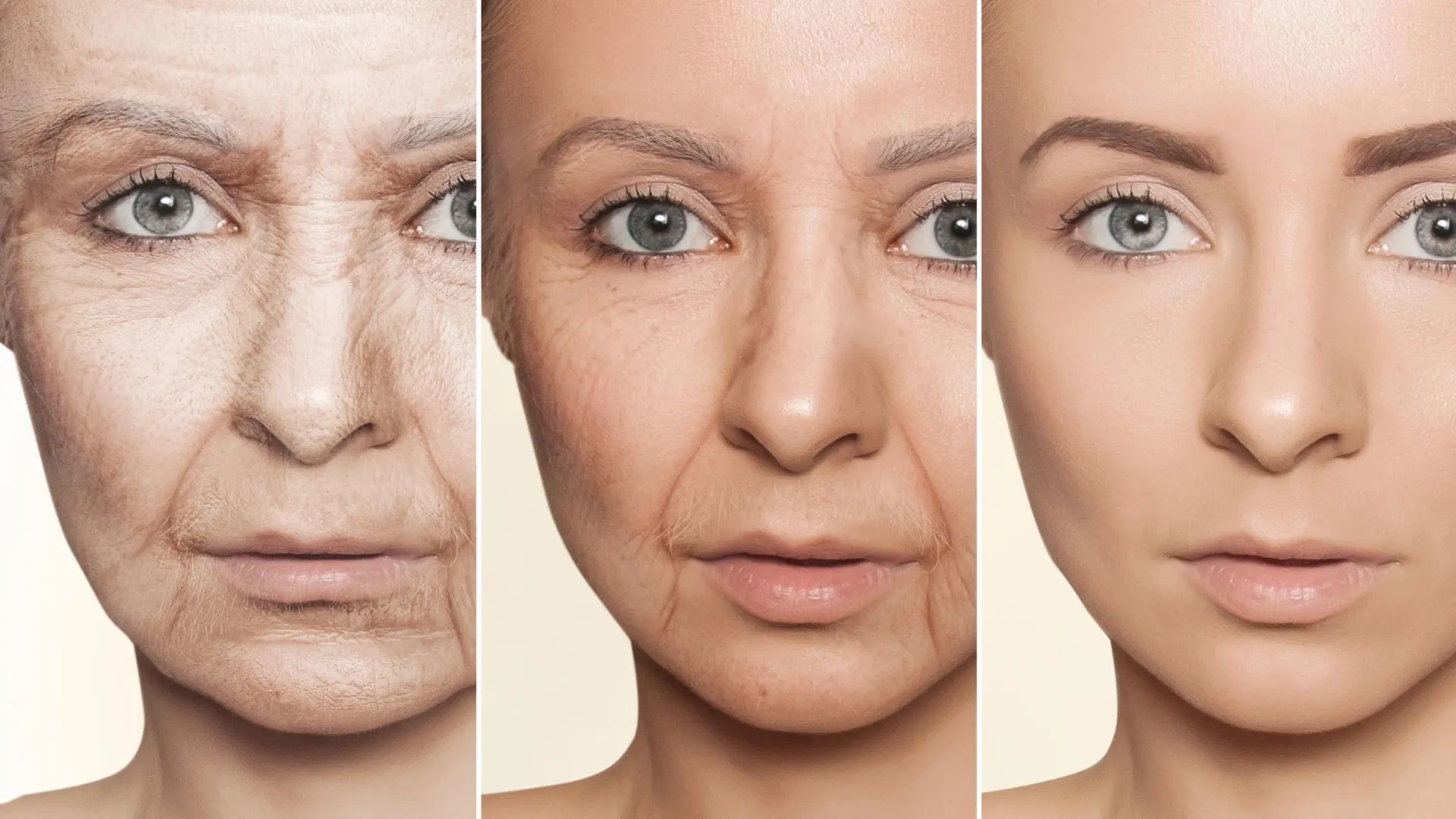
The inevitability of aging has long been characterized by a predictable decline in biological function, ranging from the graying of hair and loss of skin elasticity to the more concerning erosion of cognitive faculties and memory. For decades, the scientific community has treated these manifestations as a singular, irreversible trajectory. However, a groundbreaking multi-institutional study—conducted by researchers from Xi’an Jiaotong-Liverpool University, Stanford University, Shanghai Jiao Tong University, and the University of Chinese Academy of Sciences—has unveiled a potential paradigm shift. By introducing dietary supplements derived from Ascidiacea, commonly known as sea squirts, researchers successfully reversed key indicators of biological aging in mouse models, sparking a new wave of interest in the therapeutic potential of marine-based lipids.
The Biological Mechanism: Understanding Plasmalogens
At the center of this research is a specific class of phospholipids known as plasmalogens. Unlike standard fats, plasmalogens are integral components of cell membranes, specifically concentrated in the heart, immune cells, and the brain. In human physiology, these molecules play a critical role in maintaining the structural integrity of neurons and facilitating the rapid transmission of electrochemical signals across synapses.
Clinical observations over the last twenty years have established a clear correlation between declining plasmalogen levels and the progression of neurodegenerative pathologies. Data consistently shows that patients diagnosed with Alzheimer’s disease and Parkinson’s disease exhibit significantly lower concentrations of these lipids in their cerebral tissues compared to age-matched healthy controls. This biochemical depletion is believed to contribute to the loss of synaptic density, leading to the cognitive deficits characteristic of these conditions. The research team sought to determine if exogenous replenishment—through the diet—could arrest or reverse this downward spiral.
The Chronology of Discovery
The path to this discovery began with the identification of Ascidiacea as an exceptionally dense source of plasmalogens. In various culinary traditions across East Asia—most notably in Japan, where the sea squirt is known as hoya, and Korea, where it is referred to as meongge—these organisms are consumed raw, providing a high-bioavailability intake of these specific lipids.
Following the initial identification of the compound’s concentration in these marine animals, the research team initiated a longitudinal study using aged mice as the primary model. The experimental timeline spanned several months, during which the control group received a standard diet, while the test group was administered a plasmalogen-fortified regimen.
After several weeks of supplementation, the researchers noted not only behavioral improvements but also striking external physical changes. By the conclusion of the study, the treated mice exhibited thicker, glossier, and darker fur compared to the sparse, graying coats of their untreated counterparts. While the cosmetic changes were unexpected, the cognitive results were the primary focus of the investigation, providing the first detailed mechanism for how systemic lipid supplementation influences the aging mammalian brain.
Quantifying Cognitive Recovery: The Morris Water Maze
To translate biological changes into measurable data, the scientists employed the Morris water maze, a gold-standard assessment for spatial learning and hippocampal function. In this test, mice are placed in a circular pool containing a hidden platform just beneath the water’s surface. Young, healthy mice typically learn to navigate to this platform using visual cues within a short period. Conversely, aged mice typically exhibit "forgetfulness" or impaired spatial navigation, resulting in significantly longer latency periods to locate the escape route.
The results of the study were statistically significant. Following a five-day training protocol, the aged mice receiving plasmalogen supplements demonstrated a navigation speed and accuracy nearly identical to that of younger mice. These findings suggest that the supplements were not merely slowing the rate of cognitive decline but were actively facilitating a functional restoration of neural pathways.
The Synaptic Connection: Neuroregeneration and Inflammation
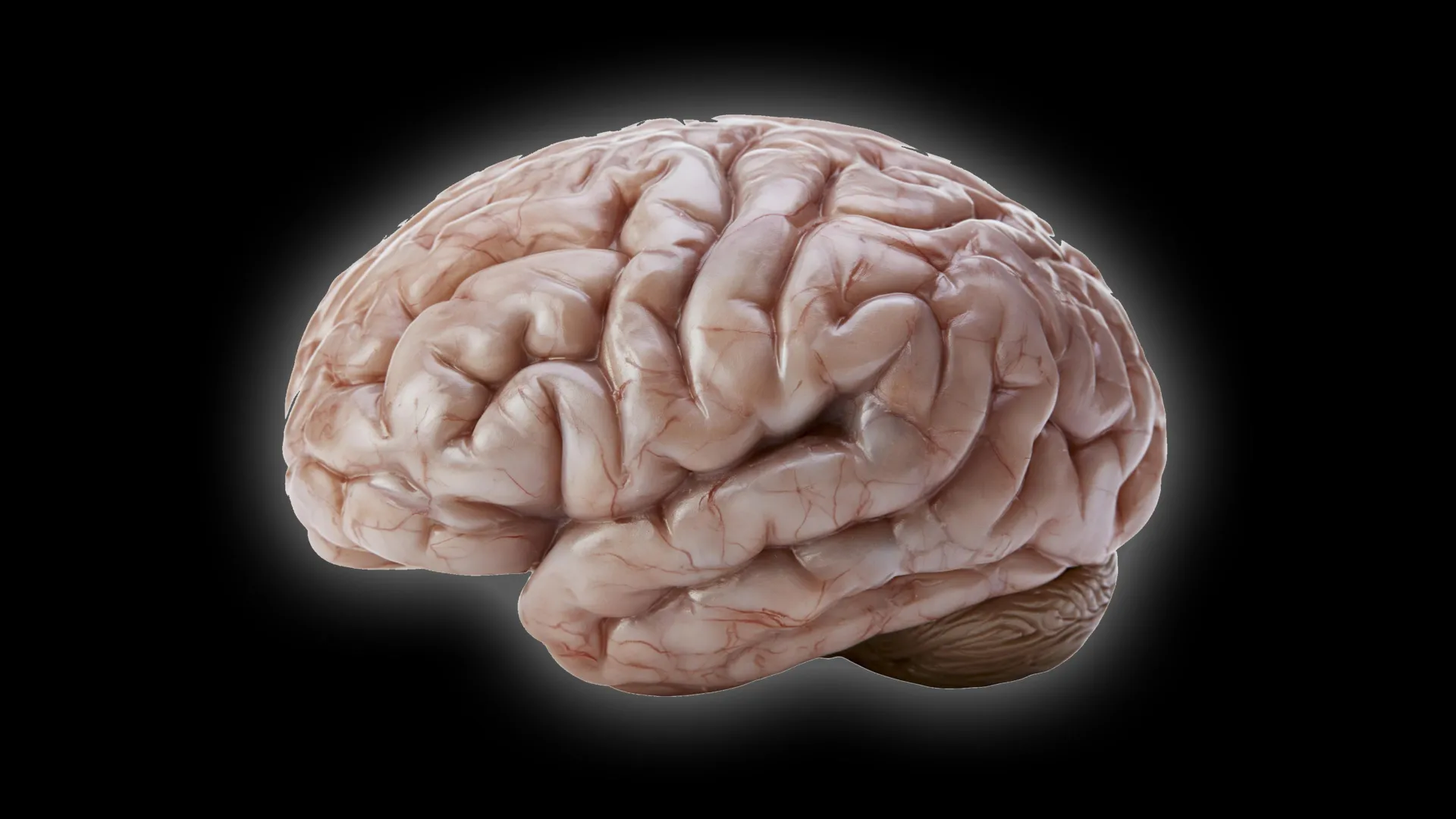
Beyond behavioral testing, the researchers conducted post-mortem neurological examinations to investigate the structural underpinnings of the observed improvements. The analysis revealed that the brains of the treated mice possessed a higher density of synapses compared to the control group. Furthermore, these synapses showed improved morphological health, suggesting that plasmalogens play a protective role against the structural degradation typically associated with senescence.
The research further identified a reduction in neuroinflammation—a chronic, low-grade immune response that is a hallmark of the aging brain. As the brain ages, the dysregulation of microglia (the brain’s resident immune cells) often leads to persistent inflammation, which disrupts communication between nerve cells. By suppressing this inflammatory state, the plasmalogen supplements appear to create a more hospitable environment for neuroregeneration, allowing for the repair of damaged neural circuits.
Professor Lei Fu, the corresponding author of the study, highlighted that the benefits may be driven by the upregulation of neurotrophic factors—molecules that promote the growth and survival of neurons. "Our research suggests that plasmalogens may not just stop cognitive decline, but may reverse cognitive impairments in the aging brain," Fu stated. "The fluidity and flexibility of synaptic membranes are directly affected by these lipids, which in turn optimizes the transmission of impulses between neurons."
The Gut-Brain Axis and Future Implications
A compelling secondary finding of the study involves the gut-brain axis. Emerging evidence suggests that dietary plasmalogens may modulate the composition of the gut microbiome. Given that the gut-brain axis is a primary conduit for systemic immune signaling, the researchers hypothesize that the cognitive benefits observed in the mice may be a multi-systemic effect. By altering the gut environment, plasmalogens may influence the systemic inflammatory markers that ultimately reach the brain, providing a dual-action mechanism for neuroprotection.
While the results are scientifically robust within the context of rodent models, the transition to human application remains a significant hurdle. Human biology is considerably more complex, and factors such as bioavailability, optimal dosage, and long-term safety profiles must be thoroughly vetted through rigorous clinical trials. Currently, there is no standardized clinical consensus on the use of plasmalogen supplements for the prevention of dementia or general age-related cognitive decline in humans.
Expert Analysis and Next Steps
The medical community has responded to these findings with cautious optimism. If replicated in human cohorts, the implications would be profound, offering a non-invasive, dietary-based intervention for a global aging population facing an escalating crisis of neurodegenerative disease. The simplicity of the intervention—utilizing a naturally occurring compound found in a food source—presents a distinct advantage over complex synthetic pharmaceuticals, which often come with significant side-effect profiles.
However, experts urge the public to refrain from self-prescribing sea squirt extracts until more data is available. "The jump from mouse models to human neurology is significant," noted independent observers familiar with the study. "We need to understand how the human digestive system processes these specific lipids compared to mice, and whether long-term intake could have unforeseen effects on lipid metabolism or other bodily systems."
Professor Fu remains undeterred by the necessity for further study, noting his own commitment to the research through daily personal supplementation. As the scientific community looks toward the next phase of development, the study stands as a vital reminder that the answers to our most persistent biological questions—including the aging process itself—may be hidden within the complex chemistry of the natural world. Future research will likely focus on large-scale human clinical trials to determine if the promise observed in the laboratory can translate into a tangible therapy for the millions of individuals worldwide currently navigating the challenges of age-related cognitive impairment.