For decades, the intricate molecular machinery within bacteria has held a tantalizing secret: how these microscopic organisms naturally produce a diverse array of powerful anti-cancer compounds, including those already utilized in human medicine. Now, a groundbreaking discovery has illuminated this long-standing mystery, offering a profound new avenue for the development of next-generation cancer therapies. Researchers have identified the precise mechanisms by which bacterial enzymes communicate and collaborate, enabling the sophisticated assembly of complex drug molecules, a breakthrough that promises to accelerate the creation of treatments for cancers that remain stubbornly resistant to current interventions.
The quest to harness bacterial enzymatic prowess for drug discovery, a field known as combinatorial biosynthesis, has long been a focal point for scientists. The allure lies in the potential to generate novel drug variants by mimicking or manipulating natural production pathways. However, progress has been hampered by a fundamental lack of understanding regarding the intricate coordination of the enzymes involved. This new study, published in the prestigious journal Nature Communications, represents a pivotal moment, demystifying this complex biological process and providing a tangible blueprint for future drug design.
The "Mix and Match" System: A Masterclass in Molecular Engineering
At the heart of this discovery is the revelation of a sophisticated "mix and match" system employed by bacteria. This natural process allows for the efficient assembly of a family of closely related anti-cancer compounds. Among these compounds is Romidepsin, marketed as Istodax, an FDA-approved medication that has proven effective in treating certain types of blood cancers, specifically T-cell lymphomas. By dissecting and replicating the underlying principles of this bacterial "factory," the research team has established a robust new strategy for designing and synthesizing future cancer therapies.
"For decades, we’ve known that bacteria can naturally produce multiple versions of powerful anti-cancer drugs, yet we had no idea how they achieved this," stated Dr. Munro Passmore, the study’s first author and a Research Fellow in the Department of Chemistry at the University of Warwick. "This work finally cracks that code. We’ve identified how the different enzymes communicate and cooperate to produce these drug variants, something that has eluded researchers because the system is so elegantly economical. It’s the breakthrough we needed to actually engineer these drugs ourselves."
The elegance of the bacterial system lies in its remarkable efficiency. Instead of relying on separate, specialized machinery for each potential drug variant, bacteria have evolved a flexible and modular approach. This adaptability allows them to produce a range of related compounds from a common set of building blocks and enzymatic tools, much like a skilled artisan using a core set of tools to craft various intricate pieces.
Tiny Molecular Connectors: The Key to Enzymatic Harmony
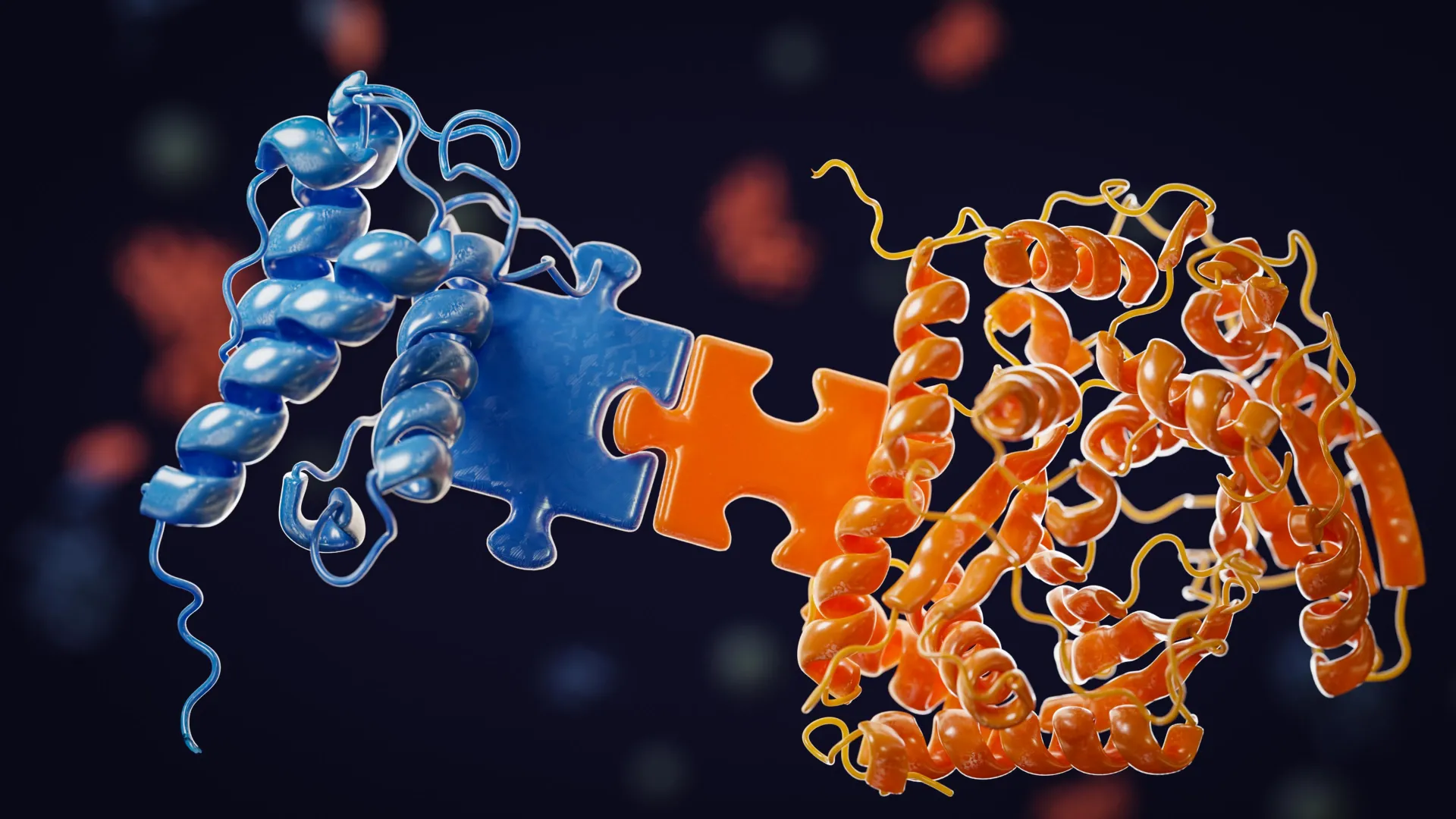
The breakthrough in understanding this intricate coordination came with the identification of small molecular regions termed ‘docking domains.’ These domains act as crucial connectors, bridging the core drug-building machinery with the specific enzymes responsible for introducing different chemical components. The researchers found that these docking domains share a conserved connection point, a molecular handshake that allows them to interact seamlessly with a multitude of enzyme partners.
This flexible architecture is the key to the bacteria’s ability to generate a diverse library of related drug molecules. It ensures that while the building blocks and assembly process are largely conserved, subtle variations can be introduced, leading to compounds with distinct yet related therapeutic properties. This precision is vital, as even minor structural changes can significantly impact a drug’s efficacy and its interaction with biological targets. The conserved connection point acts as a universal docking station, enabling the sequential addition of various chemical "modules" by different enzymes, thereby facilitating the combinatorial synthesis of the final drug.
Evolutionary Insights: The Genesis of Natural Drug Factories
Beyond elucidating the immediate mechanism of drug production, the study also offers valuable insights into the evolutionary trajectory of these natural drug-producing systems. The researchers propose that the newly identified compound, and likely its related family members, evolved from a precursor drug-producing pathway. This evolution is theorized to have occurred through a process of gene duplication and subsequent recombination over vast stretches of evolutionary time. Gene duplication provides the raw material for new functions, while recombination allows for the shuffling and refinement of genetic information, leading to the diversification and optimization of the enzymatic machinery.
Professor Greg Challis, a Monash Warwick Alliance Professor of Sustainable Chemistry at the University of Warwick and Monash University, emphasized the forward-looking implications of this research. "This research gives us a blueprint to do what nature does, but better and faster," he stated. "By reverse-engineering nature’s evolutionary logic, we can now design synthetic pathways that generate new anti-cancer drug candidates with properties optimized for clinical use, such as superior potency, improved selectivity, and fewer side effects. Our immediate goal is to build an expanded library of candidates for various cancers where new treatments are urgently needed. This discovery is moving us from understanding how the systems work to building new ones."
The concept of "reverse-engineering nature’s evolutionary logic" is particularly potent. It suggests that by understanding the selective pressures and genetic events that shaped these natural systems, scientists can leverage similar principles to accelerate the design and optimization of synthetic pathways, potentially bypassing the slow, trial-and-error process of natural evolution.
The Medical Significance: Targeting HDAC Inhibitors
The scientific focus of this discovery lies within a critical class of anti-cancer agents known as HDAC inhibitors. These drugs function by inhibiting histone deacetylases (HDACs), a group of enzymes that play a crucial role in regulating gene expression within cells. HDACs are involved in the complex process of chromatin remodeling, influencing whether genes are actively transcribed or silenced. By blocking HDAC activity, these drugs can lead to the reactivation of tumor suppressor genes or the induction of apoptosis (programmed cell death) in cancer cells.
Romidepsin (Istodax) serves as a prime example of a clinically successful HDAC inhibitor derived from this bacterial pathway. Its approval for treating T-cell lymphomas underscores the therapeutic potential of compounds produced through these natural mechanisms. Historically, a chemically related compound, FR-901375, was identified decades ago, but the biological pathway responsible for its production remained elusive. This recent study finally bridges that knowledge gap, providing a comprehensive understanding of how bacteria synthesize this potent molecule.
Both Romidepsin and FR-901375 belong to a family of complex cyclic molecules known as depsipeptides. These structures are characterized by their assembly from amino acid building blocks, along with a conserved hydroxy acid pharmacophore. The linkage between these components is achieved through a sophisticated combination of peptide and ester bonds, creating a robust and intricate molecular architecture.
The PKS-NRPS Hybrid Machinery: A Molecular Assembly Line
Within bacteria, the synthesis of these depsipeptides is orchestrated by enormous multi-functional protein complexes known as PKS-NRPS hybrids. These remarkable molecular machines integrate the activities of two distinct enzymatic systems: polyketide synthases (PKS) and nonribosomal peptide synthetases (NRPS). PKS enzymes are responsible for the synthesis of polyketide chains, which are carbon-carbon chain building blocks, while NRPS enzymes assemble amino acids into peptides. The hybrid nature of these complexes allows for the seamless integration of both pathways, enabling the construction of molecules that incorporate both polyketide and peptide elements.
The newly uncovered role of docking domains within these PKS-NRPS hybrid complexes is pivotal. They act as molecular tethers, ensuring that the product of one enzymatic module is efficiently transferred to the next in the assembly line. This precise hand-off mechanism is fundamental to the entire process of combinatorial biosynthesis. By allowing different modules to interact flexibly, these docking domains enable the bacteria to generate a diverse array of drug variants, each with potentially unique therapeutic profiles. This modularity and flexibility are what allow bacteria to produce not just one specific molecule, but a family of related compounds.
A Multidisciplinary Approach to Unlocking the Secret
The successful unraveling of this complex biological puzzle was achieved through a rigorous and multidisciplinary research approach. The team integrated cutting-edge techniques from structural biology, biochemistry, genetics, and computational modeling.
Structural biology provided high-resolution three-dimensional images of the enzymes and their interactions, revealing the precise architecture of the docking domains and their binding sites. Biochemistry allowed researchers to study the enzymatic reactions in vitro, confirming the catalytic activities of individual enzymes and the flow of intermediates through the pathway. Genetic manipulation techniques were employed to alter specific genes involved in the pathway, providing crucial evidence for the role of each component. Finally, computational modeling was used to simulate the interactions between enzymes and substrates, helping to predict and interpret experimental results, and to visualize the dynamic process of molecular assembly.
The study’s detailed methodology included:
- Structural Elucidation of Docking Domains: Using techniques such as X-ray crystallography and cryo-electron microscopy, the researchers determined the precise three-dimensional structures of the key enzymes and their docking domains. This allowed for the visualization of the conserved connection points and the molecular interfaces involved in enzyme-enzyme interactions.
- Biochemical Assays of Enzyme Activity: Purified enzymes were subjected to a battery of biochemical assays to measure their catalytic rates, substrate specificities, and their ability to interact with other enzymes in the presence of docking domains. This confirmed the functional roles of the identified components.
- Genetic Engineering of Biosynthetic Pathways: Genes encoding specific enzymes and docking domains were either deleted or modified in the bacterial host. The impact of these genetic alterations on the production of anti-cancer compounds was then analyzed using analytical chemistry techniques, such as High-Performance Liquid Chromatography (HPLC) and Mass Spectrometry (MS).
- Computational Simulations of Molecular Interactions: Molecular dynamics simulations were performed to model the flexible binding and release of substrates between interacting enzymes, providing insights into the dynamic nature of the assembly process and the role of docking domains in facilitating these transitions.
- Comparative Genomics and Phylogenetics: Analysis of the genetic sequences of related bacteria and their biosynthetic gene clusters helped to reconstruct the evolutionary history of these drug-producing pathways, supporting the hypothesis of gene duplication and recombination driving diversification.
Broader Implications for Cancer Therapy Development
The implications of this discovery extend far beyond the specific compounds studied. By understanding the fundamental principles of nature’s drug manufacturing process, scientists are now equipped with a powerful toolkit to:
- Accelerate Drug Discovery: The ability to engineer synthetic pathways based on nature’s design principles can significantly shorten the timeline for identifying and developing new drug candidates. Instead of waiting for natural discovery or relying on laborious chemical synthesis, researchers can design and build novel molecules with desired properties.
- Develop Novel Drug Variants: The modular nature of the bacterial system allows for the systematic modification of the drug structure by swapping out specific enzymatic modules or altering the "building blocks" incorporated. This opens up possibilities for creating drug variants with improved potency, enhanced selectivity for cancer cells, reduced toxicity to healthy tissues, and better pharmacokinetic profiles (how the drug is absorbed, distributed, metabolized, and excreted by the body).
- Address Drug Resistance: Cancer cells often develop resistance to existing therapies. The ability to generate a diverse range of drug molecules could lead to the development of new treatments that can overcome these resistance mechanisms.
- Expand Treatment Options for Underserved Cancers: Many cancers, particularly rare or aggressive forms, still lack effective treatment options. This research provides a pathway to explore and develop novel therapies for these challenging diseases.
- Promote Sustainable Drug Manufacturing: Understanding and replicating natural processes can also lead to more environmentally friendly and sustainable methods of drug production, potentially reducing reliance on harsh chemicals and energy-intensive synthetic routes.
The immediate focus for the research team, as highlighted by Professor Challis, is to create an expanded library of potential anti-cancer drug candidates. This library will serve as a resource for further testing and development, aiming to identify compounds that can be advanced into preclinical and clinical trials for a range of cancers where unmet medical needs are greatest. This discovery marks a significant shift from mere observation and understanding to active engineering and creation, ushering in a new era of biologically inspired drug development. The secrets held within bacterial enzymes, once a profound mystery, are now poised to become powerful allies in the fight against cancer.