Researchers have uncovered an unexpected natural ally that could help farmers tackle one of agriculture’s fastest growing challenges: salty soil. A groundbreaking study, led by Dr. Yanfen Zheng from the University of East Anglia (UEA) in collaboration with an international team of scientists, has revealed that common soil bacteria possess the remarkable ability to significantly enhance plant resilience in saline environments. This discovery not only sheds light on a previously unknown mechanism of plant-microbe interaction but also offers a promising avenue for developing sustainable agricultural practices capable of reclaiming land increasingly rendered infertile by salt accumulation.
The research, published in the esteemed journal Science Advances, details how these naturally occurring bacteria, specifically a group known as pseudomonads, can protect vital crops like maize, tomato, and rapeseed from the detrimental effects of salt stress. This finding holds significant implications for global food security, as soil salinity is a pervasive and escalating problem driven by a confluence of factors, including climate change, intensive irrigation practices, and rising sea levels. As salt encroaches upon arable land, it severely stunts plant growth, damages root systems, and drastically reduces crop yields, posing a direct threat to agricultural productivity worldwide.
The Escalating Crisis of Soil Salinity
Soil salinity, characterized by the accumulation of soluble salts in the topsoil to levels toxic to most plants, is not a new phenomenon. However, its prevalence and severity have accelerated in recent decades. The United Nations Food and Agriculture Organization (FAO) estimates that approximately 20% of the world’s cultivated land and 33% of irrigated agricultural land are affected by salinity. This figure is projected to worsen as climate change intensifies, leading to more erratic rainfall patterns, increased evaporation rates, and the further encroachment of saltwater into coastal agricultural areas due to sea-level rise.
Traditional irrigation, while crucial for crop production in arid and semi-arid regions, can paradoxically exacerbate salinity. When irrigation water, which often contains dissolved salts, evaporates from the soil surface, the salts are left behind, gradually concentrating in the root zone. Over time, this process can render fertile land unproductive, forcing farmers to abandon fields or invest heavily in costly and often unsustainable remediation efforts.
Professor Jonathan Todd, a lead author on the study from UEA’s School of Biological Sciences and the Quadram Institute, underscored the urgency of this issue. "The build-up of salt in farmland is a major and worsening problem – driven by climate change, irrigation and rising sea levels," Professor Todd stated. "Salt chokes plant growth, damages roots and severely impacts entire harvests, putting global food supplies at risk. For decades, we have been seeking effective solutions to mitigate this escalating challenge."
Unraveling the Root Microbiome’s Role
Plants have long been known to engage in intricate relationships with the microbial communities that inhabit the soil surrounding their roots, collectively termed the root microbiome. These symbiotic partnerships are vital for plant health, nutrient uptake, and protection against various environmental stressors. However, the precise mechanisms by which these microbial communities confer resilience, particularly in the face of extreme conditions like high salinity, have remained largely elusive.
"We know that plants rely on communities of microbes around their roots, called the root microbiome, to help them cope with environmental stress," Professor Todd explained. "But exactly how these relationships work, and whether they are consistent across crops and soils, has remained largely unclear."
The UEA-led research aimed to bridge this knowledge gap by systematically investigating these plant-microbe interactions under saline conditions. The team hypothesized that plants might actively recruit beneficial microorganisms from their environment when under stress, and that these microbes, in turn, could trigger internal plant defenses to enhance survival.
A Widespread Microbial Response to Salt Stress
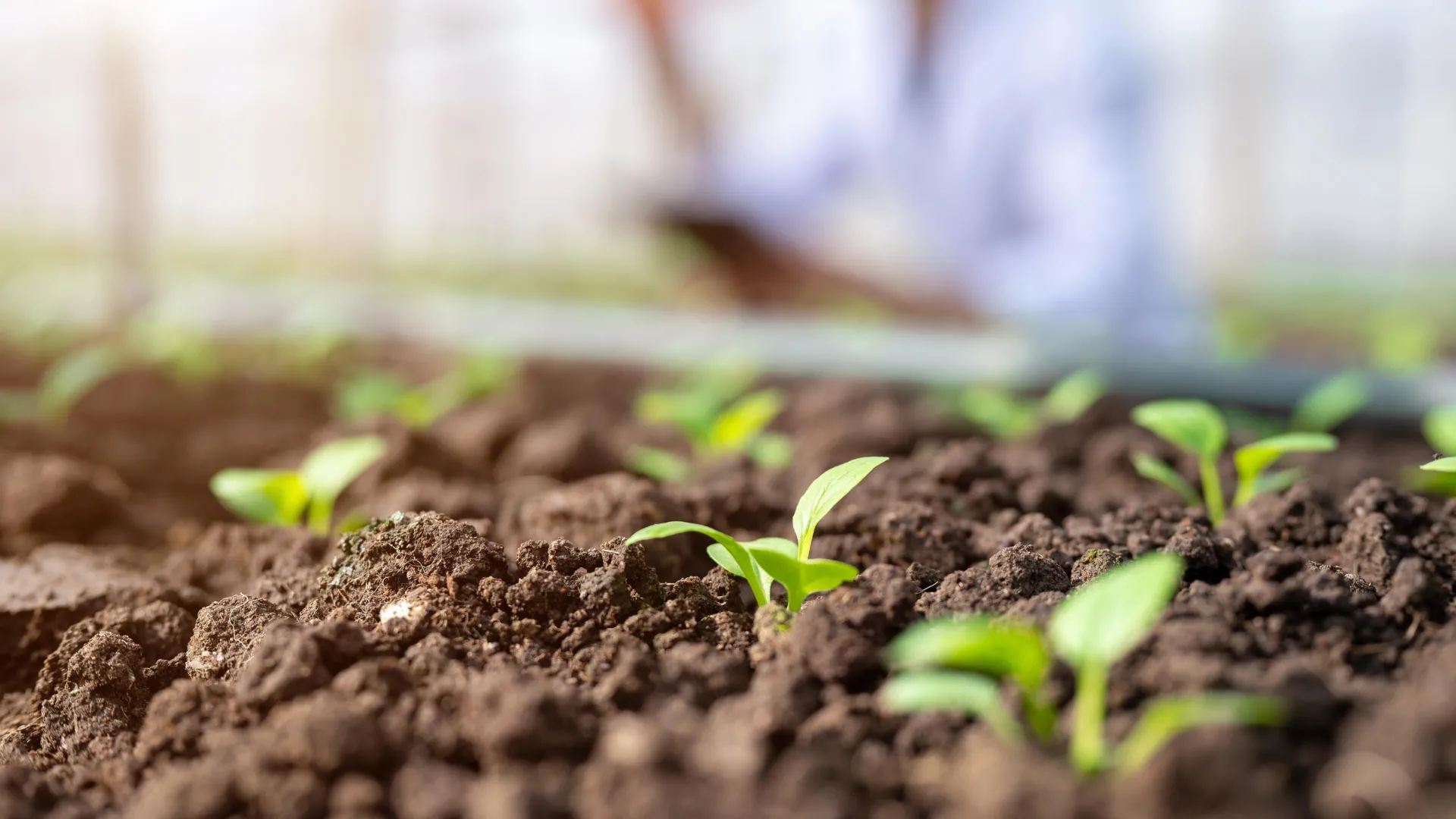
The study’s methodology involved examining the root microbiomes of several key crop species, including maize, tomato, and rapeseed, cultivated in soils with varying salinity levels. A consistent pattern emerged: a specific group of naturally occurring bacteria, known as pseudomonads, were found to disproportionately colonize the roots of plants experiencing salt stress. This observation across multiple plant species suggested that the recruitment of pseudomonads is not an isolated incident but rather a widespread biological response to saline environments.
Further genetic analyses provided crucial insights into why these pseudomonads are so adept at thriving in salty conditions. "Compared to other microbes, pseudomonads carry specialized genes that help them tolerate high salt levels, including sodium transport systems and other stress-resistance mechanisms," Professor Todd elaborated. This inherent tolerance allows them to flourish in environments where many other microorganisms struggle to survive, positioning them as ideal candidates for conferring stress resistance to plants.
From Greenhouse to Field: Demonstrating Efficacy
To validate their findings and assess the practical applicability of these microbial allies, the researchers conducted experimental trials. Selected strains of pseudomonads were introduced to soybean plants, a globally important legume crop. These experiments were carried out under controlled greenhouse conditions and, crucially, in real-world field trials.
The results were compelling. In both settings, the introduced pseudomonad strains successfully colonized the soybean roots. More importantly, the plants treated with these beneficial bacteria exhibited significantly improved growth and development when exposed to saline soils compared to untreated control groups.
Professor Todd highlighted the tangible benefits observed: "We found that plants treated with the microbes showed stronger root systems, better development and higher yields compared to untreated plants grown in salty soils." This practical demonstration underscores the potential of using these bacteria as a form of biofertilizer or bioprotectant to enhance crop performance on marginal lands.
A Surprising Mechanism: Lignin Production
Perhaps the most unexpected and significant revelation from the study was the mechanism by which these pseudomonads protect plants from salt stress. For decades, the prevailing scientific understanding suggested that plants surviving salinity primarily did so by controlling the uptake and internal concentration of sodium ions, essentially keeping the harmful salt out. However, the UEA-led team found no evidence that the bacteria influenced sodium transport or ion balance within the plant tissues.
"The most surprising thing was finding out how the bacteria helped plants cope," Professor Todd admitted. "For decades, it was thought that plants survive salinity by controlling sodium levels – essentially keeping harmful salt out. But we found no evidence that bacteria influenced sodium transport or ion balance."
Instead, the research pointed to a completely different protective strategy. The bacteria appeared to stimulate the plant itself to produce significantly higher amounts of a substance called lignin. Lignin is a complex organic polymer that is a major component of plant cell walls, particularly in woody tissues. It provides structural integrity, rigidity, and waterproofing, acting as a natural reinforcement system for plant tissues.
The study revealed a remarkable increase in lignin content within the roots of bacteria-treated plants, with some measurements showing an enhancement of over 30% under salt stress conditions. This suggests that the pseudomonads are not directly neutralizing salt but are instead bolstering the plant’s inherent structural defenses, enabling it to withstand the physical and physiological damage caused by high salt concentrations.
The Power of Lignin: A Natural Reinforcement
Lignin’s role in plant resilience is well-established. It contributes to the strength and durability of plant cell walls, which are crucial for maintaining cell integrity and preventing damage from mechanical stress or environmental insults. By inducing increased lignin production, the pseudomonads effectively equip the plant with a more robust internal structure, allowing its roots to better tolerate the osmotic stress and ion toxicity associated with saline soils.
To further solidify this finding, the researchers identified the key plant genes responsible for lignin biosynthesis. When these genes were artificially overexpressed in laboratory settings, the plants exhibited enhanced performance in salty soil, even without the bacterial treatment. Conversely, plants that were genetically modified to be unable to produce lignin did not benefit from the presence of the pseudomonads, confirming that lignin production is indeed the essential protective pathway facilitated by these microbes.
Future Prospects: Bio-Based Solutions for Saline Agriculture
The implications of this discovery are far-reaching, offering a potential paradigm shift in how agriculture addresses soil salinity. The ability to harness naturally occurring microorganisms like pseudomonads could pave the way for the development of cost-effective and environmentally friendly bio-based treatments. These treatments could help crops thrive on land previously considered unusable, reducing reliance on chemical inputs and promoting more sustainable farming practices.
"We hope this discovery opens up new possibilities for agriculture," Professor Todd stated with optimism. "By harnessing naturally occurring microbes like pseudomonads, bio-based treatments could be developed that help crops grow in saline soils without heavy chemical inputs."
As vast tracts of agricultural land worldwide continue to be degraded by salinity, the need for innovative solutions is paramount. Microbial interventions, such as those facilitated by pseudomonads, represent a promising frontier in ensuring crop yields can be maintained and global food security can be strengthened in the face of mounting environmental challenges. The research team is now focused on further exploring the specific strains of pseudomonads that are most effective and on developing practical application methods for farmers. This scientific breakthrough offers a beacon of hope for a more resilient and sustainable agricultural future.