

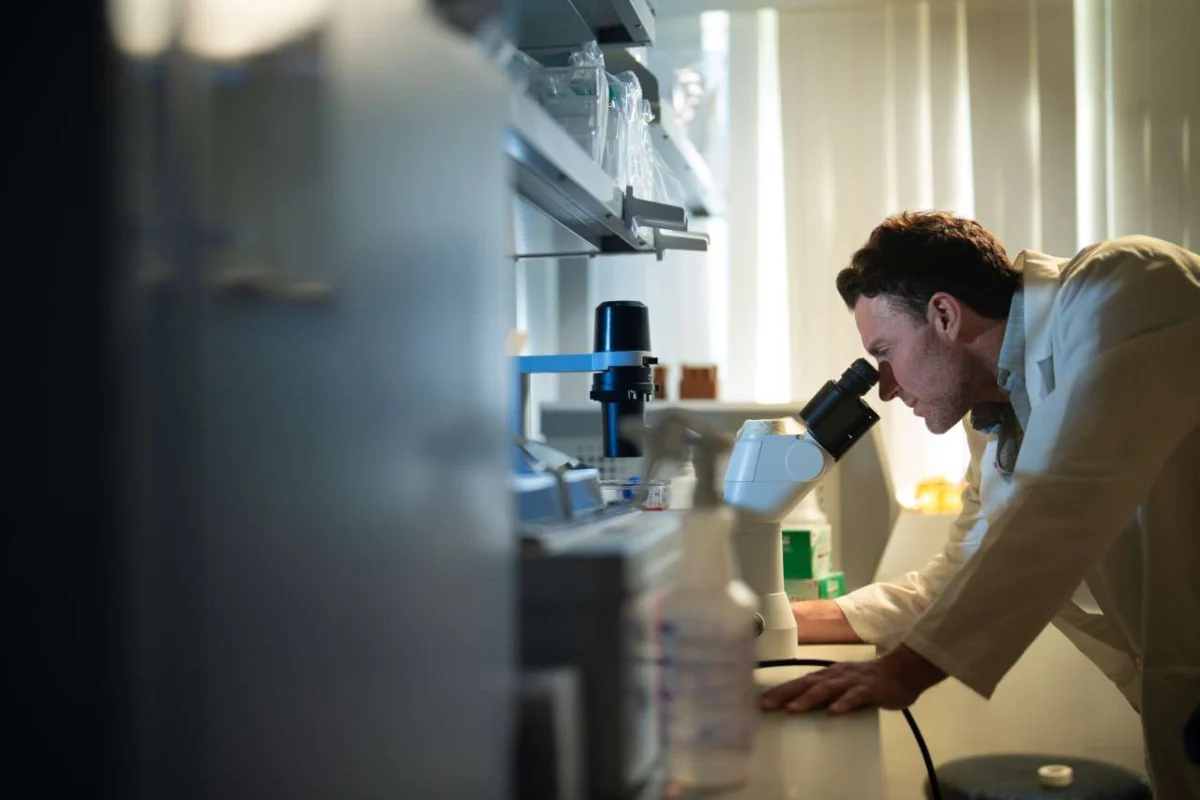
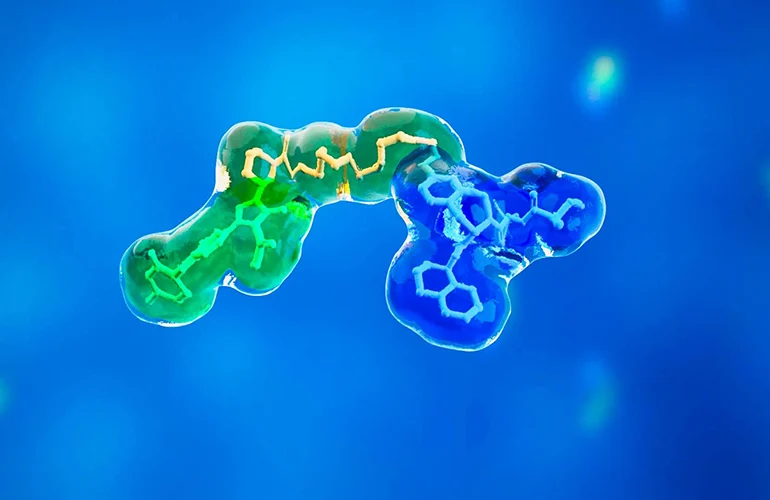
In a significant stride forward against one of the most formidable and lethal human cancers, researchers at UCLA have successfully advanced a novel glioblastoma drug candidate, KTM-101, into clinical testing. This investigational therapy stands out for its deliberate design, meticulously crafted to confront the unique biological and anatomical challenges posed by brain tumors. Early clinical data from Phase 1 trials are now indicating promising signs, with the therapy demonstrating its ability to penetrate the brain at potentially meaningful concentrations, a critical hurdle for any central nervous system (CNS) therapeutic.
The development of KTM-101 marks a pivotal moment in the ongoing battle against glioblastoma, a disease notorious for its aggressive nature, limited treatment options, and devastating prognosis. The drug specifically targets alterations in the epidermal growth factor receptor (EGFR), a molecular driver identified in more than half of all glioblastoma cases. Crucially, KTM-101 has been engineered with the explicit purpose of overcoming the formidable blood-brain barrier, an anatomical safeguard that has historically rendered most systemic cancer drugs ineffective against brain malignancies. Once across this barrier, the therapy is designed to selectively engage and inhibit EGFR mutations that are specifically associated with glioblastoma, a nuance often overlooked in previous drug development efforts.
The Unyielding Challenge of Glioblastoma
Glioblastoma remains an exceptionally grim diagnosis within the oncology landscape. It is the most common and aggressive primary brain tumor in adults, with an incidence rate of approximately 3 to 4 cases per 100,000 adults annually in the United States. Despite aggressive multidisciplinary treatment — typically involving surgical resection, followed by radiation therapy and chemotherapy with temozolomide — the median survival for patients diagnosed with glioblastoma is tragically measured in months, often ranging from 15 to 18 months. The long-term survival statistics are even more sobering, with only about 5% of patients surviving five years post-diagnosis. This stark reality underscores an urgent and profound unmet medical need for more effective therapeutic interventions.
The development of new drugs for glioblastoma has been particularly fraught with difficulties, contributing to a staggering failure rate exceeding 90% for candidates tested in clinical trials. This abysmal success rate is largely attributable to the complex biology of glioblastoma and the anatomical peculiarities of the brain. As David Nathanson, PhD, a professor of molecular and medical pharmacology at the David Geffen School of Medicine at UCLA and a distinguished member of the UCLA Health Jonsson Comprehensive Cancer Center, highlighted, a significant portion of previously tested glioblastoma therapies were initially conceived and designed for cancers located outside the central nervous system.
"These drugs were designed for lung cancer, breast cancer, melanoma, and other cancers, and then tested in glioblastoma," Dr. Nathanson explained in a UCLA release. "But these tumors are different, both in where they form and how they function. That mismatch has contributed significantly to the high failure rate." This critical insight forms the foundational principle behind the development of KTM-101: the necessity for a tailored approach that respects the unique environment and molecular signature of brain tumors.
Targeting Glioblastoma Biology: The EGFR Pathway
Dr. Nathanson leads a translational brain tumor program at UCLA, which is dedicated to dissecting the metabolic features and signaling pathways that differentiate one glioblastoma from another. This research is vital because, even among patients sharing the same glioblastoma diagnosis, tumors can exhibit substantial molecular and genetic variability. Such heterogeneity explains why a particular therapy might benefit one patient while proving ineffective for another. "Each patient’s tumor is genetically distinct," Dr. Nathanson affirmed. "What we’re trying to understand is how those differences drive the tumor, and how we can identify specific vulnerabilities that can be targeted therapeutically."
The epidermal growth factor receptor (EGFR) has emerged as one such critical vulnerability. EGFR is a cell surface receptor that plays a crucial role in cell growth, proliferation, and survival. In many cancers, including glioblastoma, EGFR signaling can become dysregulated through mutations or amplification, leading to uncontrolled cell division and tumor growth. While EGFR-targeting drugs already exist and have seen success in other cancer types, their application to glioblastoma presents a distinct set of design challenges.
For instance, EGFR mutations prevalent in glioblastoma, such as the EGFRvIII variant, often occur in different regions of the receptor compared to those found in cancers like non-small cell lung cancer. This difference can significantly impact how existing EGFR inhibitors bind to and affect the target protein. Furthermore, a primary obstacle, as previously mentioned, is the blood-brain barrier (BBB). This highly selective semipermeable membrane protects the brain from circulating toxins and pathogens but also restricts the passage of most therapeutic agents, including many existing EGFR inhibitors, thereby limiting their efficacy in brain tumors.
"These challenges mean we can’t simply repurpose existing EGFR-targeting drugs," Dr. Nathanson emphasized. "We need an approach designed specifically for glioblastoma, one that can reach the brain and effectively target these unique mutations."
The Innovation of KTM-101: A Brain-Penetrant EGFR Drug Candidate
The creation of KTM-101 is a testament to the power of interdisciplinary collaboration, bringing together diverse expertise to tackle a complex medical problem. Dr. Nathanson joined forces with Timothy Cloughesy, MD, a distinguished professor and director of the UCLA Neuro-Oncology Program and co-director of the UCLA Brain Tumor Center, who brought invaluable clinical neuro-oncology insights. They also collaborated with Michael Jung, PhD, a distinguished professor of chemistry and biochemistry at UCLA, renowned for his expertise in medicinal chemistry and his role in developing several FDA-approved cancer drugs.
This synergistic team combined cutting-edge tumor biology research, deep clinical understanding of neuro-oncology, and advanced medicinal chemistry principles to meticulously refine a drug candidate specifically engineered for glioblastoma-specific EGFR alterations. A critical aspect of their preclinical development strategy involved evaluating compounds in patient-derived glioblastoma models. These advanced models are designed to more accurately reflect the heterogeneous and complex nature of the disease as it manifests in human patients, offering a more predictive platform for drug screening than traditional cell lines.
"Designing a therapy for glioblastoma means solving for both biology and anatomy at the same time," Dr. Nathanson articulated. "You have to understand the mutation driving the tumor, but you also have to respect the unique environment of the brain. If you ignore either one, the therapy won’t work." This integrated approach, addressing both the specific molecular targets within the tumor and the unique anatomical constraints of the brain, is what sets KTM-101 apart from many prior attempts.
From Lab to Clinic: Initial Clinical Findings and Future Directions
The rigorous preclinical work paved the way for KTM-101’s progression into clinical testing. The initial Phase 1 trials focused on evaluating the drug’s safety, tolerability, and pharmacokinetic profile in human subjects, particularly its ability to reach and persist in brain tissue. UCLA reported that the Phase 1 trials demonstrated KTM-101 to be safe and well tolerated by patients. Crucially, the studies also indicated that the drug achieved brain exposure levels believed to be therapeutically meaningful – a significant milestone for a brain tumor therapy.
Adding to the cautious optimism, researchers reported early signs of efficacy in patients participating in the trial, who were suffering from advanced, late-stage glioblastoma. "Seeing early signs of activity at that stage of the disease is incredibly rare," Dr. Nathanson stated, emphasizing the high bar for demonstrating any positive effect in patients with such aggressive and refractory tumors. "It gives us confidence that the drug is hitting its target and actually making a difference."
These initial positive signals, while preliminary and from a small cohort of patients in a dose-escalation study, are highly encouraging for a disease where effective treatments are desperately needed. They suggest that KTM-101 is not only reaching its target in the brain but also engaging with the glioblastoma cells in a way that may translate to clinical benefit.
Looking ahead, the UCLA team harbors ambitious plans for KTM-101. A primary goal is to evaluate the drug earlier in the treatment continuum, potentially in newly diagnosed glioblastoma patients, where tumors may be less established and potentially more vulnerable to therapeutic intervention. Furthermore, Dr. Nathanson’s laboratory is actively engaged in exploring additional targeted strategies. This forward-thinking research aims to anticipate how glioblastoma tumors might evolve and develop resistance to KTM-101, a common challenge in targeted cancer therapies. By understanding and proactively addressing potential resistance mechanisms, researchers hope to develop combination therapies or sequential treatments that can prolong therapeutic efficacy.
Broader Implications for Cancer Research and Patient Care
The development and initial clinical success of KTM-101 extend beyond a single drug; it represents a validation of a strategic paradigm shift in brain cancer research. "What we’re building is a platform for designing therapies specifically for the biology of brain tumors," Dr. Nathanson concluded. "Every iteration teaches us something new, and each step moves us closer to delivering treatments that are truly tailored for patients with glioblastoma."
This platform approach emphasizes deep molecular characterization of brain tumors, iterative drug design to overcome specific biological and anatomical barriers, and the use of sophisticated preclinical models that better mimic human disease. It aligns with the broader movement towards precision medicine in oncology, where treatments are individualized based on a patient’s unique genetic and molecular profile.
The implications of this work are substantial. For glioblastoma patients and their families, it offers a renewed sense of hope in a disease characterized by despair. For the scientific community, it provides a blueprint for tackling other challenging brain cancers and neurological disorders, underscoring the importance of interdisciplinary collaboration and a tailored approach to drug development. If further trials confirm the efficacy and safety of KTM-101, it could fundamentally alter the treatment landscape for glioblastoma, extending survival and improving quality of life for those afflicted by this devastating disease. The journey is long, and challenges remain, but the advancement of KTM-101 signifies a critical and hopeful step forward in the relentless fight against brain cancer.












Leave a Reply