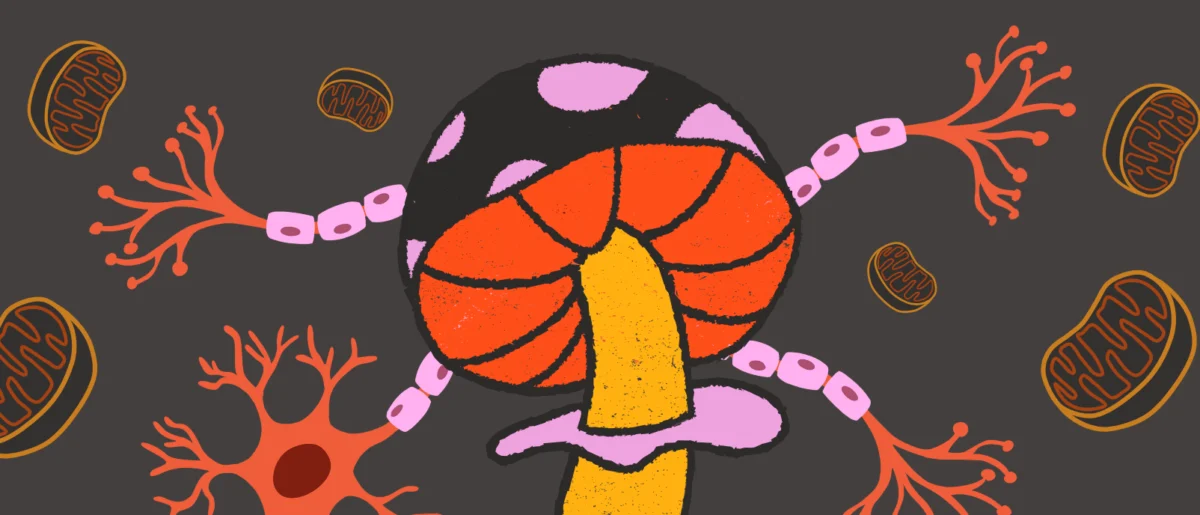
Researchers at The University of Texas MD Anderson Cancer Center have published a breakthrough study revealing that the administration of psilocybin prior to chemotherapy successfully prevents the onset of peripheral nerve injury in preclinical models. Even after repeated cycles of aggressive cancer treatment, the natural psychedelic compound preserved nerve function, pointing toward a transformative strategy to eliminate debilitating pain, numbness, and sensory loss in cancer survivors.
Co-led by Moran Amit, professor of Head and Neck Surgery, and Patrick Dougherty, professor of Pain Medicine, the study unveils an entirely unrecognized neuroprotective mechanism mediated by serotonin receptors. By demonstrating that psilocybin can act as a first-in-class preventative intervention for chemotherapy-induced peripheral neuropathy (CIPN), the findings open a compelling new frontier in cancer neuroscience, suggesting that psychedelic compounds may soon find a rigorous, evidence-based place in mainstream oncology support.
The Urgency of Mitigating Chemotherapy-Induced Peripheral Neuropathy
Chemotherapy remains a cornerstone of modern oncological care, successfully driving remission and long-term survival for countless individuals diagnosed with diverse malignancies. However, these potent therapeutics are notorious for their lack of cellular specificity. While they effectively target and destroy rapidly dividing cancer cells, they frequently inflict collateral damage on healthy tissues, most notably the peripheral nervous system.
Chemotherapy-induced peripheral neuropathy is a notoriously painful and persistent side effect. Patients often report chronic pain, heightened sensitivity to cold temperatures, tingling, numbness, and a complete loss of sensation in their hands and feet. In severe cases, CIPN can permanently impair a patient’s balance, compromise fine motor skills, and make routine daily tasks excruciating or impossible.
Clinically, CIPN presents an agonizing dilemma for both oncologists and patients. When nerve damage becomes intolerable, physicians are frequently forced to reduce chemotherapy doses, delay treatment cycles, or discontinue life-saving regimens altogether. Furthermore, once established, CIPN is notoriously difficult to treat; existing pharmaceuticals offer only marginal relief, and the nerve damage is frequently irreversible, casting a long shadow over a patient’s post-treatment quality of life. The medical community has faced an urgent, unmet need for preventative therapies that protect neuronal structures without blunting the tumor-killing efficacy of chemotherapy.
Unraveling the Mechanism: How Psilocybin Protects the Nervous System
Psilocybin, a naturally occurring psychedelic compound found in certain species of mushrooms, has garnered significant clinical attention over the past decade for its therapeutic potential in treating neuropsychiatric conditions such as treatment-resistant depression, post-traumatic stress disorder, and end-of-life anxiety. Pharmacologically, psilocybin acts primarily as a serotonin receptor agonist, temporarily increasing neuroplasticity and allowing the brain to forge novel neural connections.
In this landmark study, researchers sought to determine whether these neuroplastic and receptor-binding properties could be harnessed to shield peripheral nerves from the toxic onslaught of chemotherapy drugs such as cisplatin, paclitaxel, and docetaxel.
Using sophisticated preclinical models, the research team administered as few as two targeted doses of psilocybin prior to chemotherapy exposure. The results were striking. The prophylactic treatment prevented hypersensitivity to cold, effectively shielded delicate sensory nerve endings from degeneration, and preserved tactile sensation. Crucially, the administration of psilocybin did not interfere with or diminish the systemic antitumor activity of the chemotherapeutic agents.
To confirm the biological pathway responsible for this protection, the researchers investigated the specific receptors involved. They discovered that psilocybin’s neuroprotective effects are mediated directly through serotonin 5-HT2A receptors within the peripheral nervous system. When the research team experimentally blocked the 5-HT2A pathway, the neuroprotective benefits vanished. Conversely, when they administered a non-hallucinogenic compound specifically engineered to activate these same 5-HT2A receptors, it produced the exact same nerve-sparing protection observed with psilocybin, separating the therapeutic neuroprotection from the psychoactive experience.
Cellular Energy Preservation at the Nerve Endings
Delving deeper into the cellular mechanisms of CIPN, the investigators examined how common chemotherapeutic agents like cisplatin damage nerve fibers. They observed that cisplatin systematically depletes mitochondria—the microscopic cellular powerplants responsible for generating chemical energy—and severely disrupts their directional movement along nerve axons. Without a continuous supply of energy, distal nerve endings wither and die.
The MD Anderson team discovered that psilocybin triggers an intracellular signaling cascade that rescues mitochondrial trafficking. By maintaining healthy mitochondrial distribution and function during chemotherapy cycles, psilocybin ensures that nerve terminals remain adequately energized to withstand metabolic stress.

"Psilocybin does more than merely mask or reduce pain signals; it actively protects the structural integrity of the nerves themselves through enhanced cellular energy delivery," explained Patrick Dougherty. "This neuroprotective effect could fundamentally alter how patients withstand the physiological stress of chemotherapy, maintaining their sensation, mobility, and overall quality of life throughout active treatment and long into survivorship."
Chronology of Discovery and the Evolution of Cancer Neuroscience
The emergence of this research reflects a rapidly growing interdisciplinary field known as cancer neuroscience, which investigates the complex bidirectional communications between cancer cells and the nervous system within the tumor microenvironment. For decades, oncologists viewed nerves as passive conduits that were inevitably damaged by treatment. In recent years, however, researchers have recognized that nerves actively influence tumor growth, metastasis, and treatment resistance, while also suffering immense collateral damage from therapies.
The partnership between Amit, a head and neck surgeon specializing in tumor-nerve interactions, and Dougherty, a pain medicine expert specializing in chronic neuropathic pain, bridges two critical domains of oncology. Their collaborative effort to evaluate psychedelic compounds in a rigorous preclinical setting began several years ago, driven by the limitations of current neuroprotective agents, many of which failed in clinical trials because they protected tumor cells alongside normal tissue or caused unacceptable systemic toxicities.
By demonstrating that psilocybin can protect peripheral nerves without safeguarding cancer cells, the MD Anderson team overcame a historic hurdle in neuro-oncology. The preclinical validation marks a vital foundational step in a meticulously planned translational timeline.
Official Responses and Institutional Perspectives
The implications of the study have resonated deeply within the academic medical community, highlighting a paradigm shift in how academic institutions view and investigate psychoactive compounds.
"There is an urgent, long-standing need for treatments that can actively prevent nerve injury without interfering with lifesaving chemotherapy regimens," Moran Amit stated during the release of the findings. "These findings offer critical insights into how psilocybin may protect vulnerable nerves before structural damage becomes permanent, rather than merely treating chronic symptoms after they have settled in. At UT MD Anderson, we are actively exploring the multiple facets of psychedelics to pioneer rational interventions that meaningfully improve the lives of our patients."
Institutional support for psychedelic research has expanded significantly in recent years, propelled by encouraging clinical trial data across psychiatry and neurology. MD Anderson’s foray into oncology applications suggests that the therapeutic utility of these compounds may extend far beyond mental health, offering physical protection against some of the most grueling side effects of modern medicine.
Broader Impact, Implications, and Future Clinical Pathways
The potential ramifications of introducing psilocybin as a prophylactic neuroprotectant in oncology are profound, reshaping both clinical trial design and future patient care models.
From an economic and healthcare utilization perspective, CIPN is a major driver of medical costs and hospital visits. Chronic neuropathic pain often requires long-term management with opioids, gabapentinoids, and specialized physical therapy, adding to the financial and psychological burden borne by cancer survivors. Preventing nerve injury at the cellular level could drastically reduce the incidence of chronic post-chemotherapy pain syndromes, lowering healthcare expenditures and improving long-term functional independence.
Furthermore, by preventing the dose-limiting toxicities of agents like paclitaxel and cisplatin, neuroprotective interventions like psilocybin could enable patients to complete their prescribed chemotherapy regimens on schedule and at full therapeutic doses. This adherence optimization has the potential to improve overall cancer survival rates, as treatment delays and dose reductions are frequently associated with poorer long-term prognoses.
Despite these promising prospects, researchers emphasize that the transition from preclinical models to human clinical trials must be managed with rigorous scientific oversight. While the use of non-hallucinogenic 5-HT2A receptor agonists offers an intriguing alternative that could bypass regulatory and psychological hurdles associated with classic psychedelics, clinical trials utilizing psilocybin will still need to navigate complex federal and state regulatory frameworks, establish optimal human dosing schedules, and carefully evaluate potential psychiatric side effects in vulnerable cancer populations.
As clinical protocols are developed to translate these findings into human studies, the MD Anderson research team continues to investigate the broader molecular pathways of neuro-oncological protection. By continuing to map out how serotonin receptor activation preserves mitochondrial dynamics within peripheral nerve fibers, science moves steadily closer to a future where cancer patients can undergo aggressive, life-saving therapies without sacrificing their physical sensation, mobility, and long-term quality of life.