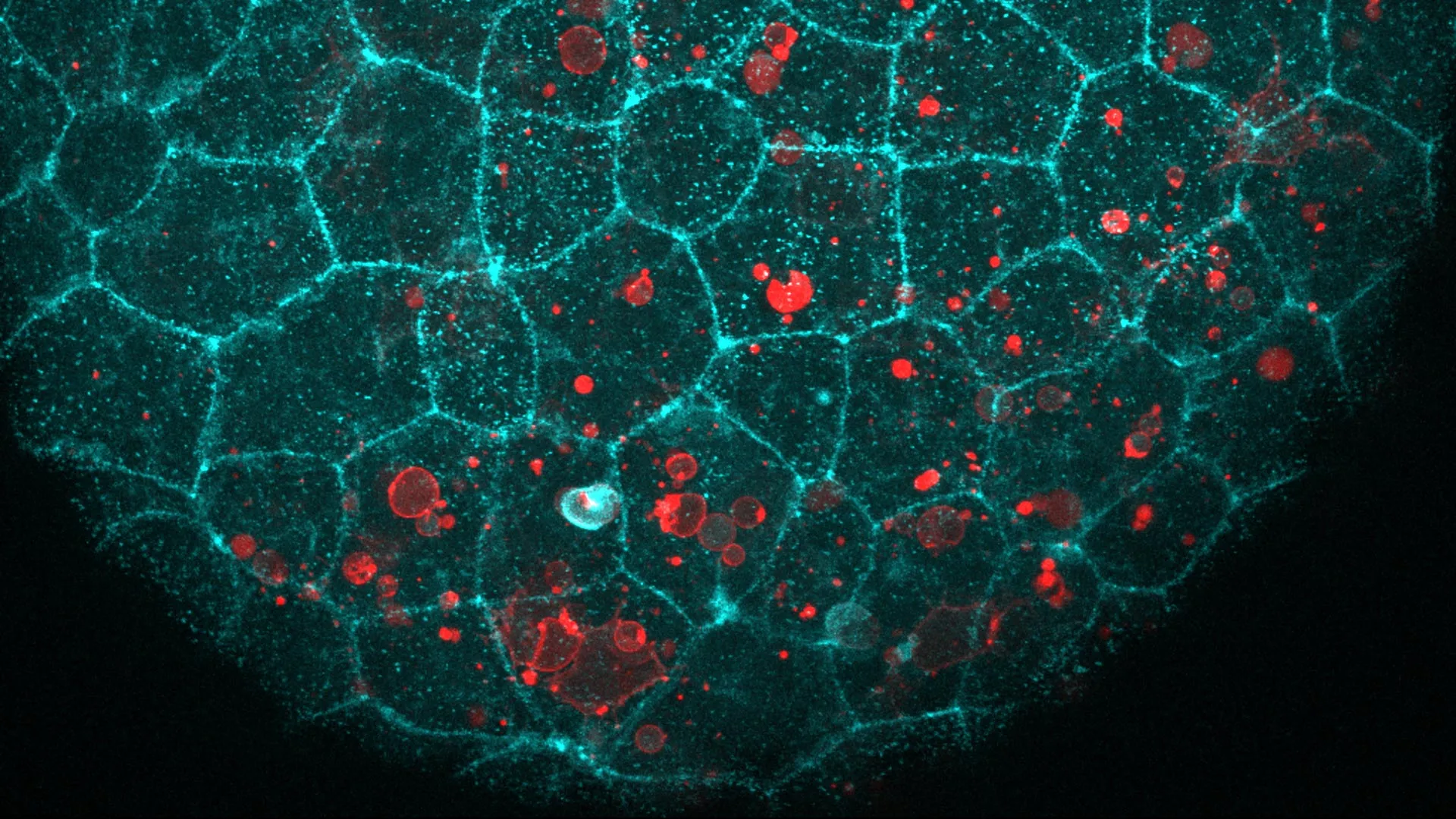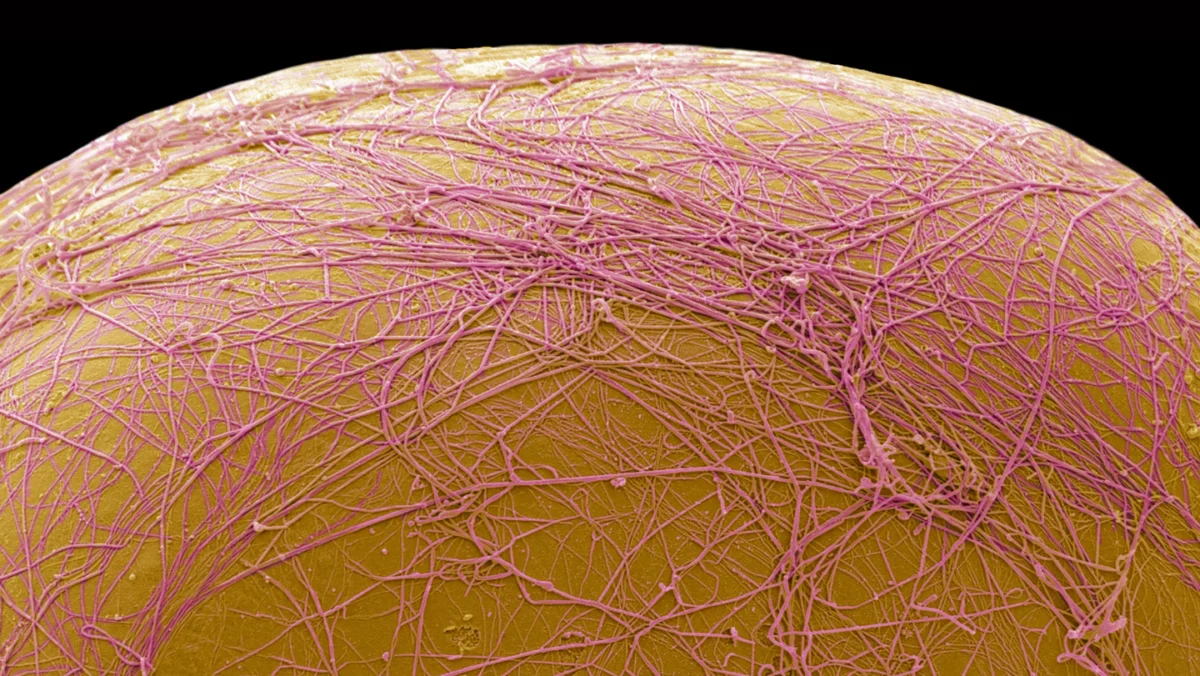
In the quiet waters of an Oxford University Parks pond, a routine scientific experiment has yielded a discovery that fundamentally alters our understanding of the genetic code. Researchers at the Earlham Institute and the University of Oxford have identified a previously unknown protist, Oligohymenophorea sp. PL0344, which interprets DNA instructions in a manner that defies long-held biological dogma. This tiny, single-celled organism has evolved to assign completely different, non-standard functions to the "punctuation marks" of the genetic code, proving that the language of life is far more flexible than the scientific community previously dared to imagine.
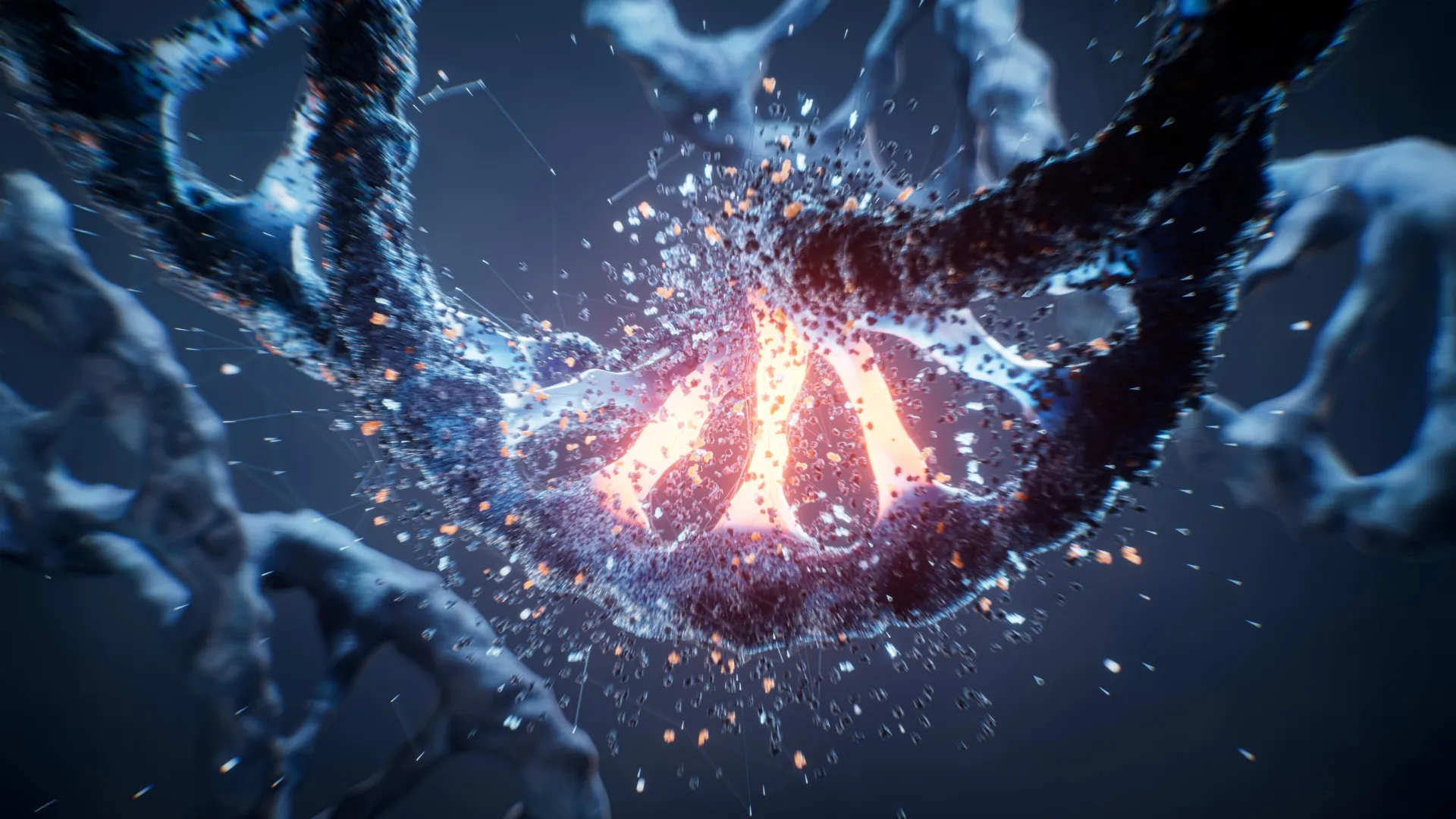
The genetic code serves as the universal instruction manual for all living organisms, translating sequences of DNA into the proteins necessary for life. At the heart of this process are stop codons—specific three-letter signals (TAA, TAG, and TGA) that instruct a cell’s ribosome to terminate protein synthesis. For decades, it was assumed that these signals were evolutionarily locked in a synchronized dance; if one stop codon changed its function, its counterpart was expected to shift in tandem. The discovery of Oligohymenophorea sp. PL0344, published in PLOS Genetics in October 2023, shatters this assumption by revealing that these two stop signals can independently evolve to encode entirely different amino acids.
A Chronology of Discovery and Genomic Surprise
The journey to this discovery began not with a search for evolutionary anomalies, but with a quest for technical precision. Dr. Jamie McGowan, a former postdoctoral scientist at the Earlham Institute, initiated the project with the primary goal of refining a DNA sequencing pipeline capable of analyzing minute quantities of genetic material, potentially down to the level of a single cell. By sampling water from a freshwater pond at Oxford, the team aimed to test the limits of their analytical tools on organisms that are notoriously difficult to cultivate in laboratory settings.
Upon assembling the genome of the captured protist, the research team realized they had stumbled upon an biological outlier. The organism’s genetic instructions operated under a set of rules never before documented in the scientific literature. Subsequent analysis confirmed that within this species, the codon TAA had been reassigned to encode the amino acid lysine, while TAG had been repurposed to encode glutamic acid. Meanwhile, the third stop codon, TGA, maintained its traditional role as a termination signal.
This revelation prompted a surge in follow-up research. By December 2024, the team published further findings in PLOS Genetics that extended the scope of their work. Using data from the TARA Oceans project—a global initiative documenting the genetic diversity of marine ecosystems—the researchers identified additional ciliate species in the Arctic and Southern Oceans that exhibited their own unique deviations from the standard genetic code. These findings suggest that the flexibility observed in the original pond sample is not a biological fluke, but a recurring theme within the diverse, understudied world of protists.
The Protist Paradox: Complexity in the Microscopic Realm
To appreciate the significance of this discovery, one must understand the unique position protists occupy in the biological hierarchy. As eukaryotes, their cells contain a nucleus and complex organelles, placing them in the same broad category as humans, animals, plants, and fungi. However, the definition of a protist is famously elusive, often described by what it is not rather than what it is. Because they encompass such a vast array of life—from predatory swimmers to photosynthetic algae—they defy easy categorization.
Ciliates, the specific group to which Oligohymenophorea sp. PL0344 belongs, are characterized by their hair-like cilia used for propulsion and sensory input. Among geneticists, ciliates have long been viewed as a "genetic playground" because they frequently exhibit atypical methods of DNA processing. However, the discovery that TAA and TAG could be decoupled—meaning they no longer function as a paired unit—represents a significant leap in our understanding of evolutionary biology.
The chemical implications of this shift are profound. Lysine and glutamic acid are amino acids with distinct chemical properties; their insertion into a protein chain, rather than the termination of that chain, would fundamentally alter the structure and function of the resulting protein. The fact that the organism remains viable suggests a complex internal regulatory system that has adapted to these unconventional instructions.
Evidence of Evolutionary Resilience
The research team identified specialized transfer RNA (tRNA) genes that facilitate the translation of these reassigned codons. These tRNA molecules act as the "interpreters" of the genetic code, and their presence provides definitive proof that the organism’s unusual protein synthesis is a hard-coded feature rather than a laboratory error.
Furthermore, the scientists observed an increased frequency of TGA stop codons in regions immediately following protein-coding sequences. This appears to be a protective evolutionary mechanism. In an organism that relies on a single stop codon for the majority of its protein production, the risk of "read-through"—where the ribosome accidentally continues translating past the end of a protein—is high. The accumulation of secondary TGA signals acts as a safety buffer, ensuring that the cellular machinery correctly terminates the protein chain. This discovery offers a rare, clear-cut example of how an organism can adapt its entire molecular architecture to compensate for a radical change in its basic genetic language.
Broader Implications for Synthetic Biology and Beyond
The implications of these findings extend well beyond the field of evolutionary biology. In the emerging sector of synthetic biology, researchers strive to engineer organisms with "expanded" or "modified" genetic codes to produce novel proteins for pharmaceutical or industrial use. Nature, it seems, has already performed these experiments over millions of years. By studying how these ciliates maintain their unconventional genetic codes, scientists may gain insights into the constraints—and the possibilities—of creating synthetic life forms.
The research also highlights a significant "blind spot" in current biological knowledge. Much of our understanding of genetics is based on a narrow range of model organisms that thrive in laboratory environments. As the March 2026 report in Microbial Genomics concerning the Bodo group of protists suggests, there is an immense, uncatalogued diversity of life hiding in plain sight. By leveraging single-cell sequencing techniques, researchers are beginning to peel back the layers of this diversity, revealing complex relationships—such as the symbiosis between protists and internal bacteria—that were previously invisible.
Looking Toward the Future of Genomics
The work led by Dr. McGowan and Professor Thomas Richards underscores the value of curiosity-driven research. What began as an effort to improve sequencing methodology has evolved into a broader exploration of how life adapts its most fundamental building blocks. As high-throughput sequencing becomes more accessible, the scientific community can expect to uncover even more instances of "genetic code rebellion."
The ongoing study of protists serves as a reminder that the "universal" rules of biology are, in many cases, merely the most common observations of life as we know it. In the microscopic world, nature continues to innovate in ways that challenge the boundaries of our textbooks. Whether through the independent evolution of stop codon reassignments in the Arctic oceans or the discovery of new symbiotic relationships in freshwater samples, the frontier of genetic research is expanding rapidly.
Reflecting on the accidental nature of the initial discovery, Dr. McGowan’s sentiment captures the ethos of modern discovery: "Scientists attempt to engineer new genetic codes—but they are also out there in nature. There are fascinating things we can find, if we look for them. Or, in this case, when we are not looking for them." This realization serves as a call to action for the scientific community to look beyond established models and embrace the vast, unconventional potential of the microbial world, where the next great leap in our understanding of life may be waiting in a simple drop of pond water.