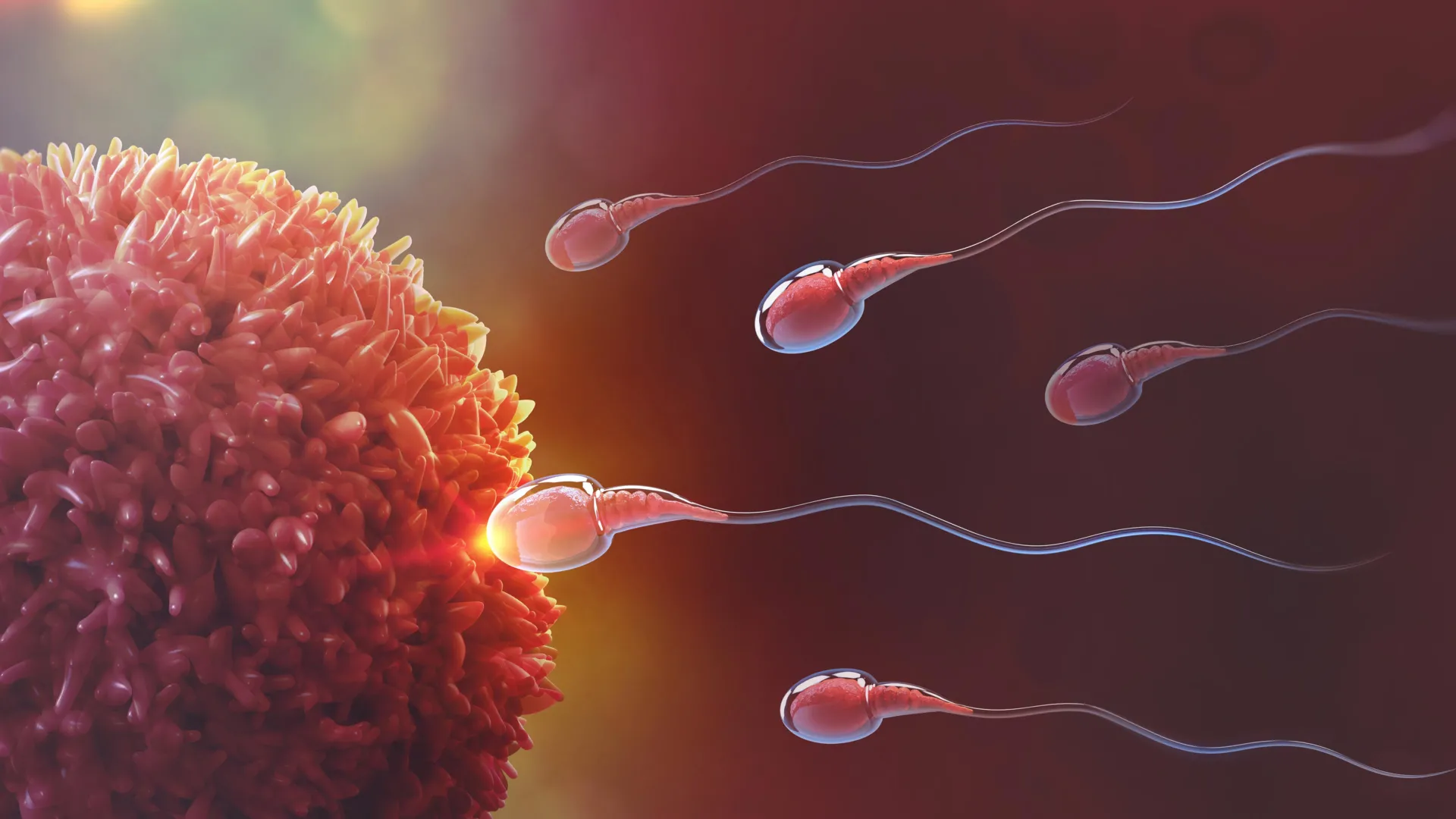
Scientists at Cornell University have achieved a significant milestone in reproductive medicine, advancing closer to the long-sought goal of a safe, reversible, long-acting, and entirely effective nonhormonal male contraceptive. In a comprehensive proof-of-principle study conducted over six years using murine models, a dedicated research team demonstrated that interrupting a critical regulatory step in meiosis—the specialized cellular division process responsible for generating sex cells—can safely and temporarily halt spermatogenesis without inducing permanent physiological damage or compromising subsequent reproductive health.
The findings, which mark a potential paradigm shift in family planning and reproductive biology, were published in the Proceedings of the National Academy of Sciences. This development addresses a historic imbalance in modern contraceptive responsibility, offering a glimpse into a future where men have access to temporary, highly effective birth control options that bypass the complexities and side effects associated with hormonal interventions.
Understanding the Mechanics: Targeting Meiosis in Spermatogenesis
To achieve transient infertility, the research team utilized JQ1, a small molecule inhibitor originally engineered for cancer and inflammatory disease research. While JQ1 itself is unsuited for human contraceptive use due to adverse neurological side effects, its pharmacological profile allowed researchers to pinpoint a specific vulnerability in the reproductive cycle. JQ1 interferes with prophase 1, a vital stage of meiosis, thereby proving for the first time that targeting meiotic pathways can safely and reversibly shut down sperm production.
Paula Cohen, a professor of genetics and director of the Cornell Reproductive Sciences Center, emphasized the unique positioning of their research within the scientific community. According to Cohen, very few research groups have championed the viability of testis-specific targets as a practical method to inhibit sperm production safely. By focusing on meiosis rather than alternative stages of sperm development, the Cornell team ensured that sperm production could be entirely suppressed while retaining the biological capacity for full recovery. Furthermore, this targeted approach preserves overall reproductive anatomy and endocrine function.
The rationale for avoiding other stages of the reproductive cycle is rooted in cellular preservation. Researchers deliberately avoided targeting spermatogonial stem cells, as the destruction of these foundational cells would induce permanent sterility, rendering a man irreversibly infertile. Similarly, targeting later stages, such as spermiogenesis, carried the distinct risk of allowing damaged or partially viable sperm to evade the intervention and potentially fertilize an egg. By zeroing in on prophase 1, the researchers successfully managed the delicate balance between efficacy and safety.
A Six-Year Chronology of Rigorous Testing
The publication of these findings represents the culmination of six years of meticulous laboratory investigation, observation, and analysis. The prolonged timeline was essential to ensure that the disruption of meiosis yielded no latent genetic abnormalities, long-term cellular trauma, or compromised health in subsequent generations.
During the experimental phase, male mice were administered JQ1 over a controlled three-week period. Throughout this window, sperm production ceased entirely. Detailed cellular analyses revealed that key meiotic features, including complex chromosome behaviors during prophase 1, were systematically disrupted, causing the developing germ cells to safely die off at that specific developmental checkpoint without triggering systemic toxicity.
Following the cessation of the treatment, the research team monitored the subjects for the resumption of normal biological function. Within a six-week recovery window, the majority of normal meiotic processes successfully resumed, alongside the regeneration of healthy, motile sperm. To validate the functional integrity of the regenerated sperm, the researchers conducted breeding trials with the treated subjects. The results confirmed that the male mice had fully regained their fertility. Crucially, their offspring were born completely healthy, exhibited normal developmental milestones, and demonstrated unhindered reproductive capabilities of their own.
Historical Context and the Need for Modern Male Contraception
For decades, the burden of contraception has fallen disproportionately on women, largely due to the vast array of options available to them, ranging from oral hormonal pills and intrauterine devices to barrier methods and implants. Conversely, male contraceptive options have remained essentially static for generations, restricted almost entirely to barrier methods such as condoms, which carry a significant risk of user failure, and surgical interventions such as vasectomies.
While vasectomies are highly effective, they are designed as permanent procedures. Although surgical reversals are sometimes possible, they are expensive, invasive, and notoriously unreliable, leaving many men hesitant to commit to the procedure, particularly younger individuals or those who may desire children in the future. Meanwhile, the development of hormonal male contraceptives—which typically rely on synthetic testosterone or progestin combinations to suppress the hypothalamic-pituitary-testicular axis—has faced persistent hurdles. Researchers have remained exceedingly cautious about advancing hormonal approaches due to concerns regarding mood disturbances, weight gain, acne, lipid profile alterations, and cardiovascular risks, parallels drawn from decades of monitoring adverse effects in female hormonal contraceptives.
The pursuit of a nonhormonal alternative represents an attempt to circumvent these systemic side effects. By targeting specific proteins, enzymes, or cellular mechanisms intrinsic only to the testis and the process of meiosis, scientists hope to create localized treatments that leave systemic hormone levels completely untouched, preserving male libido, secondary sex characteristics, and general physiological well-being.
Official Responses and Academic Implications
The academic and scientific community has responded to the Cornell study with cautious optimism, viewing it as a vital proof-of-concept that validates meiosis as a druggable and reversible pathway for contraception. Reproductive endocrinologists and geneticists note that while JQ1 is not the final pharmaceutical compound that will be prescribed to humans, it serves as an invaluable chemical probe.
The success of the JQ1 trials has energized pharmaceutical interest in identifying more selective, highly targeted inhibitors that mimic the meiotic disruption of JQ1 without crossing the blood-brain barrier or inducing neurological side effects. Pharmaceutical developers are now actively screening vast chemical libraries to discover next-generation molecules capable of inhibiting the specific bromodomain and extra-terminal (BET) proteins or related meiotic checkpoints targeted by the Cornell team.
Furthermore, public health organizations have long advocated for expanded family planning options, noting that innovative male contraceptives could drastically reduce unintended pregnancies globally, empower men to share reproductive responsibilities more equitably, and alleviate the physical and economic burdens traditionally shouldered by women.
Envisioning the Future of Male Birth Control
Translating these laboratory findings into a commercially viable pharmaceutical product for human use remains a complex and rigorous undertaking, requiring extensive preclinical safety evaluations, formulation chemistry, and multi-phase clinical trials. However, the conceptual framework outlined by Professor Cohen and her colleagues points toward highly convenient delivery mechanisms.
If successfully developed and approved for human application, this class of nonhormonal male contraceptive could theoretically be administered in several user-friendly formats. Cohen suggests that future male birth control derived from this research could take the form of a long-acting quarterly injection—administered once every three months—or potentially a transdermal skin patch designed to maintain steady therapeutic efficacy over time. Such delivery systems would offer users high compliance, discreet usage, and the absolute reassurance of reversibility.
The Broader Socioeconomic and Public Health Impact
The implications of a successful nonhormonal, reversible male contraceptive extend far beyond the laboratory, touching upon global demographics, gender equity, and public health economics. Unintended pregnancies remain a persistent global challenge, associated with maternal health risks, socioeconomic strain, and interrupted educational and career trajectories for women. Expanding the contraceptive toolkit to include male-centric, highly reliable, and reversible options introduces a cooperative approach to family planning.
Sociological studies on reproductive behavior consistently indicate that a significant portion of men express a willingness to utilize male contraceptives if reliable, nonhormonal options become available. The primary barriers have never been willingness, but rather the absence of medical technology that matches the convenience and reversibility of female counterparts. The Cornell University study bridges this technological gap by proving that meiosis can be safely manipulated, paused, and restarted without inflicting permanent damage on the male reproductive system.
As research transitions from murine models to higher-order species and eventually human clinical trials, the scientific community moves steadily closer to rewriting the landscape of modern reproductive health. The work led by Paula Cohen and her team at Cornell establishes a rigorous scientific foundation, transforming what was once considered the elusive holy grail of male contraception into an achievable, scientifically grounded reality.