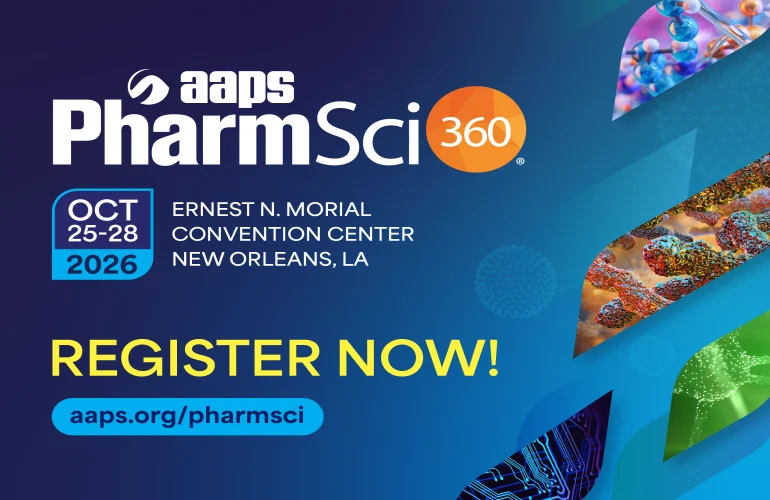
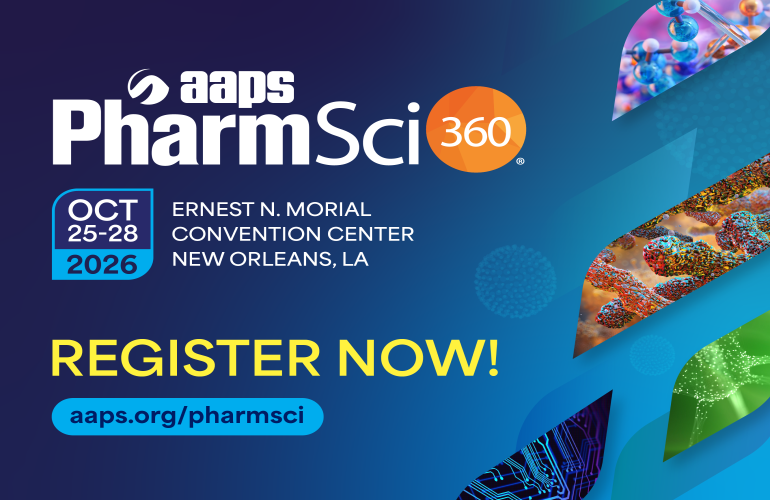
The pharmaceutical landscape is currently undergoing a period of rapid transformation, driven by the integration of artificial intelligence, complex biologics, and shifting regulatory frameworks. Against this backdrop, the American Association of Pharmaceutical Scientists (AAPS) is set to host its flagship annual meeting, PharmSci 360, from October 25–28, 2026, at the Ernest N. Morial Convention Center in New Orleans. As a premier forum for global research, the event serves as a critical nexus for thousands of scientists, regulatory experts, and industry leaders from both large-scale multinational corporations and agile biotech startups.
This year’s conference arrives at a pivotal time for drug development. With the pharmaceutical industry facing pressure to reduce development timelines—which often span over a decade and cost billions of dollars—PharmSci 360 aims to bridge the gap between benchtop discovery and clinical implementation. The program is intentionally designed to facilitate the translation of early-stage innovation into viable, regulatory-approved therapeutic products.
A Chronology of Scientific Engagement
The four-day event is structured to guide attendees through the entirety of the pharmaceutical product lifecycle. The proceedings commence on Sunday, October 25, with a focus on high-level strategic public health concerns, setting the tone for the specialized technical sessions that follow.
Monday, October 26, initiates the deep-dive technical programming. A standout feature of this year’s schedule is the "Executive Track," which includes a forensic analysis of drug development delays. This session, featuring speakers from Rx-360, Blue Oaks Biotech, and University College London, addresses the systemic bottlenecks that impede the path to market. Throughout the day, sessions shift toward the regulatory and technical hurdles of modern medicine, covering topics such as ICH S12 compliance for biodistribution and the implementation of advanced in vitro models like liver-on-a-chip systems.
Tuesday, October 27, transitions into the application of cutting-edge technology. The agenda highlights the rise of New Approach Methodologies (NAMs), which are increasingly prioritized by regulators to reduce reliance on traditional animal models. Presentations by experts from Simulations Plus, AstraZeneca, and the Mayo Clinic will examine the intersection of quantitative systems toxicology, nanomedicine, and the clinical implications of GLP-1 receptor agonists, a class of drugs that has significantly altered the landscape of metabolic and obesity research in recent years.
The conference concludes on Wednesday, October 28, with a focus on future-proofing drug development. Key sessions include the complexities of dose selection for multispecific biologics and the harmonization of pediatric drug data across international regulatory bodies. The latter is expected to draw significant attention, as global regulators—including the U.S. FDA and Health Canada—strive to ensure that pediatric populations are not left behind in the race for therapeutic innovation.
The Rise of Innovator-Curated Tracks and Research Integrity
In a significant evolution for the 2026 event, AAPS has introduced "Innovator-Curated" tracks. These specialized segments were developed by subject-matter experts to address the most pressing challenges in the field.
The first of these tracks, led by Brian Nosek, centers on research integrity. As the scientific community faces increasing scrutiny regarding reproducibility and data transparency, this track brings together representatives from the National Institutes of Health (NIH) and leading academic institutions to establish a roadmap for more rigorous, reliable research practices. The second track, spearheaded by Dr. Thomas Hartung of Johns Hopkins University, focuses exclusively on the maturation of NAMs. By gathering insights from organizations like Tulane University and various biotechnology firms, this track explores how organ-on-a-chip and other microphysiological systems can be scaled for industrial application.
Data-Driven Perspectives on Industry Challenges
The importance of PharmSci 360 is underscored by the current economic and regulatory climate. The pharmaceutical industry is currently grappling with a "patent cliff" and increased generic competition, which necessitates higher efficiency in early-stage R&D. According to recent industry analysis, the average cost to bring a new molecular entity to market has risen consistently, with R&D expenditures often exceeding $2 billion per asset when factoring in failed trials.
The emphasis on PBPK (Physiologically Based Pharmacokinetic) modeling, featured in sessions by companies like Certara, represents a strategic response to these financial pressures. By using sophisticated computational models to predict food effects and drug-drug interactions, scientists can reduce the number of costly clinical trials required to characterize a drug’s performance. Similarly, the partnership with the United States Pharmacopeia (USP) to provide sessions in the exhibit hall reflects a move toward tighter standardization in the production of complex generics and inhalation devices, which are essential for maintaining supply chain stability and patient safety.
Plenary Insights and Global Health Leadership
The caliber of the speakers at PharmSci 360 remains a hallmark of the conference. Julie Gerberding, M.D., M.P.H., President and CEO of the Foundation for the National Institutes of Health (FNIH), will open the conference with a plenary on the current state of global health. Her perspective is particularly relevant given the FNIH’s role in public-private partnerships that accelerate medical research.
The closing plenary, delivered by David Berry, M.D., Ph.D., of Averin Capital, will provide a venture-capitalist’s outlook on the pharmaceutical market. This session is expected to analyze how technological advancements—specifically in AI and digital health—are reshaping investor confidence and the valuation of pharmaceutical assets. The inclusion of these speakers ensures that attendees are not only updated on technical science but are also informed about the socioeconomic factors that dictate the viability of their projects.
Professional Development: The Careers 360 Initiative
Recognizing that the industry is only as strong as its workforce, the conference continues its "Careers 360" program. This initiative is designed to address the skills gap in the pharmaceutical sector, particularly in areas like artificial intelligence, intellectual property law, and regulatory strategy.
The program offers a pragmatic approach to career advancement, including:

- Interactive Skill-Building: Workshops on AI integration into drug discovery workflows.
- Professional Support: Access to recruiters, executive coaches, and resume review services.
- Networking: Structured sessions for scientists to engage with industry veterans, providing a pathway for mentorship and inter-organizational collaboration.
Broader Implications for the Future of Drug Discovery
The aggregation of these diverse topics—from the regulatory hurdles of pediatric drug development to the mechanical precision of organ-on-a-chip models—points toward a broader trend in the pharmaceutical industry: the transition toward "precision science." The integration of these methodologies allows for a more personalized approach to medicine, where the drug, the delivery system, and the patient profile are analyzed as a unified system rather than in isolation.
The presence of industry stalwarts like Merck, AstraZeneca, and Eli Lilly, alongside emerging technology providers such as 10x Genomics and Agilent Technologies, highlights the collaborative nature of this transformation. By providing a platform where these organizations can share data and methodologies, AAPS PharmSci 360 functions as a catalyst for industry-wide progress.
For attendees, the implications are clear: success in the current pharmaceutical environment requires more than just high-quality bench science. It requires a comprehensive understanding of the regulatory landscape, an aptitude for computational modeling, and the ability to operate within a global network of peers. As the industry looks toward the next decade, the innovations presented at the 2026 meeting will likely serve as the foundation for the next generation of life-saving therapies.
The conference remains a must-attend event for those seeking to understand the trajectory of pharmaceutical science. By combining top-tier research, professional development, and a focus on industry-wide ethics and integrity, PharmSci 360 continues to solidify its role as the definitive gathering for the global scientific community. Those planning to attend can register through the AAPS portal to secure access to the full suite of sessions, workshops, and networking opportunities.