This Week in Virology (TWiV) episode 1289 delves into two significant advancements in viral research: the intricate mechanisms by which the dengue virus manipulates mosquito midgut permeability to facilitate its spread, and a promising breakthrough in achieving a complete cure for chronic hepatitis B virus (HBV) infection in humanized mouse models through the use of capsid assembly modulators. The episode features regular hosts Vincent Racaniello, Alan Dove, and Angela Mingarelli, offering their expert insights into these complex scientific developments.
Understanding Dengue Virus Dissemination: A Molecular Intrusion
The discussion on dengue virus centers on the critical role of the non-structural protein 1 (NS1) in altering the permeability of the Aedes aegypti mosquito’s midgut. This protein, secreted by the virus, is not merely a bystander; it actively remodels the mosquito’s internal environment, creating a more hospitable pathway for the virus to replicate and eventually transmit to humans.
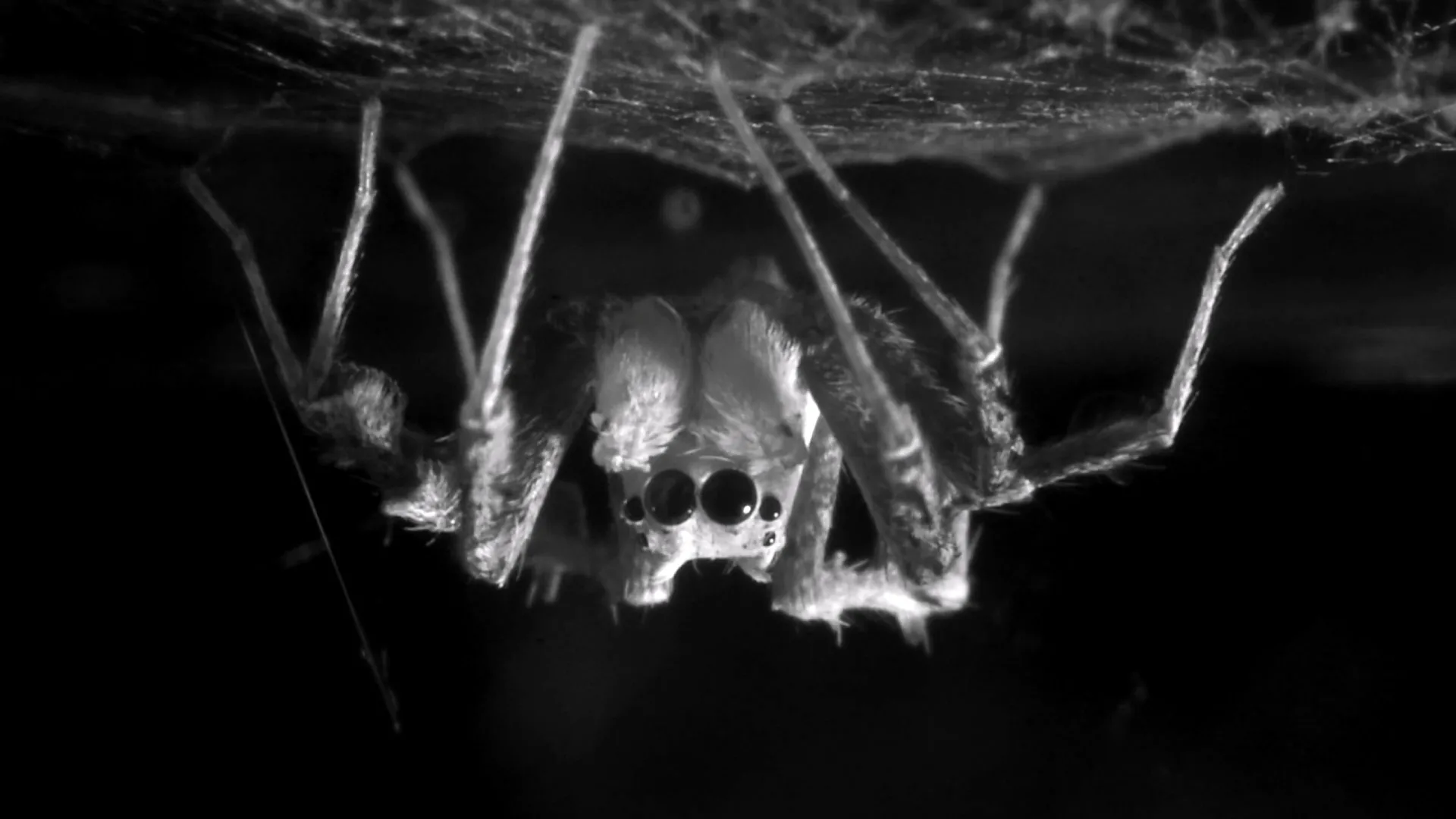
The Molecular Mechanism: Dengue virus, a flavivirus responsible for a significant global health burden, relies on a complex lifecycle that involves both human and mosquito hosts. Once an infected mosquito bites a human and ingests blood containing the virus, the dengue virions enter the mosquito’s midgut. For successful transmission, the virus must overcome the midgut’s natural barrier function. The NS1 protein, a highly conserved viral component, plays a pivotal role in this process. Research presented on TWiV highlights that NS1 can bind to and disrupt the integrity of the epithelial cells lining the mosquito’s midgut. This disruption leads to increased permeability, allowing the virus to leak from the gut lumen into the hemocoel, the mosquito’s circulatory system. From the hemocoel, the virus can then disseminate to the salivary glands, where it is primed for injection into a new human host during a subsequent blood meal.
Significance of the Discovery: Understanding this molecular interplay between dengue virus and its mosquito vector is crucial for developing novel control strategies. By identifying how NS1 compromises the midgut barrier, scientists can explore targeted interventions to prevent viral dissemination. This could include developing insecticides that specifically inhibit NS1 function, or even genetic modifications in mosquitoes that confer resistance to NS1-mediated gut damage. The World Health Organization (WHO) estimates that dengue affects up to 100 million people annually, with severe cases leading to hemorrhagic fever and shock, underscoring the urgency of such research.
A Promising Horizon for Hepatitis B Cure: Capsid Assembly Modulators
The second major focus of TWiV 1289 is a groundbreaking achievement in the fight against chronic hepatitis B virus (HBV) infection. Researchers have successfully demonstrated the potential for a complete HBV cure in humanized mice using a class of drugs known as capsid assembly modulators (CAMs).
The Challenge of Chronic HBV: Chronic HBV infection affects approximately 292 million people worldwide, posing a significant risk of cirrhosis, liver failure, and hepatocellular carcinoma (HCC). Current antiviral therapies primarily suppress viral replication, reducing the viral load and mitigating liver damage, but they do not typically achieve a complete cure. The virus establishes a persistent infection by integrating its genetic material into the host genome and maintaining covalently closed circular DNA (cccDNA) in the nucleus, which acts as a template for ongoing viral production. Eradicating this persistent viral reservoir has been the elusive holy grail of HBV research.
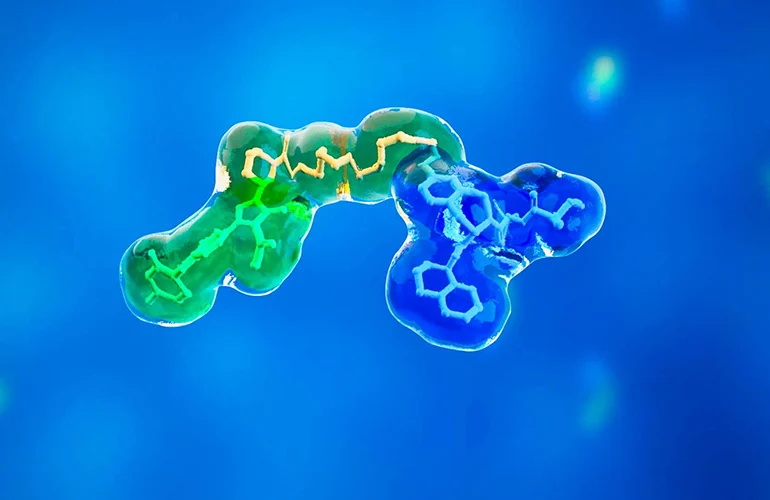
The Role of Capsid Assembly Modulators: CAMs represent a novel therapeutic approach. They work by interfering with the assembly of the HBV capsid, the protein shell that encloses the viral genetic material. The HBV capsid is a crucial component for viral replication and infectivity. By preventing the proper formation of these capsids, CAMs can disrupt the viral life cycle in multiple ways. Firstly, they can inhibit the formation of new infectious viral particles. Secondly, and perhaps more importantly for achieving a cure, they can promote the degradation of existing viral components, including the RNA intermediates and even the cccDNA, which is a key challenge in current treatments.
The Humanized Mouse Model Breakthrough: The study discussed on TWiV utilized humanized mice, a sophisticated model that engrafts human liver cells and immune systems into immunodeficient mice. This allows for a more accurate recapitulation of human HBV infection and the evaluation of therapeutic strategies. In these models, treatment with specific CAMs resulted in a significant and sustained reduction of HBV DNA and RNA levels, leading to what the researchers describe as a "complete cure." This implies not only the suppression of viral replication but also the clearance of the persistent viral reservoir.
Implications for Future Therapies: This research represents a significant leap forward in the quest for an HBV cure. While the results are currently demonstrated in animal models, they offer a tangible pathway towards developing new therapies for human patients. The long-term implications are profound, potentially alleviating the immense global burden of chronic HBV infection and reducing the incidence of HBV-related liver diseases and cancer. The development of effective CAMs could revolutionize HBV treatment, moving beyond mere viral suppression to true eradication.
Context and Commentary from TWiV Hosts
The TWiV episode provides expert commentary on these scientific developments, drawing on the extensive knowledge of its hosts.
- Vincent Racaniello, a Professor of Microbiology and Immunology at Columbia University, is a leading virologist known for his clear and accessible explanations of complex viral phenomena. His insights often provide the foundational scientific context for the discussions.
- Alan Dove, an independent researcher and science writer, contributes his analytical skills and ability to connect disparate scientific findings.
- Angela Mingarelli, a science writer and communicator, offers a perspective that bridges the gap between intricate research and broader public understanding.
The hosts likely discussed the specific experimental methodologies employed in both studies, the potential challenges in translating these findings from bench to bedside, and the broader landscape of viral research and therapeutics. The inclusion of links to the original research papers, or related scientific literature, further enriches the episode for listeners seeking deeper dives into the topics.
Weekly and Listener Picks: Expanding the Scientific Horizon
Beyond the core scientific discussions, TWiV’s "Weekly Picks" and "Listener Picks" segments offer a curated selection of intriguing scientific articles and resources, demonstrating the hosts’ and audience’s broad interests.
- Angela Mingarelli’s pick regarding how hibernating bears maintain muscle mass highlights ongoing research into cellular resilience and adaptation, a topic with potential relevance to understanding cellular responses to viral infections or drug treatments.
- Alan Dove’s pick on the impact of Chinese graduate students on US science underscores the interconnectedness of global scientific progress and the importance of international collaboration.
- Vincent Racaniello’s pick of the Feynman Lectures on Physics points to a foundational appreciation for scientific principles that underpin all fields of research, including virology.
- Listener picks often reflect current events and broader cultural intersections with science, such as the passing of Stewart Cheifet, host of "Computer Chronicles," and reflections on the past and future of scientific endeavors.
These supplementary segments underscore TWiV’s commitment to fostering a holistic understanding of science, recognizing that breakthroughs in virology often benefit from insights drawn from diverse scientific disciplines and societal contexts.
Conclusion: Advancing Viral Control and Eradication
TWiV episode 1289 showcases the dynamic nature of virology research, highlighting significant progress in both understanding viral pathogenesis and developing novel therapeutic strategies. The detailed exploration of dengue virus’s impact on mosquito midgut permeability offers new avenues for vector-borne disease control, while the promising results from capsid assembly modulators in achieving an HBV cure represent a beacon of hope for millions suffering from chronic hepatitis B. As these research fronts continue to evolve, episodes like TWiV 1289 serve as vital platforms for disseminating cutting-edge scientific discoveries and fostering informed public discourse on the ongoing battle against viral diseases.