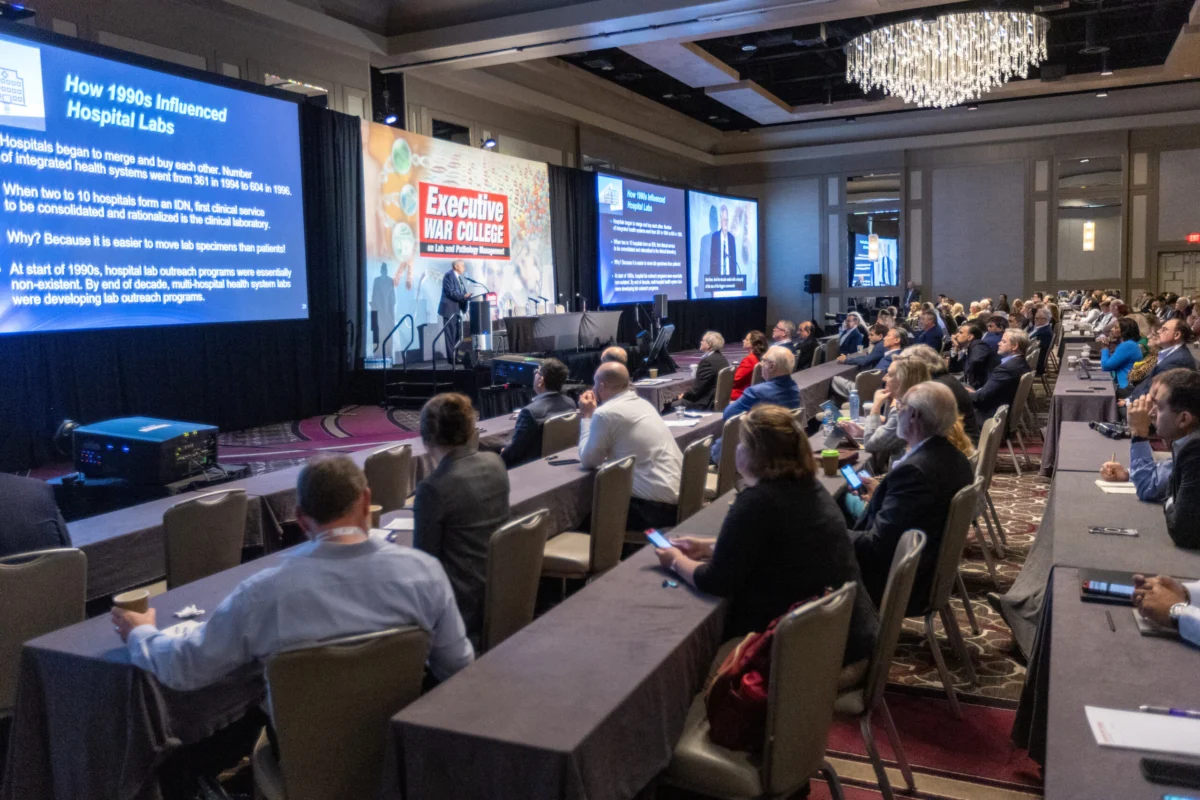
The 2026 Executive War College on Diagnostics, Clinical Laboratory, and Pathology Management, scheduled for April 28-29 in New Orleans, is poised to offer critical insights and practical strategies for clinical laboratories grappling with an unprecedented confluence of financial, workforce, and regulatory challenges. With a focus on "boots-on-the-ground" experts and early-adopter case studies, the upcoming conference aims to equip lab leaders with the tools necessary to move beyond merely reacting to external pressures and instead, proactively drive innovation and operational excellence. Featured speakers, including those from prominent institutions like MD Anderson Cancer Center and NYU Langone, are set to reveal actionable blueprints for navigating the complex landscape of diagnostic medicine in a pivotal year for the industry.
The clinical laboratory sector finds itself at a significant strategic inflection point. A "perfect storm" of reimbursement compression, persistent workforce shortages, and an evolving regulatory framework—particularly concerning the Protecting Access to Medicare Act (PAMA) and the regulation of Laboratory Developed Tests (LDTs)—is redefining the operational parameters for labs across the nation. The Executive War College, now in its 31st year, has historically served as a vital forum for laboratory and pathology leaders to dissect these challenges and collaboratively forge pathways forward. The 2026 agenda is specifically designed to address the immediate and long-term implications of these pressures, offering a deep dive into how leading institutions are not just surviving but thriving by setting new standards in efficiency, quality, and financial resilience.
Navigating the Regulatory Cliff: PAMA and LDTs
One of the most pressing issues for clinical laboratories heading into 2026 is the expiration of legislative moratoriums on PAMA reporting and the anticipated shift in the regulatory environment for LDTs. The Protecting Access to Medicare Act, enacted in 2014, fundamentally altered how clinical laboratory test prices are determined under Medicare. PAMA mandates that the Centers for Medicare & Medicaid Services (CMS) set Medicare payment rates for clinical diagnostic laboratory tests based on private payor rates. The initial implementation of PAMA in 2018 led to significant cuts in Medicare reimbursement for many common lab tests, with some estimates suggesting a cumulative reduction of over 10% across the industry since its inception. While subsequent legislative actions provided temporary relief through reporting moratoriums, the industry is now facing a return to mandatory data collection and potential further rate adjustments.
The "regulatory cliff" refers directly to this impending reality, where the margin for operational error in managing compliance and financial forecasting has effectively disappeared. Laboratories must prepare for renewed data collection requirements under PAMA, which necessitate meticulous tracking of private payor rates. Failure to comply can result in substantial penalties, while inaccurate reporting can lead to distorted Medicare rates, further exacerbating reimbursement pressures.
Concurrently, the regulatory landscape for LDTs is undergoing a profound transformation. For decades, LDTs—tests designed, manufactured, and used within a single laboratory—have largely been regulated by the Centers for Medicare & Medicaid Services (CMS) under the Clinical Laboratory Improvement Amendments (CLIA) of 1988, which primarily focus on laboratory quality and personnel standards. However, the U.S. Food and Drug Administration (FDA) has increasingly asserted its authority over LDTs, viewing them as medical devices. The FDA’s proposed rule, "Medical Devices; Laboratory Developed Tests," aims to phase out the agency’s long-standing policy of enforcement discretion, thereby subjecting LDTs to the same premarket review, quality system, and post-market requirements as other medical devices.
This shift has profound implications for the entire diagnostic ecosystem. Academic medical centers, specialty reference labs, and even smaller community hospitals often rely on LDTs to diagnose rare diseases, monitor complex therapies, and provide highly specialized, personalized medicine. The proposed FDA regulation, if fully implemented, could significantly increase the cost and time required to bring new LDTs to market, potentially stifling innovation and limiting patient access to critical diagnostic tools. The Executive War College will likely feature sessions dedicated to deciphering the nuances of these regulatory changes, offering strategies for compliance, advocacy, and adapting test menus to remain viable and competitive.
Addressing the Persistent Workforce Crisis
Beyond regulatory hurdles, clinical laboratories are contending with a deepening workforce crisis. The American Society for Clinical Pathology (ASCP) has consistently reported critical shortages across various laboratory professions, including medical technologists, medical laboratory technicians, histotechnologists, and phlebotomists. Factors contributing to this crisis are multifaceted: an aging workforce nearing retirement, insufficient enrollment and graduation rates from training programs, burnout accelerated by the demands of the COVID-19 pandemic, and competitive wage pressures from other healthcare sectors.
The consequences of these shortages are dire, impacting turnaround times, test quality, and ultimately, patient care. Labs struggle to fill open positions, leading to increased workload for existing staff, potential delays in diagnostic results, and a heightened risk of errors. MD Anderson Cancer Center’s focus on "workforce pillars," as highlighted by the speaker spotlight, suggests an emphasis on innovative human resource strategies. These might include robust recruitment pipelines, enhanced retention programs, professional development opportunities, and the strategic deployment of automation to augment human labor. Such initiatives are crucial not only for operational stability but also for maintaining the high standards of diagnostic accuracy essential for complex patient care, particularly in specialized fields like oncology. The War College sessions are expected to explore successful models for talent acquisition, staff engagement, and succession planning that can be adapted by labs of varying sizes and specialties.
The Digital Transformation: AI and Digital Pathology

Innovation in technology offers a powerful antidote to some of the industry’s most pressing challenges. The Executive War College will prominently feature discussions on the transition of Artificial Intelligence (AI) and digital pathology from experimental pilot projects to essential, everyday workflows. NYU Langone’s digital pathology overhaul, mentioned in the initial announcement, serves as a prime example of this transformative trend.
Digital pathology involves the digitization of glass microscope slides, allowing pathologists to view, manage, and analyze images on a computer screen rather than through a traditional microscope. This technology offers numerous advantages: enhanced collaboration among pathologists, remote access to cases, improved workflow efficiency, and the ability to integrate AI algorithms for image analysis. AI, when applied to digital pathology, can assist in detecting subtle abnormalities, quantifying biomarkers, and even predicting patient outcomes, thereby augmenting the diagnostic capabilities of pathologists and potentially reducing diagnostic variability and turnaround times.
However, the adoption of these technologies is not without its challenges. Significant upfront investment in hardware, software, and IT infrastructure is required. Data integration with existing Laboratory Information Systems (LIS) and Electronic Health Records (EHR) is complex, and robust validation studies are necessary to ensure the accuracy and reliability of AI algorithms in a clinical setting. Furthermore, navigating regulatory approval for AI-powered diagnostic tools adds another layer of complexity. The War College will delve into practical strategies for overcoming these hurdles, showcasing how institutions are successfully implementing digital pathology and AI to improve diagnostic efficiency, reduce costs, and enhance patient care. This includes discussions on ROI justification, vendor selection, change management, and the ethical considerations surrounding AI in diagnostics.
Driving Financial and Operational Resilience in a High-Stakes Environment
The cumulative effect of reimbursement pressures, workforce shortages, and regulatory shifts necessitates a renewed focus on financial and operational resilience. The "high-stakes intersection of clinical quality, workforce stability, and bottom-line profitability" underscores the intricate balance laboratory leaders must strike. The 2026 program is designed to move beyond theoretical discussions, providing "specific financial and operational blueprints" to turn these challenges into sustainable competitive advantages.
This includes strategies for defending shrinking margins against a surge in federal audit activity. With increased scrutiny on healthcare spending, laboratories are facing heightened risk of audits from entities such as the Office of Inspector General (OIG) and Medicare Administrative Contractors (MACs). These audits can target billing practices, medical necessity documentation, and compliance with anti-kickback statutes, leading to significant recoupments and penalties. War College sessions will likely offer guidance on robust compliance programs, proactive audit preparedness, and effective strategies for responding to audit findings.
Operational resilience also entails optimizing laboratory processes, implementing lean methodologies, and exploring new business models. This could involve diversifying service offerings, partnering with other healthcare providers, or enhancing direct-to-consumer testing where appropriate and regulated. The goal is to build a more agile and adaptable laboratory enterprise that can withstand external shocks and capitalize on emerging opportunities. As Burgart notes, the laboratory has the potential to reframe its role in the healthcare system, moving from a cost center to a value-generating partner in patient care. This requires not only scientific expertise but also astute business acumen and strategic foresight.
The Executive War College: A Historical Perspective and Future Outlook
For over three decades, the Executive War College has distinguished itself as the premier annual gathering for laboratory and pathology management. Founded on the principle of providing actionable, real-world solutions, it brings together a unique blend of industry experts, regulatory officials, and practicing laboratory leaders. Its focus on the business and management aspects of diagnostic medicine sets it apart from more scientifically oriented conferences.
Historically, the War College has been instrumental in anticipating major industry shifts, from the advent of managed care in the 1990s to the challenges of molecular diagnostics and personalized medicine in the 21st century. It has consistently provided a platform for sharing best practices, fostering peer-to-peer learning, and facilitating strategic networking that is invaluable in a rapidly evolving sector. The "early-adopter" case studies highlighted for 2026 reflect this legacy, showcasing labs that are not merely reacting to change but are actively shaping the future of diagnostic services.
The 31st Annual Executive War College, held at the Hyatt Regency New Orleans, serves as a critical forum for leaders to collaborate, learn, and strategize for the future. The insights shared by experts from institutions like MD Anderson and NYU Langone will provide practical examples of how to implement change effectively. As the industry faces a period of mandatory execution following legislative moratoriums and evolving regulatory landscapes, the knowledge exchanged at this conference will be crucial for maintaining financial stability, ensuring operational efficiency, and continuing to deliver high-quality diagnostic services that are fundamental to patient health. The overarching goal remains to empower laboratories to transform challenges into sustainable competitive advantages, thereby solidifying their indispensable role in the broader healthcare ecosystem.